Why this matters: the FpV drone scene just got a new common denominator—Artosyn's AR-8030—and it will change prices, options and compatibility.
TL:DR
The FpV drone market has been dominated by DJI, Avatar HD (Artosyn) and HD0. New kits from Caddx, BetaFPV and StartRC use Artosyn's AR-8030. Prices dropped, choice increased, but interoperability remains unclear. OpenIPC still threatens low-end incumbents. Buyers get cheaper options; hackers keep their soldering irons handy.
Why the headline matters
Mads Tech spots a shift: the AR-8030 appears across several new FpV drone systems. That matters because one chip vendor can drive cost and features fast.
Three incumbents, three positions
DJI leads on image quality, DVR and RF range. Avatar HD sits behind with a two-way RF link and many accessory choices. HD0 pushes latency down to near-analog levels. Together they shaped the market.
Artosyn AR-8030: the new silicon centrepiece
Artosyn, also called Coolchip, supplies ISPs, RF basebands and NPUs. The AR-8030 integrates RF baseband, mux and protocol stacks on one die. It claims 150MHz–7GHz support, RISC-V internals and lower power draw.
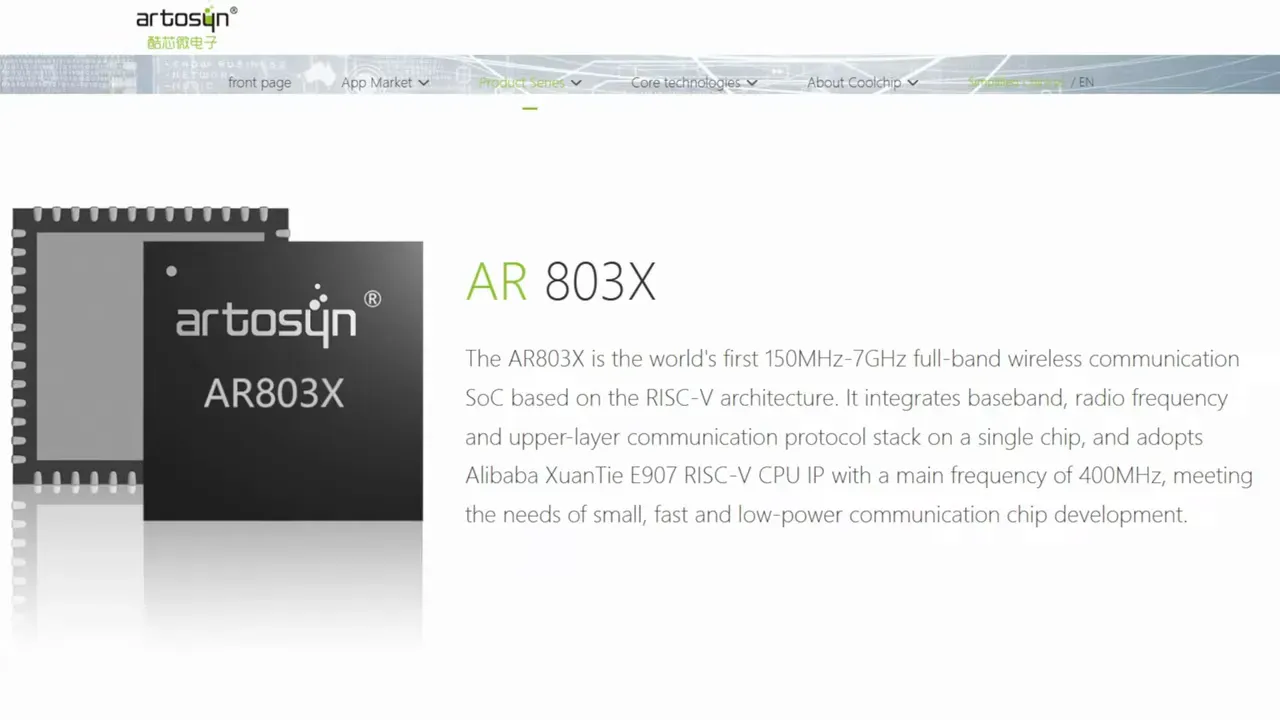
The AR-8030 already appears in consumer drones and now enters FpV drone gear with Caddx's Ascent VTX.
Products shipping or announced
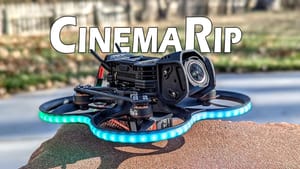
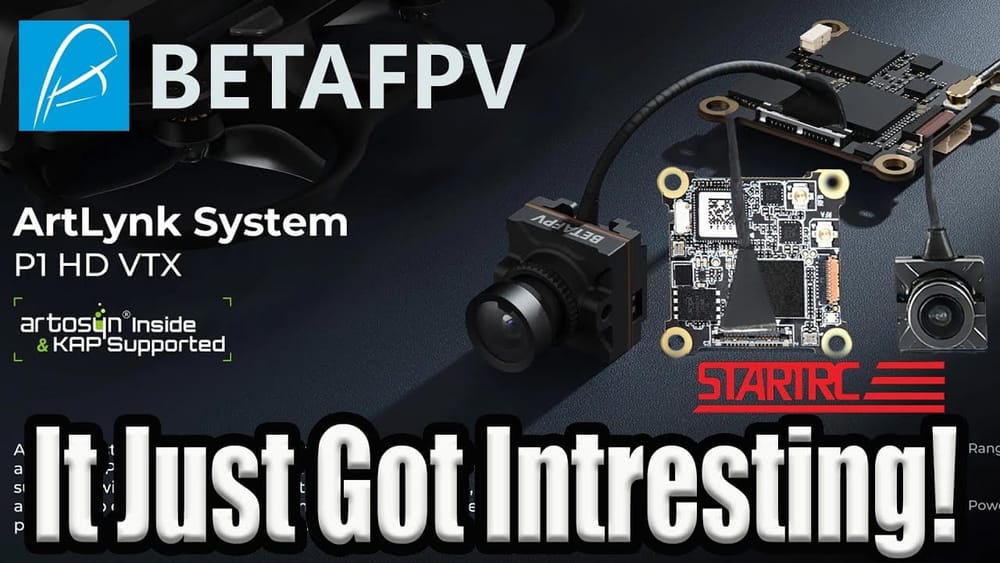
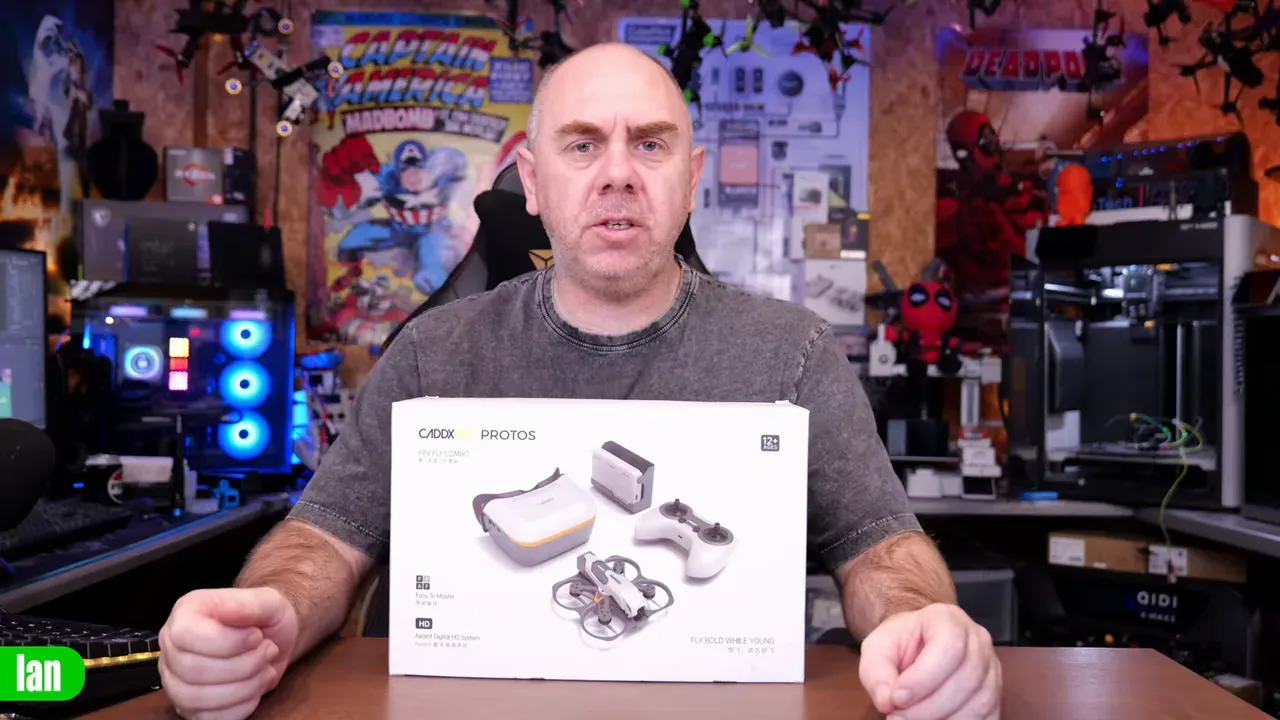
Caddx shipped the Protos/Ascent combo using AR-8030. BetaFPV openly brands ArtLink and advertises 1080p60, ~60ms latency and 200mW RF. StartRC's VT5 looks similar in board layout and spec in renders.
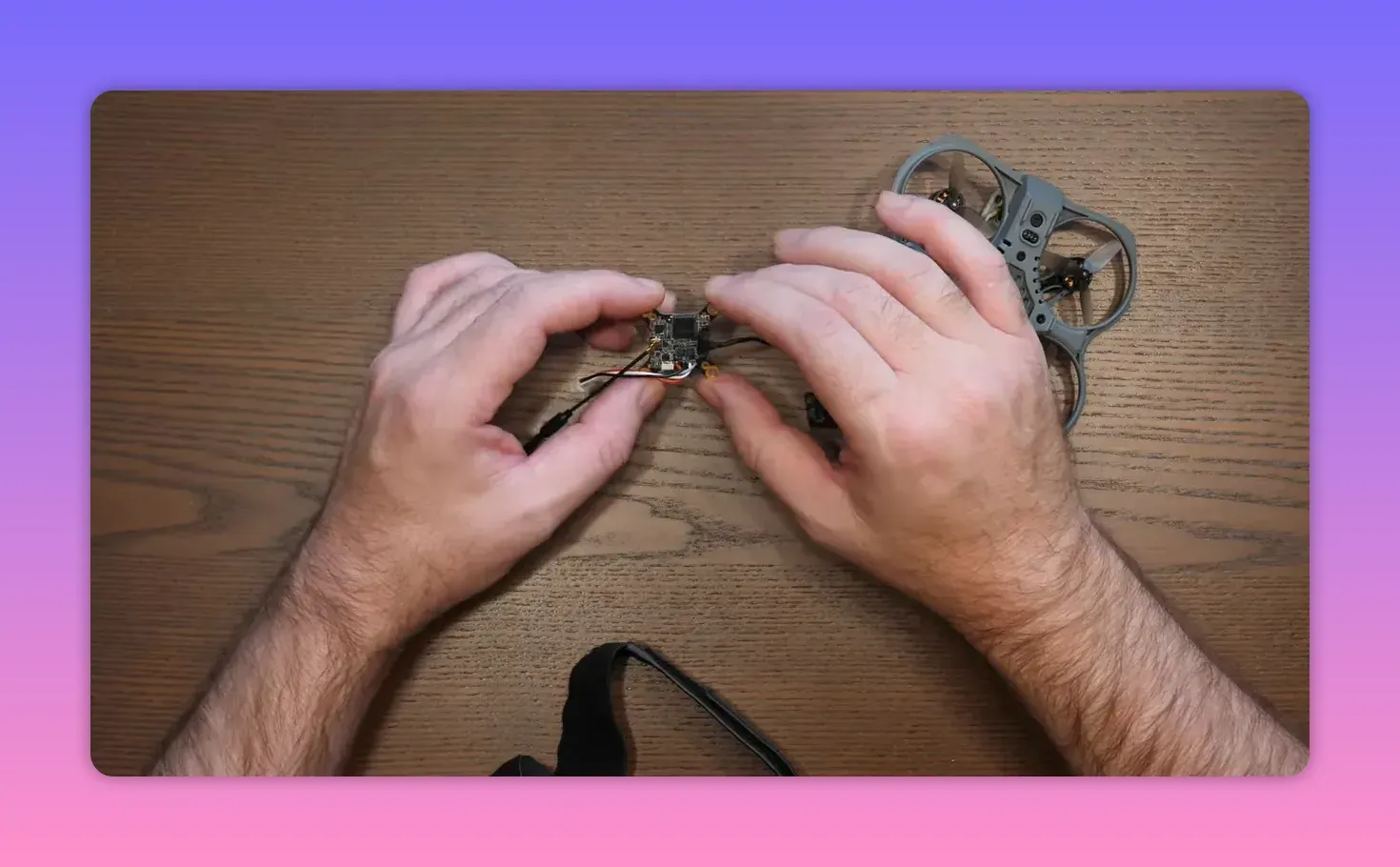
Hawkeye and other vendors might follow. BetaFPV is notable for putting Artosyn's name on the box—first time we've seen that in FpV drone marketing.
Smaller boards, cheaper entry
The new boards are physically smaller and lighter than prior Artosyn-based VTX boards. Caddx priced a VTX around $35 and goggles near $150. That pushes digital FpV closer to analog pricing.
Compatibility is still a mess
Same chipset doesn't equal cross-brand compatibility. Potensic Atom 2 uses similar silicon to Anti-Gravity A1, yet their goggles and remotes are not compatible. Expect more of the same until vendors agree on stack-level compatibility.
BetaFPV touts "CAP supported" and "open" marketing, but that isn't open source. It likely means a reference design or SDK arrangement—not a guaranteed plug-and-play ecosystem.
Why Artosyn might be doing this now
Artosyn once powered DJI Lightbridge. They pivoted to AI, then quietly refocused on RF and drones. OpenIPC—open firmware for cheap IP camera SOCs—popped up and showed a low-cost path to digital video links. That may have nudged Artosyn to reassert control.
OpenIPC plus WFBNG shows hobbyists can hack cheap Wi‑Fi SOCs into crude FpV drone links. Artosyn's answer: push more capable, still closed, but cheaper silicon into the mass market.
What this means for buyers and makers
Buyers get cheaper digital FpV options and more hardware choices. Makers get more reference boards to adapt. Neither group gets guaranteed cross-brand interoperability yet.
For those who want openness, OpenIPC and WFBNG remain viable but require DIY skills. For plug-and-play buyers, cheaper closed systems will likely win on price and convenience.
Caveat emptor
More vendors using the same chip doesn't equal more innovation. The market still rests on three core technologies: DJI's stack, HD0's stack and Artosyn-based stacks. This change redistributes product names, not fundamental tech diversity.
FAQs
What is the AR-8030 and why is it important for FpV drone users?
AR-8030 is Artosyn's next-gen RF and baseband SOC. It reduces size, power and cost while enabling 1080p60 video links common in new FpV drone kits.
Will Caddx, BetaFPV and StartRC systems be cross-compatible?
Not necessarily. Same chipset can run different stacks and configs. Expect vendor-specific firmware and partial compatibility until standards appear.
Does this kill OpenIPC and open-source efforts?
No. Lower prices reduce the urgency for cheap DIY links, but OpenIPC/WFBNG still attract hobbyists who want control and protocol freedom.
Takeaway box
Quick hits for skim readers:
- Artosyn's AR-8030 is becoming the common silicon in new FpV drone gear.
- Prices fell—Caddx VTX around $35, goggles near $150—digital entry got cheaper.
- Compatibility remains vendor-dependent; same chip ≠ universal compatibility.
- OpenIPC still matters for hackers; closed cheap gear matters for most buyers.
This article was based from the video Artosyn Taking Over Digital FPV - BetaFPV ArtLink - StartRC VT5 - Caddx Ascent - Antigravity A1