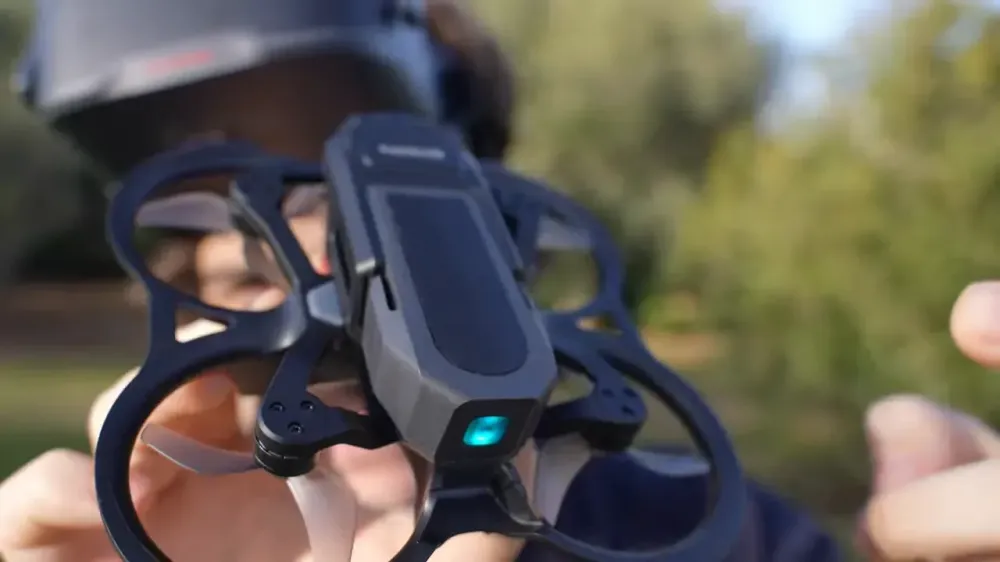
Rimzler unpacked an HD entry-level kit that does something neat. It runs ArtLink, a non-proprietary digital protocol from Artosyn.
Affordable digital FPV finally arrives outside DJI and Caddx. That alone matters for anyone who wants better image without vendor lock.
TL;DR
- What it is: BetaFPV Aquila20 HD kit with ArtLink 1080p60 digital link.
- Good: Crisp image, stable assisted flight, comfortable goggles, cheap price.
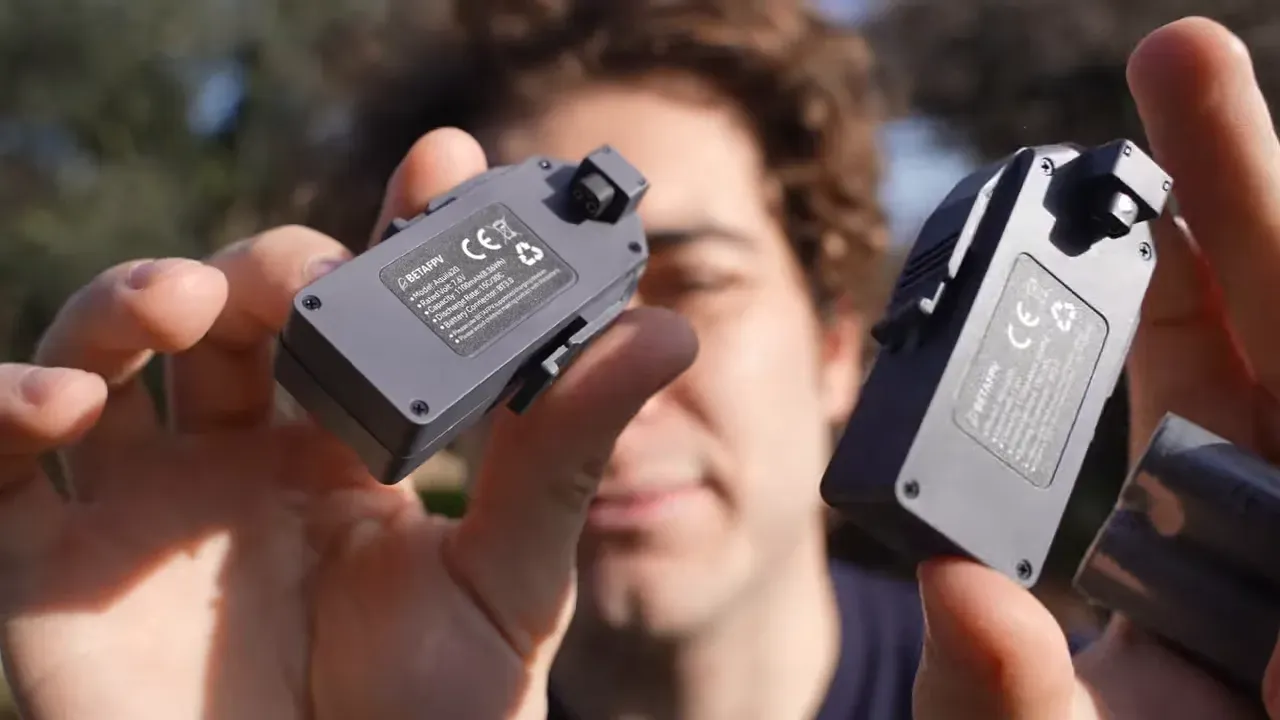
- Bad: Sensors unreliable above a few metres, heavy battery hurts agility, no onboard DVR on drone.
- Bottom line: Ideal trainer if you want digital clarity and an open ecosystem.
What’s in the box
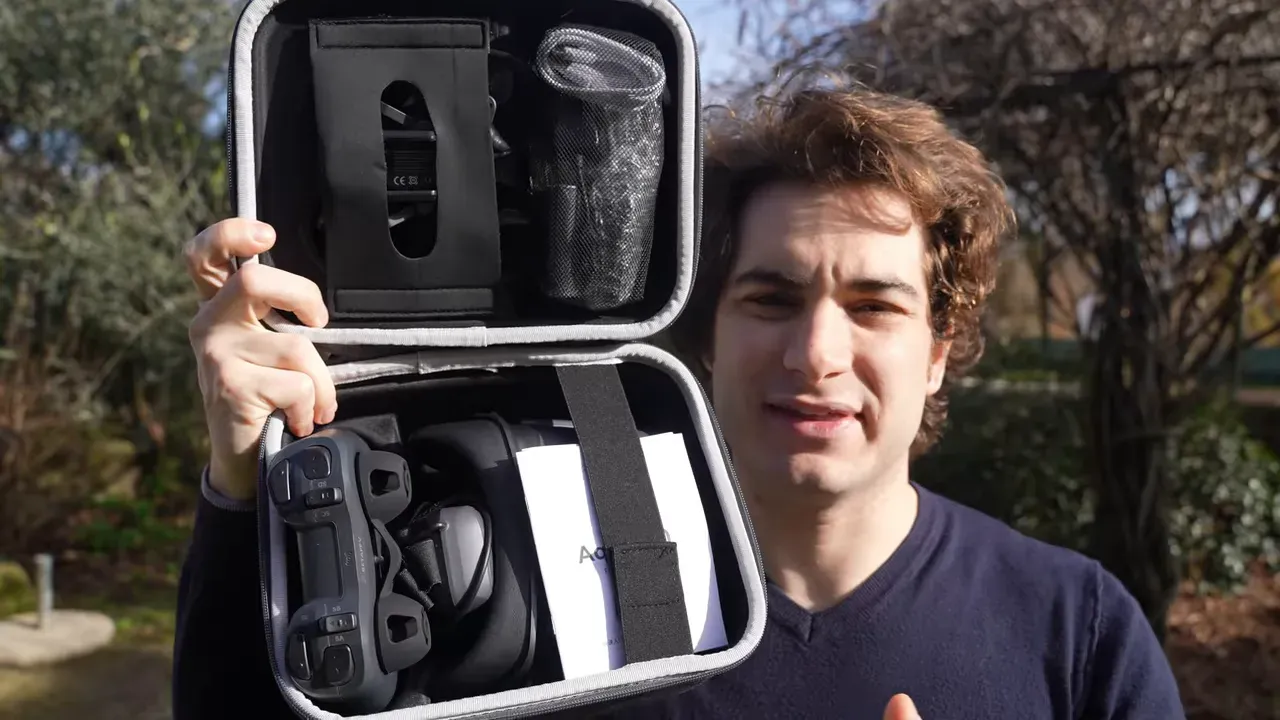
The kit ships with the Aquila20 HD quad, Light Radio 4 SC, VR04 HD goggles, two 2S 1100mAh drone batteries, and two 18650 cells for the goggles.

Extras include spare props, a USB-C cable, a small multi-function charger with a screen, tools, and a computer adapter.
Drone hardware and sensors
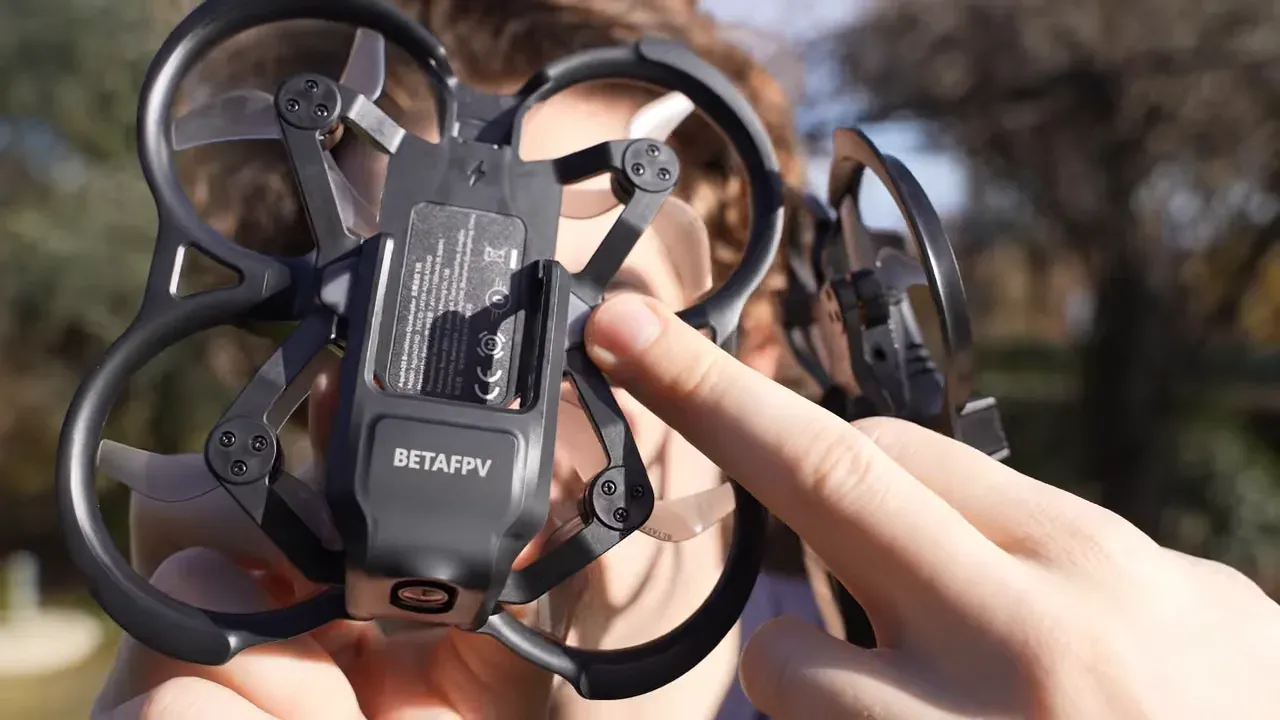
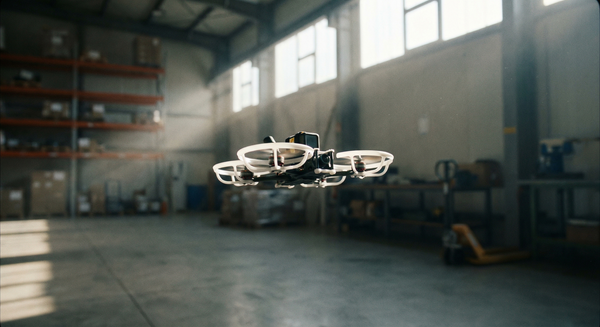
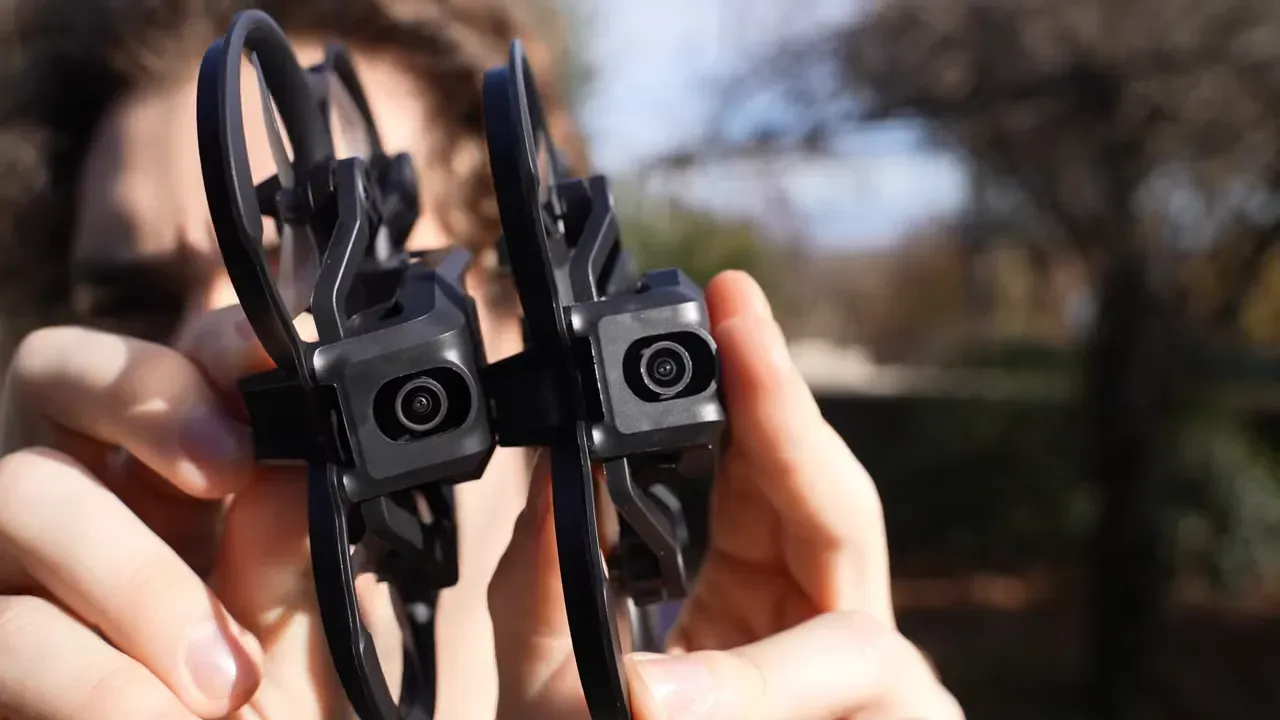
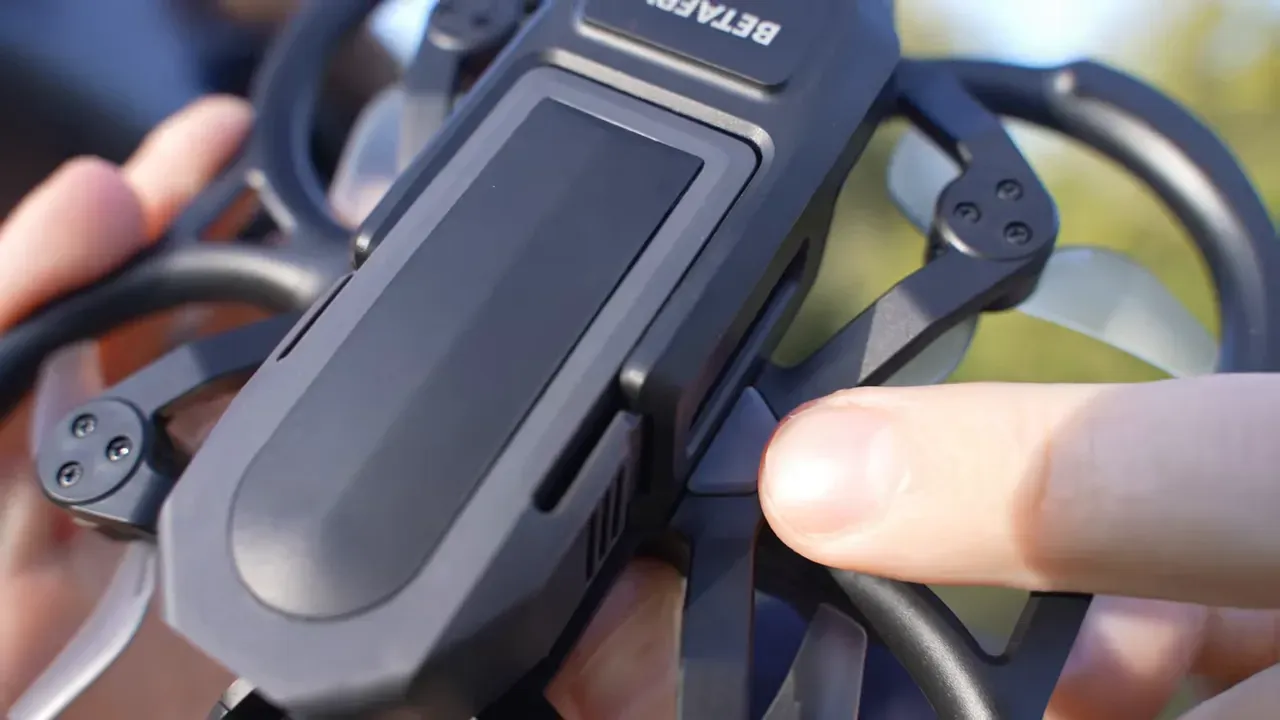
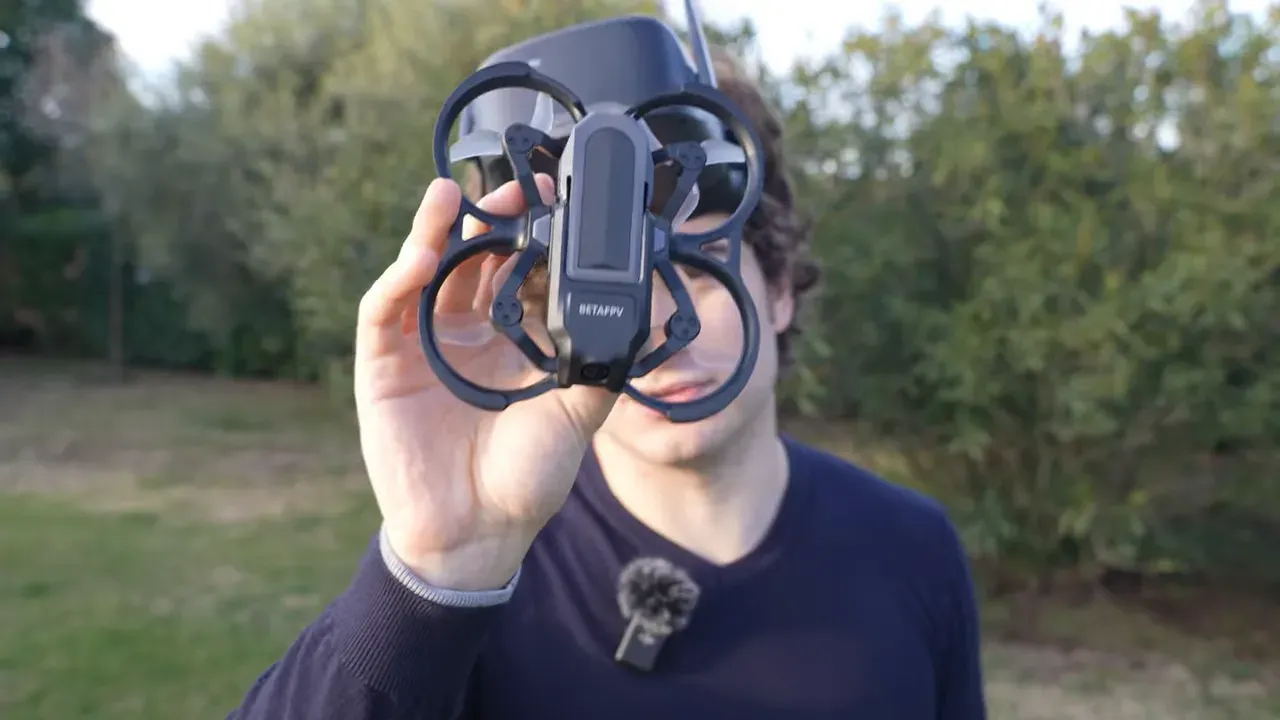
The HD frame copies the analog Aquila20 closely. Weight rises from 67g to 71g because of added HD electronics.
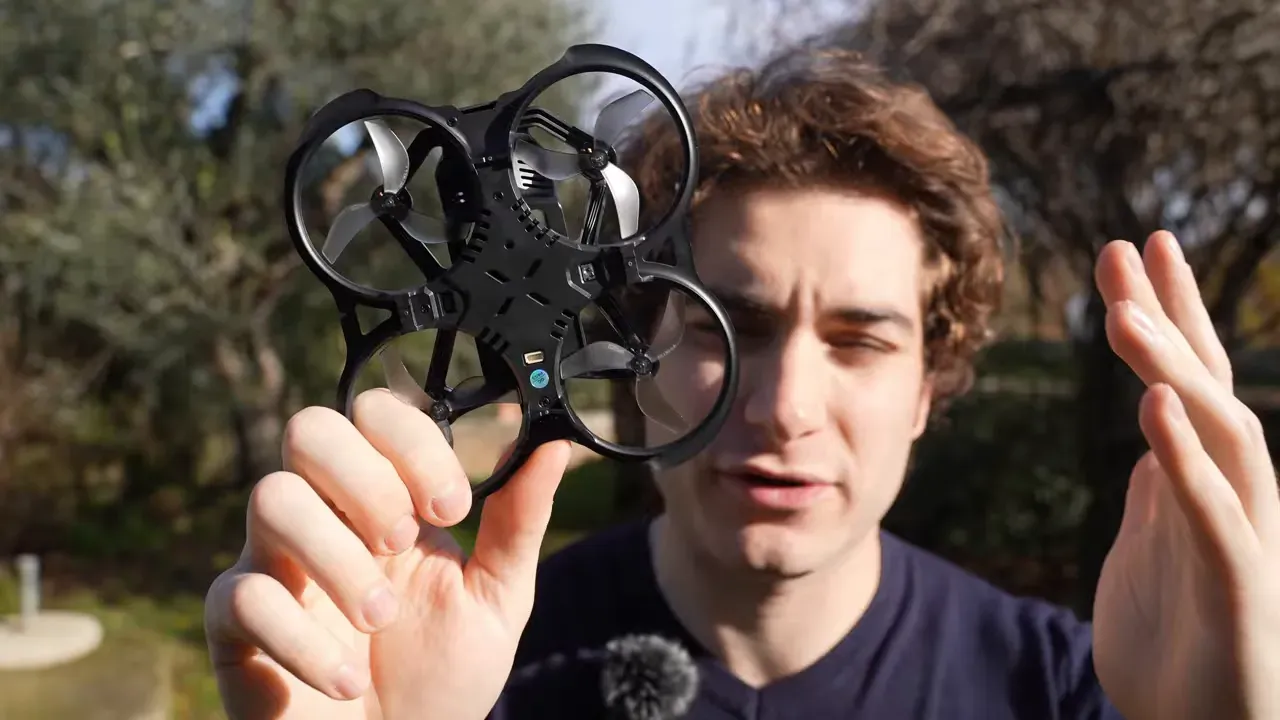
Bottom sensors hold altitude and position low to the ground. That makes the drone hover hands-free for beginners.

Those same sensors get twitchy above about 3 metres. Above that, expect drift and odd behaviour. Keep training flights low.
Radio: Light Radio 4 SC

The controller uses ExpressLRS at 2.4GHz. It runs at 100mW and has a built-in 2000mAh battery for roughly eight hours.
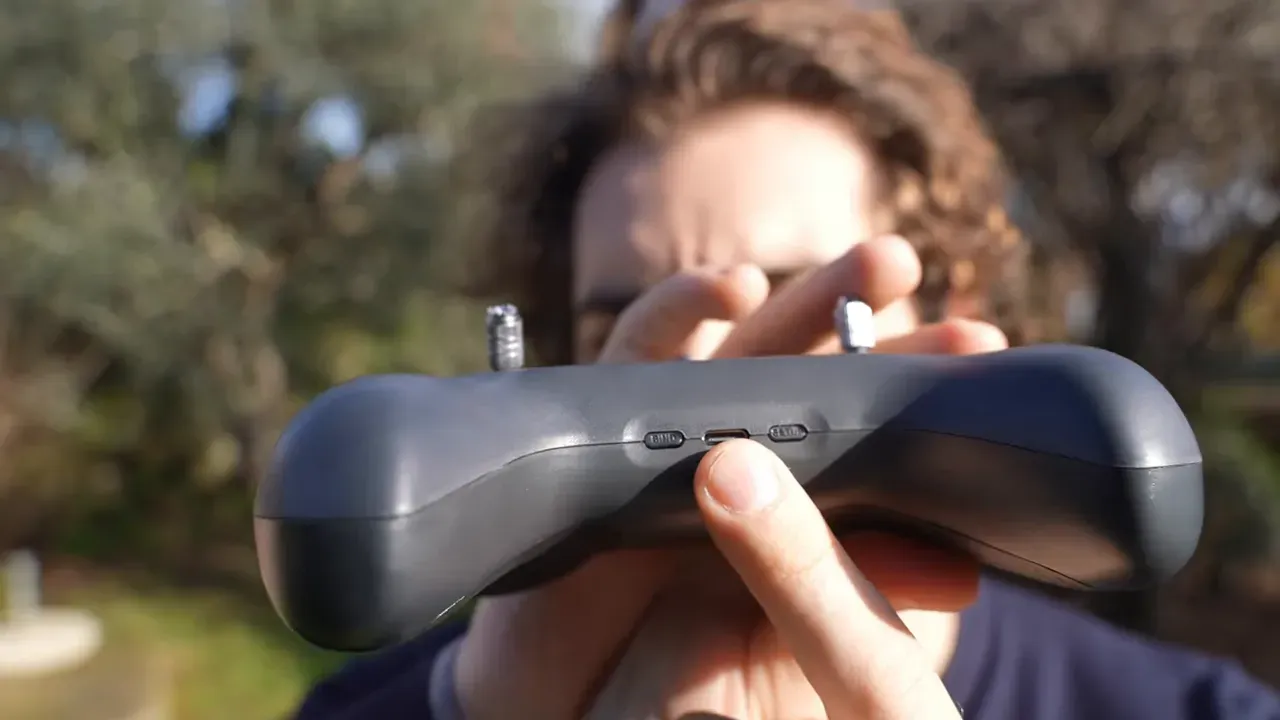
Gimbals feel solid for an entry radio. It supports simulator Bluetooth when you press bind while powering up. That makes casual practice painless.
Goggles: VR04 HD

The VR04 HD goggles mimic BetaFPV’s analog shell but gain a proper battery pack in the rear strap. They take two 18650 cells.

The build quality surprises. Padding and a neat cable hook beat some higher-priced headsets. Menu is modern and responsive.
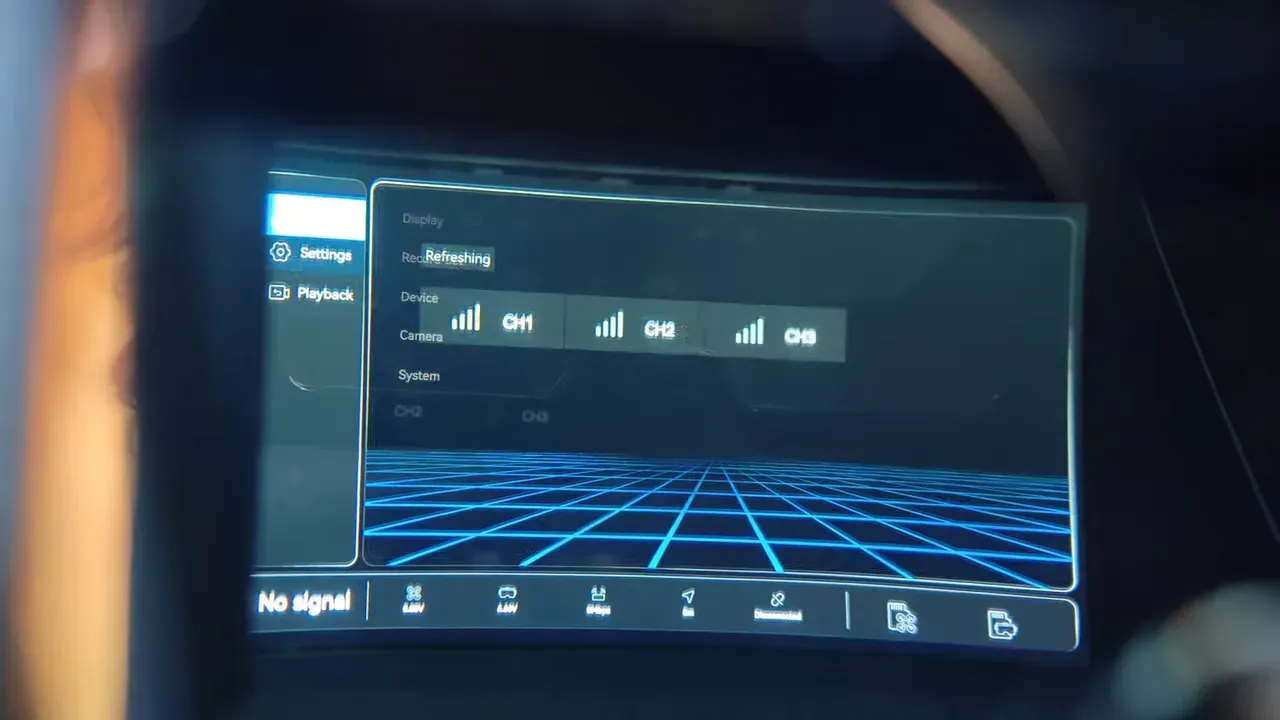
Goggles record DVR to an SD card. The drone itself carries no DVR or onboard storage, so recorded footage comes from the headset unless standalone modules arrive later.

ArtLink: the open alternative
ArtLink is an Artosyn protocol that multiple vendors can adopt. It promises cross-vendor compatibility rather than a single-brand ecosystem.

If the industry embraces ArtLink, expect more VTX and goggle options and lower prices. Embedded modules from other vendors should follow.
Flight impressions — stabilized and angle modes
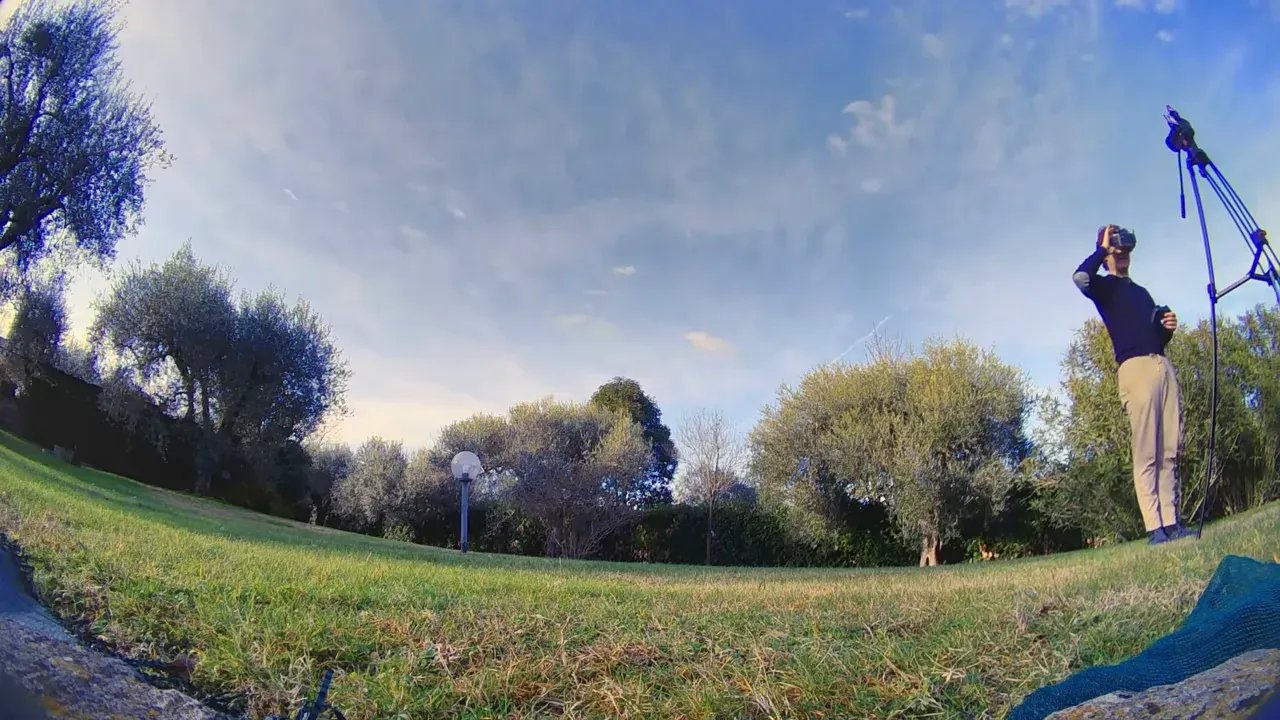
In beginner mode the Aquila20 holds position and hovers without throttle input. That stabilised hover is forgiving for new pilots.
Sport mode (angle) feels controllable. It’s not race-tuned, but it builds throttle skill and confidence before switching to manual.

Image quality and latency
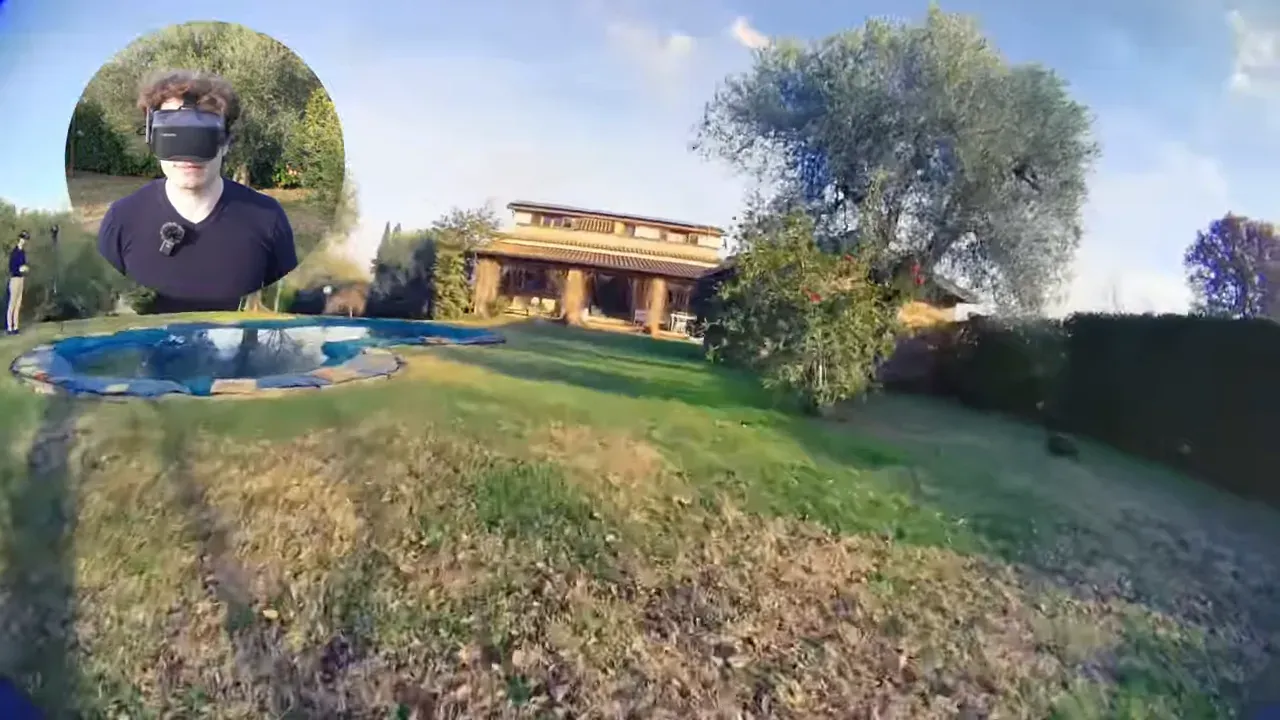
ArtLink transmits 1080p at 60 frames per second. Rimzler measured about 60ms glass-to-glass latency — acceptable for a trainer.
Bitrate peaks at about 24Mbps. The picture stays smooth near the operator and degrades behind obstacles. It outperforms entry analog setups.
Field test: chicken chase and signal penetration
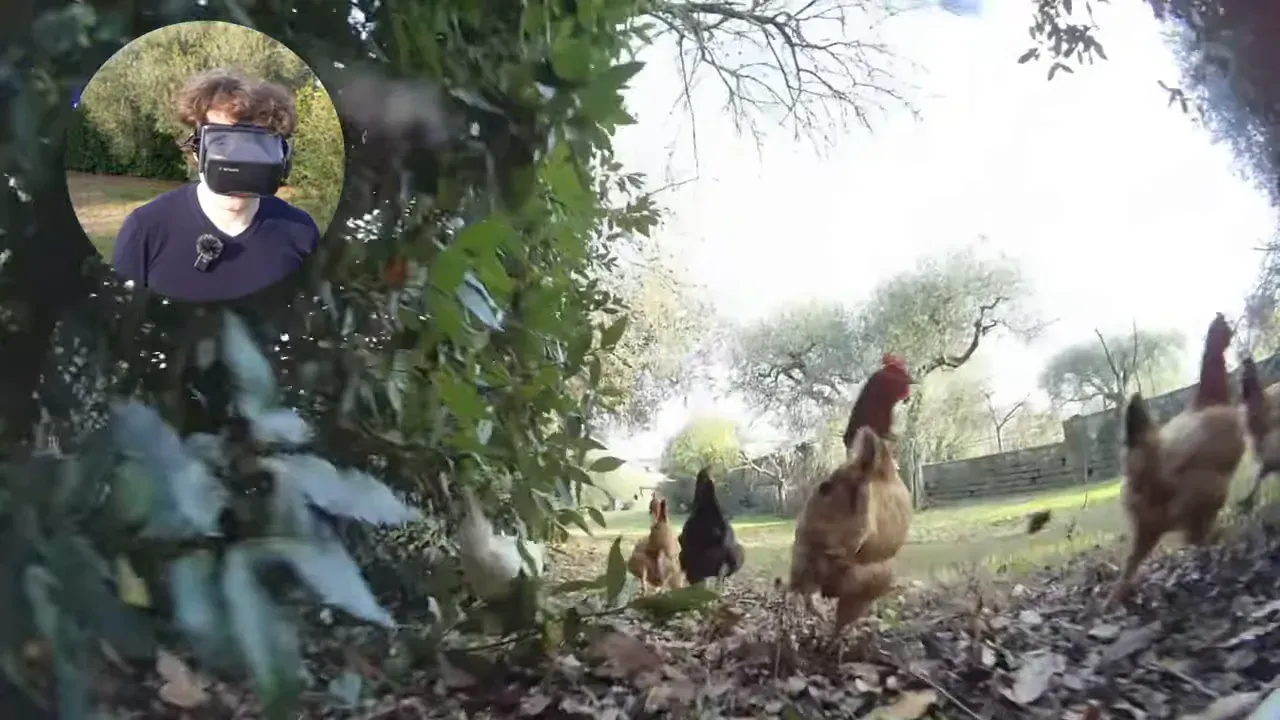
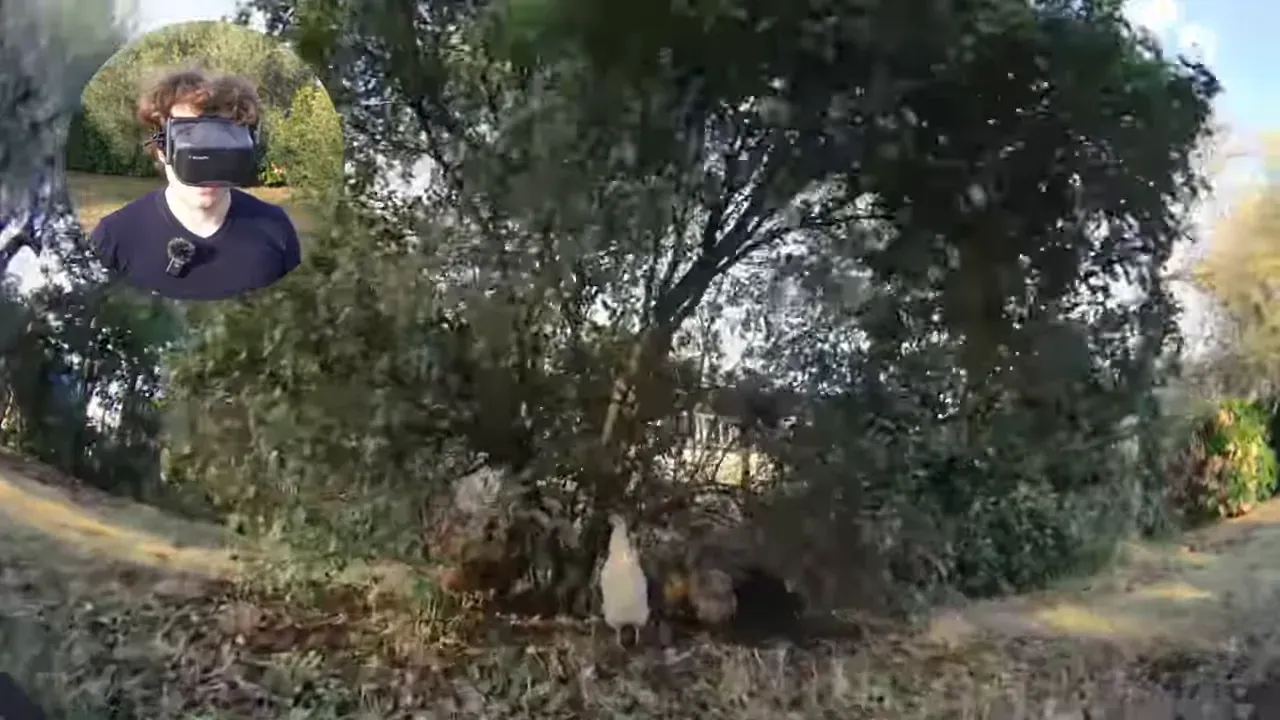
Chasing chickens demonstrated the practical advantage: clearer, more usable live feed. The analog Aquila struggled in the same spot.
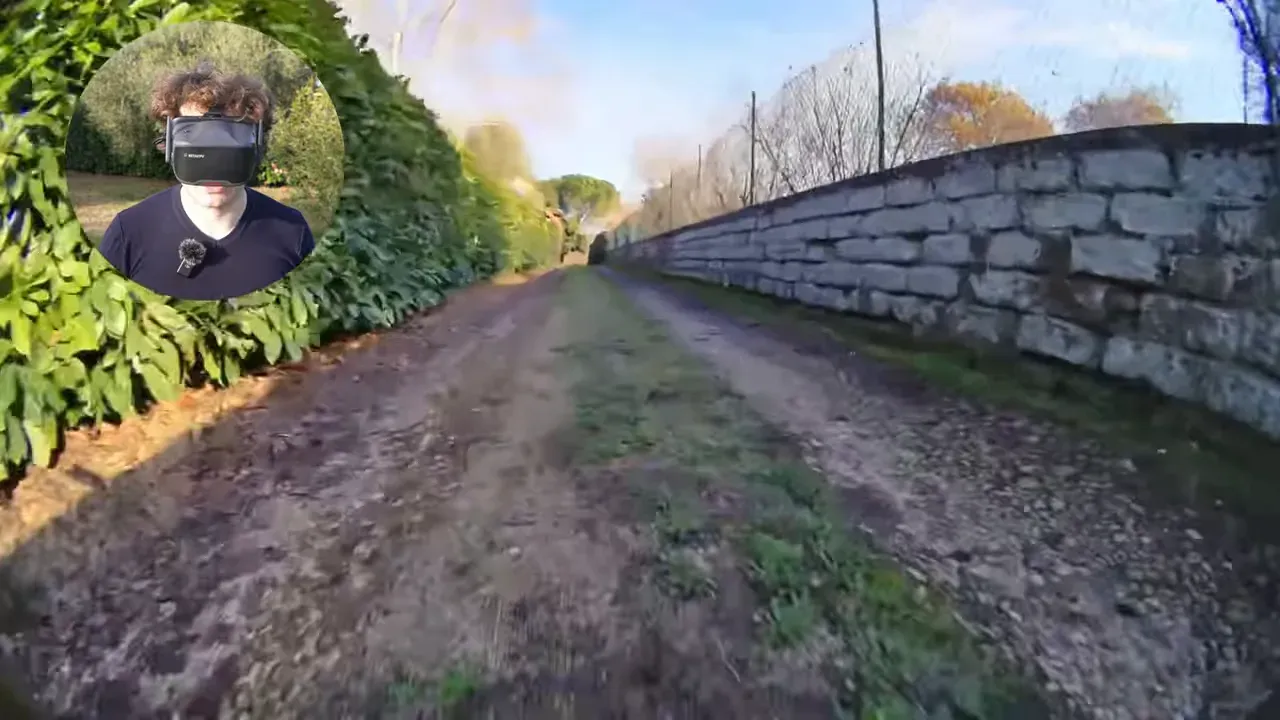
ArtLink held up better around structures than a comparable Caddx Protos in Rimzler’s runs. Occasional blur appears at range, but freezes are rare.
Manual and acro mode
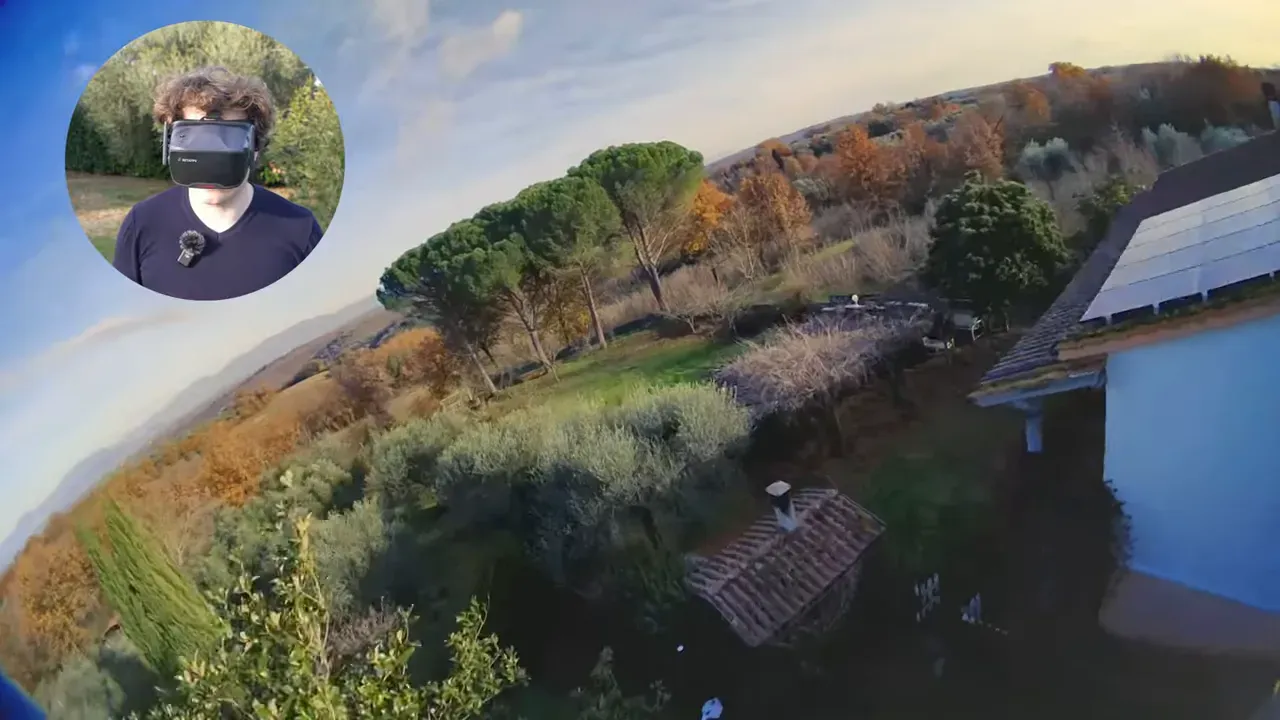
Manual mode shows limits. The Aquila20 is heavy and mildly under-tuned for acro. Expect sluggish flips and a short window before low-voltage protection kicks in.
Battery protection stops deep discharge. It also forces a brief restart after disarm. That prevents ruined packs but interrupts aggressive practice.
Comparison: Caddx Protos and DJI
Caddx Protos uses proprietary links that lock users into Caddx hardware. Protos also showed more hiccups and artifacting in Rimzler’s tests.
DJI systems remain more polished and produce better recordings. But they cost more and can raise regulatory flags in some regions.
Verdict and buying advice
The Aquila20 HD fits a clear niche. It upgrades image quality over analog while keeping cost low. It teaches the basics with assisted hover and angle modes.
Buy it if you want a cheap digital trainer and a path into an open ecosystem. Choose analog if you need maximum ruggedness and absolute simplicity.
Expect an entry kit price near $350 at retail. Standalone ArtLink modules should drop the price further for custom builds.
Does the Aquila20 HD record video onboard?
The drone has no SD slot or onboard DVR. Recording comes from the VR04 goggles’ DVR or from future standalone ArtLink modules.
How long does a battery last?
Flying slowly yields around 10 minutes per 1100mAh 2S battery. Aggressive flying reduces that time significantly.
Is the Light Radio future-proof?
Yes. It uses ExpressLRS 2.4GHz, which supports many existing builds. It runs firmware updates via USB-C.
Are the sensors reliable for beginners?
The bottom sensors work well under three metres. They become erratic higher up, so beginners should keep flights low until confident.
Takeaway
- ArtLink brings 1080p digital to budget FPV — better image, not DJI polish.
- Aquila20 HD trains hovering and throttle control — keep flights under three metres for sensor reliability.
- Goggles record DVR; drone lacks onboard storage — plan footage accordingly.
- Good buy for newcomers who prefer crisp video and avoid vendor lock.
This article was based from the video BetaFPV now makes Digital HD Drones! Aquila20 HD