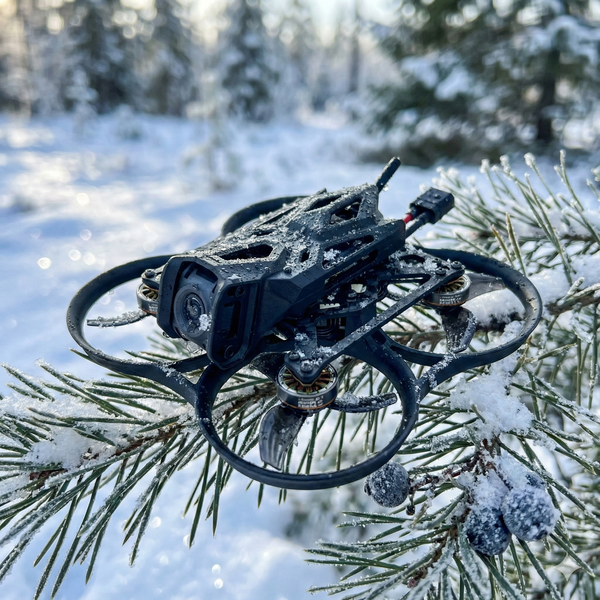
This short-range micro quad packs two useful traits: compact mass and an honest flight tune. Nick Burns tests the BetaFPV Pavo20 Pro II and reports a nimble whoop-class flyer that resists the dreaded zero-throttle wobble.
Quick verdict
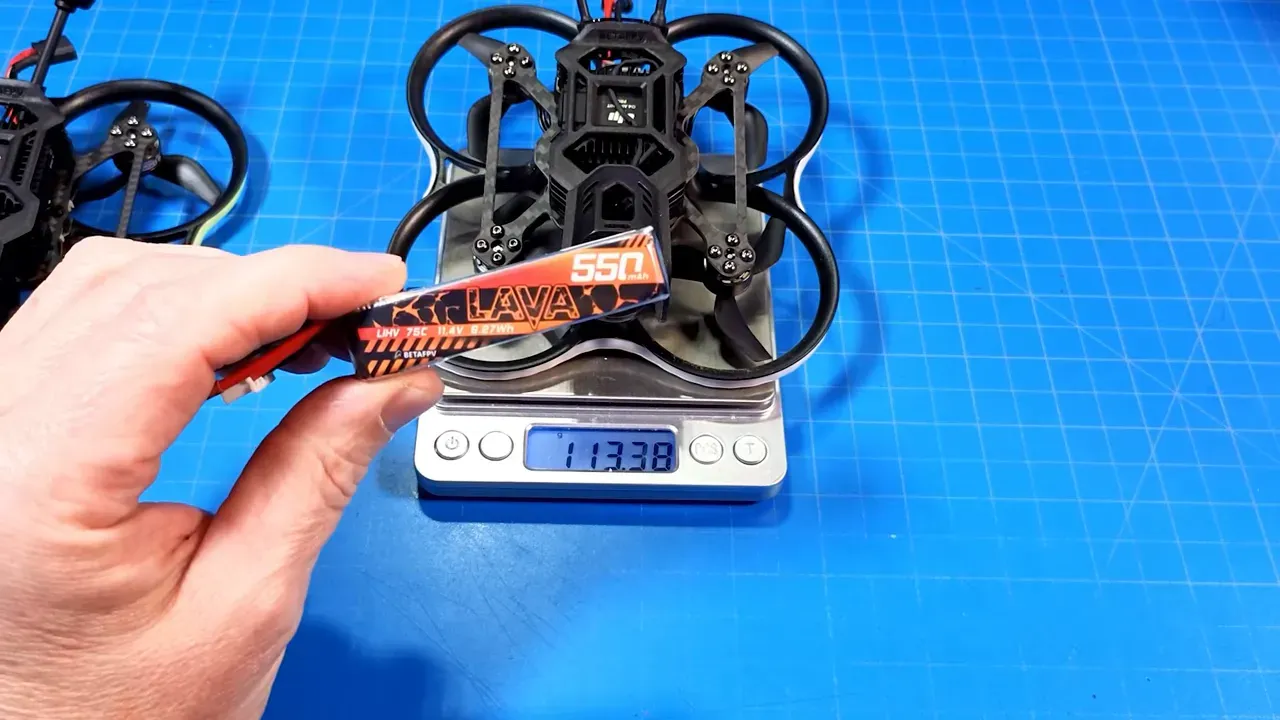
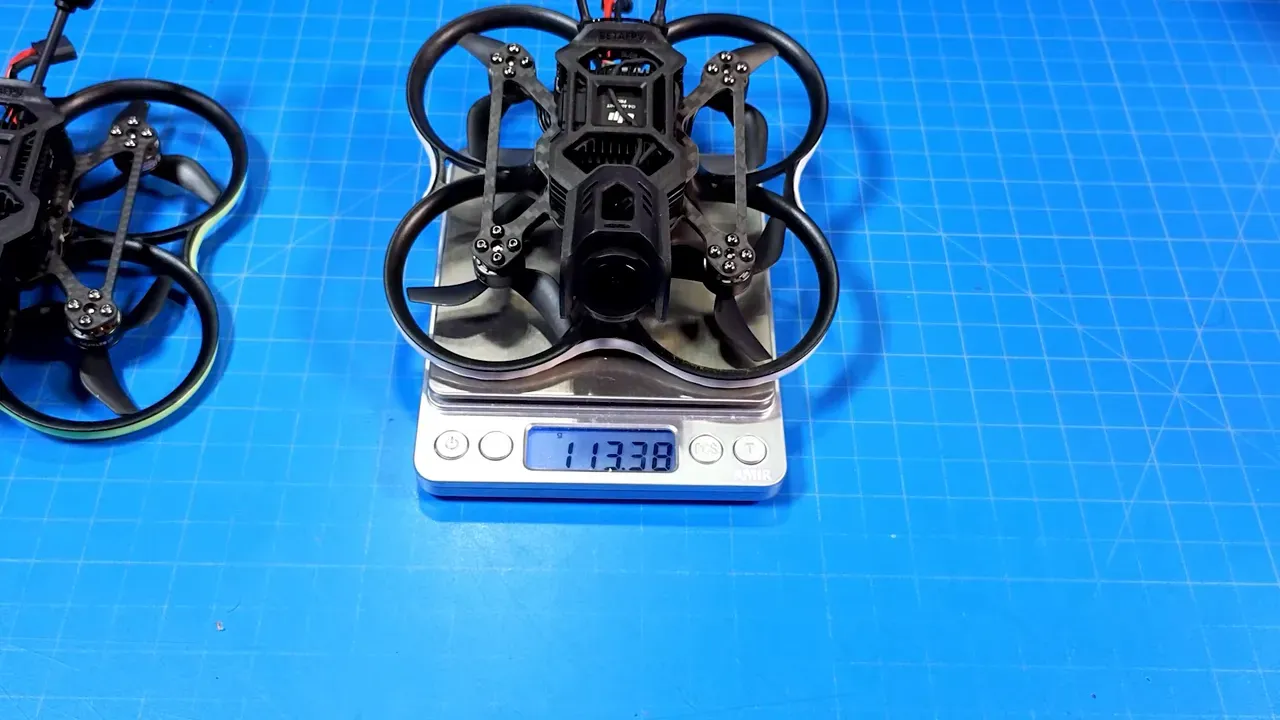
The Pavo20 Pro II adds modest hardware tweaks rather than a full rethink. It weighs 113.38 grams stock and about 155.86 grams with the recommended Beta Lava 550 3S pack. The changes matter mostly to people swapping cameras or chasing lighter builds.
What changed from the original
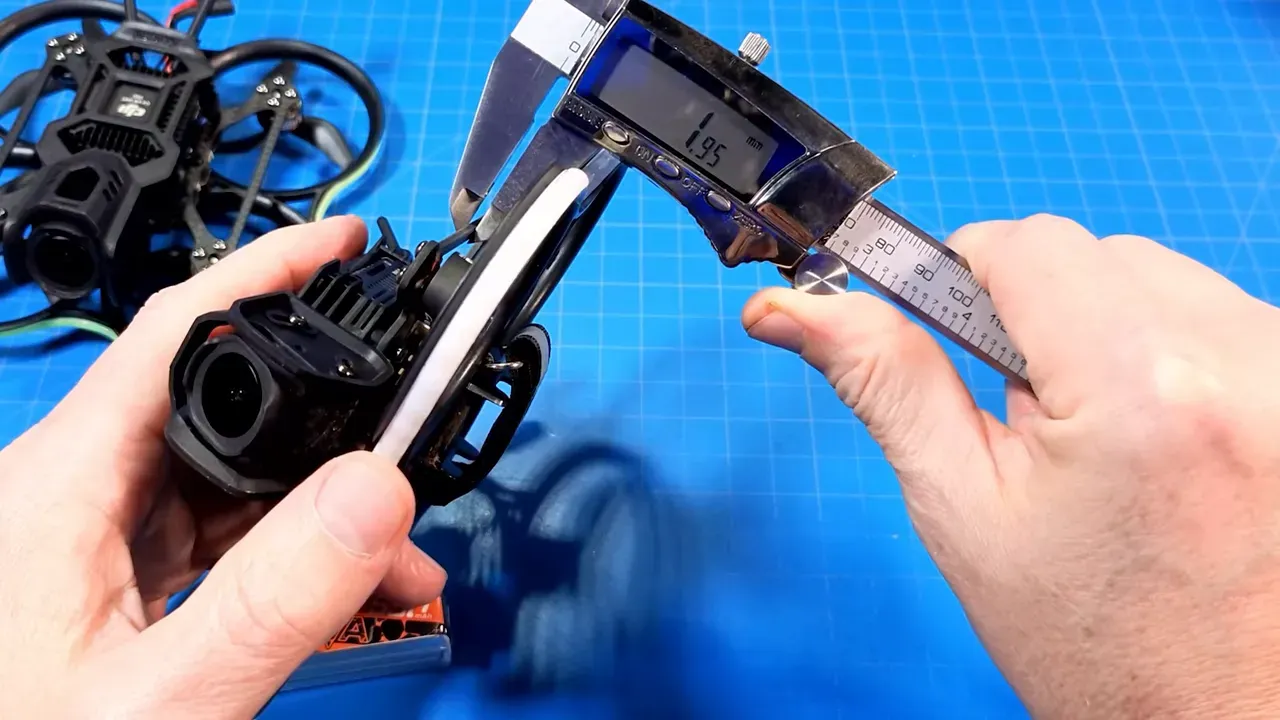
Carbon plates stayed 2mm thick. BetaFPV kept the same motor KV and flight controller basics. The headline updates are LEDs, a daughter board for the lights, dual antenna options, and additional camera/VTX mounting brackets for O4 Pro and lighter alternatives.
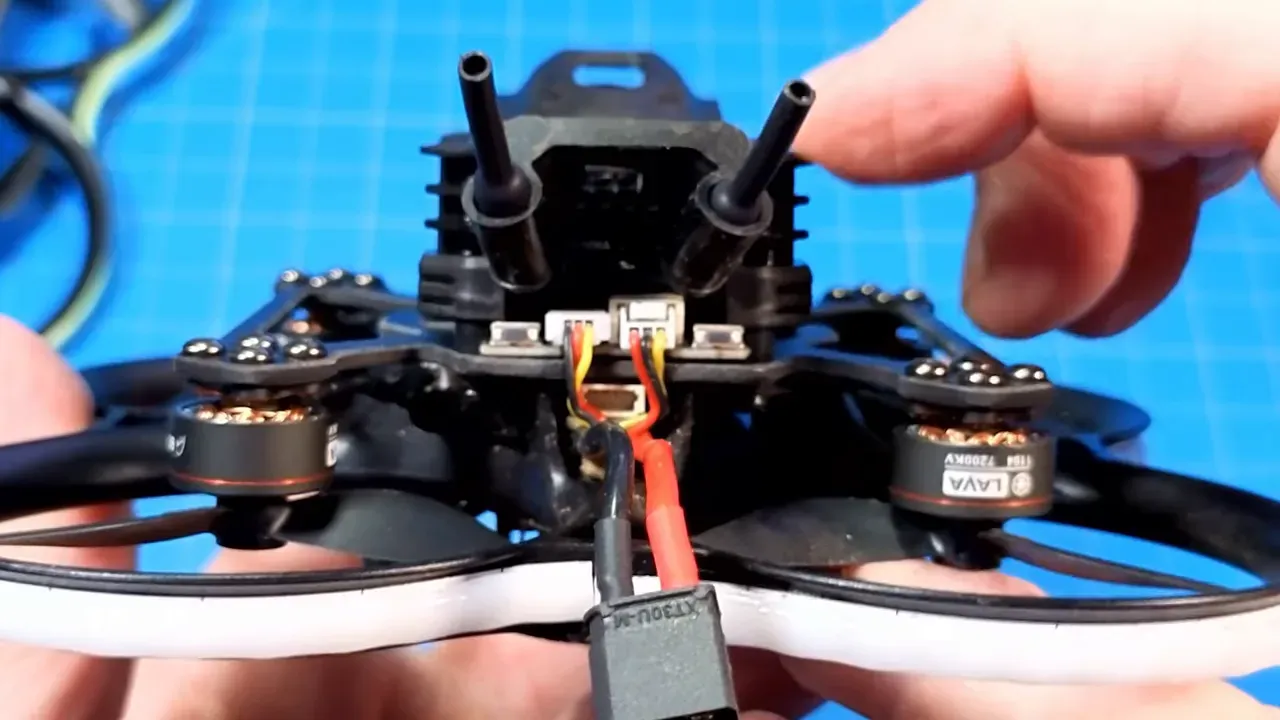
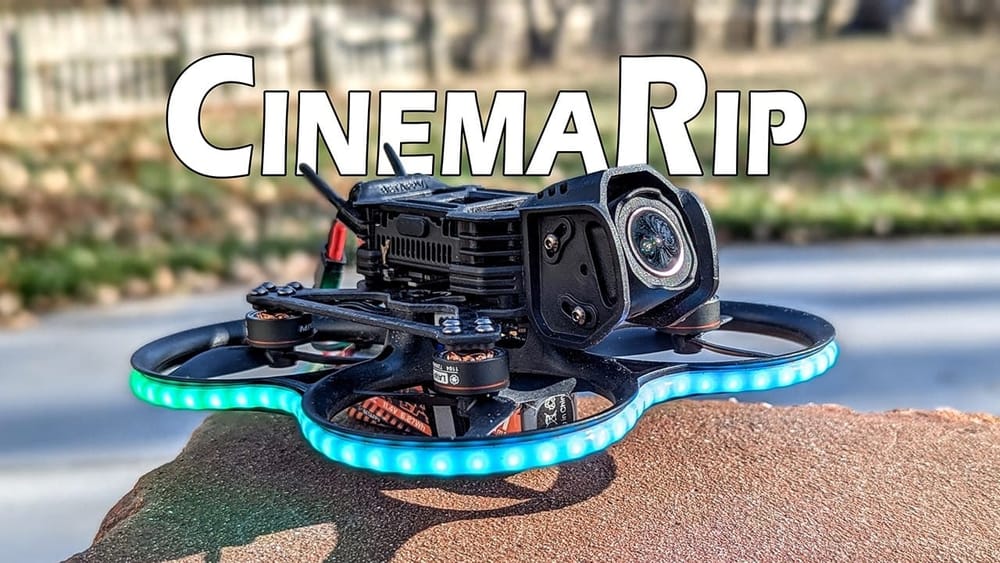
The RGB LEDs sit on a small daughter board tucked between the camera post and the mount. That keeps the lights bright and cycling colours, but it changes how the stack and wiring sit under the canopy.
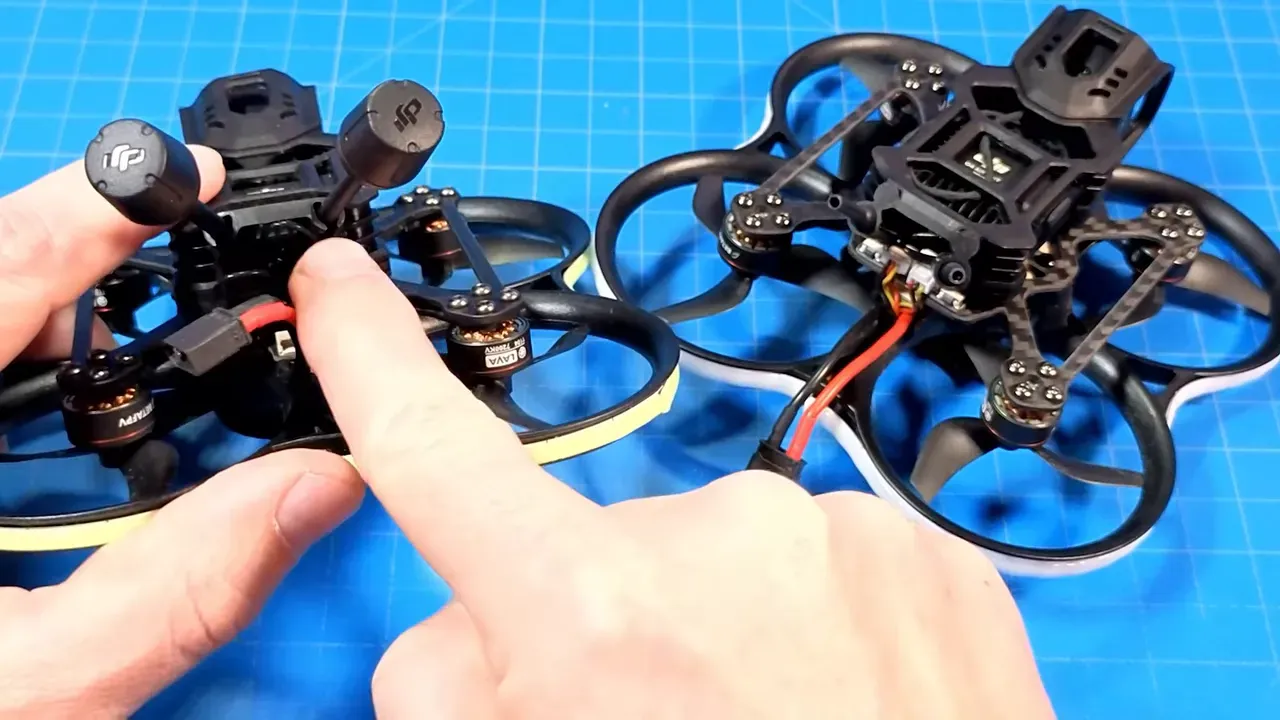
Antenna mounting now offers two approaches: traditional exposed antennas or flexible rubber-fed micro antennas. The traditional pair delivers slightly better reception in difficult environments; the micro setup trims milligrams and keeps the frame tidy.
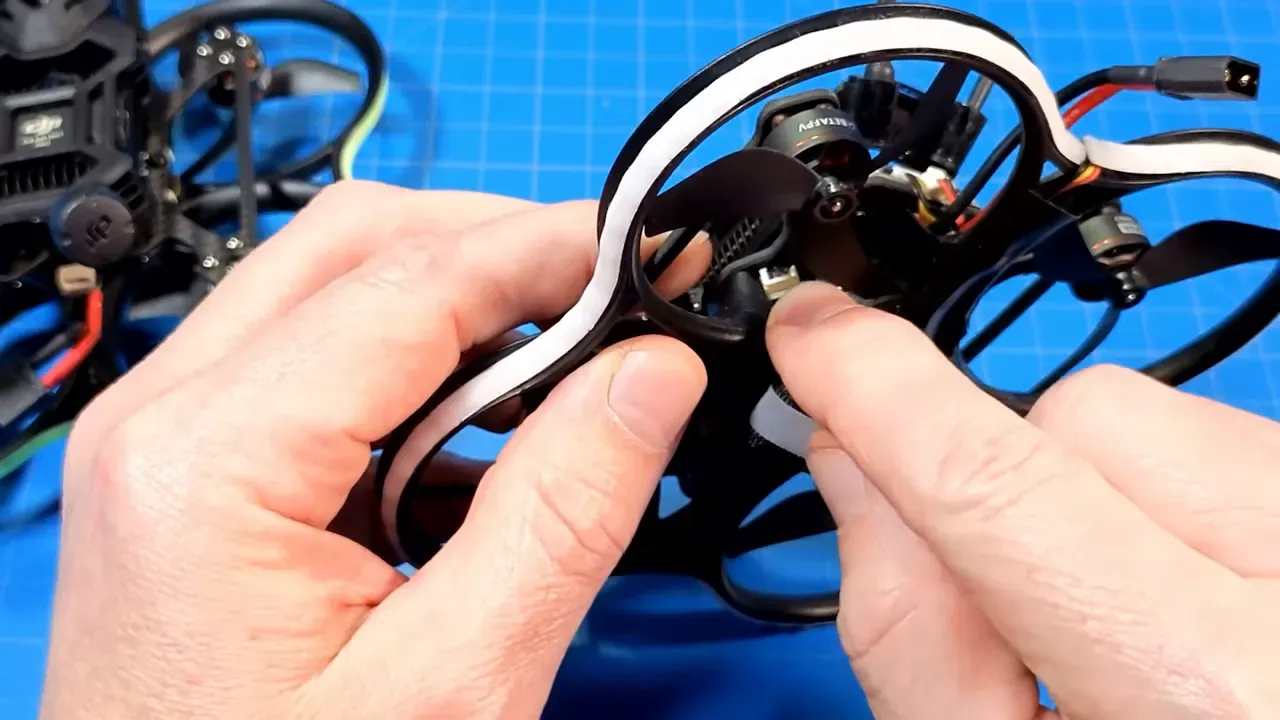
Motor swaps are easier this time. Each motor plugs into a connector on the board—no de-soldering required. That speeds repairs and lowers the barrier for field fixes.
Flight impressions
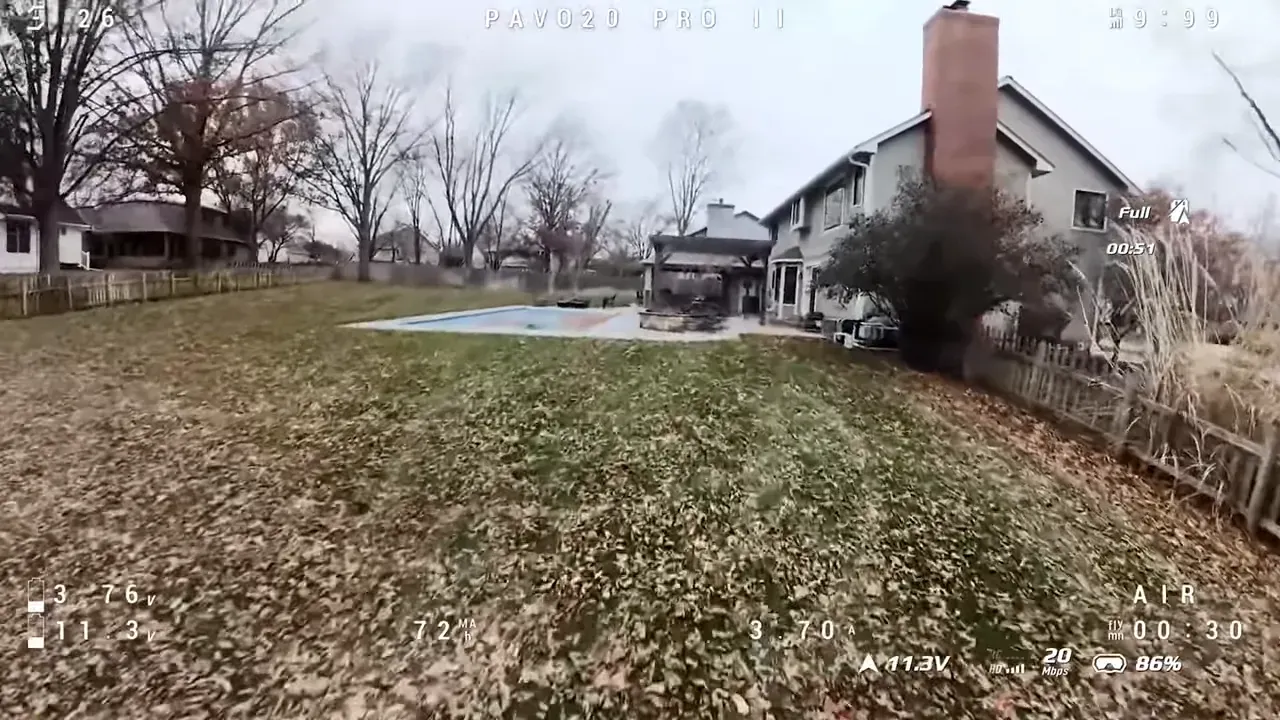
The most interesting result is the PID tune. BetaFPV applied a conservative, stable profile that avoids zero-throttle wobble. Punch-outs stayed crisp; camera shake came from momentum and not a loose tune.
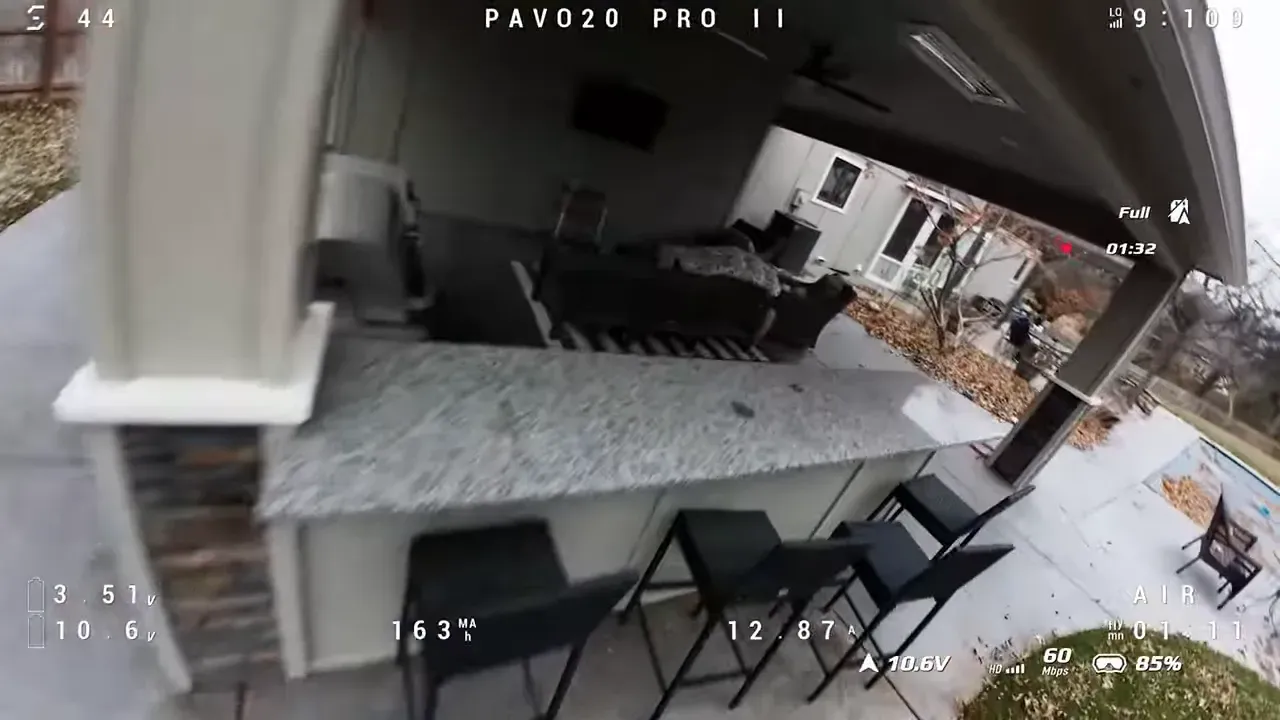
The reviewer prefers a faster, freestyle-oriented style to expose tuning faults. With the Beta Lava 550 3S the Pavo20 Pro II flew predictably and allowed tight passes under obstacles without the quad shivering at idle.
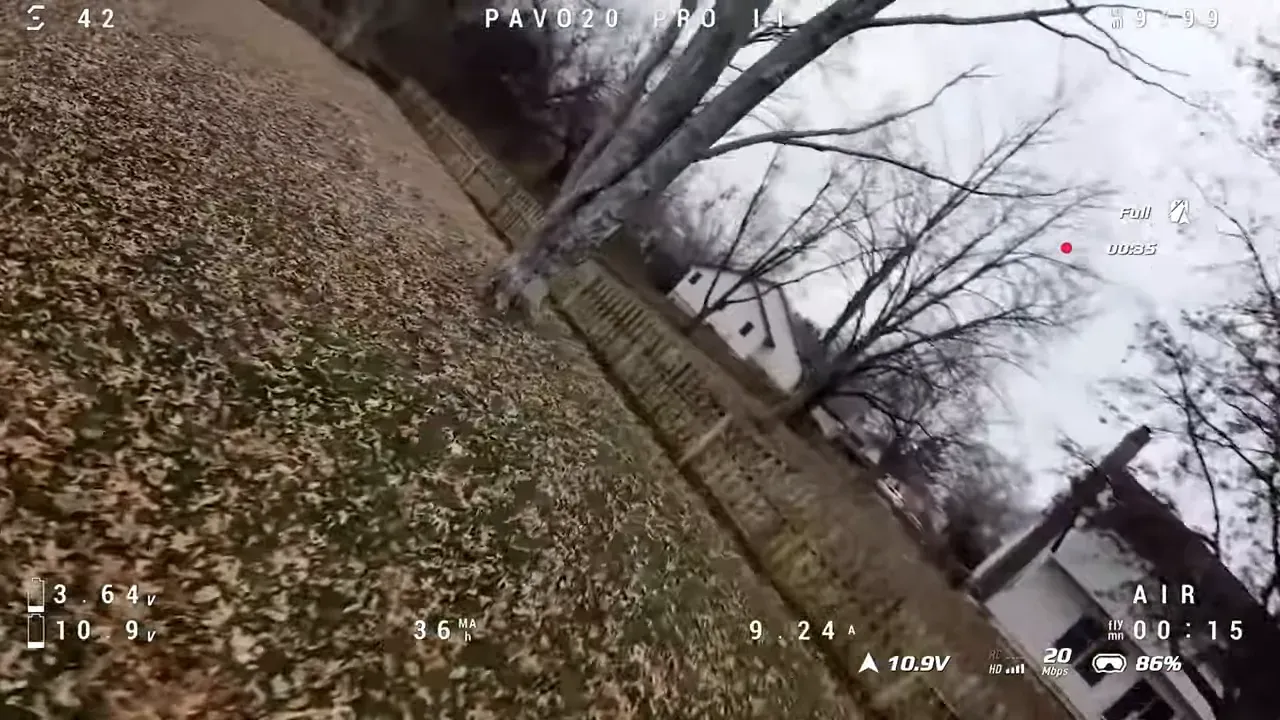
Test conditions were cool and breezy—about 41 degrees Fahrenheit and roughly 9 to 14 mph winds. That added some turbulence to manoeuvres but still left room to sample handling and punch power.
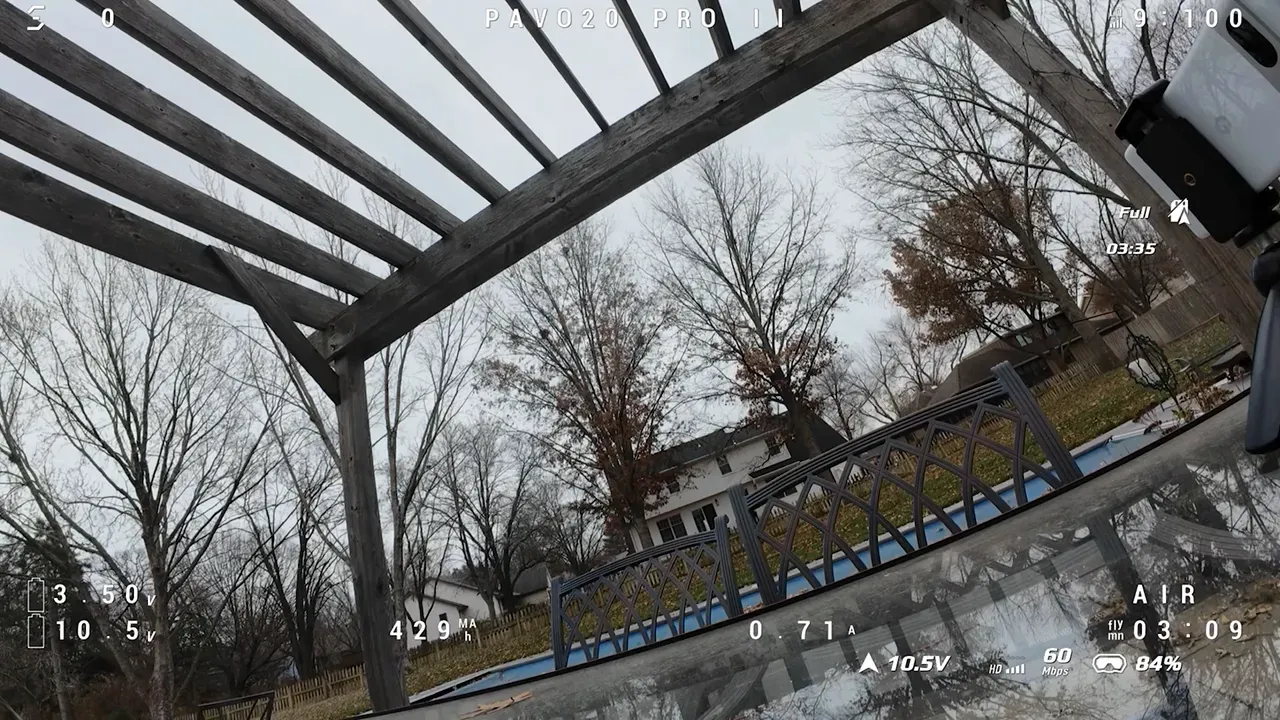
Flight duration on the test pack ended near 3:10, landing at about 3.51 volts per cell average. Those numbers match expectations for a 550mAh 3S in a sprint-style flight profile.
Practical build and setup notes
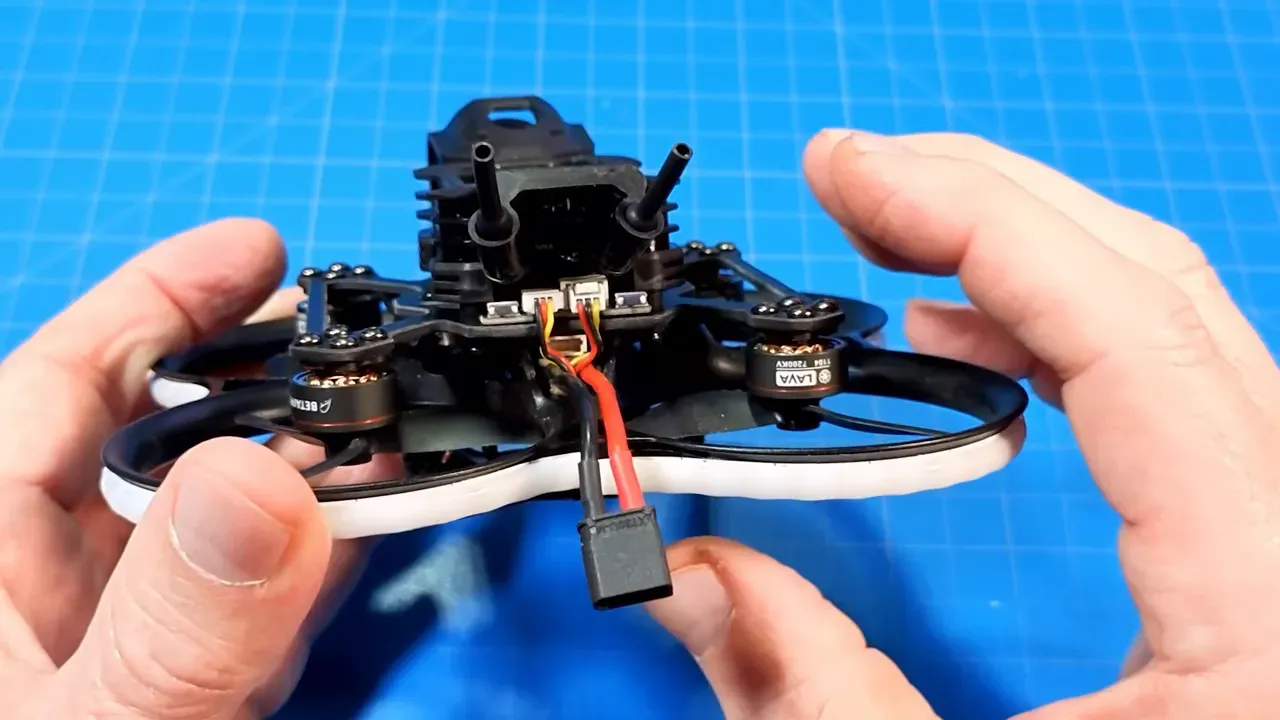
The daughter board layout introduces a minor annoyance: wires can block the USB port. A bit of tape and careful routing fixed the interference on the reviewer’s sample. Expect to tidy the wiring during setup.
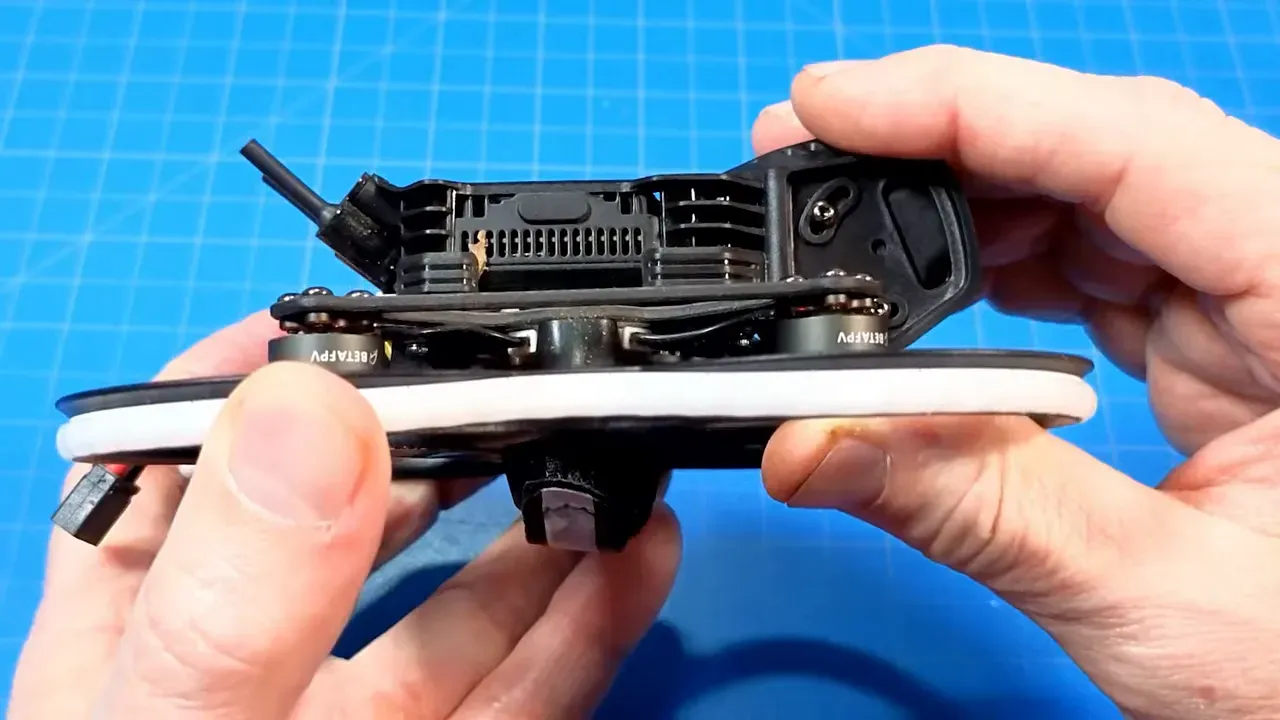
The camera sits on a rubber-damped mount with screw heads that seat neatly. The mount compresses slightly over the daughter board, so the camera does not float free—but that means the LED board takes some of the load.
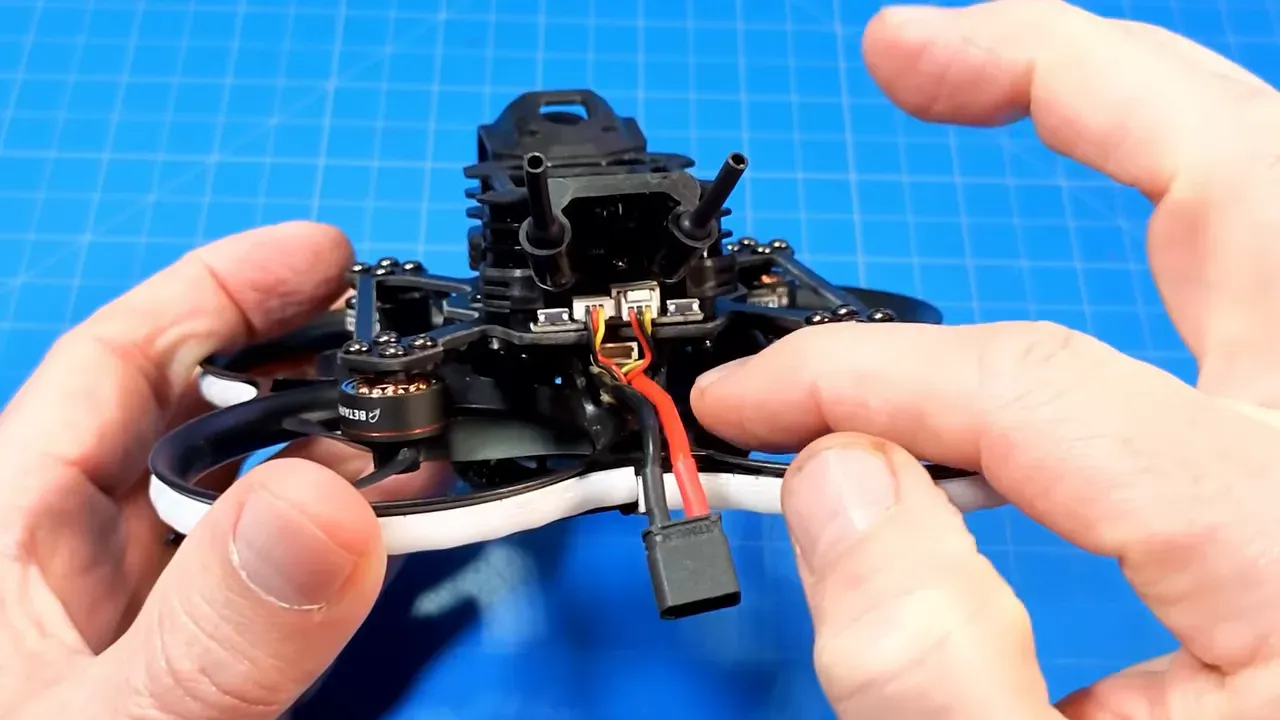
That leads to the biggest hardware concern. In a hard crash the daughter board could get crushed between the mount and frame. The reviewer flagged this as a potential weak point; riders who crash a lot should consider protective reinforcement.
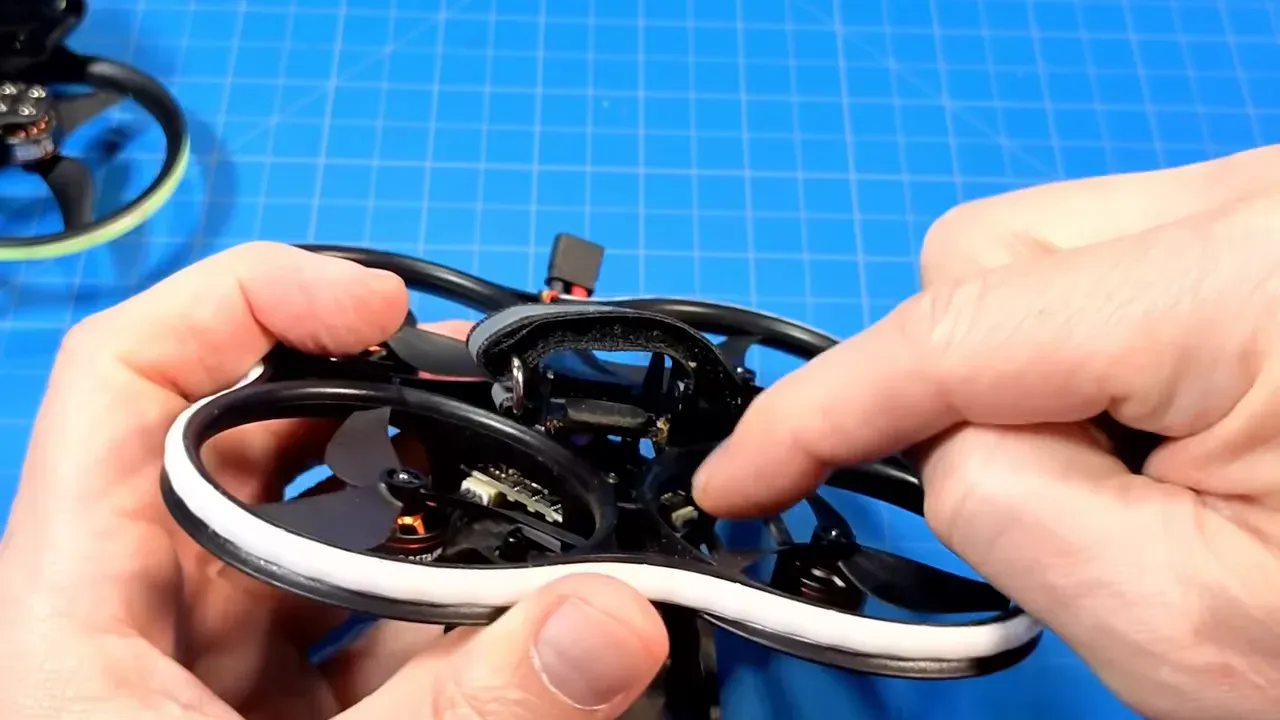
The battery tray is conservative by design. If you want different sizes, the plastic flanges are easy to clip. People chasing lighter or larger packs can trim the tray for more options.
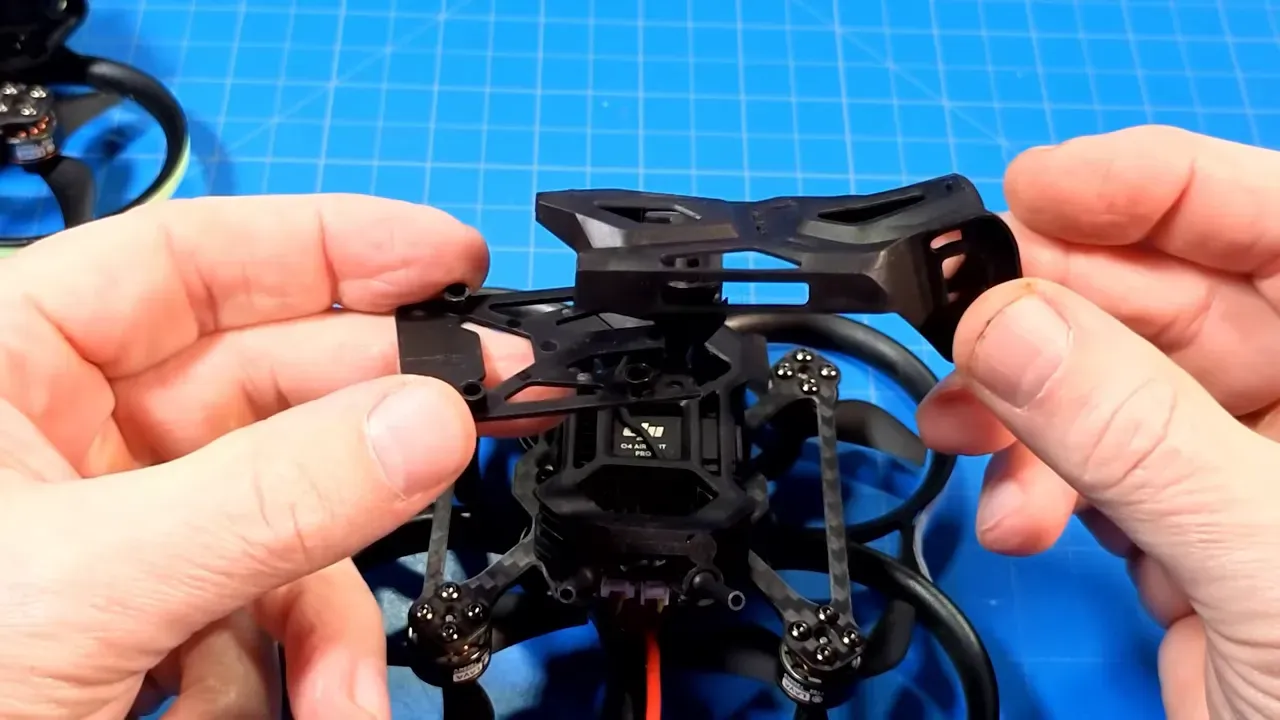
BetaFPV bundles mounting brackets for multiple video systems. The box supports O4 Pro and mounts for O4 Lite, Walksnail, or HD0 alternatives. That gives flexibility to choose HD options or swap for lighter gear.
Camera protection and angle
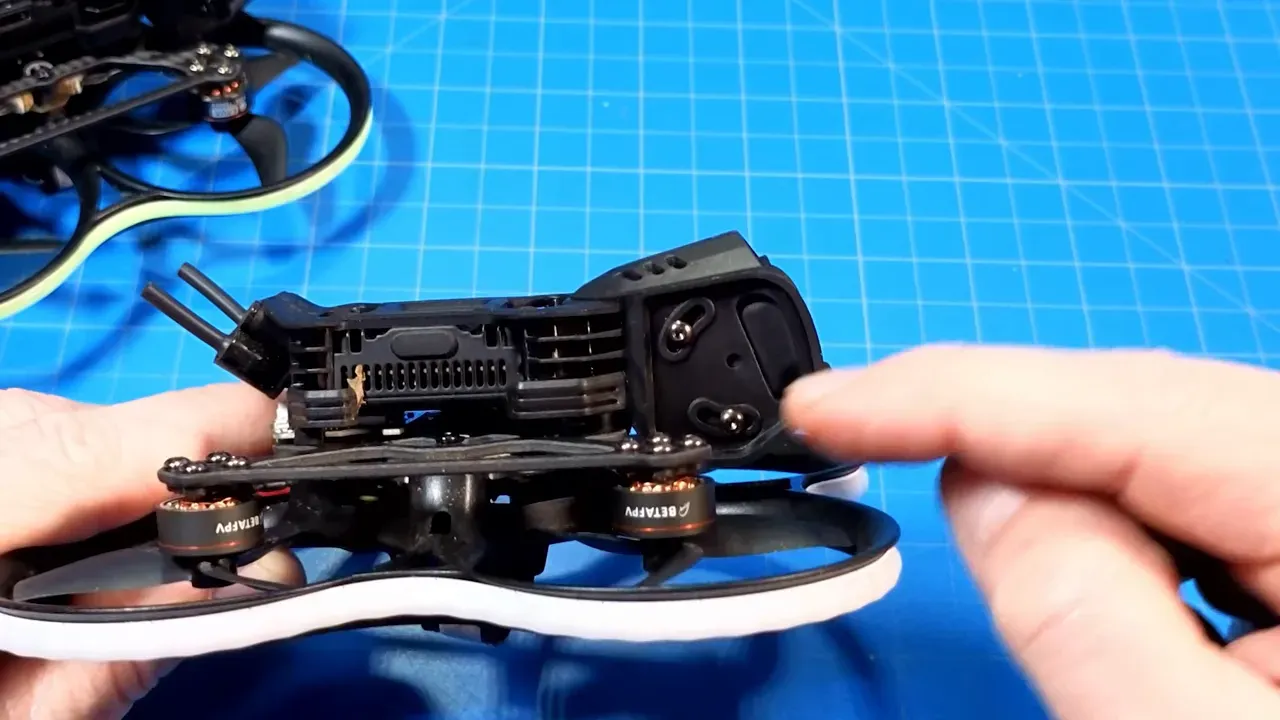
The hood provides more upward clearance than many micro frames. The plastic offers some impact protection and extra camera angle range. It will not survive a full-speed direct hit, but it reduces the risk of lens-crushing in everyday bangs.
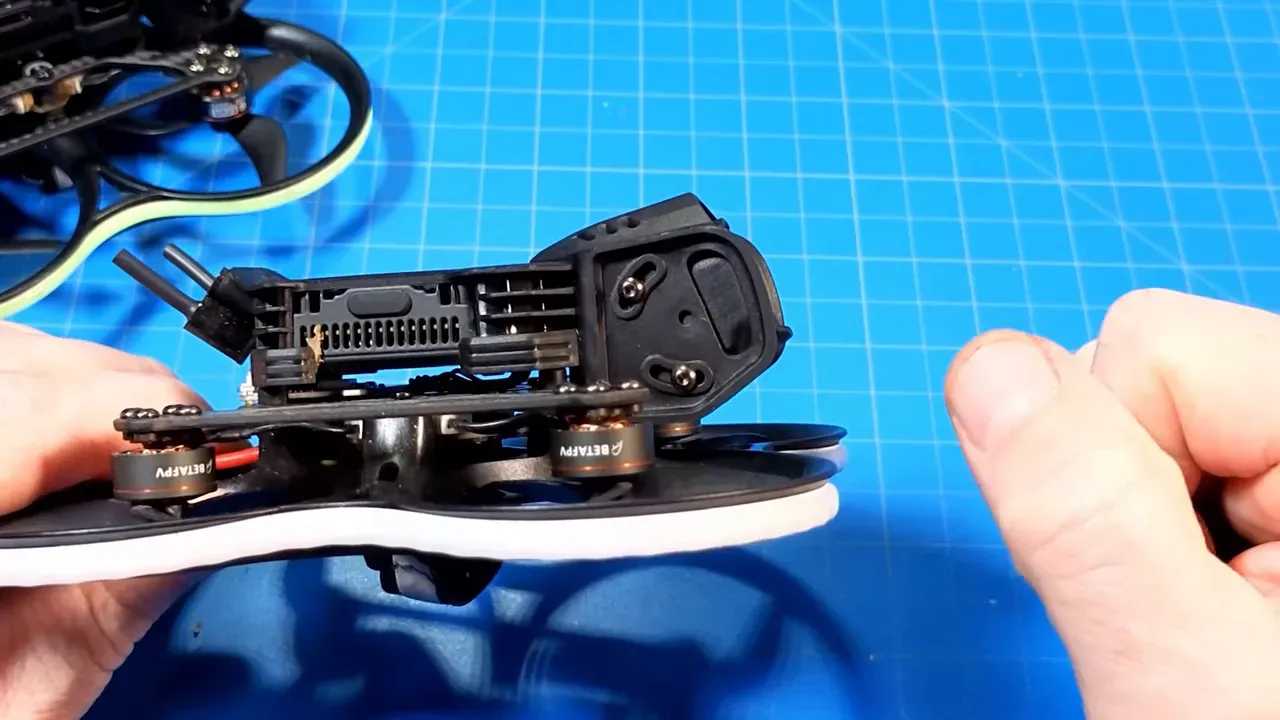
Expect more camera tilt available than usual. The mount and hood allow significant upward tilt without reaching mechanical limits. That helps when flying aggressive forward passes.
How it behaves around people and fences
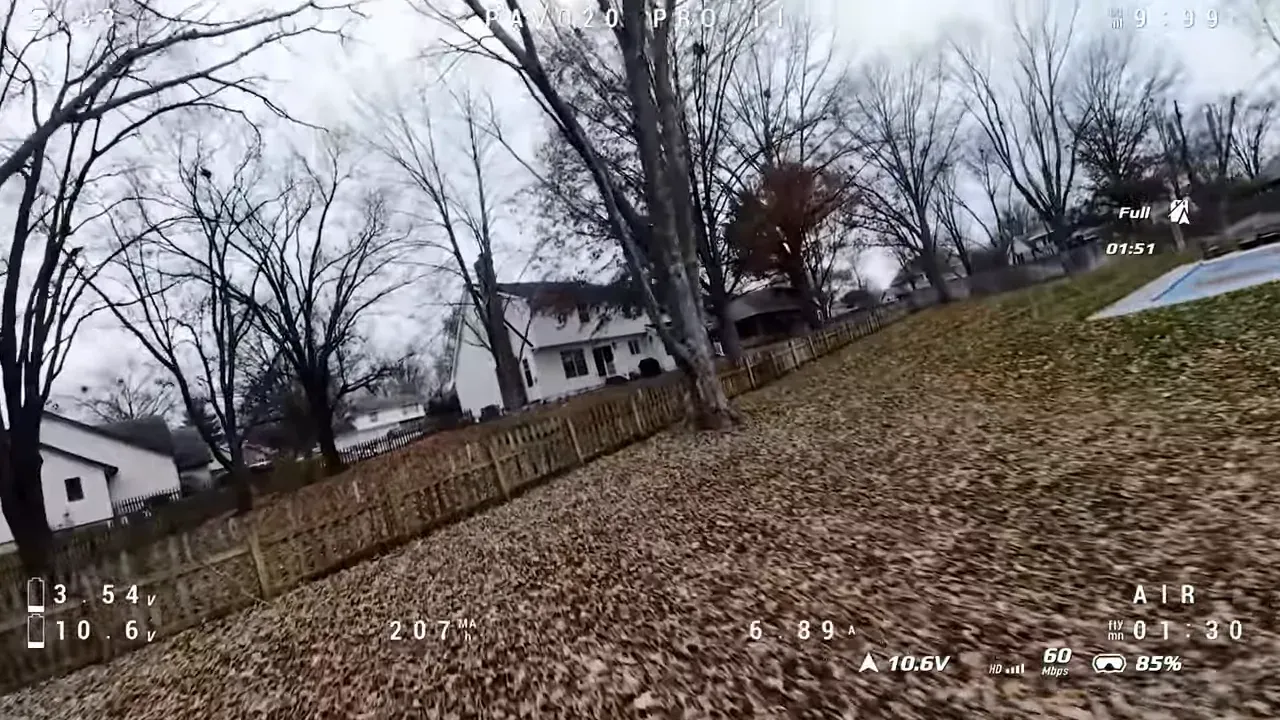
A few backyard mishaps happened during testing—one pass nearly clipped a stick, another ended up over a neighbour’s fence. The reviewer stresses community etiquette: share flight times on a group thread and curtail flying when neighbours are outdoors.
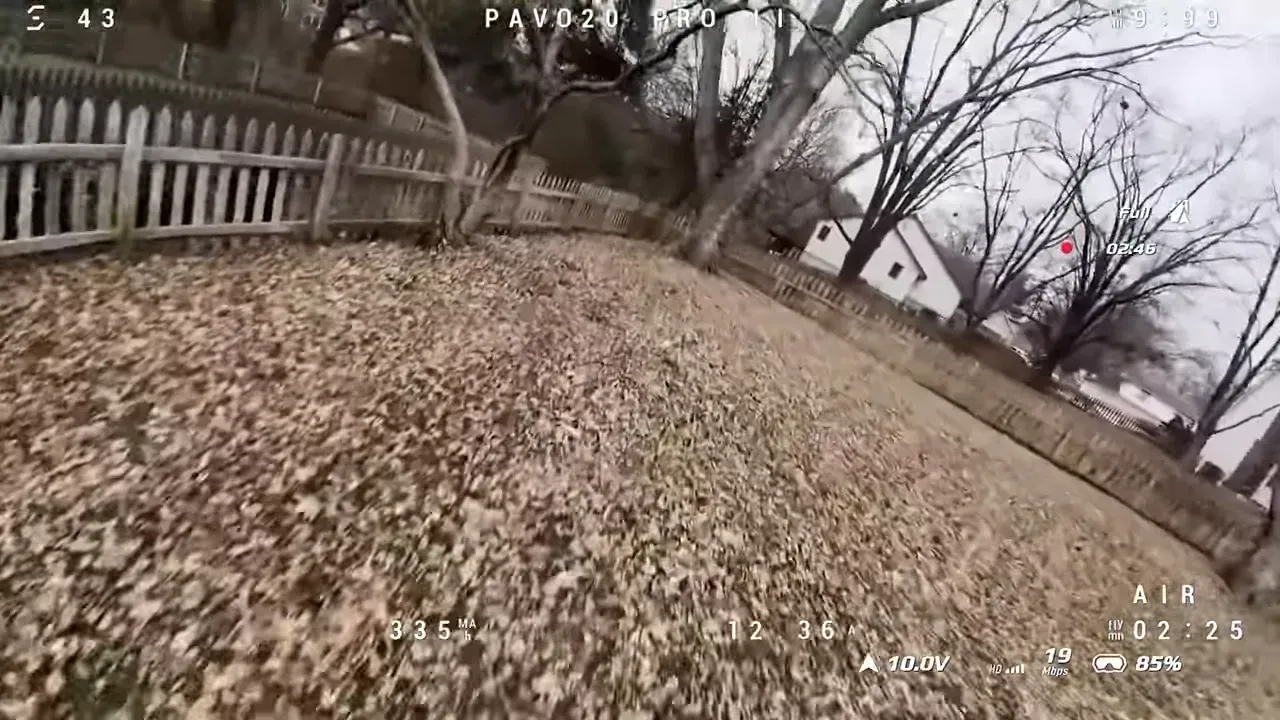
That neighbour protocol kept relations calm. The reviewer texts the local HOA group before flying and lowers throttle when people step outside. Small courtesies avoid noise complaints and lost craft.
Is it worth upgrading from the original Pavo20 Pro?
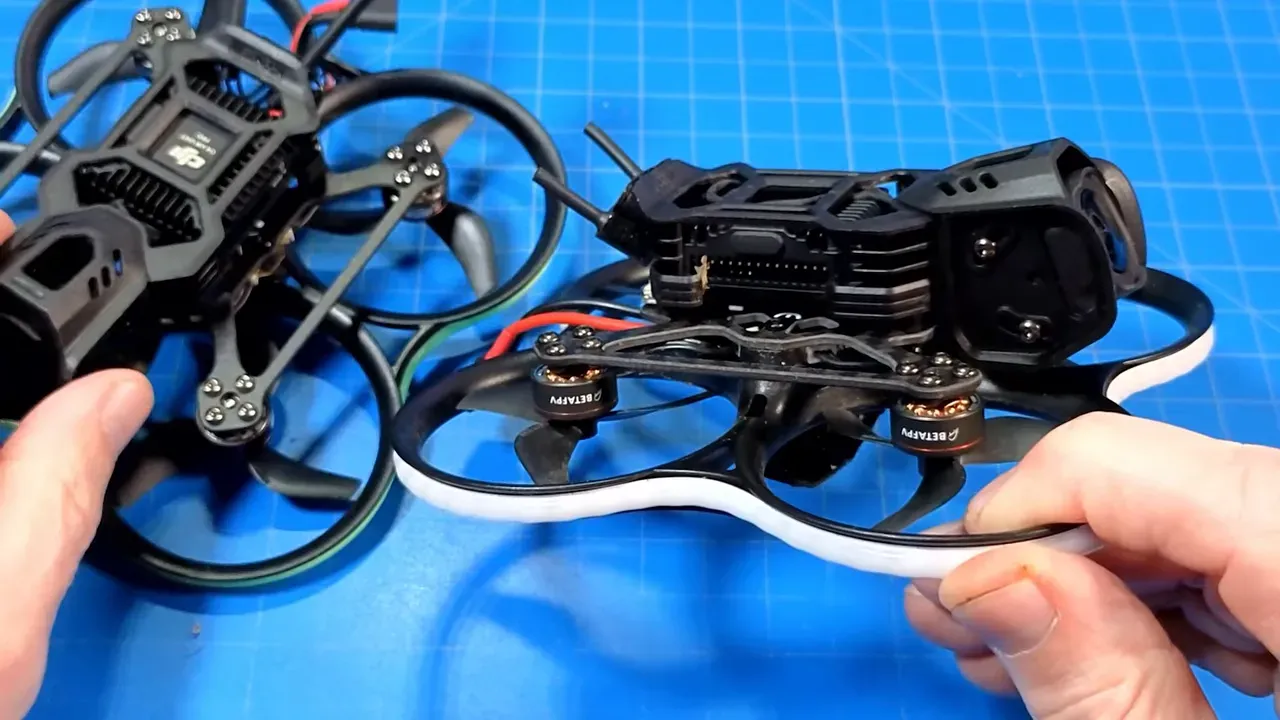
If a pilot owns the original model, the Pro II does not demand an immediate swap. The benefits are incremental—LEDs, antenna options, and extra brackets. Those who want new mounts or a slightly refreshed layout will find value.
Concerns summed up
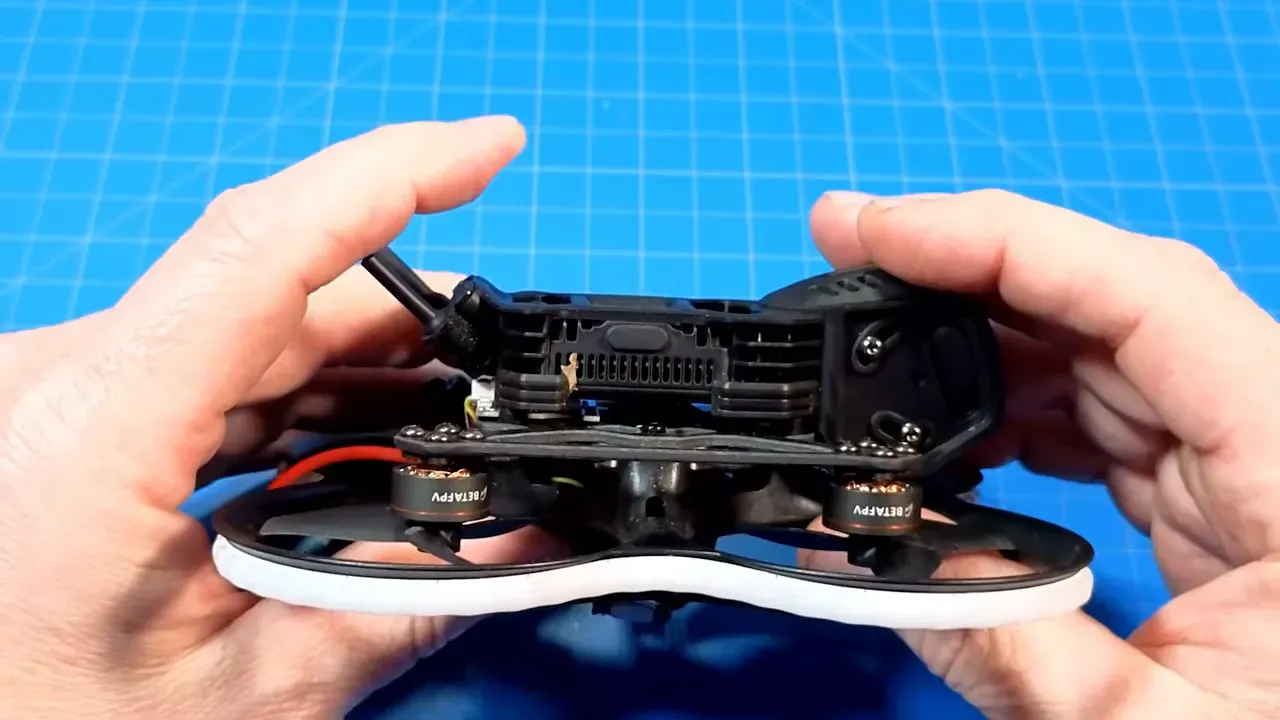
The main caveat is the daughter board placement. It keeps things tidy and bright, but it may take crash damage. Also, expect minor assembly fiddles to access the USB port after installation.
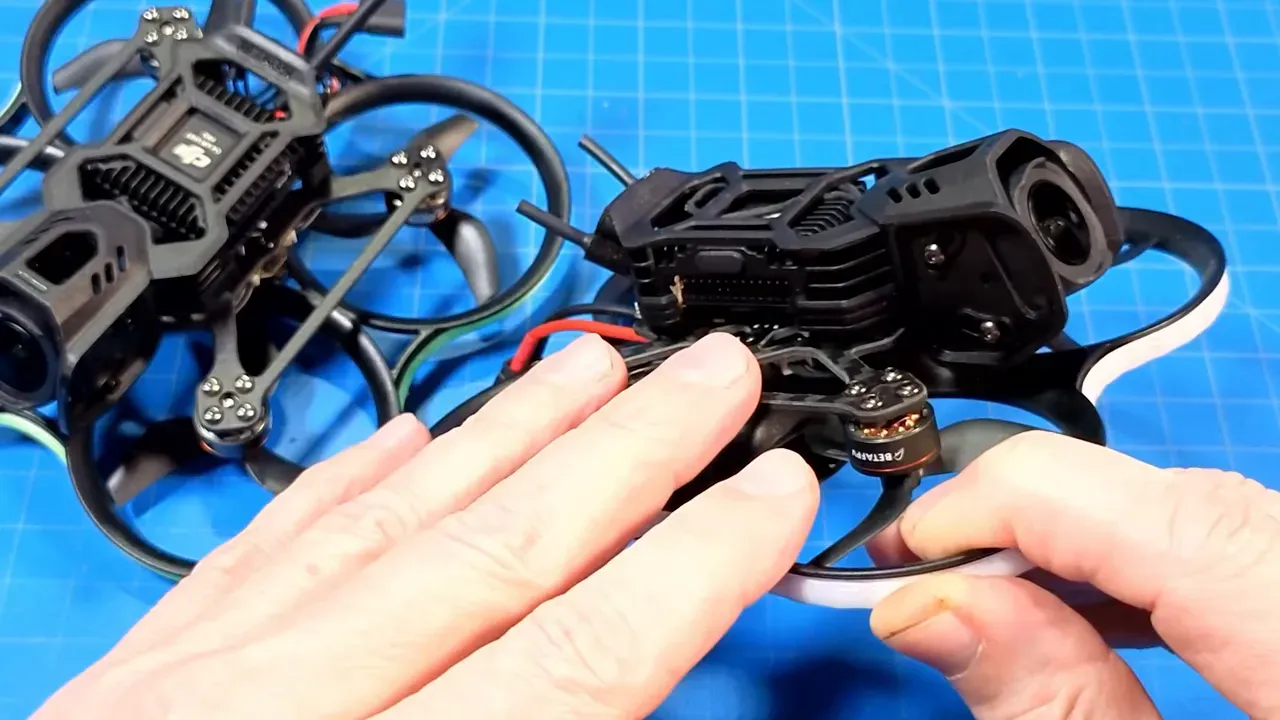
Reception differences between antenna types will be marginal in open fields. In tight, obstacle-dense environments the traditional antennas may edge out the micro setup, but results depend on the local RF clutter.
Practical recommendations
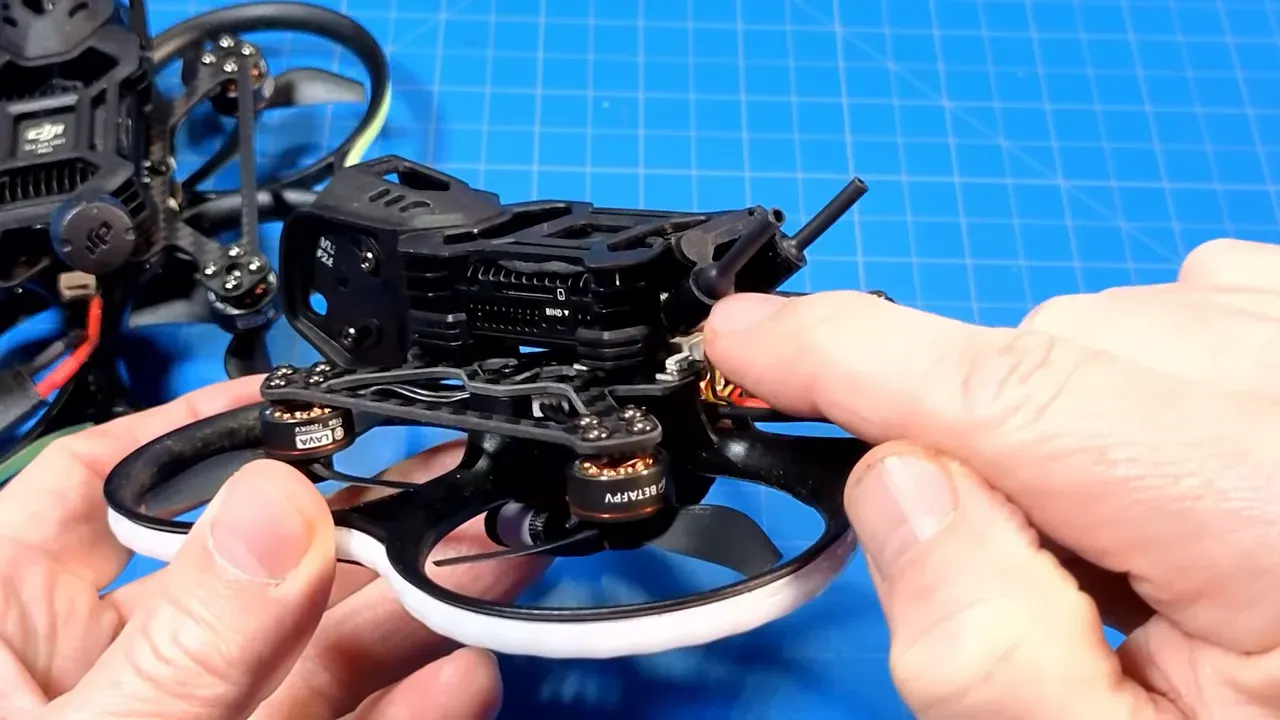
Tape down LED wires and route them so the USB port remains accessible. Keep the spare screws and props included in the kit—they matter. Use motor connectors to swap motors quickly if a prop strike fries a winding.
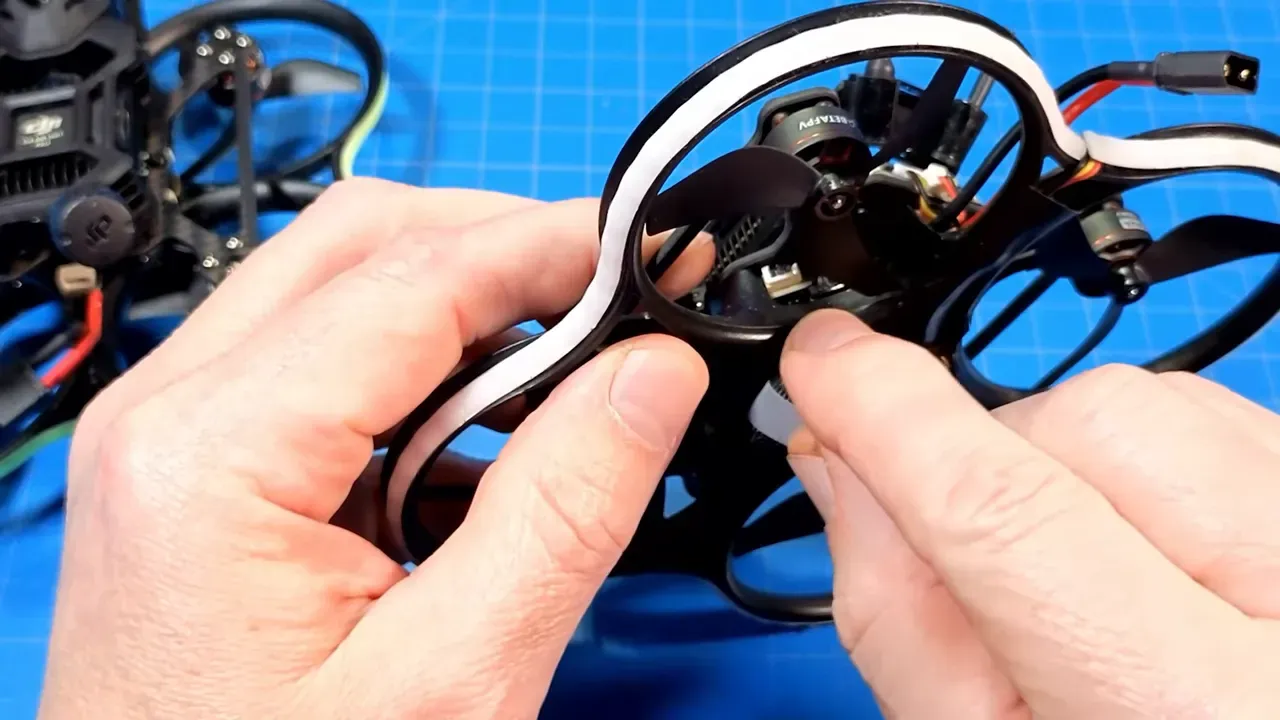
If longevity matters, consider reinforcing the daughter board area with a thin plate or foam bumper. That reduces the chance of board damage in a belly or podium smash.
What battery fits the Pavo20 Pro II and what runtime to expect?
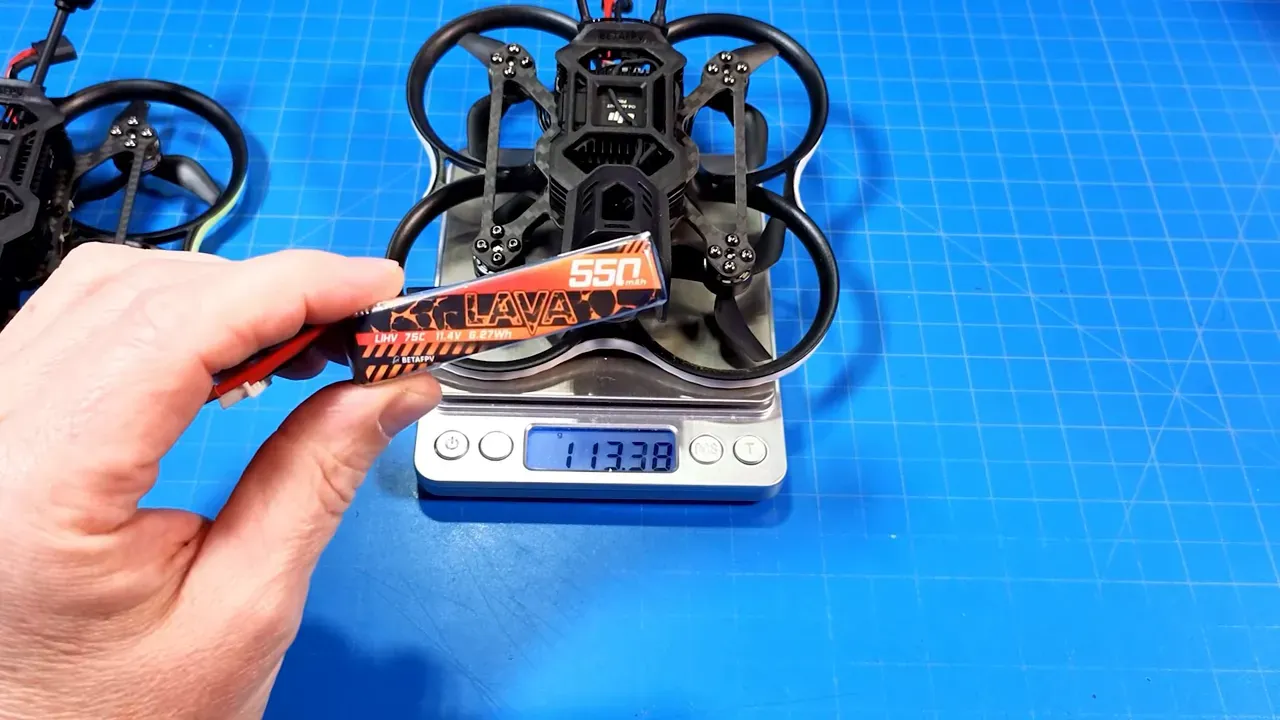
The recommended pack is BetaFPV Lava 550 3S. Expect sprint-style flights near three minutes when pushing hard. Longer cruises on lighter throttle can add time but reduce punch.
Does the Pro II fix zero-throttle wobble?
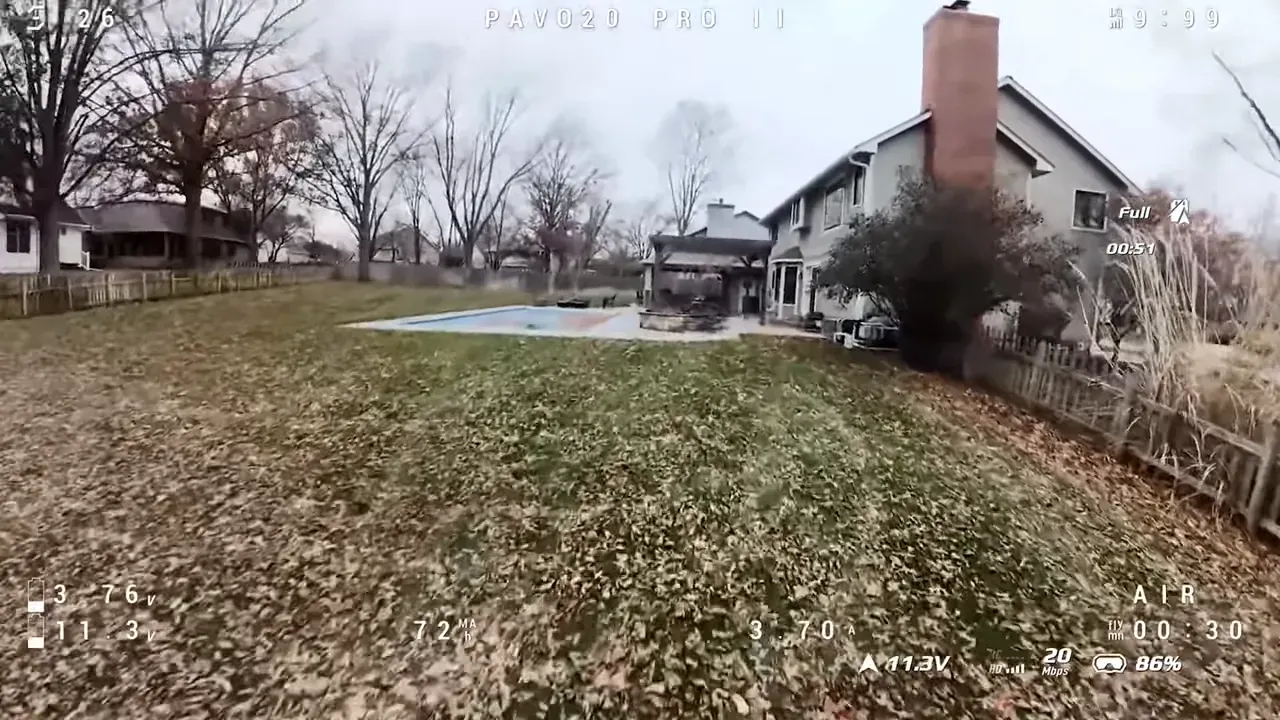
Yes. BetaFPV’s PID tune on this frame largely avoids zero-throttle wobble. The quad holds steady on punch-outs and idle transitions.
Are the mounts interchangeable for other video systems?
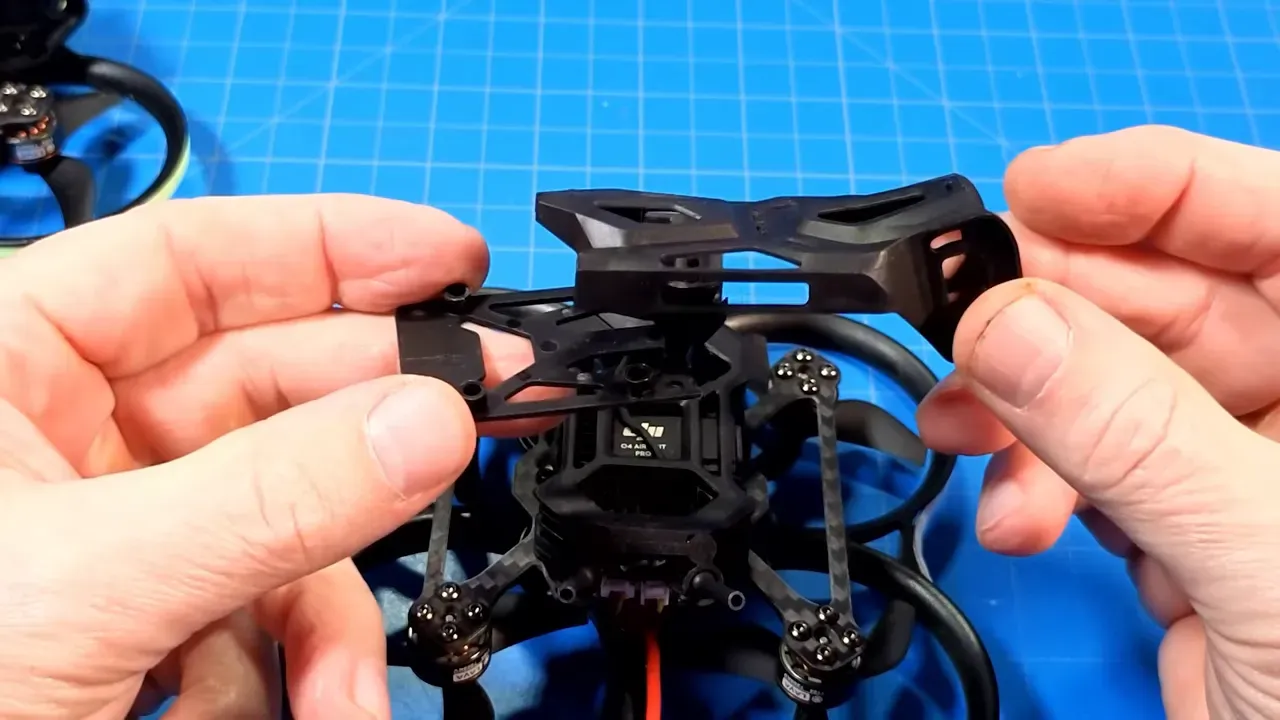
The package includes brackets for O4 Pro and lighter alternatives. Separate mounting parts are available if one wants to retrofit older Pavo frames.
Is camera protection adequate for aggressive flying?
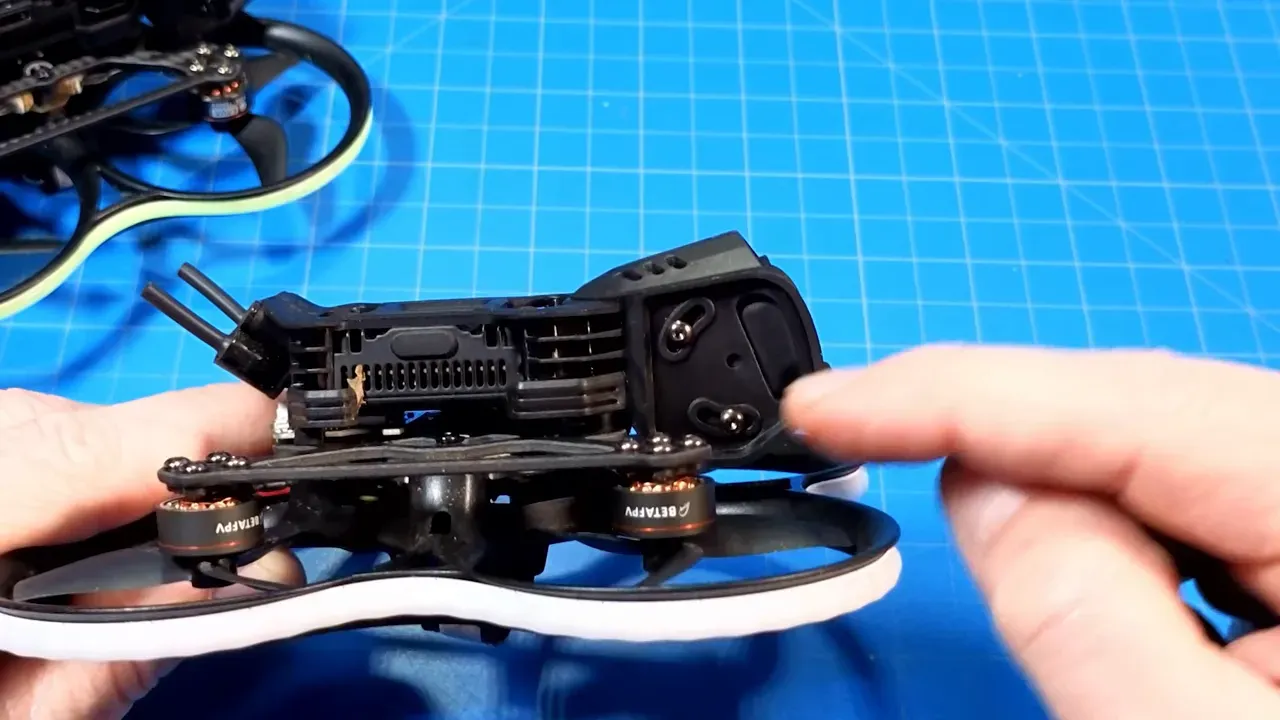
The hood offers above-average protection for a micro frame. It helps with everyday impacts but will not guarantee survival of full-speed hits.
Takeaway
The Pavo20 Pro II refines, rather than reinvents. It keeps the stable tune and adds practical hardware options for pilots who change camera stacks.
- BetaFPV kept the flight character—solid PID and minimal zero-throttle wobble.
- The 550mAh 3S pack yields short, punchy flights—about three minutes under heavy use.
- Watch the daughter board area for potential crash damage—reinforce if you crash a lot.
- Modular antenna and mounting options make the Pro II flexible for HD swaps or lighter builds.
Takeaway box
Pavo20 Pro II keeps the good bits and polishes the edges—an appealing option for pilots who want small size and reliable handling.
Tweet-length nuggets:
- Stable PID beats flashy features—less wobble, better footage.
- 550mAh 3S gives about three minutes of aggressive freestyle.
- Daughter board tidy but vulnerable—tape and reinforcement recommended.
- Extra brackets let pilots mix O4 Pro and lighter HD setups.
This article was based from the video Tiny Drone Massive FPV Thrills // Betafpv Pavo20 Pro II // Drone Review