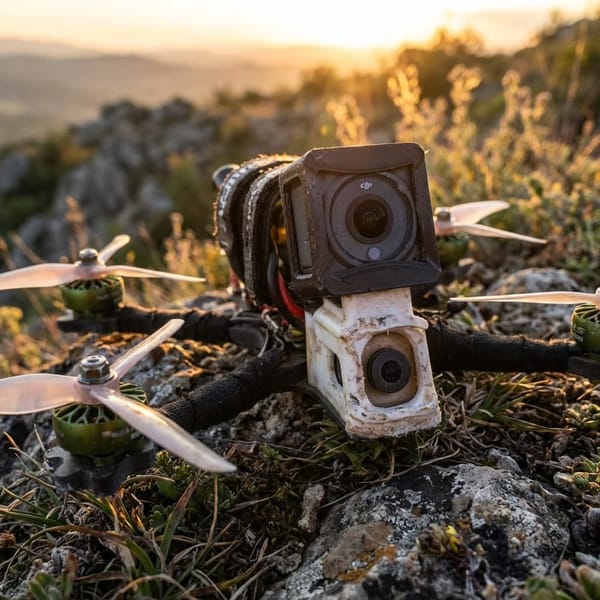
This 5-inch freestyle frame ships like a show car but flies with a mysterious limp when the throttle returns to zero. The NBlade MAX pairs injection moulding and high-end electronics at a surprisingly low price, but a tuning quirk turns promise into caution.
TL:DR
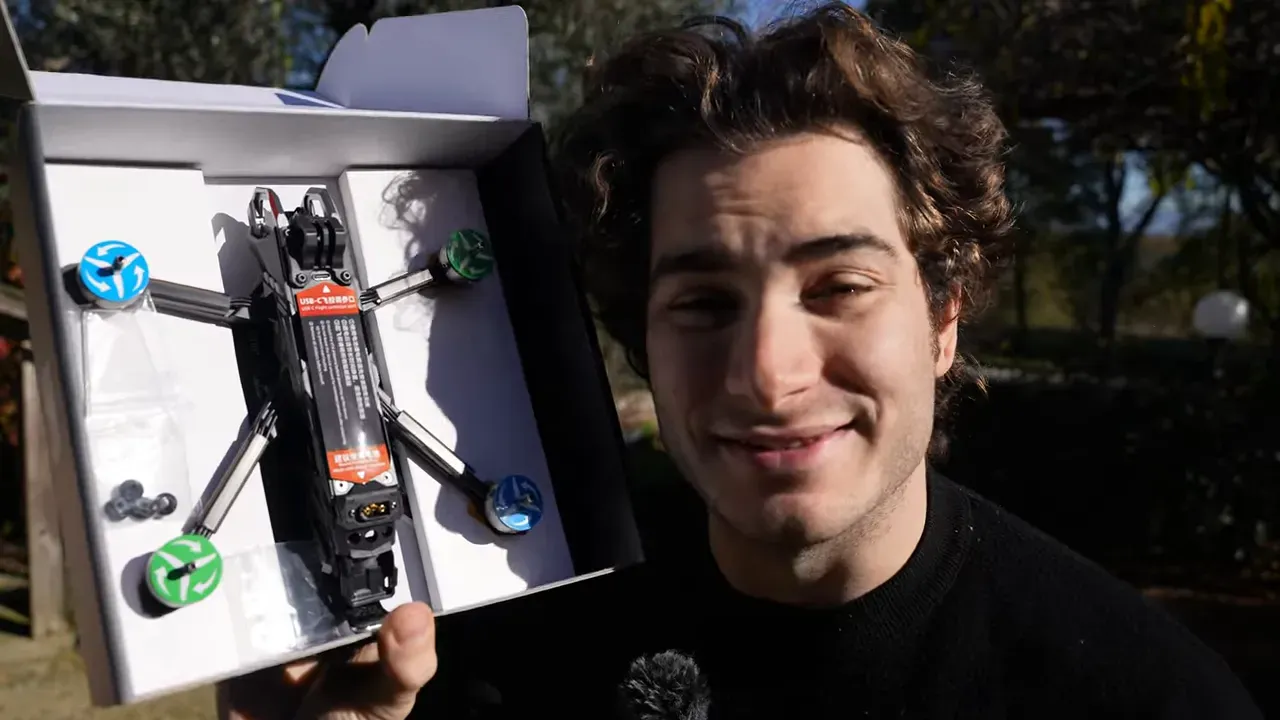
The HGLRC NBlade MAX offers a tank-like chassis, H7 stack, large motors and addressable RGB. It weighs about 460 grams with DJI O4 fitted. A serious tuning problem makes the craft unpredictable at zero throttle. The hardware otherwise looks S-tier if the firmware gets fixed.
What stands out at first glance
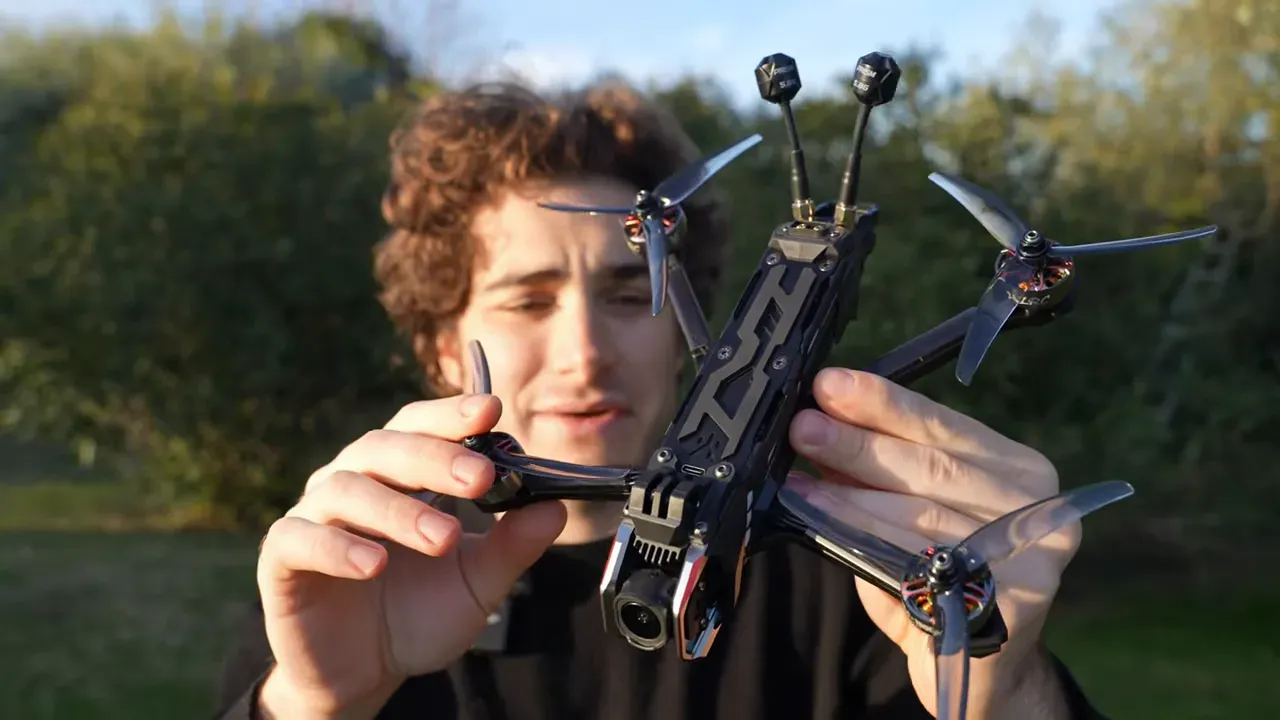
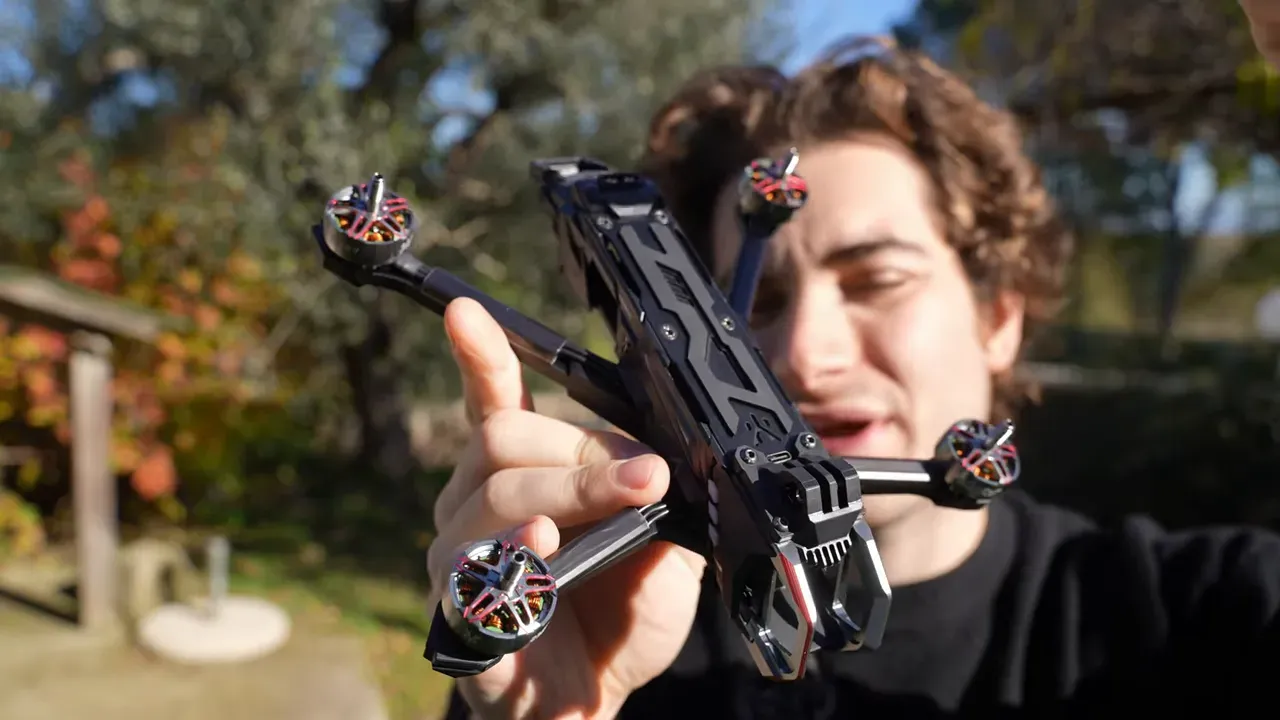
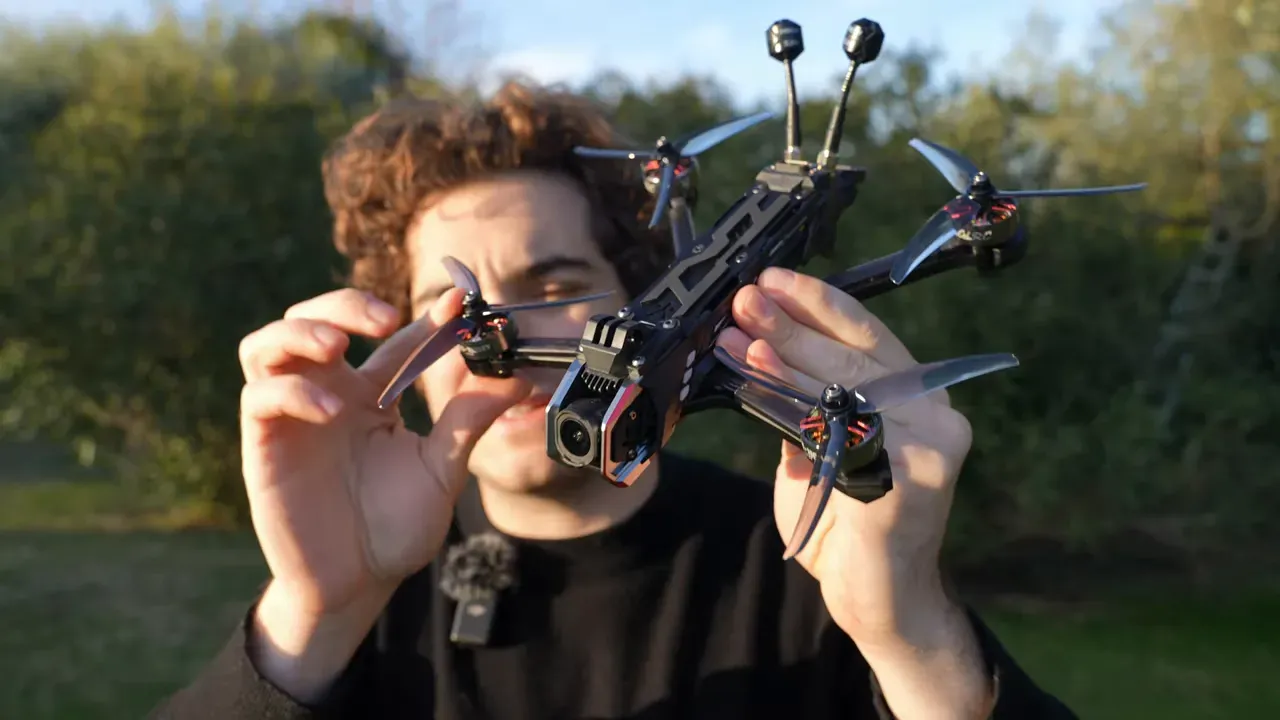
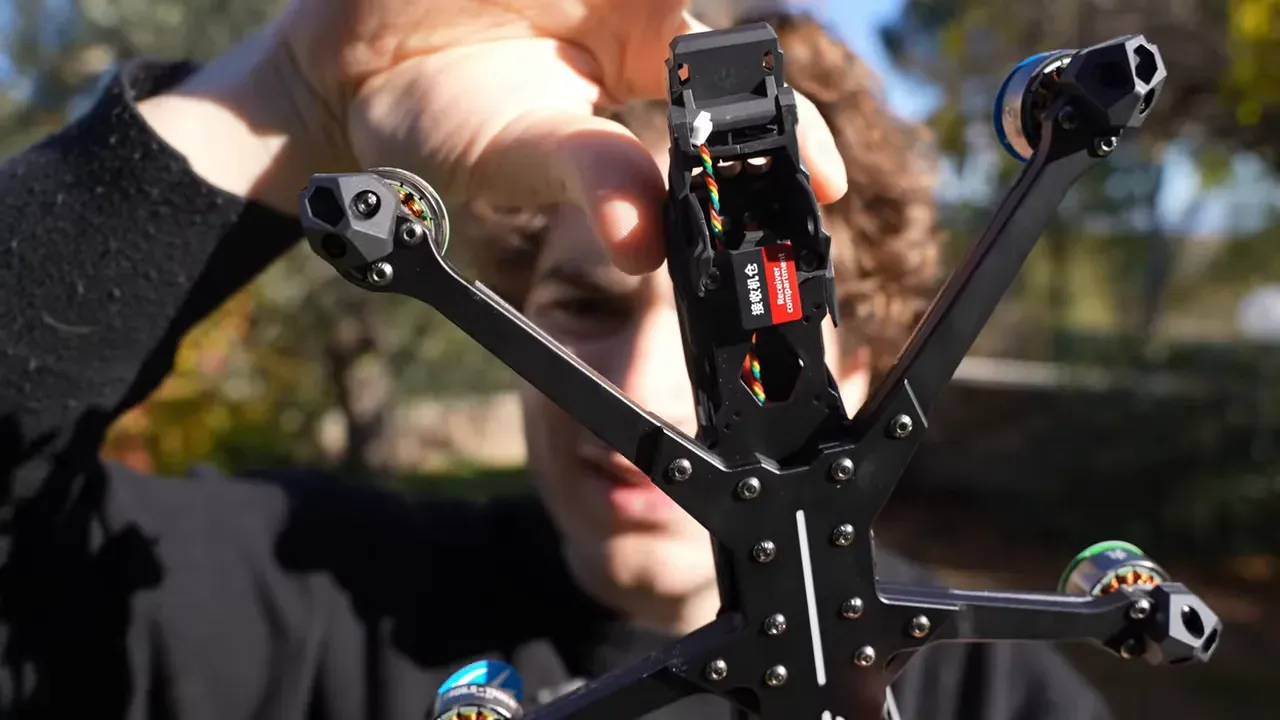
The build quality is unusually polished for the price. No 3D printed parts appear; every visible component is injection moulded plastic or CNC aluminium. That includes small items such as landing feet and the receiver bay flap. The carbon is blacked out and the canopy features vents that channel airflow through the frame.
Hardware summary
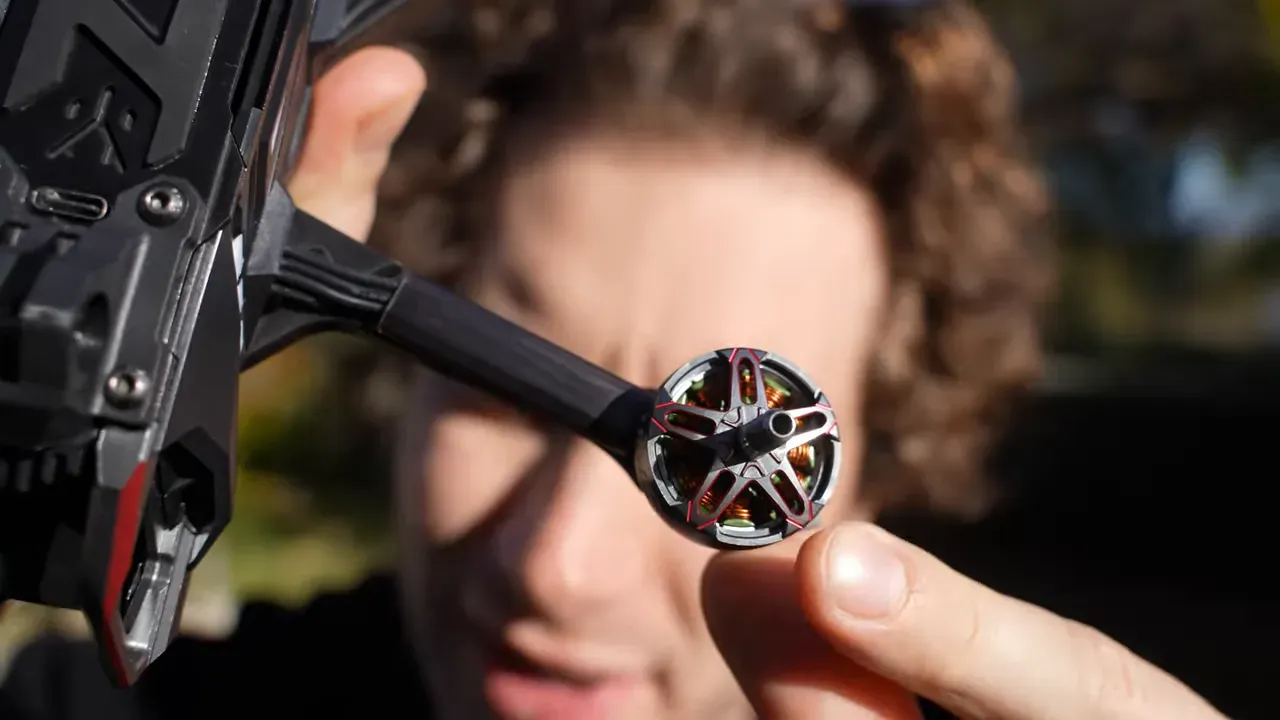
Motors are beefy and well-manufactured with tight magnetic tolerances. The spec sheet lists 23-06-6.5 motors at 1900 KV for a 6S setup. The flight controller is an H7 dual-stack arrangement with 60 amp 8-bit ESCs stacked below. The design accepts a range of cameras, including analog, O3 and O4 systems.
Practical extras and omissions
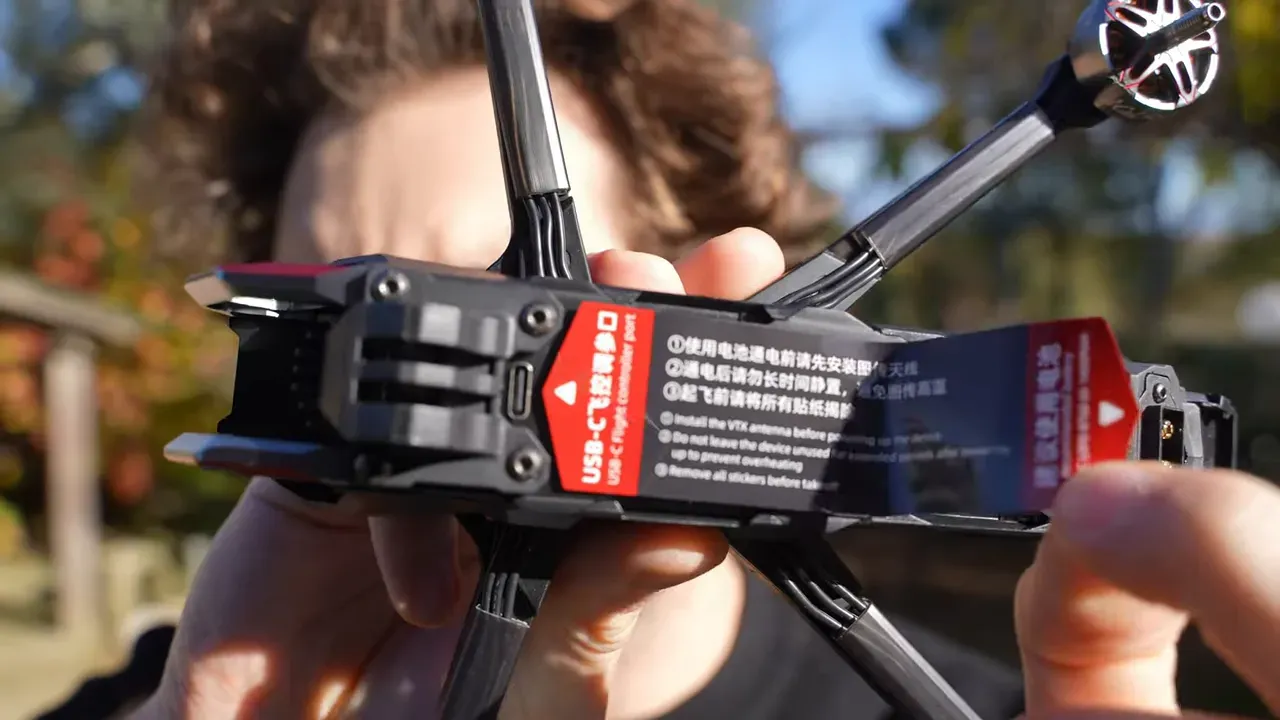
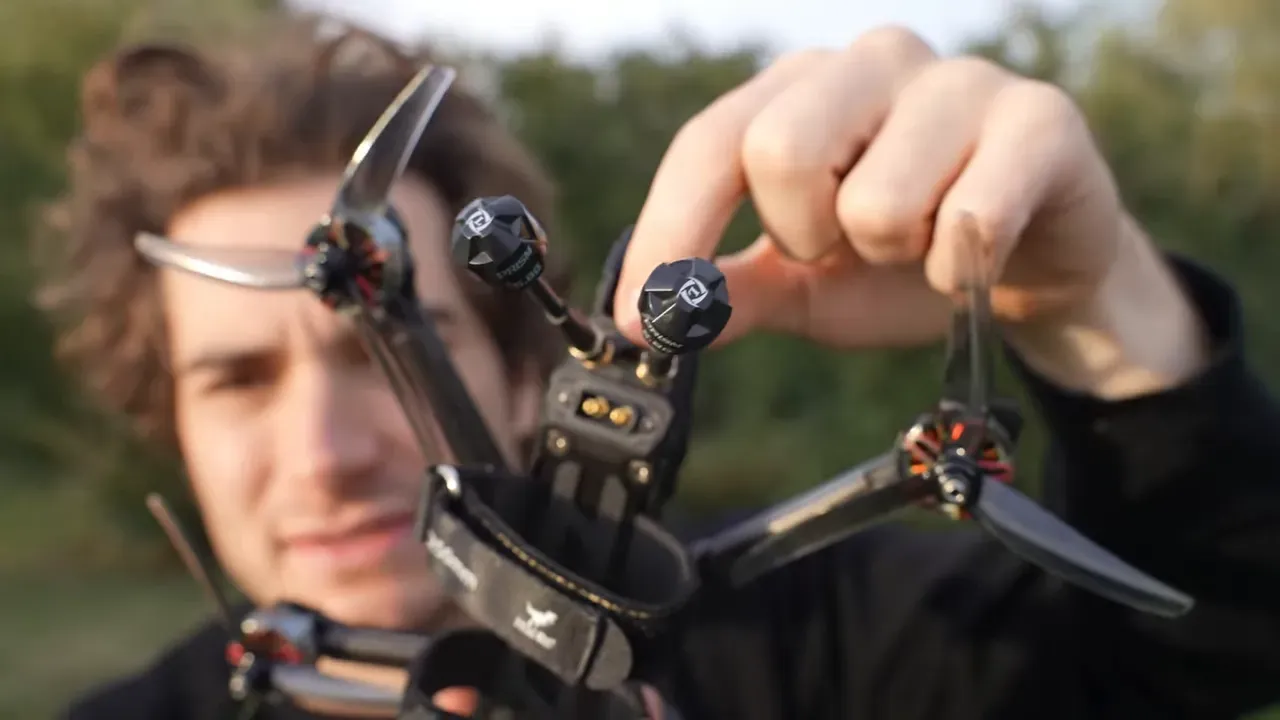
Addressable RGB runs around the frame and a power board allows control via BetaFlight or Bluetooth through a companion app. A GoPro mount and hex key are included, but the release unit missed the GoPro nut, the VTX screws and any antennas. The without-camera variant ships at roughly $199 but buyers must source a few fasteners and antennas themselves.
Weight and battery choices
With a DJI O4 installed the test craft weighed about 460 grams. HGLRC lists the weight at around 490 grams on its site, which likely factors optional GPS, receiver and antenna choices. Suggested packs are 1450mah 6S; the reviewer tested a 1500mah and an 1800mah to compare handling and endurance.
First flight — promising until punch-outs
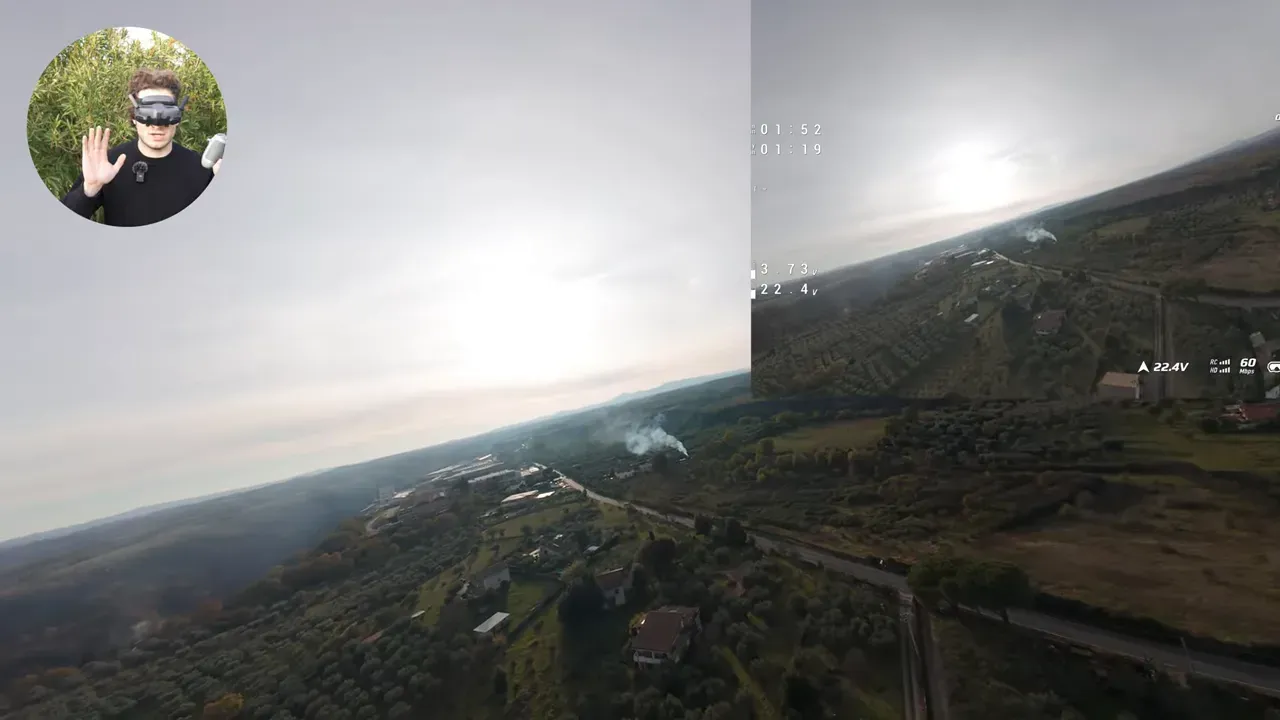
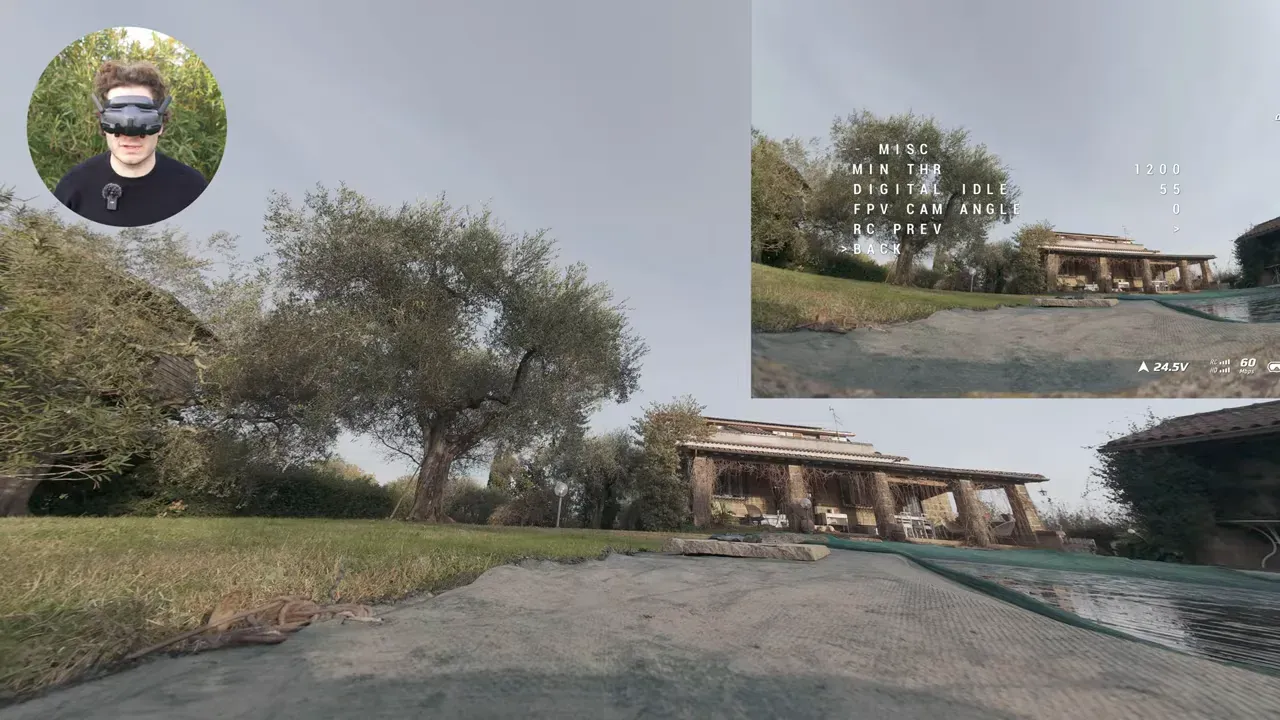
Initial hover and mid-throttle behaviour felt smooth and powerful. Top-end response impressed; acceleration and punch felt clean. However, when the throttle drops to zero, the craft loses authority and becomes limp. The reviewer recorded unpredictable movement during low-throttle transitions and ragdoll behaviour on hard punch-outs.
Diagnosing the limp: tuning or hardware?
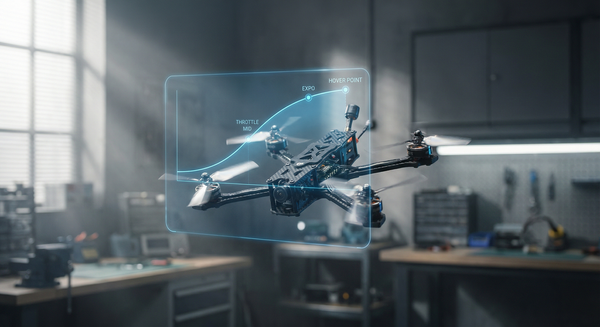
Every symptom points to a software tune problem rather than a mechanical fault. The drone behaved well at sustained throttle, suggesting motors, props and frame stiffness are fine. Raising the minimum throttle helped slightly, but did not eliminate the imprecision. The conclusion was a P-tuning mismatch or a minimum-throttle configuration error in the stock firmware.
Flight time and handling notes
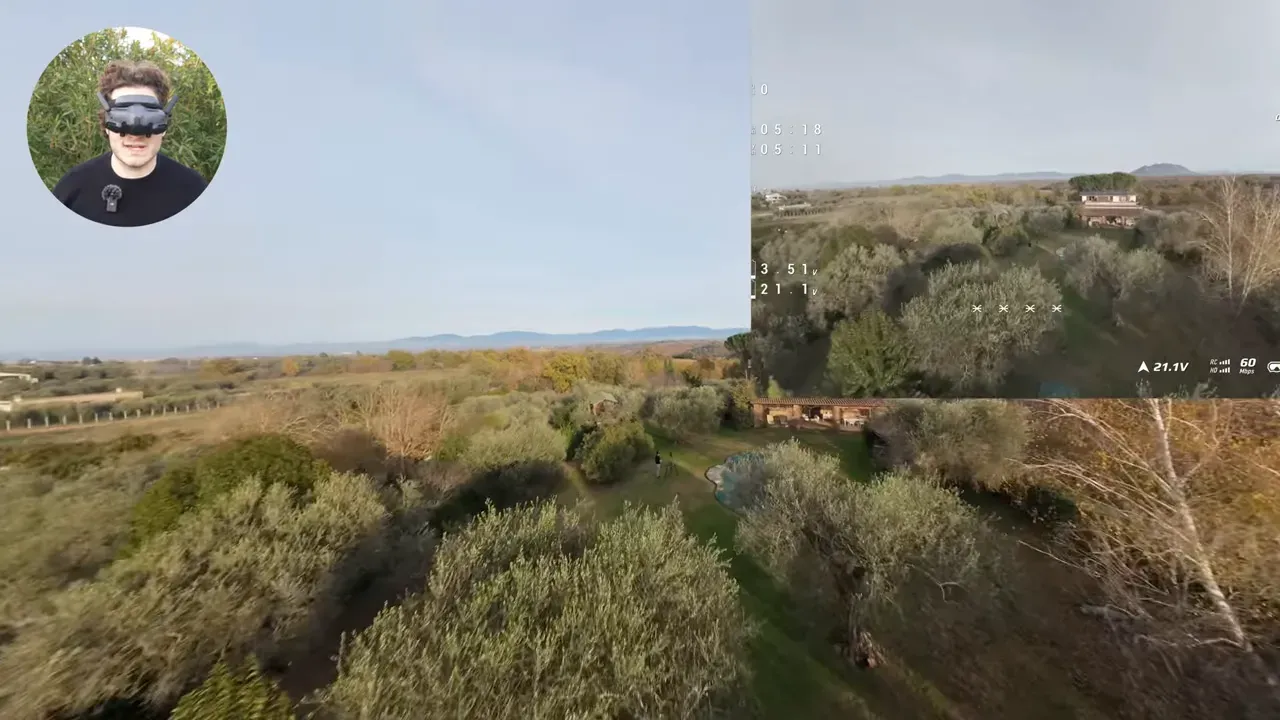
Flight time approached six minutes on a conservative flight profile with the 1500mah pack. The rig did not exhibit jello and overall felt efficient. Propellers in the box are slim HQ Juicy J40 5.1x4x3 variants, which may trade some low-throttle authority for efficiency. Motors remain oversized enough to take heavier props without drama.
Two practical complaints
First, shipping a pre-release tune that allows limp behaviour at zero throttle is unacceptable. Users expect a baseline tune that lets them perform standard freestyle moves safely. Second, the camera-less package omits VTX mounting hardware and antennas, and the O4 antenna holes require analog-style antennas rather than stock DJI types.
What to expect after fixes
If HGLRC updates the tune to correct minimum-throttle response, the NBlade MAX could sit alongside top-tier freestyle drones. The frame, stacks and motors already meet high standards. Fix the P-gains, adjust the idle and minimum throttle mapping, and this becomes a compelling, value-packed option.
Buying advice
Buy the camera-less version only if the buyer accepts sourcing a handful of screws and appropriate antennas. Confirm whether a firmware update addressed the low-throttle behaviour before committing. At $199 for the shell-only option, the value proposition is strong—conditional on a tuned flight controller.
Final verdict
The NBlade MAX blends premium hardware with practical design choices. The zero-throttle tuning flaw makes the current release risky for freestyle pilots. A firmware correction would likely elevate this drone into an S-tier recommendation. Until then, treat it as promising but unfinished.
What causes limp or ragdoll behaviour at zero throttle?
Most often a P-term or minimum throttle mapping issue in the flight controller tune. The symptom appears when control authority near idle is miscalculated.
Can users fix the issue themselves?
A competent pilot can tweak minimum throttle, idle settings and P gains in BetaFlight. A vendor-supplied tuned firmware is preferable for most buyers.
Does the without-camera version require custom antennas?
Yes. The frame's antenna openings do not accept stock DJI O4 antennas. Buyers should plan to add analog-style antennas or source compatible DJI alternatives.
Takeaway 1: Premium build meets unfinished tune — the chassis is excellent.
Takeaway 2: Zero-throttle limp is a firmware tune issue, not a hardware failure.
Takeaway 3: Buy the shell-only deal only if prepared to fit screws, antenna and tune the FC.
This article was based from the video Is this the New Best 5" Drone with DJI O4? HGLRC NBlade MAX