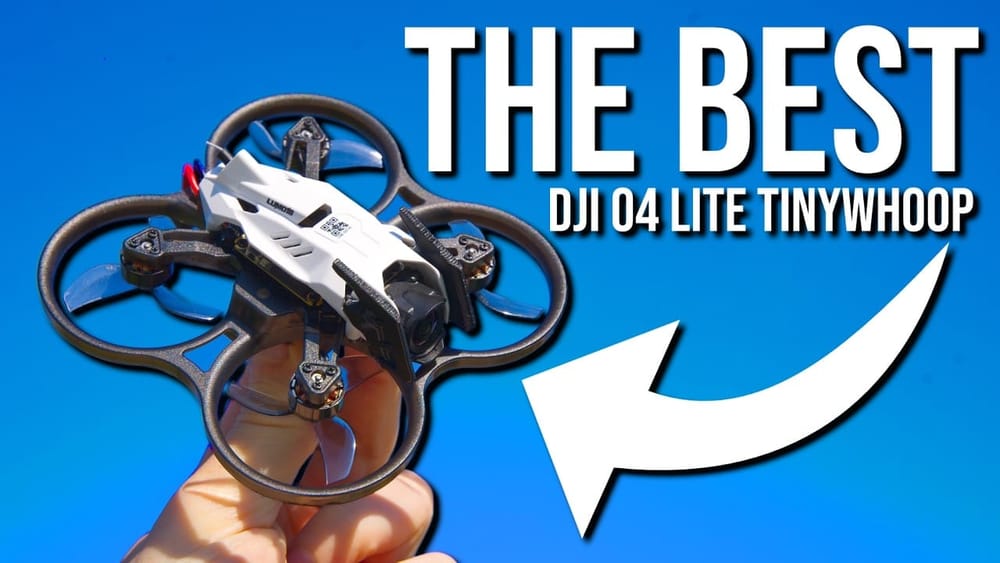
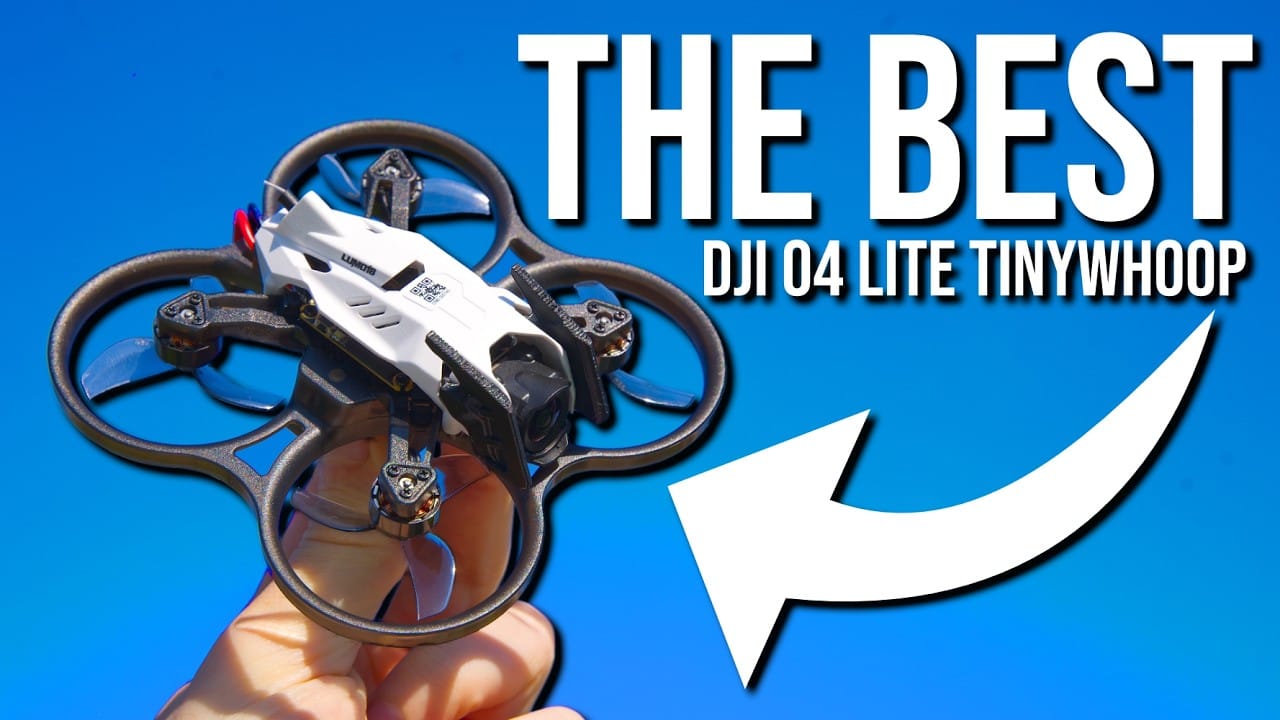
Small 1.8-inch tinywhoops usually win either the “flies” contest or the “records without jello” contest. Oxbot Lumo18 claims both, so the only honest test is to throw it into wind and see what the footage says.
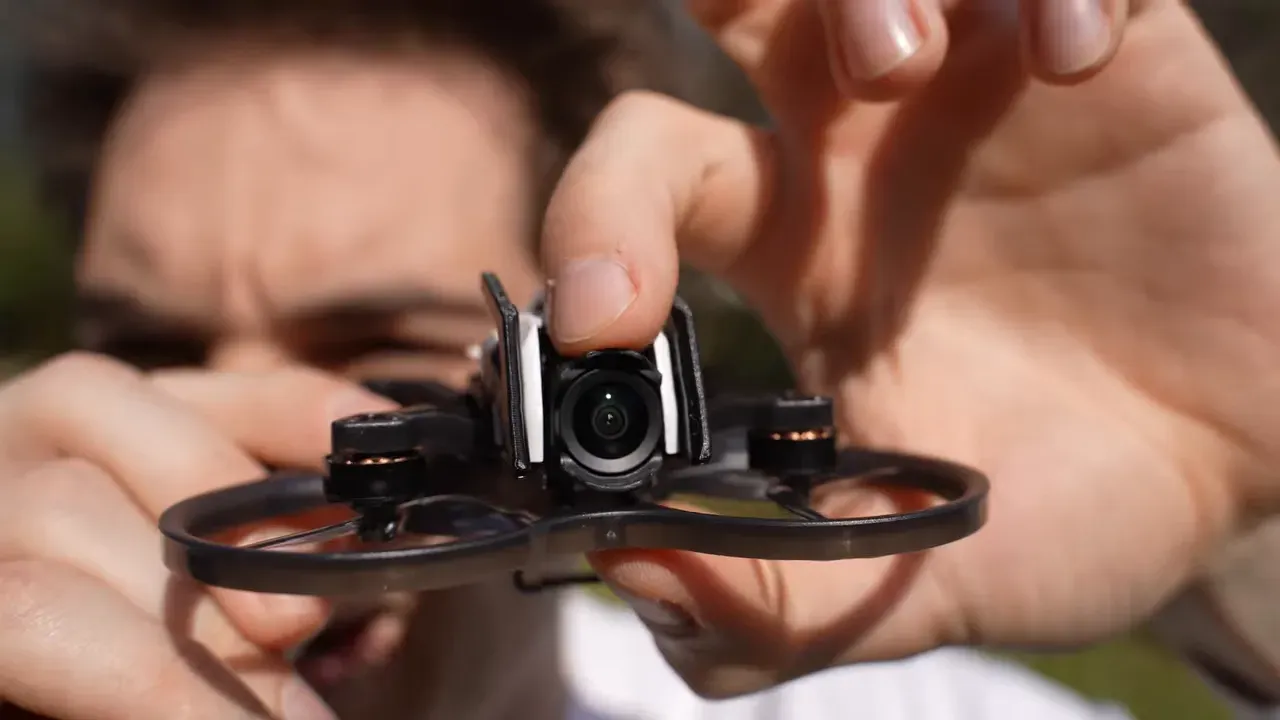
The headline specs are familiar: a lightweight 2S frame, DJI O4 Lite camera hardware, ExpressLRS, and a soft-mounted stack. The interesting part is whether it avoids the classic tinywhoop failure modes: shake, wobble, and camera jello.
Unboxing and build: soft mounts, stiff frame, and RGB you can’t ignore
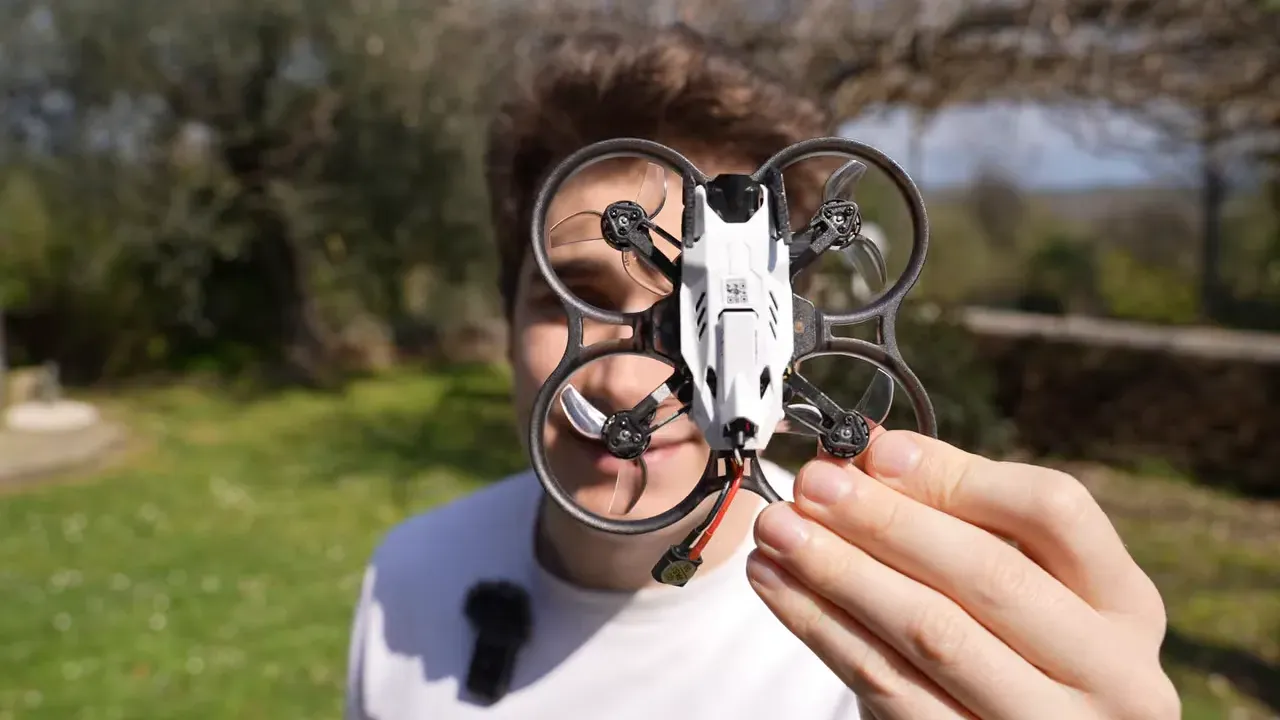
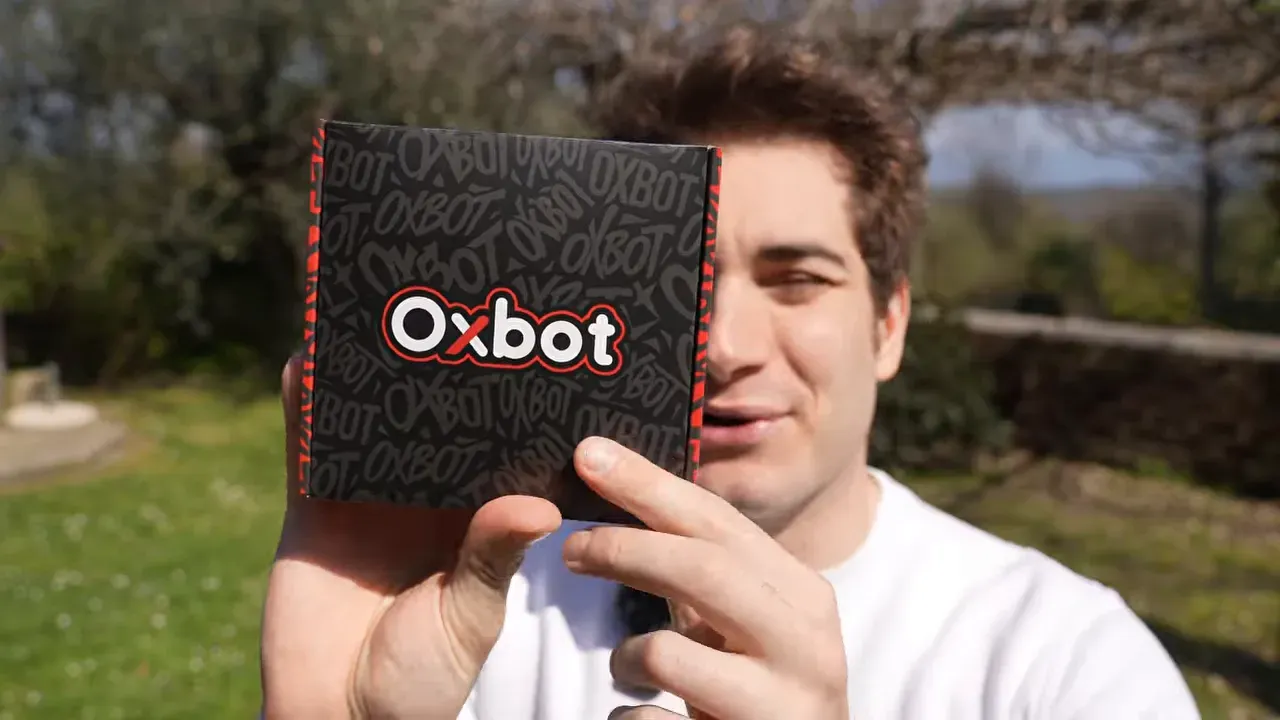
The Lumo18 ships with a Phillips screwdriver, service tools, spare camera parts, screws, sticker decals, and a USB-C adapter. There’s also a “baby battery strap,” plus a note about cutting battery mounts to fit larger packs.
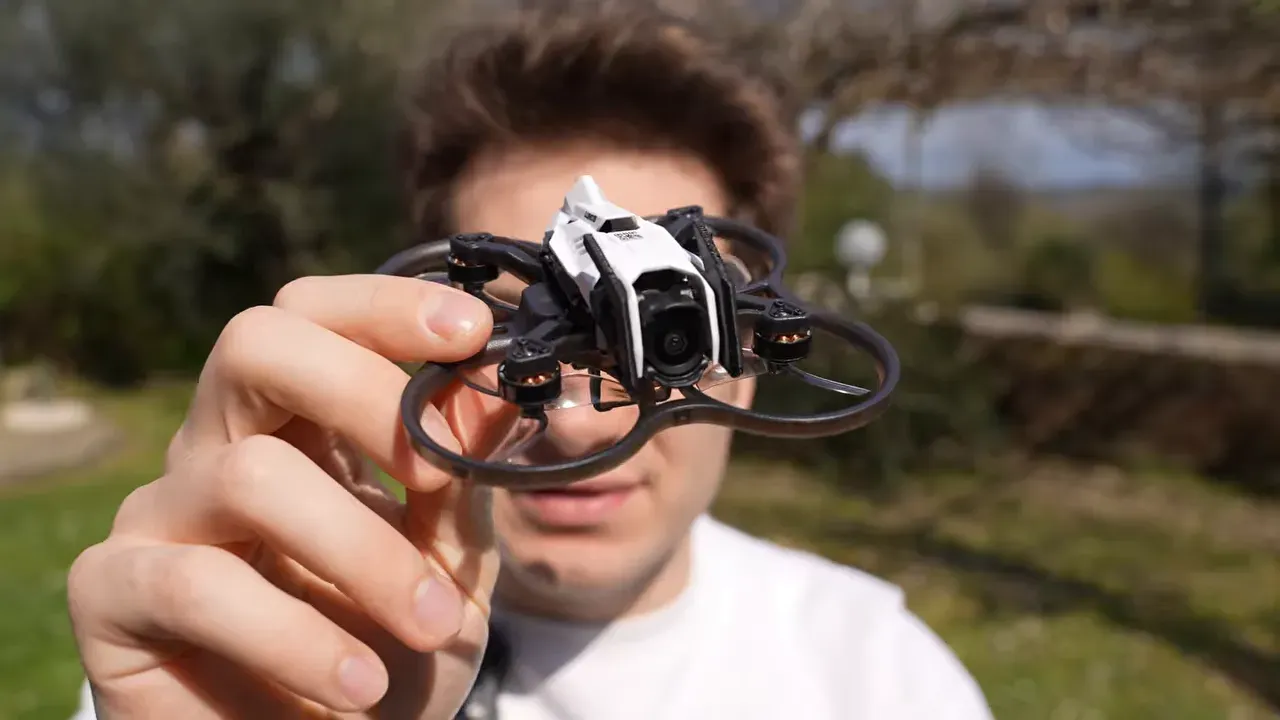
The frame uses injection-moulded plastic, including the arms. Even so, the arms feel super stiff, which matters because stiffness helps motors stop “singing” through the camera mount.
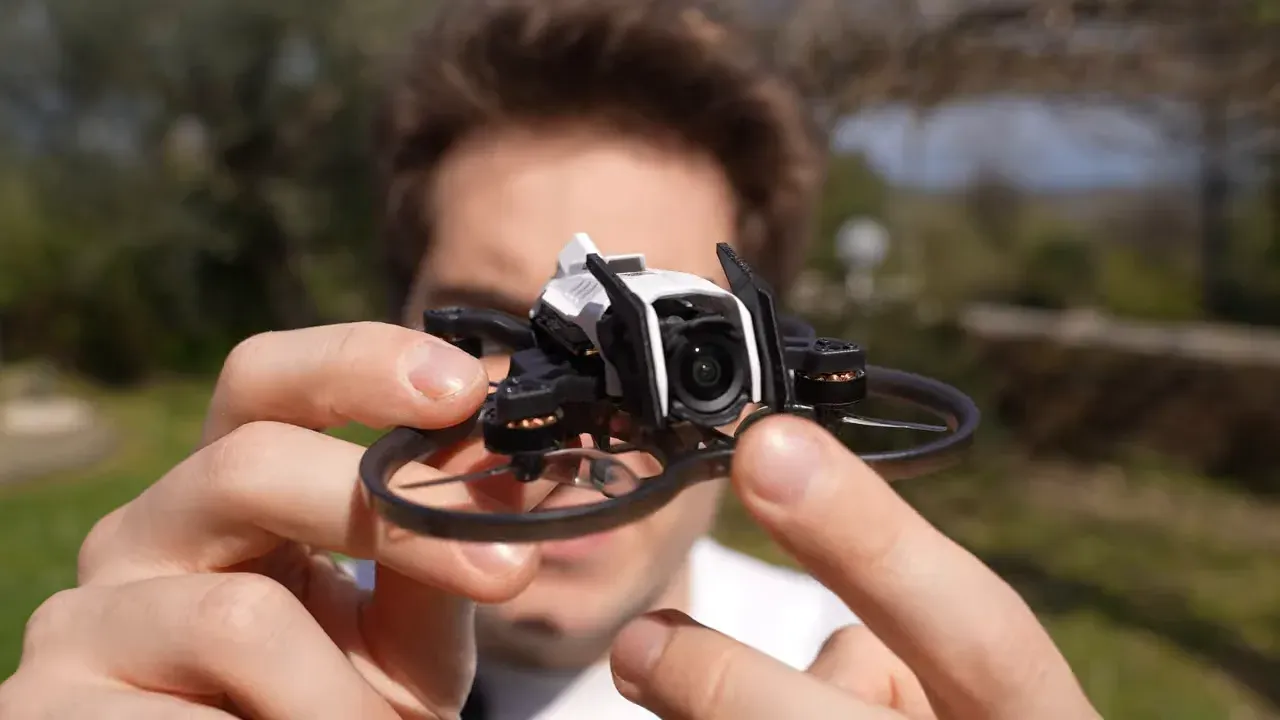
At the front, two 3D-printed black horns protect the camera. Around the body sits a multicoloured RGB strip that lights up with a startup animation, LED arming beeps, and patterns you can cycle.
Electronics and setup: 2S target, ExpressLRS tuning, and SPDB Bluetooth
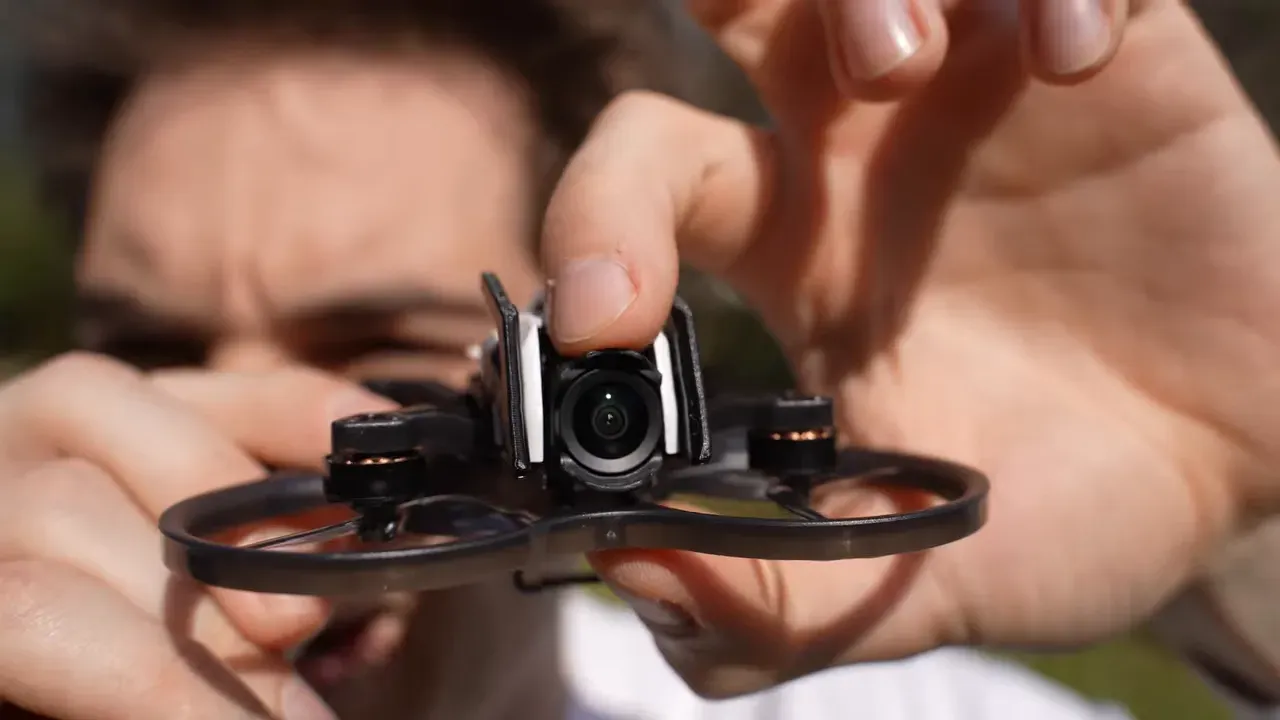
Power uses an XT30 battery connector. The O4 light and VTX sit on soft mounts, so the camera stack is mechanically isolated instead of bolted rigidly to the airframe.
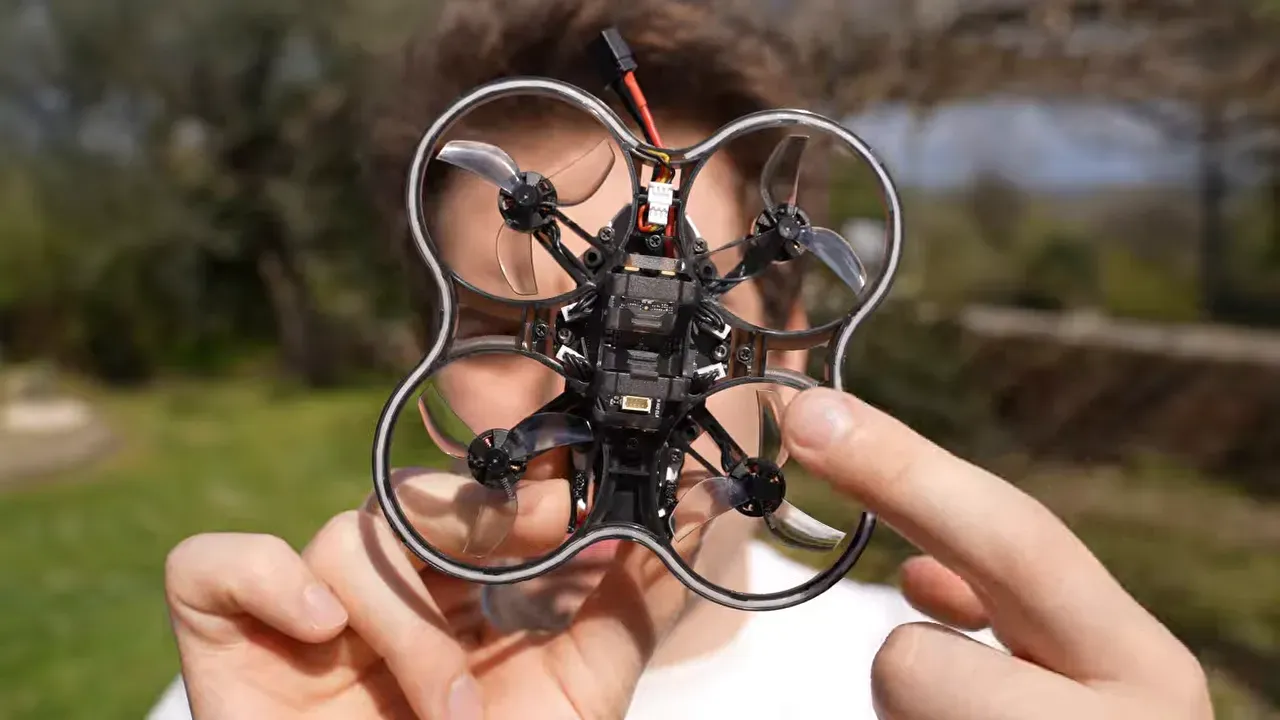
Control electronics include an F4 flight controller with 12A ESCs. It supports up to 3S in principle, though the motors are maximum 2S in practice.
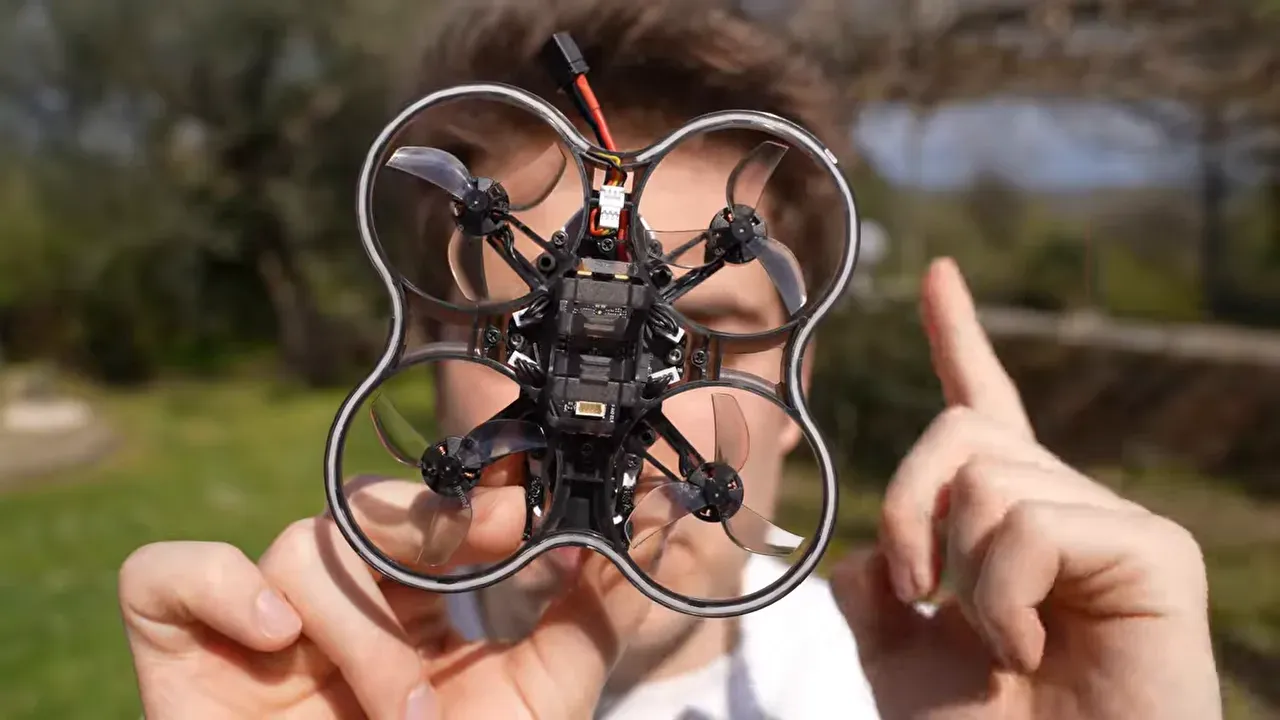
ExpressLRS comes integrated. Setup and tuning use the SPDB app over Bluetooth, using a phone connection instead of needing a dedicated laptop toolchain.
First flight in spring chicken territory: smooth Acro, manageable vibration
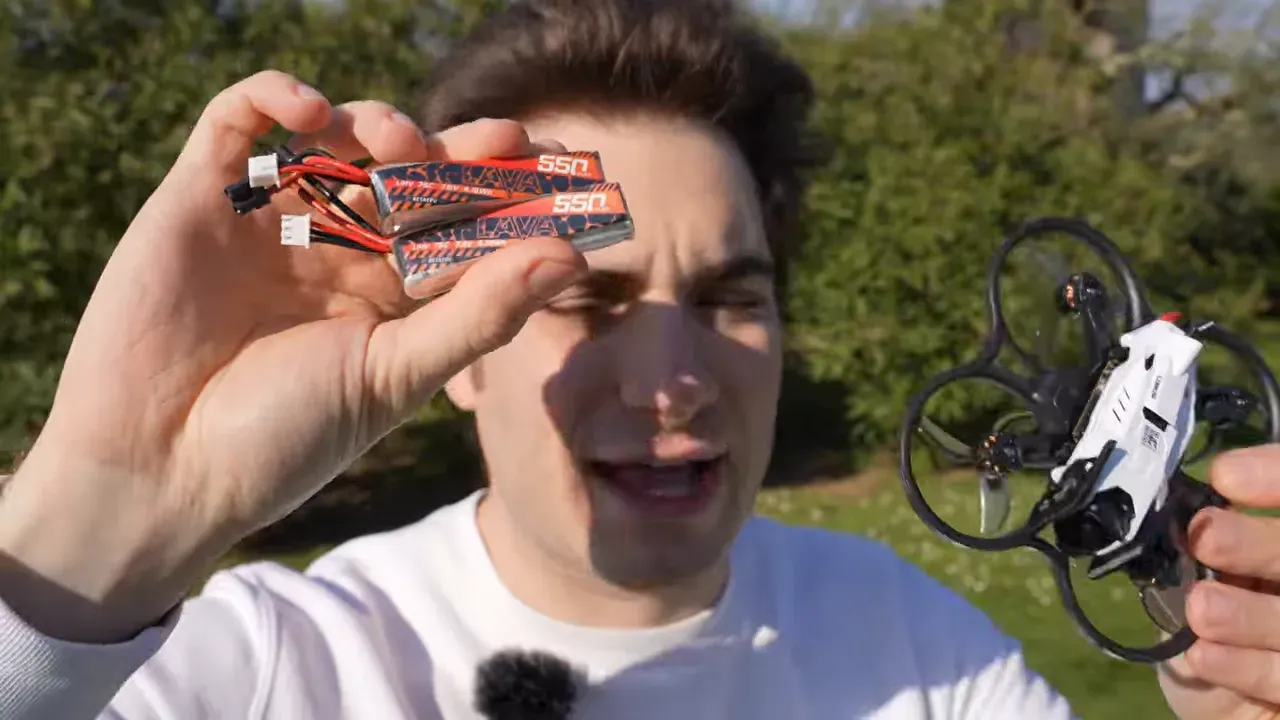
The test setup uses 550 mAh 2S HV packs that fit the stock tray. The day starts breezy, because spring wildlife and open backyard space are both hostile to “calm conditions.”
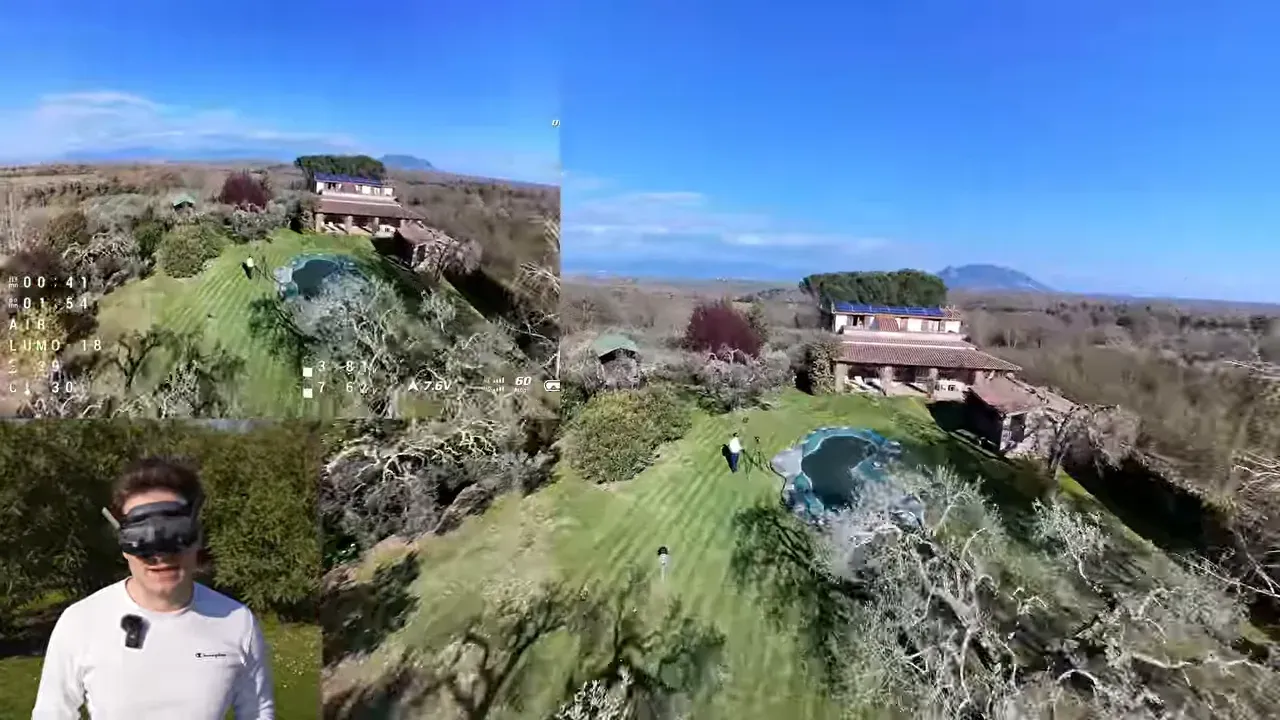
In Acro mode, the Lumo18 flies better than expected. Noise is higher than predicted for something that small, but the craft stays smooth rather than twitchy.
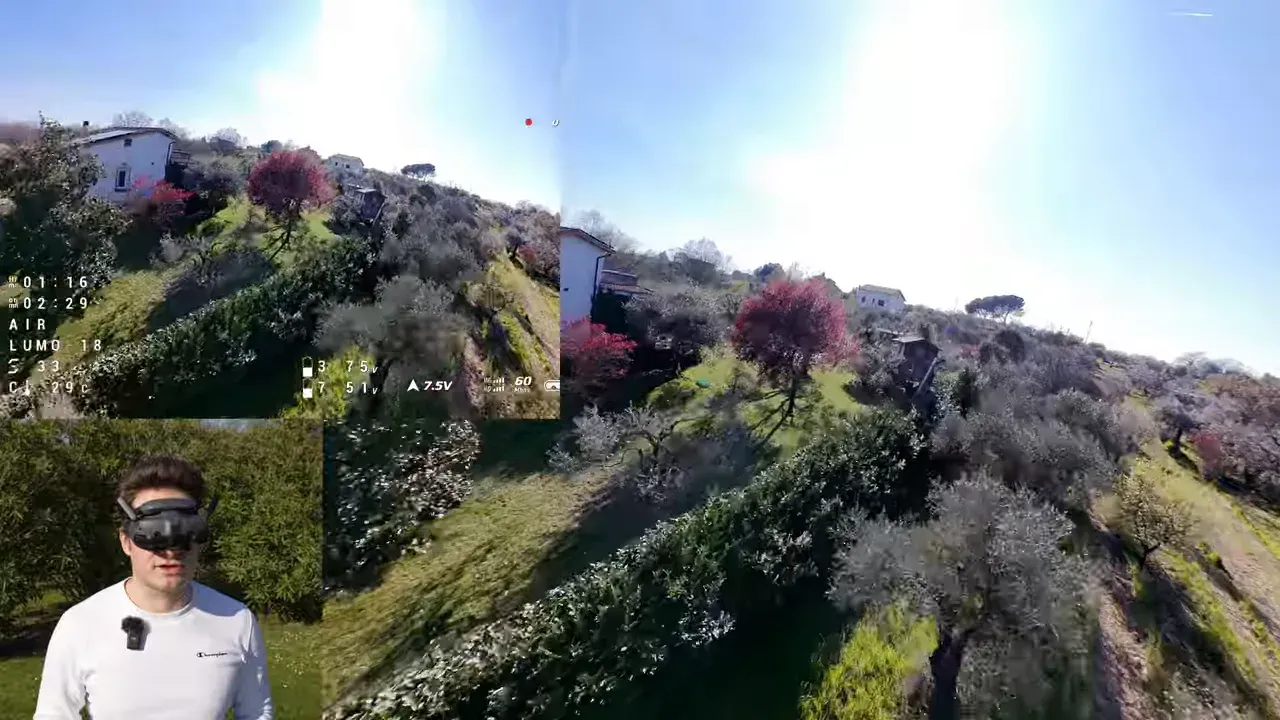
There’s a little vibration, but it stays in the “annoying, not broken” range. The important question is what the camera does with gyro data and stabilisation later.
GyroFlow stabilisation: wide-angle profile or you get it wrong
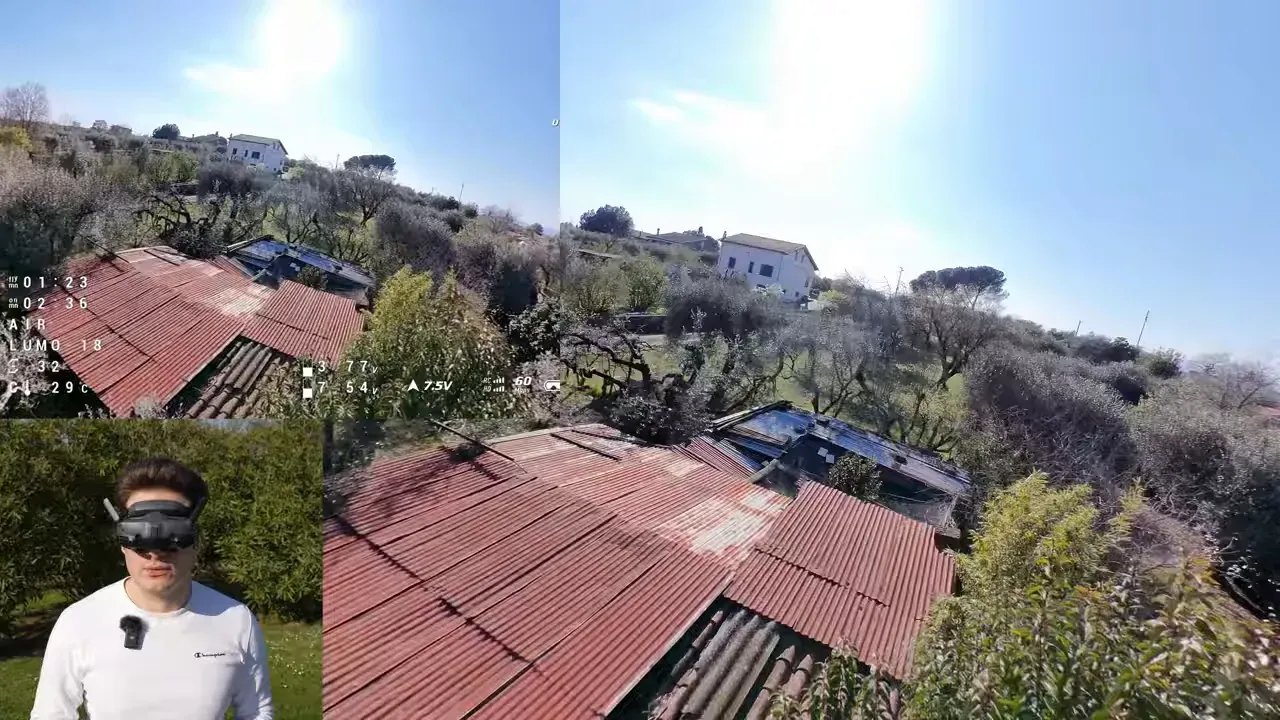
Because this setup uses an O4 wide-angle lens, stabilisation needs the right profile. GyroFlow expects wide-angle lens mode during stabilisation, or the output won’t match the recorded geometry.
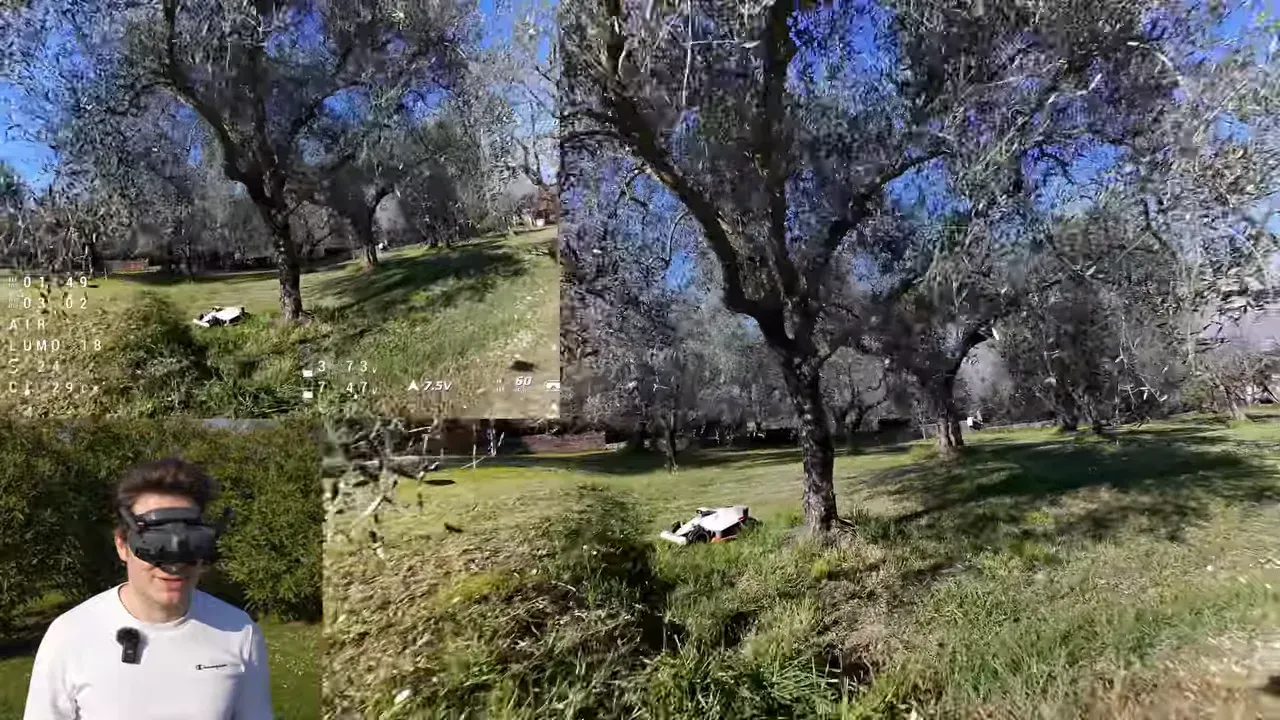
The stabilisation pipeline also depends on recording GyroData. That’s exactly what gets captured here, so post isn’t guesswork and it avoids the “looks fine on the stick, falls apart in edit” trap.
Battery life and handling: around four minutes, even when pushing into wind
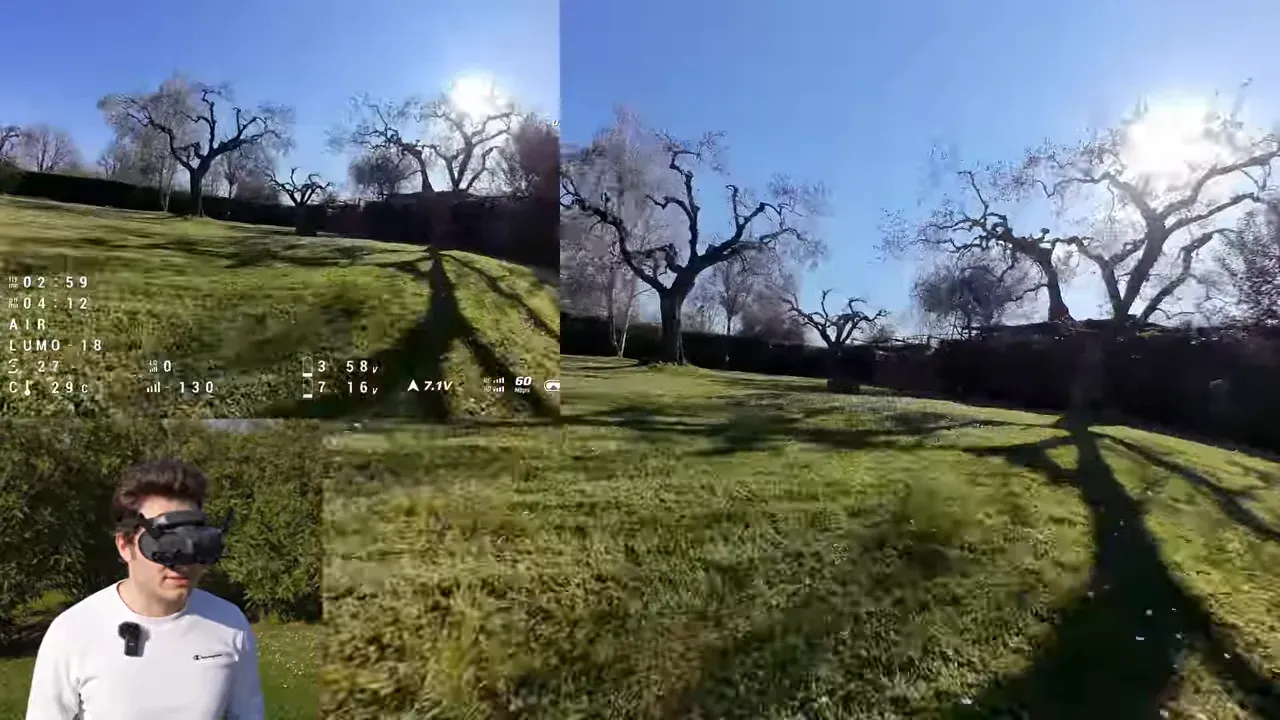
Battery life lands at about three minutes initially, then extends to roughly four minutes when the charge state and conditions cooperate. The craft still runs entertainingly long for a tiny whoop, especially when it fights headwind.
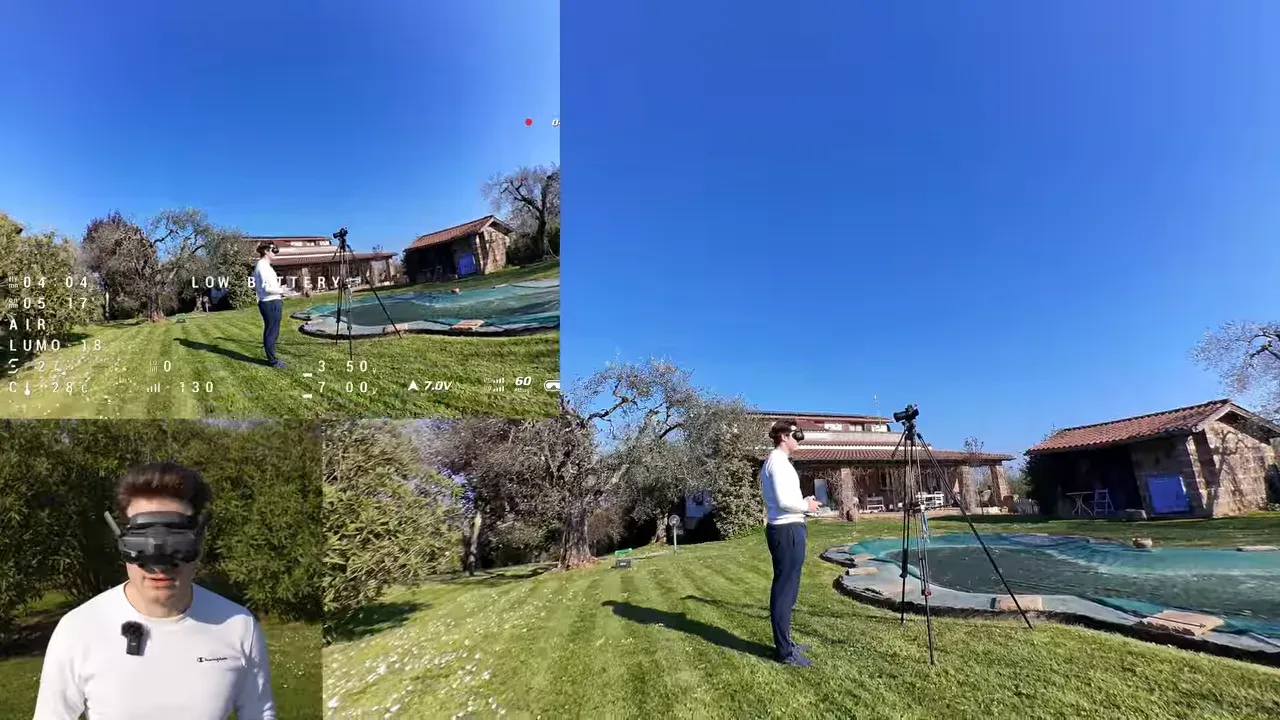
Wind speeds are estimated around 20 km/h, possibly 30 km/h. It’s not ideal, but the goal is realism: a tinywhoop shouldn’t need a still room to perform.
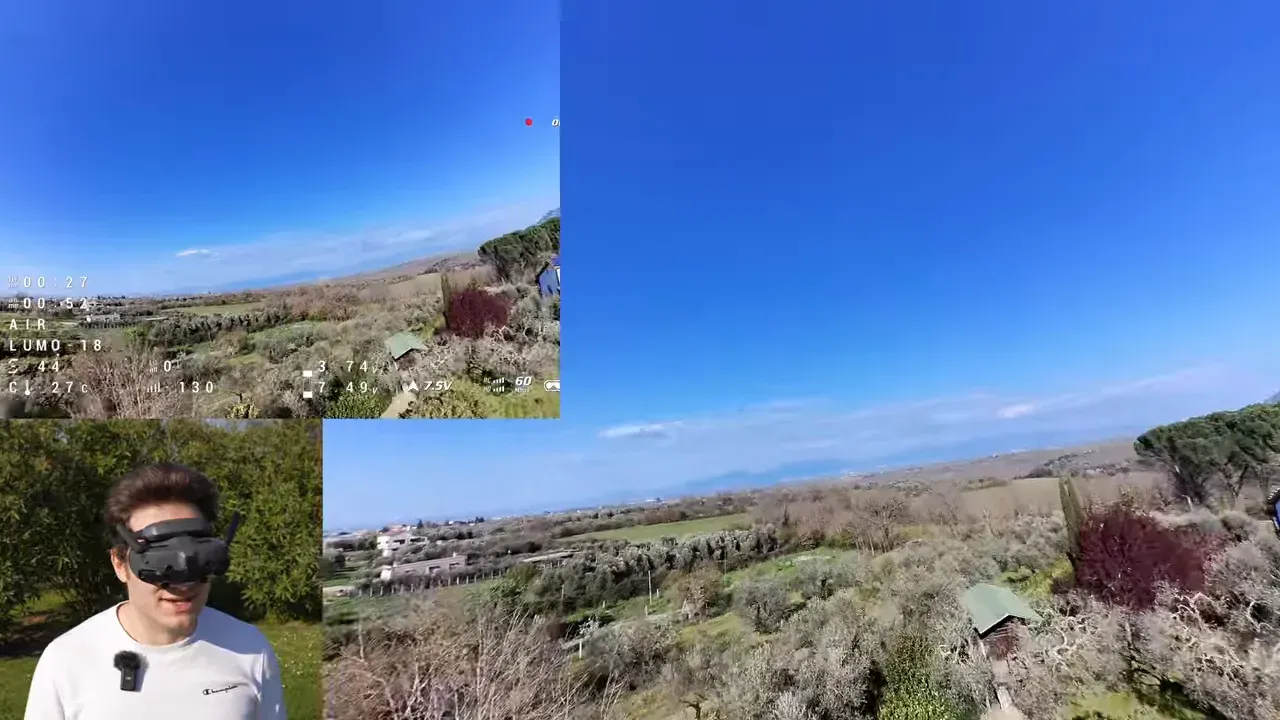
In tougher gusts, the drone moves with the wind when doing tricks, because it’s facing it constantly. Even so, the flight feel stays more coherent than the typical jittery “micro quad” stereotype.
Second battery, harder tricks: best-in-class jello avoidance (with soft mounting)
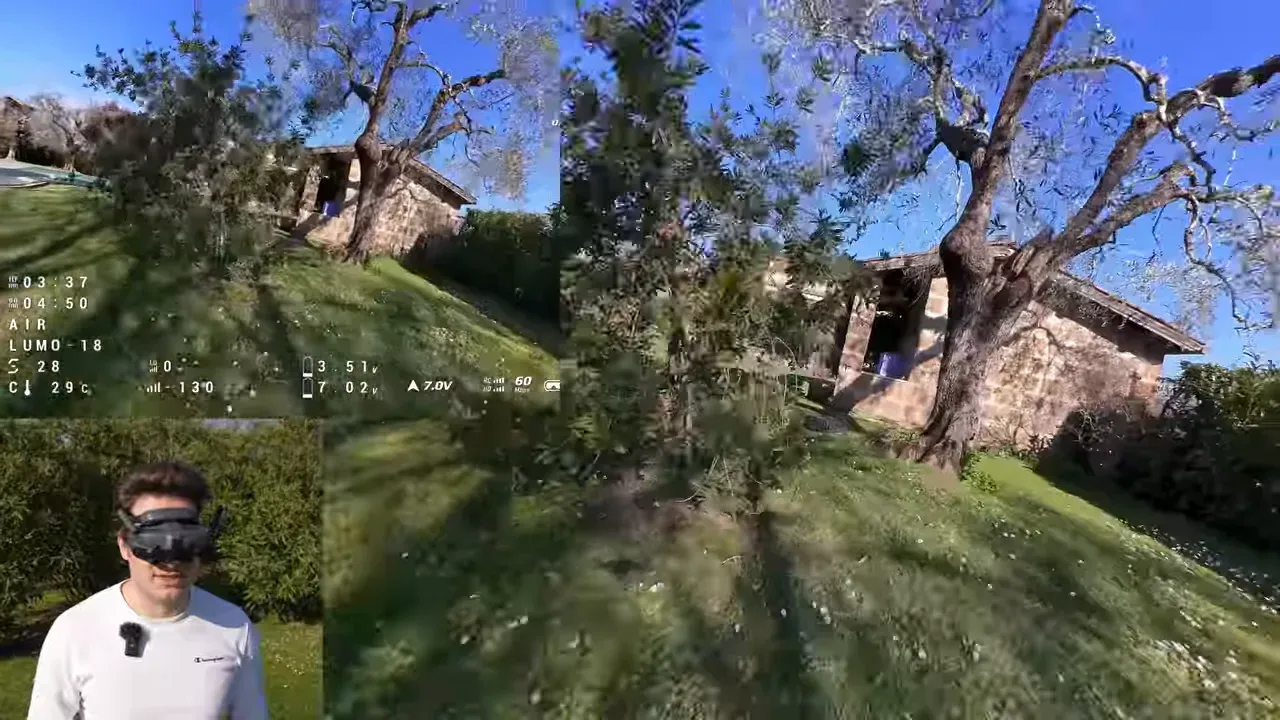
The second flight goes harder, including tricks that would normally reveal frame flex and camera jello. The rates feel aggressive, so small stick movements take larger outcomes than expected.
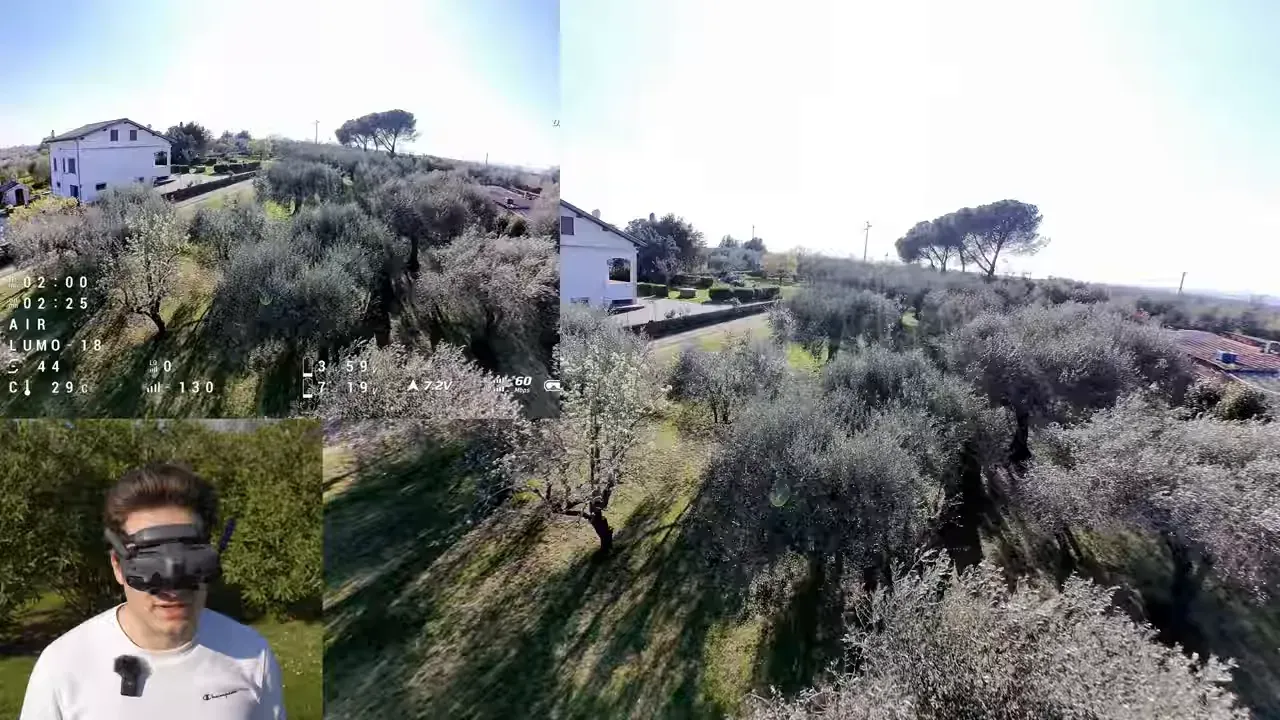
A quick note on technique: small adjustments and adding expo help calm the response. Aggressive rates plus wind is not the time to pretend you are a calm-handed pilot.
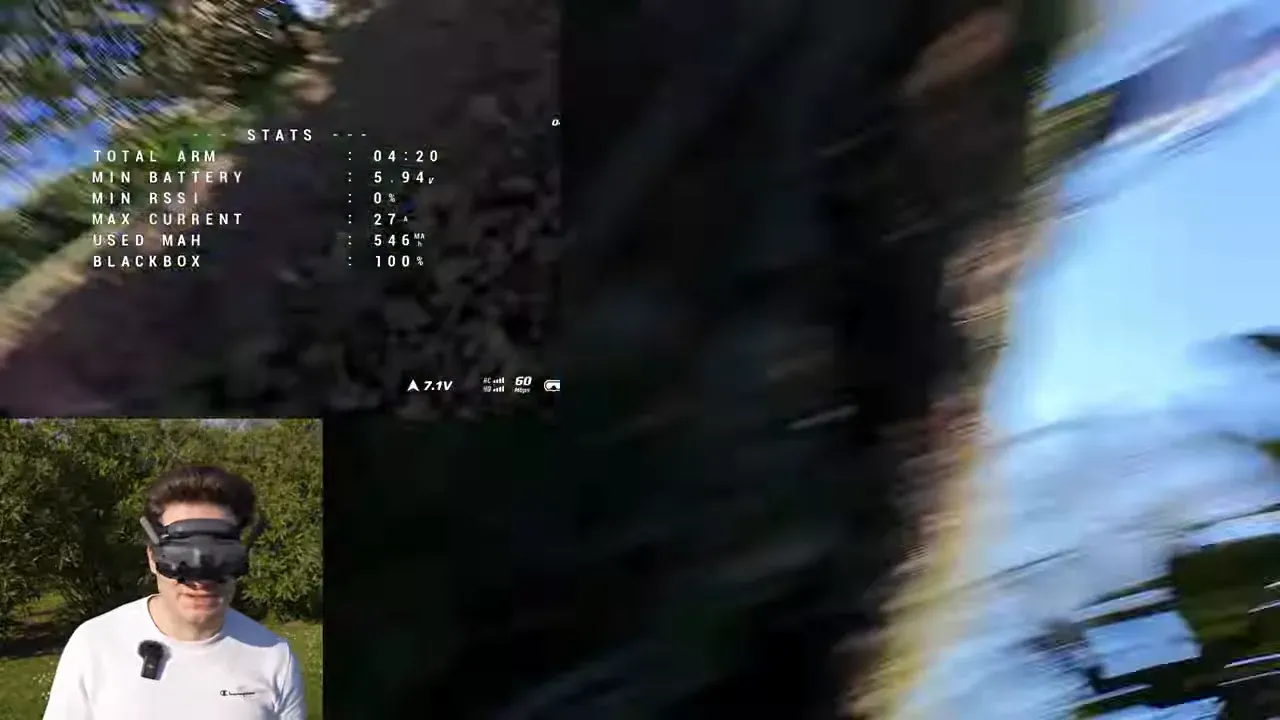
After reviewing GyroFlow output, the footage is described as perfect: no jello and no crazy gyro issues. Soft mounting is doing its job, keeping the camera stack from translating every vibration straight into the lens.
Outdoors chaos: robot mowing, chicken hunting, and the “can it survive spring?” check
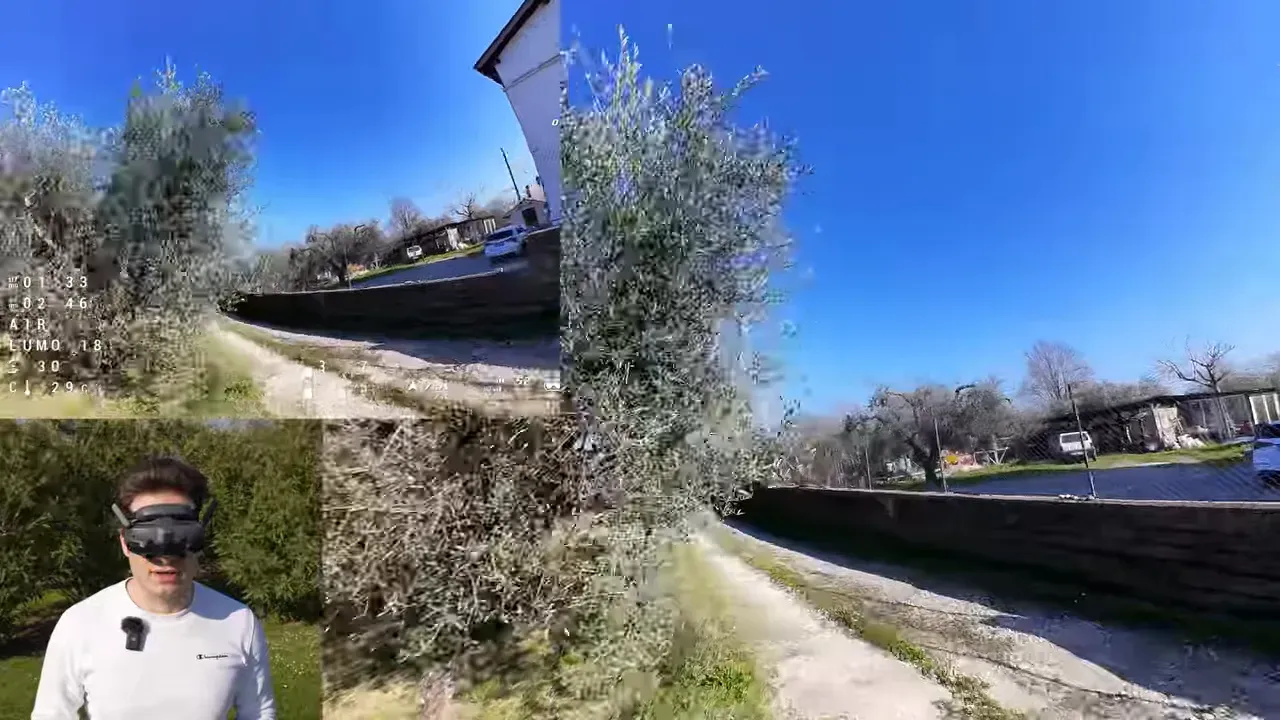
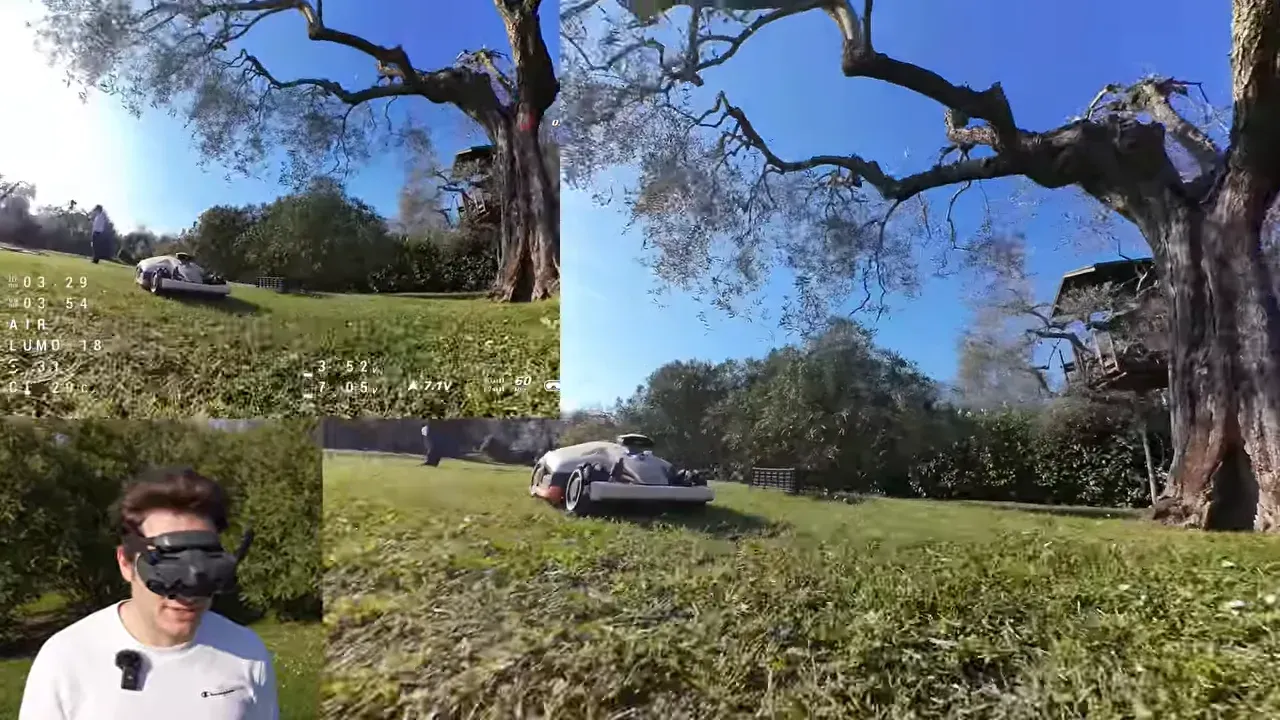
Outside tests include more than just wind. A lawnmowing robot creates stripes across the yard, acting like an obstacle course made of moving grass chaos.
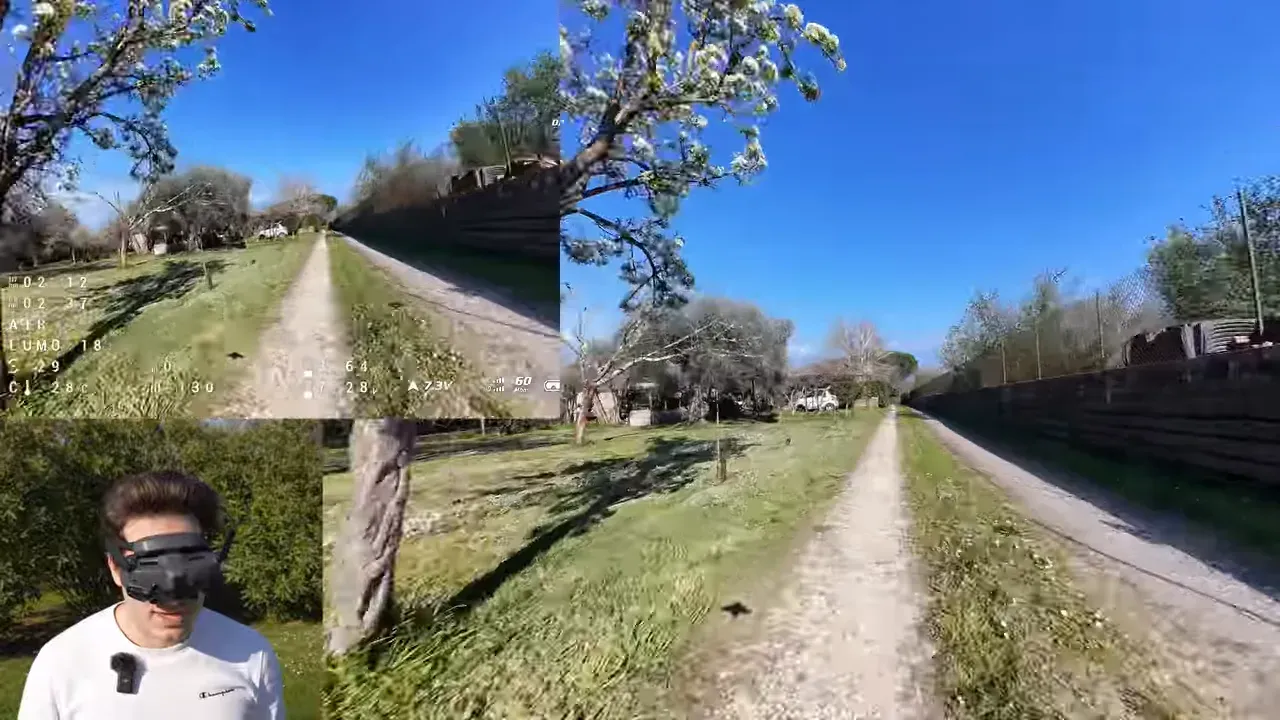
The “chicken chase” theme continues, because spring chickens find cover under bushes with zero remorse. The drone handles the backyard terrain, including small climbs and narrow paths that force tighter flying lines.
The craft also has a practical weakness to watch: only one pair of propellers comes in the box. Breaking props is still possible, and replacements cost extra if you didn’t plan ahead.
Final verdict: a tinywhoop that can both fly and stabilise
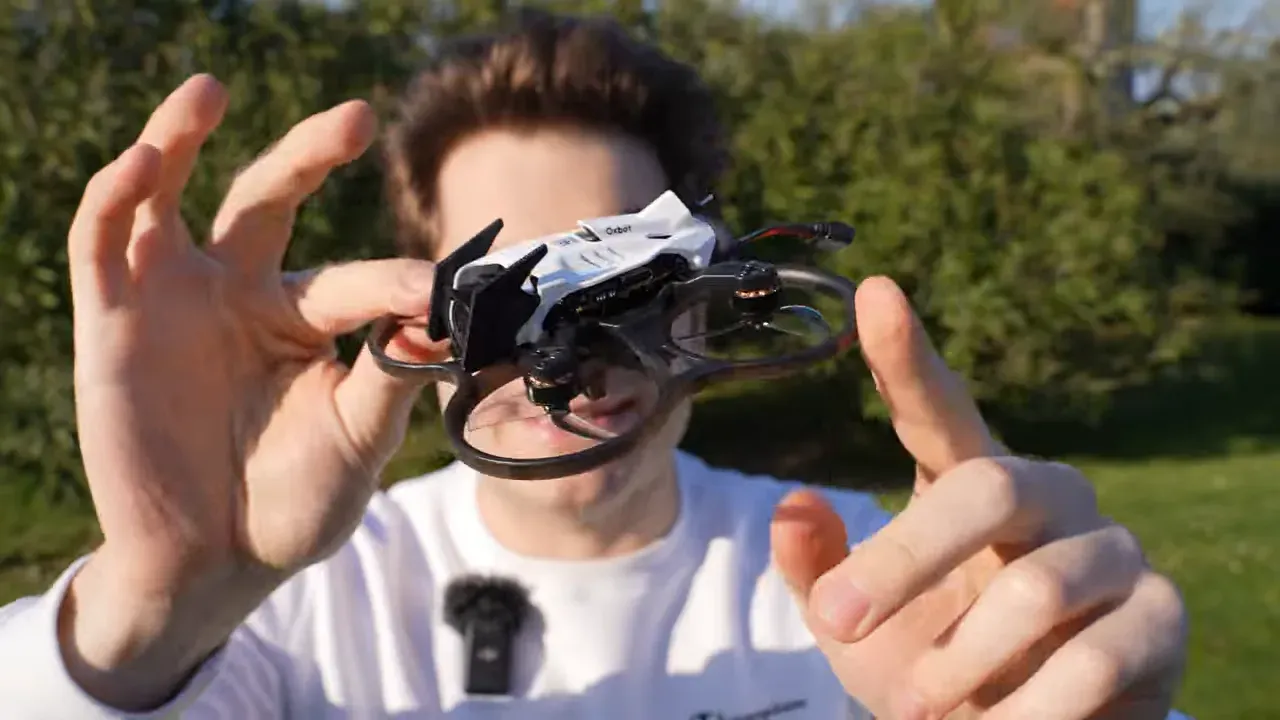
The Lumo18 earns praise for combining smooth flight with smooth stabilised recording using the DJI O4 Lite wide-angle lens. In the author’s experience, many competing tinywhoops do one job well and fail the other.
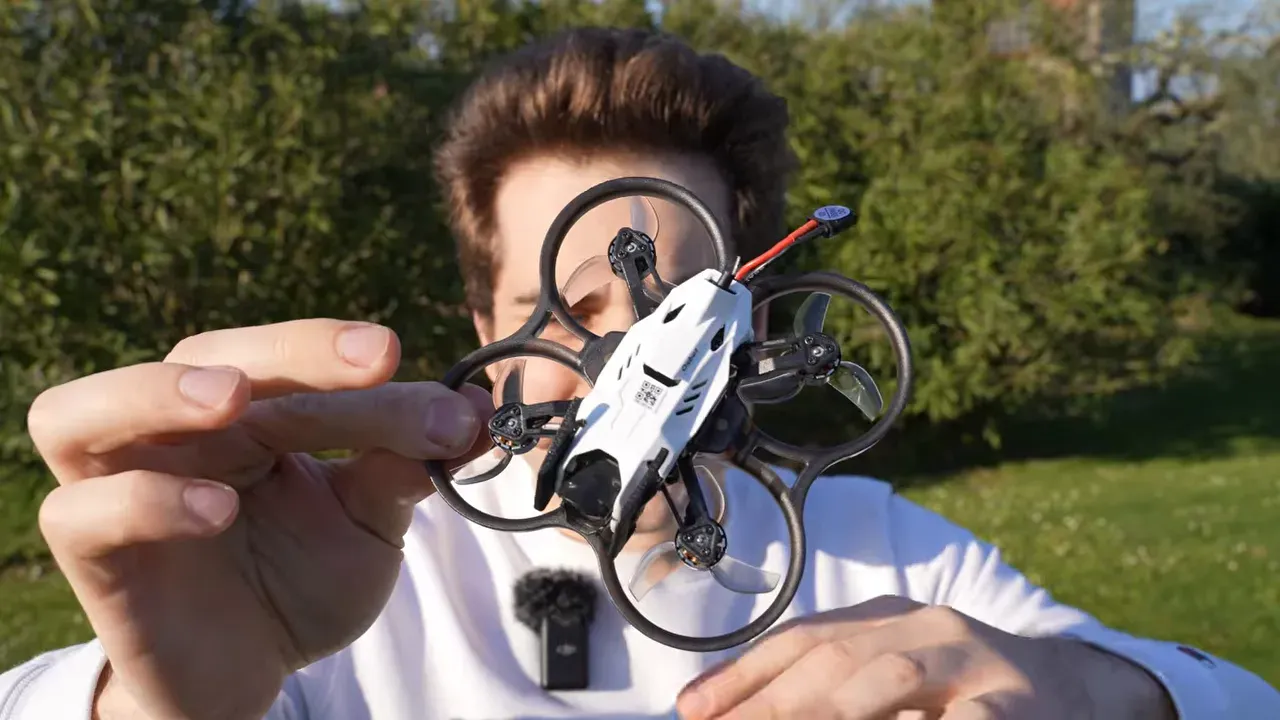
It’s not perfect. The craft is described as a little heavy for preference, with an estimated “about 50 grams” wish instead of the 65 g class number cited with the wide-angle adapter.
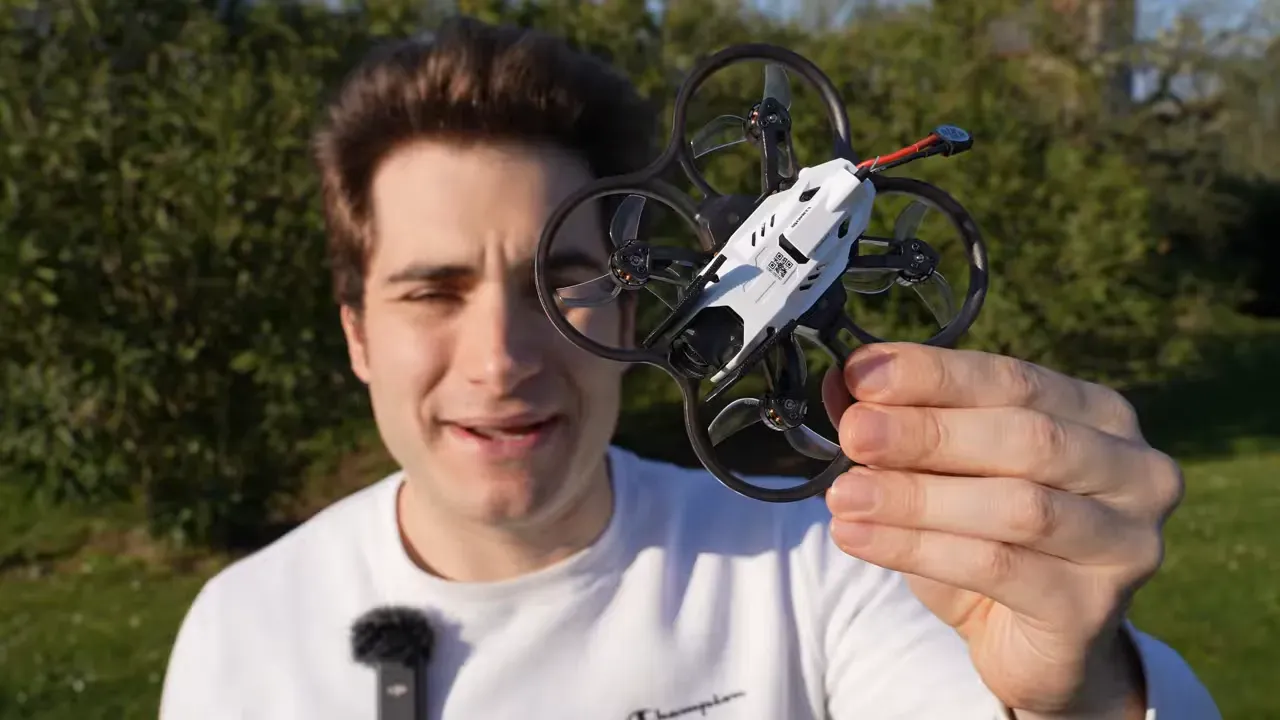
Still, the verdict is clear: for DJI O4 Lite tinywhoops, the Oxbot Lumo18 looks like one of the best options tested. The combination of stiff frame, soft-mounted camera stack, and stabilisation-friendly wide-angle workflow seems to land in the sweet spot.
FAQ
Is the Oxbot Lumo18 really jello-free?
The author reports GyroFlow results as “perfect,” with smooth stabilised footage and no jello. Correct wide-angle stabilisation settings are required during post.
What batteries fit best?
The stock tray fits 550 mAh 2S HV packs well. The frame tray can be modified to use bigger batteries by cutting the mounts and using the included strap.
Does it fly well outdoors in wind?
The flights are performed in breezy conditions estimated around 20 to 30 km/h. The craft stays smooth, though the author notes increased movement when constantly facing headwind.
How do you tune it with ExpressLRS?
ExpressLRS is integrated, and tuning uses the SPDB app via Bluetooth on a phone. This avoids laptop-first setup for many common adjustments.
Any gotchas for GyroFlow stabilisation?
GyroFlow needs the wide-angle lens mode/profile during stabilisation. If the wrong lens mode is selected, the stabilisation result can degrade.
Takeaway box
- Oxbot Lumo18 aims at the rare tinywhoop combo: smooth Acro handling and clean DJI O4 Lite wide-angle stabilised footage.
- Soft-mounted camera stack plus correct GyroFlow wide-angle settings helps avoid jello.
- Outdoor real-world test includes wind, obstacles, and spring chaos.
- Minor annoyances include aggressive rates, extra prop spares not included, and slightly higher weight than ideal.
Skim-reader nuggets
- Jello test passed: GyroFlow output reported as smooth, not wobbly.
- Rates feel sharp: expo helps if the stick response surprises.
- Wind wasn’t gentle: still flies cleanly in strong breezes.
- Post matters: wide-angle profile in GyroFlow is required.
- RGB is loud (in a good way): the LED strip is the standout party trick.
This article was based from the video The Best Dji O4 Lite Tinywhoop! Oxbot Lumo18 Review