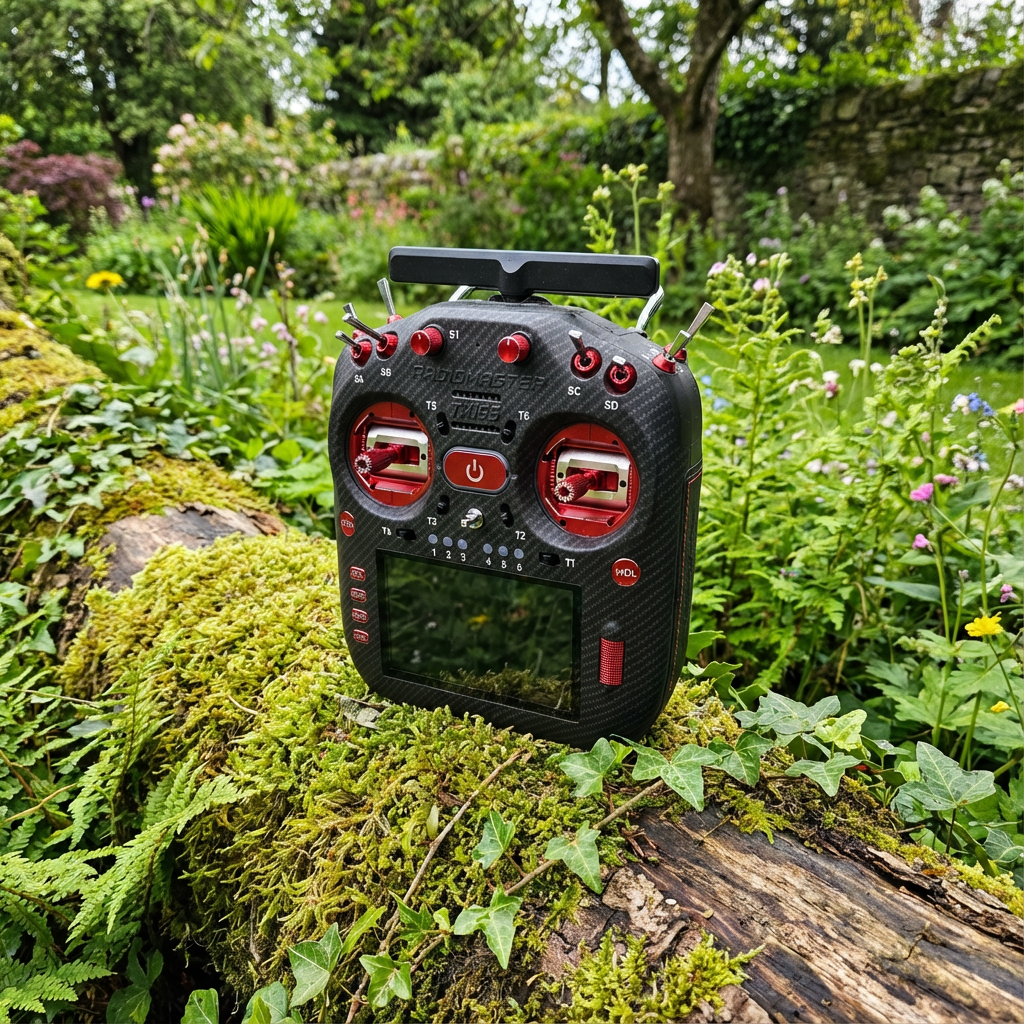
The RadioMaster TX16S Mk3 Max lands as a chunky, feature-rich transmitter for pilots who demand ELRS and premium gimbals. TL;DR: it packs Gemini X 2.4/900MHz, a 480x800 IPS touchscreen, and CNC AG012 gimbals — and it wears those upgrades like a heavy coat.
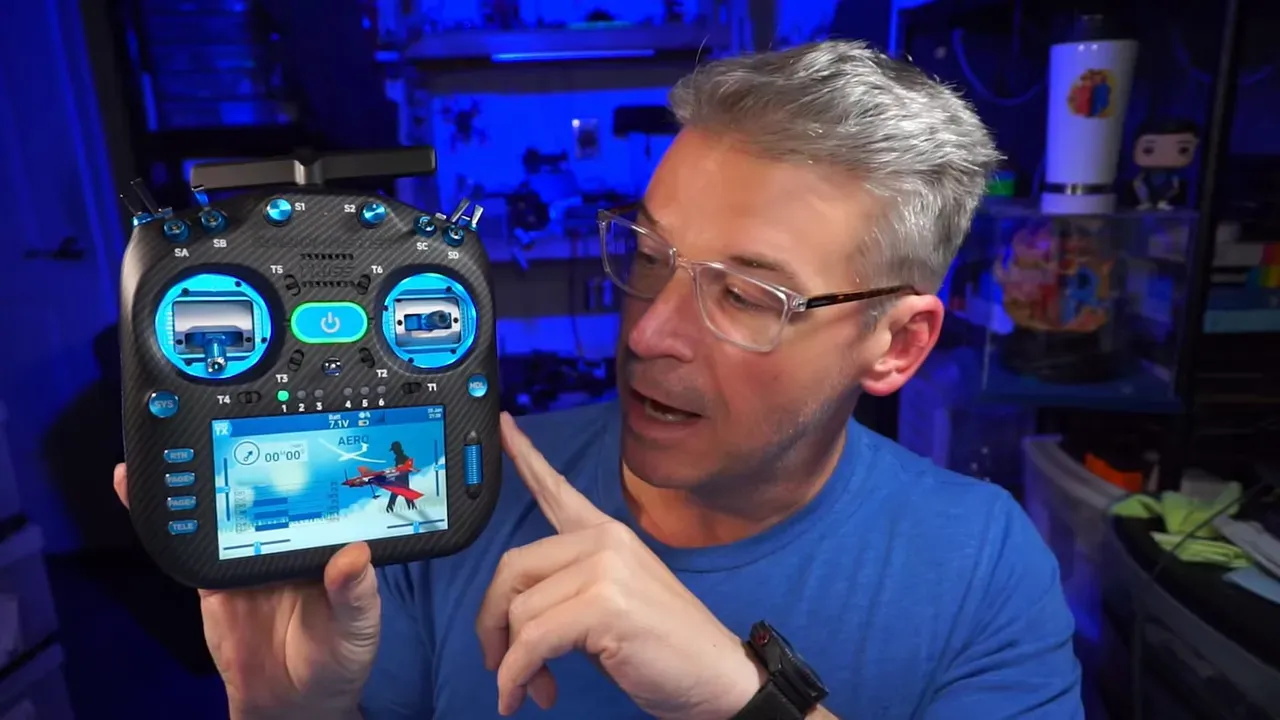
What changed from Mk1 to Mk3, and what is the Max?
RadioMaster refined the faceplate and controls and upgraded the processor to keep EdgeTX responsive under heavy widgets or high packet rates. The Max variant adds full CNC AG012 aluminum gimbals, metal trim accents and stitched grip pads — the standard Mk3 keeps quad-bearing gimbals.
Gimbals and sticks — why the Max feels premium
The AG012 gimbals on the Max are solid CNC aluminum and feel tighter than the original AG01 set. Front-access spring tension adjustment remains; the supplied set screws let pilots change stick height quickly without opening the case.
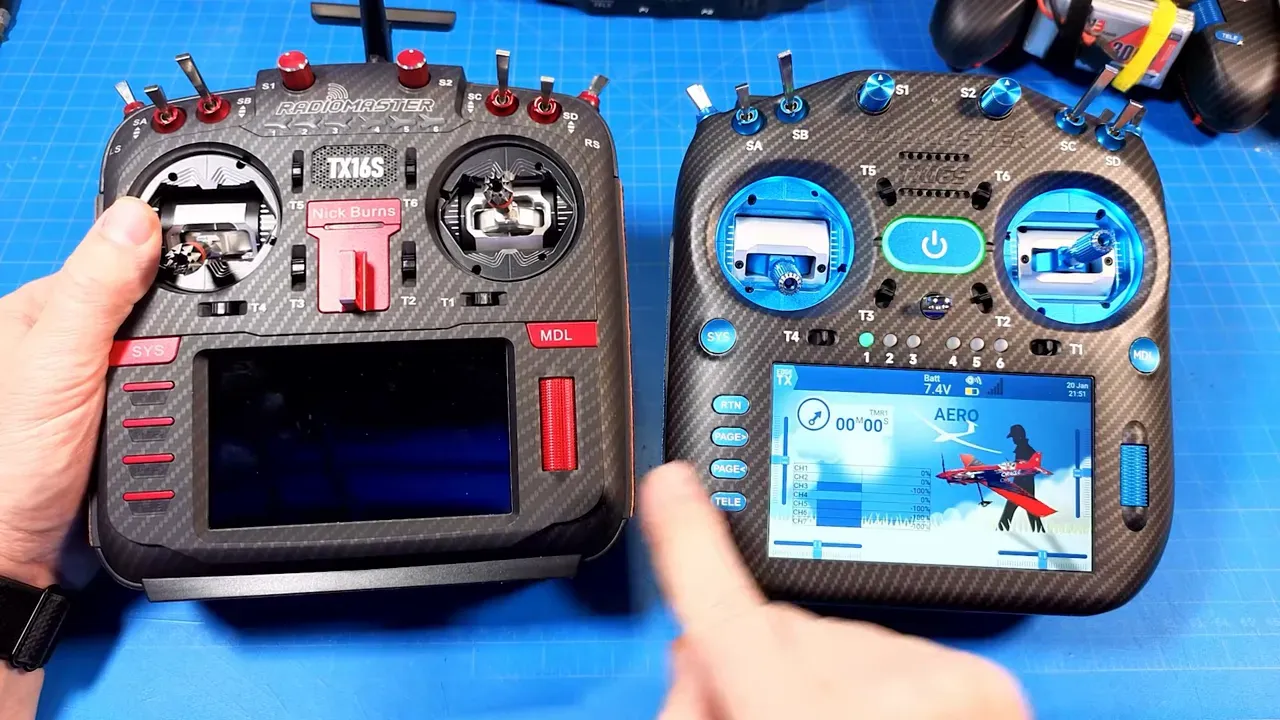
Touchscreen, UI and raw processing power
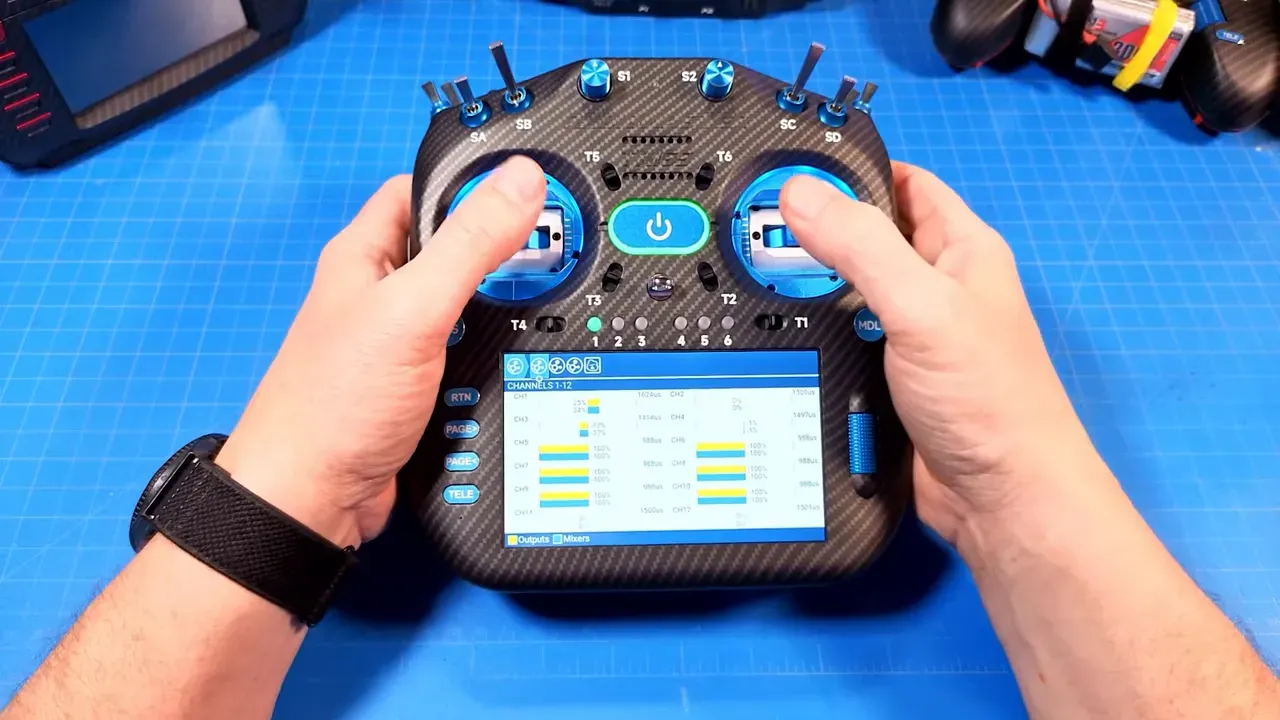
The 480 by 800 IPS touchscreen responds well and sits alongside a smaller metal roller button and improved menu keys. Upgraded internals handle EdgeTX widgets and faster telemetry or receiver packet rates without the lag older TX16S units sometimes showed.
Radio protocols — Gemini X and ELRS flexibility
Gemini X sits inside the unit supporting 2.4GHz and 900MHz, but RadioMaster does not force pilots to use a Gemini receiver. ExpressLRS support remains a headline feature: reliable links and outstanding range, assuming the pilot fits suitable antennas for long-distance flights.
Ports, charging and simulator use
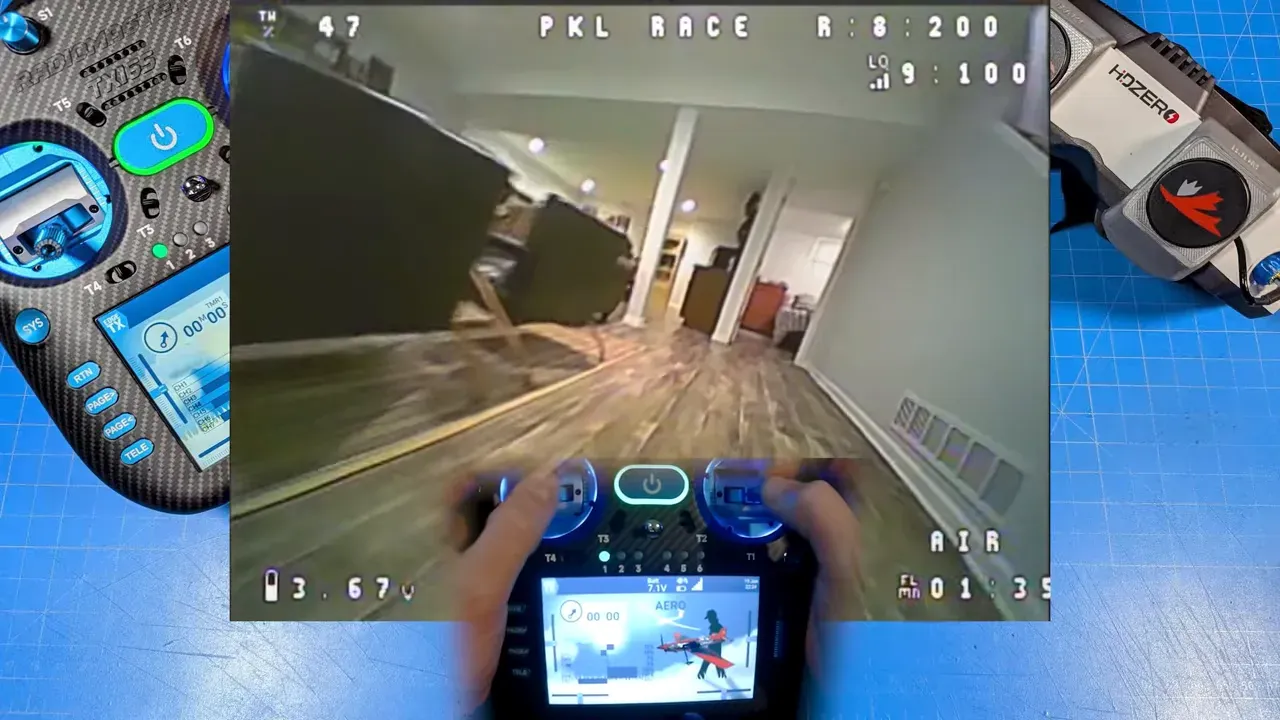
A thicker rubber flap covers a USB-C port that serves both simulator connectivity and internal battery charging. The TX16S Mk3 can run a simulator as an HID device while charging radio batteries — handy for bench tuning or practice sessions.
Battery, back grips and practical runtime
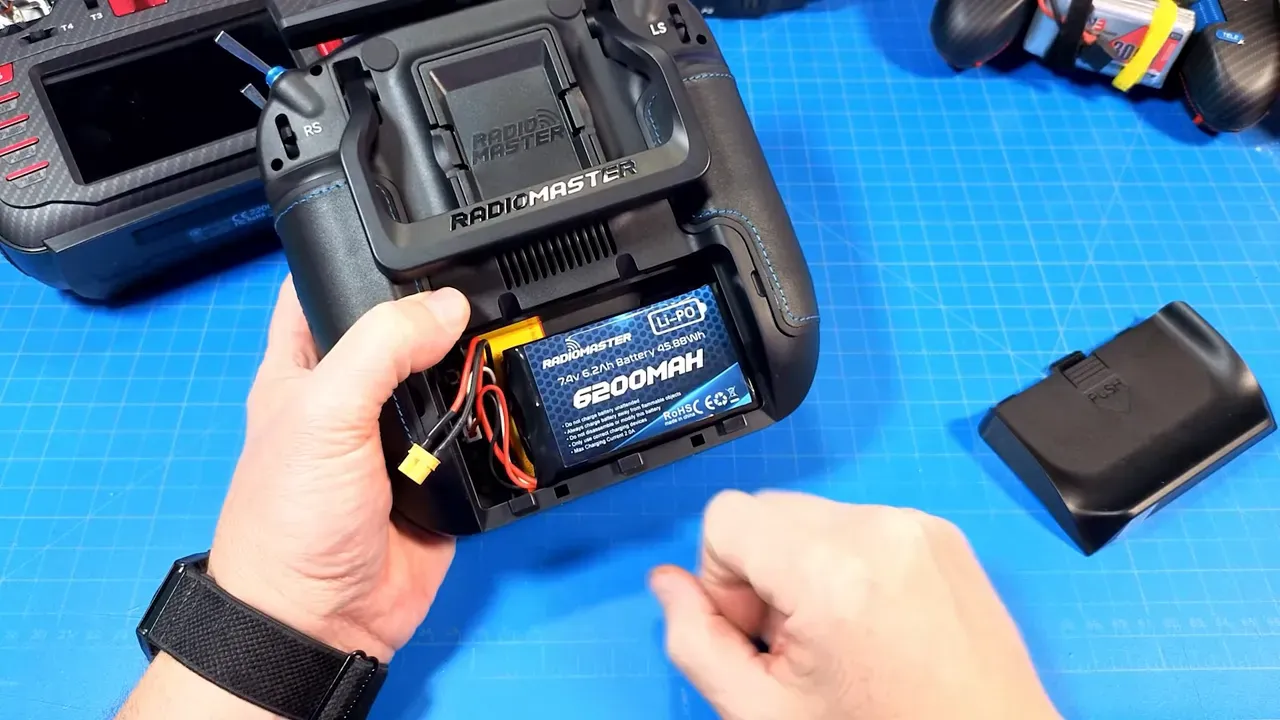
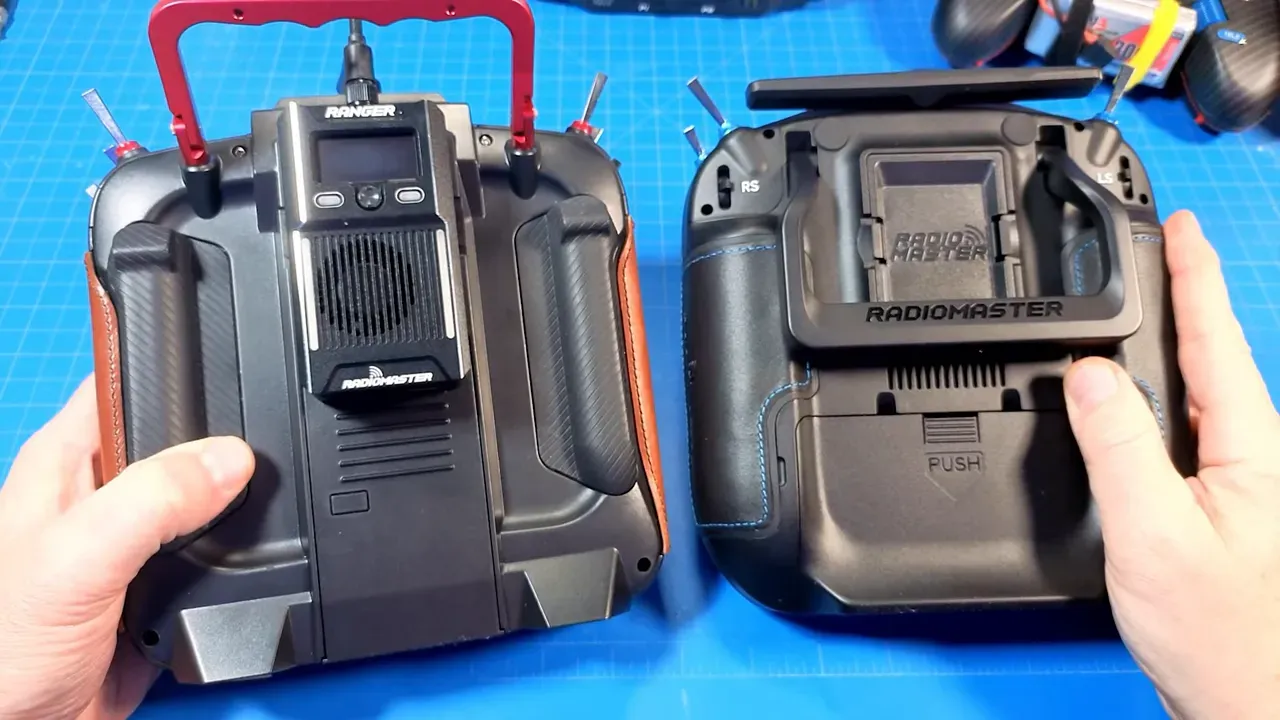
The unit accepts large external packs; a 6,200mAh RadioMaster pack fits comfortably and extends session time dramatically when backlight is reduced. Leather grip pads sit in rubber inserts and pull out for service access — useful for repairs or internal swaps.
Size, ergonomics and lanyard position
This is a big radio — taller than the original TX16S and less deep, with similar width. Pilots with shorter fingers should test reach to the stick corners. The Mk3 simplifies the lanyard anchor to a single locked position, which suits many but reduces flexibility for those who rely on alternate hang points.
Switches, pots and the small details that matter
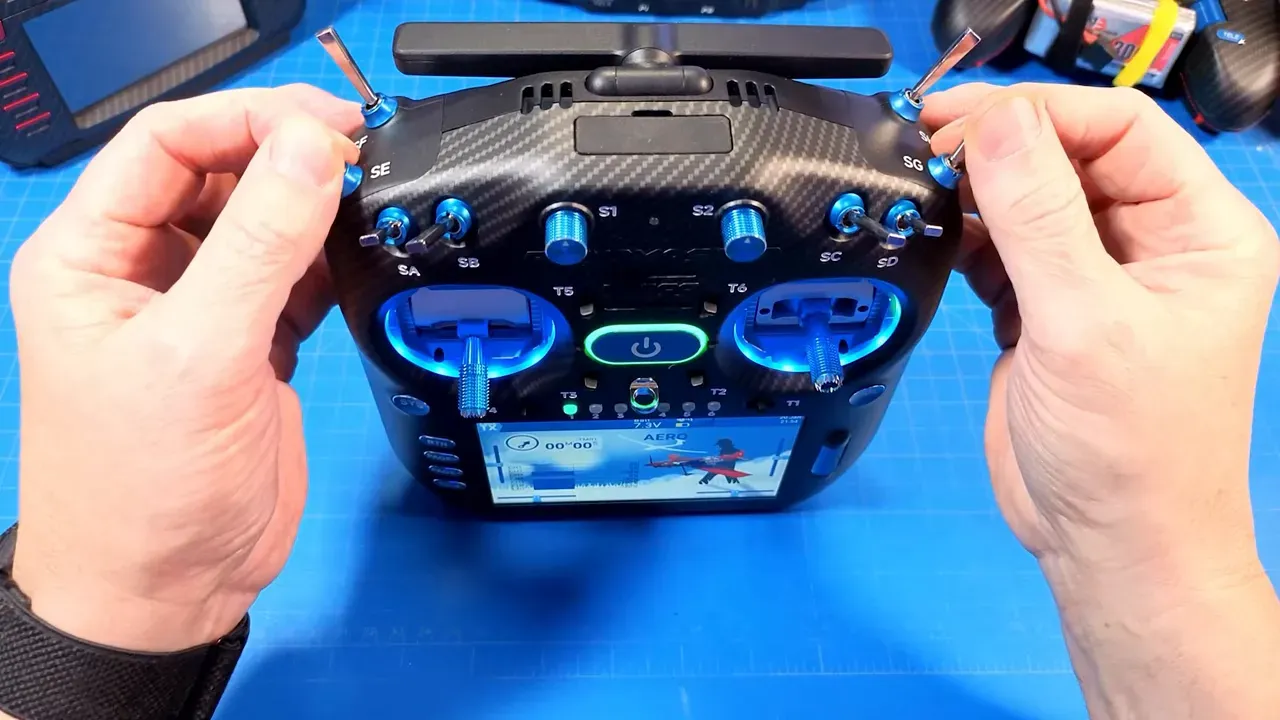
Switches moved slightly and now include momentary, two-position and several three-position toggles. Potentiometers now present a firmer center detent compared with older versions — they resist accidental bumps better and feel more deliberate under thumb.
How it stacks against the RadioMaster family and competitors
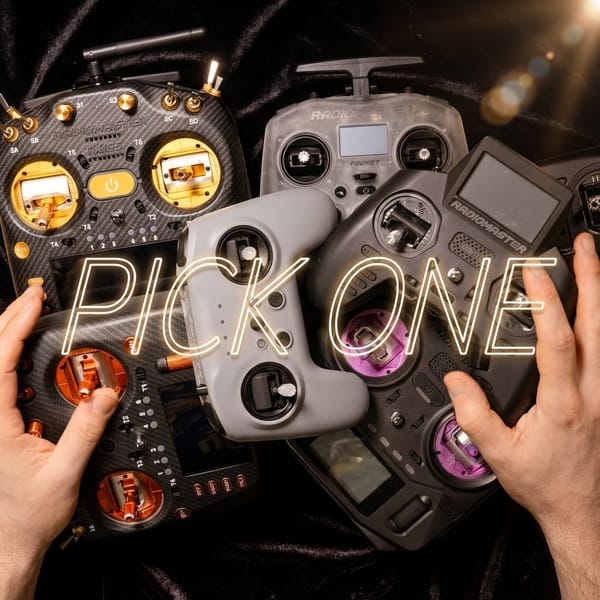
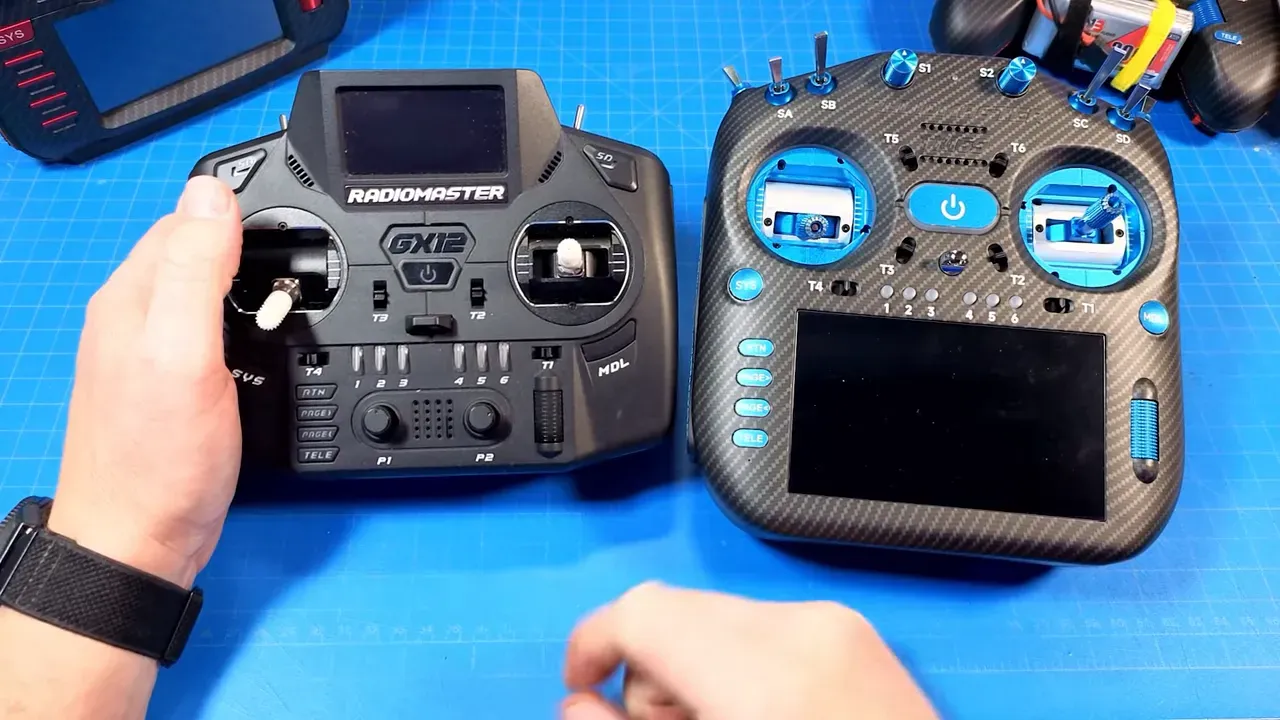
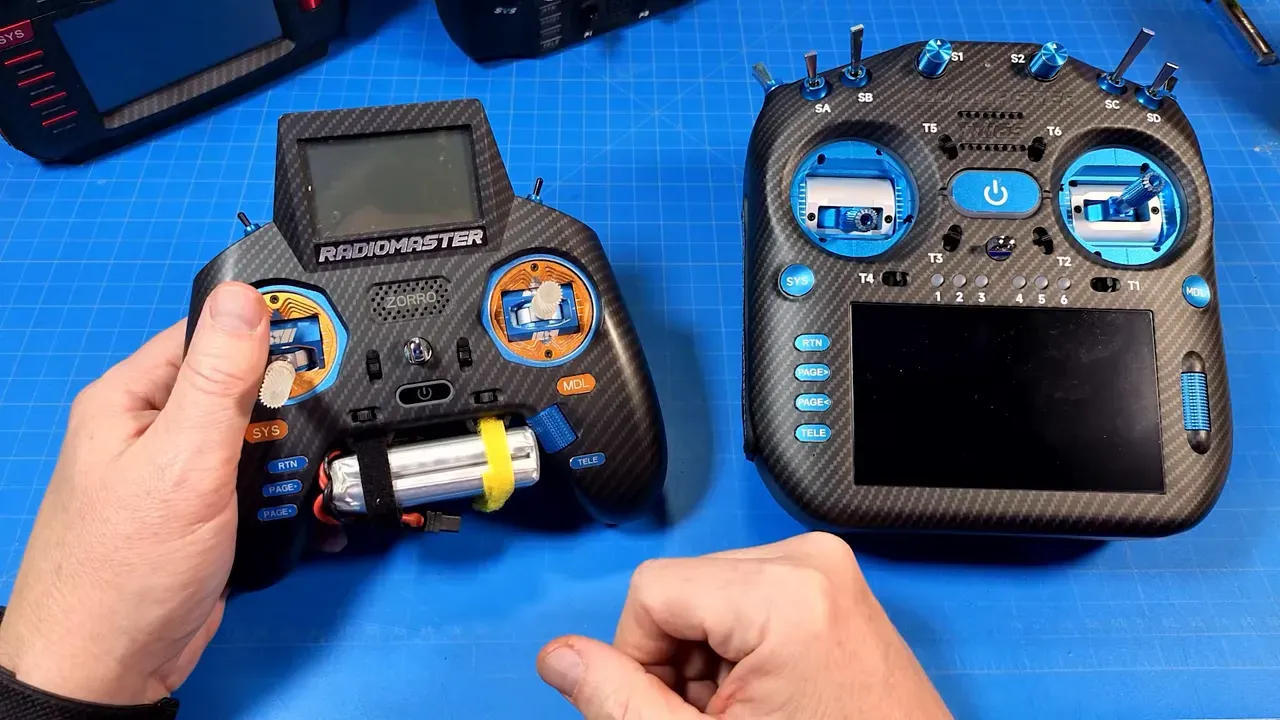
Compared side-by-side, the Mk3 Max towers over pocket-class radios like the Zorro and GX12 in presence and control spread. The GX12 and Zorro remain better for pilots who prioritise compactness; the Mk3 Max serves those who value screen real estate, premium gimbals and protocol flexibility.
Who should buy the TX16S Mk3 Max?
The Mk3 Max suits pilots who fly micros and full-size quads and who want a beefy transmitter that doubles as an ELRS hub. It proves ideal when screen clarity, gimbal quality and long runtimes matter more than minimal pocketability.
Where To Buy:
Practical caveats and small gripes
The Max swapped a previously metal rear handle for plastic, shaving perceived premium feel. The radio size can intimidate pilots with small palms — hybrid pinch users should try one before committing.
Is the TX16S Mk3 Max compatible with current ExpressLRS builds?
Yes. The unit supports ExpressLRS and the onboard Gemini X radio covers 2.4GHz and 900MHz. Pilots can run ELRS receivers independently of Gemini X if they prefer separate hardware choices.
Does the Max require the Gemini X receiver to work?
No. The transmitter includes Gemini X but does not force a specific receiver ecosystem. Use the protocol and receiver pairing that fits each pilot's range and redundancy needs.
How long does the internal battery last?
Runtime depends on battery size and backlight use. A 6,200mAh pack delivers long sessions if pilots dim the screen. USB-C charging means bench sessions for tuning will not drain a main pack quickly.
Can the gimbal feel be adjusted without opening the case?
Yes. Spring tension is adjustable from the front and stick height changes via supplied set screws. That keeps most tuning tasks external and fast.
Takeaways
TX16S Mk3 Max marries ELRS flexibility with CNC AG012 gimbals — heavy, precise and very competent.
Bigger screen and a stronger processor mean EdgeTX widgets and high packet rates run smoothly without lag.
If portability matters, consider GX12 or Zorro; if control fidelity and runtime matter, the Mk3 Max wins.
Practical gripes: plastic rear handle and sheer bulk — test hand reach before buying.
Large battery support and USB-C charging make the Mk3 Max a solid daily driver for bench work and backyard flying.
This article was based from the video RadioMaster TX16S Mk3 Max Review