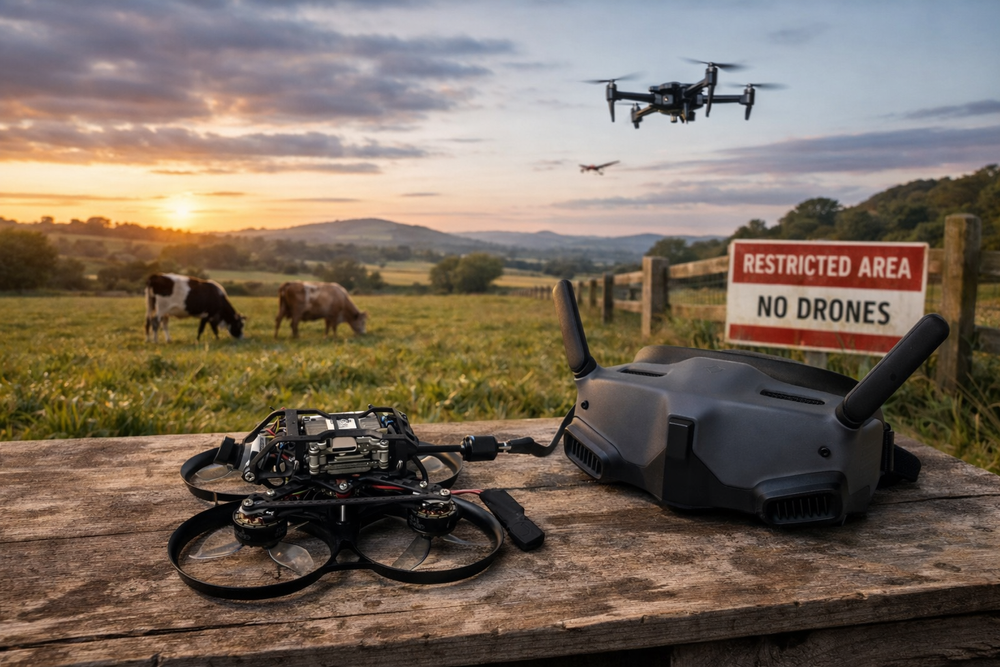
New year, new drone rules. From 1 January 2026, the UK Civil Aviation Authority (CAA) finally ends the long-running “temporary” exemptions and replaces them with a more permanent, structured, and predictably less-fun framework.
If you fly DIY FPV, build your own quads, or operate drones commercially, this is the point where the rules stop being theoretical and start affecting how, where, and sometimes if you can fly.
This is the short, survivable version.
TL;DR (for people who already regret scrolling)
If your drone is heavy, old, or you refuse to do paperwork, 2026 is coming for you.
- January 2026 ends all “temporary” drone loopholes – the rules stop being forgiving and start being permanent.
- Sub-250g drones stay king: they can still fly in A1, including over people (not crowds).
- The 250–500g free pass is gone – if it’s over 250g, it no longer gets special treatment.
- More drones need registering: anything 100g+ with a camera now needs an Operator ID.
- A2 CofC is no longer optional if you want to fly heavier FPV drones anywhere near civilisation.
- DIY FPV builds don’t get class markings and never will – weight and distance rules apply.
- New UK class-marked drones get better privileges, especially for commercial work.
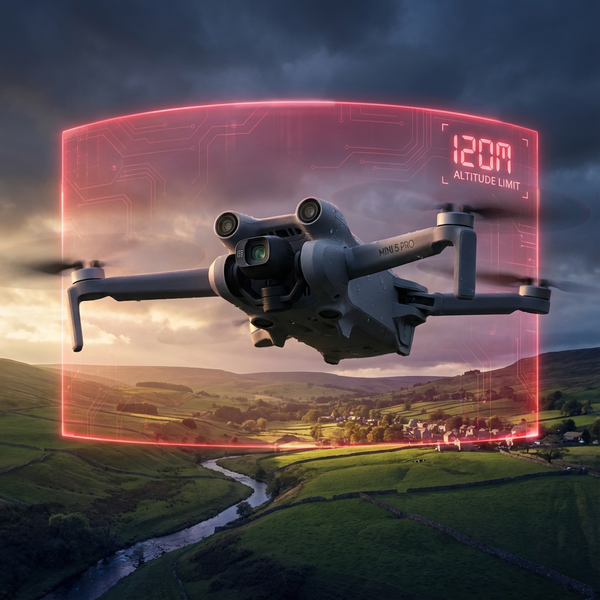
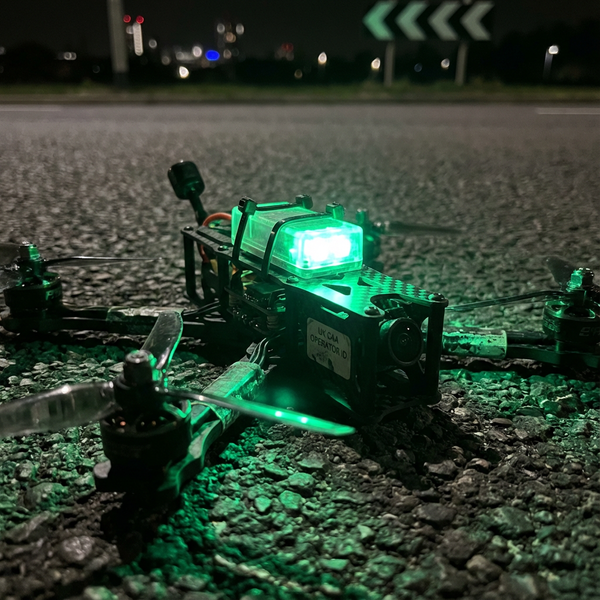
- Night flying now requires a green flashing light (yes, really).
- Remote ID starts in 2026 for new drones, and becomes unavoidable for almost everyone by 2028.
- Commercial flying still needs insurance, paperwork, and grown-up behaviour.
Bottom line:
Fly lighter, get qualified, or get used to fields with cows.
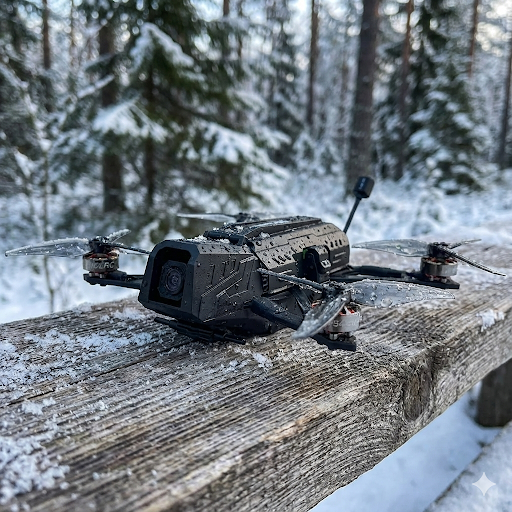
What actually changes with UK drone regulations in January 2026?
January 2026 marks the end of the UK’s transitional arrangements that have been in place since 2021. Weight-based exemptions disappear, UK drone class markings finally appear, and the rules settle into what the CAA describes as the “long-term framework”.
In practice, the regulations now favour lighter drones, newer drones, and better-qualified pilots. Legacy drones are still legal, but they’re pushed further away from people and built-up areas.
Official source:
https://www.caa.co.uk/drones/drones-news-and-updates/news-and-updates/
Do I need to register my drone under the 2026 rules?
Probably yes, even if you didn’t before.
From 2026, you must register as a Drone Operator if your drone:
- Weighs 250g or more, or
- Weighs 100g or more and has a camera
That second point catches a lot of small FPV builds that previously avoided registration. You’ll also need a Flyer ID if your drone weighs 100g or more.
Sub-100g drones without cameras remain the last true outlaws.
Official guidance:
https://www.caa.co.uk/drones/registering-your-drone/
Can I still fly a sub-250g drone over people in 2026?
Yes, mostly.
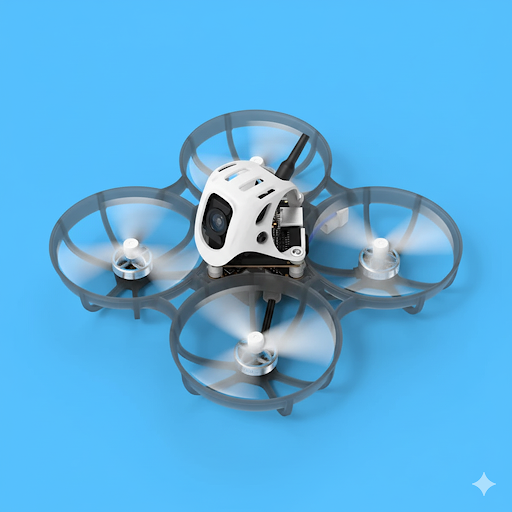
Sub-250g drones remain in Open Category A1, which allows flight over uninvolved people (but not crowds). This is still the least restrictive category and exactly why everyone keeps obsessing over 249g builds.
What has changed is that only sub-250g drones qualify. The old allowance for slightly heavier drones is gone.
A1 rules explained:
https://www.caa.co.uk/drones/drone-rules/where-you-can-fly/
What happened to the 250g–500g loophole everyone was using?
It has been politely escorted out of the building.
Until the end of 2025, drones under 500g benefited from transitional rules that allowed them to operate close to people. From January 2026, that exemption ends.
If your drone weighs more than 250g and does not have a recognised class marking, it cannot fly in A1. This is the single biggest practical change for FPV pilots flying 3–5″ quads in public spaces.
What are UK drone class markings and do they matter?
Yes. Increasingly.
From 2026, newly placed drones may carry UK class markings (UK0–UK6). These indicate built-in safety features such as speed limits, electronic identification, and system reliability.
Class-marked drones unlock better access to A1 and A2 operations. Older, unmarked drones remain legal, but with stricter distance rules.
CAA explanation of class marks:
https://www.caa.co.uk/drones/drone-rules/drone-class-marks/
Do DIY FPV drones get UK class markings?
No. And they’re not expected to.
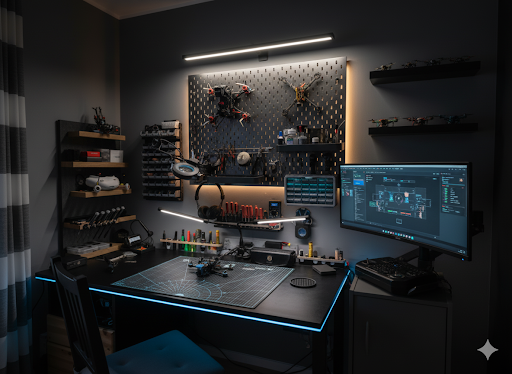
UK class markings are designed for factory-built drones with audited safety systems. Homebuilt FPV aircraft do not qualify and will always be treated as legacy drones.
That doesn’t ban FPV. It just means weight limits and separation distances matter more.
What flying category will my FPV drone fall into after 2026?
In very simple terms:
- Under 250g → Open Category A1
- 250g–2kg with A2 CofC → Open Category A2, minimum 50m from people
- Over 250g without A2 CofC → Open Category A3, far from people and buildings
Most FPV pilots flying anything larger than a toothpick will either need to accept A3-only flying or finally get an A2 Certificate of Competency.
Open category overview:
https://www.caa.co.uk/drones/drone-rules/open-category-drones/
Is an A2 CofC worth it for FPV pilots in 2026?
Yes. More than it used to be.
An A2 CofC is now the difference between:
- Flying legally in mixed or semi-urban environments, or
- Driving to the middle of nowhere every time you want to fly
It doesn’t let you fly over people, but it prevents the rules from becoming actively hostile if your drone weighs more than 250g.
A2 CofC explained:
https://www.caa.co.uk/drones/drone-rules/advanced-flying/
Can I still fly FPV with goggles under the new rules?
Yes, but nothing changed here.
FPV flights still require visual line of sight, which means:
- A spotter next to you, or
- Flying under a recognised association authorisation (BMFA, FPV UK, etc.)
The 2026 changes did not relax this requirement.
FPV and visual line of sight:
https://www.caa.co.uk/drones/drone-rules/flying-first-person-view/
Do I need a green flashing light to fly at night now?
Yes. It must be green. It must flash.
From 2026, all night flying requires a green flashing light visible from the air. Creative lighting solutions do not count.
Also, the light’s weight counts toward your drone’s take-off mass. Enjoy that.
Night flying rules:
https://www.caa.co.uk/drones/drone-rules/flying-at-night/
What is Remote ID and when does it become mandatory in the UK?
Remote ID is a broadcast signal that identifies your drone during flight.
- From 2026, all UK class-marked drones must use Remote ID
- From 1 January 2028, most drones over 100g with cameras, including FPV builds, will also need it
Remote ID does not transmit video or personal details, but it does make drones electronically visible to authorities.
CAA Remote ID guidance:
https://www.caa.co.uk/drones/drone-rules/remote-identification/
How do the 2026 rules affect commercial drone operators?
Conceptually, commercial flying works the same way, but the equipment rules tighten.
Operators using the Open category will increasingly benefit from class-marked drones, which allow closer operations near people. Legacy drones remain usable but are more restricted.
Those operating under the Specific category (GVC + Operational Authorisation) must still comply with Remote ID, lighting rules, and organisational registration requirements.
Flying drones for work:
https://www.caa.co.uk/drones/flying-drones-for-work/
Do commercial drone pilots still need insurance in 2026?
Yes. Nothing changed here.
If you fly for anything other than recreation, third-party liability insurance is legally required. If a business owns the drone, the organisation must be registered as the operator.
Insurance requirements:
https://www.caa.co.uk/drones/drone-rules/drone-insurance/
Should I replace my current drone because of the 2026 regulations?
Not immediately, but plan ahead.
Legacy drones remain legal, but class-marked drones unlock better operating conditions. Remote ID requirements arriving in 2028 will also influence upgrade decisions.
This isn’t forced obsolescence. It’s regulatory gravity.
What should FPV and commercial pilots actually do before 2026?
Three practical steps:
- Check registration thresholds – many pilots now need to register who didn’t before
- Consider an A2 CofC – it buys flexibility, not just compliance
- Plan for Remote ID by 2028 – even if you ignore it for now
Final takeaway: are the 2026 drone rules good or bad?
They’re inevitable.
The UK is moving from temporary exemptions to a defined structure. Lightweight drones and qualified pilots get rewarded. Heavier drones and casual compliance get punished.
Annoying? Yes. Manageable? Also yes.
Fly lighter, fly smarter, and don’t leave this until December 2025.
Disclaimer
This article is a general summary only and is not legal advice or an official interpretation of UK aviation law. Regulations, guidance, and implementation details may change.
We have made every effort to ensure this information is accurate and relevant at the time of writing, but you must always refer to the UK Civil Aviation Authority website for the latest and definitive rules before flying.
Official source of truth:
https://www.caa.co.uk/drones/