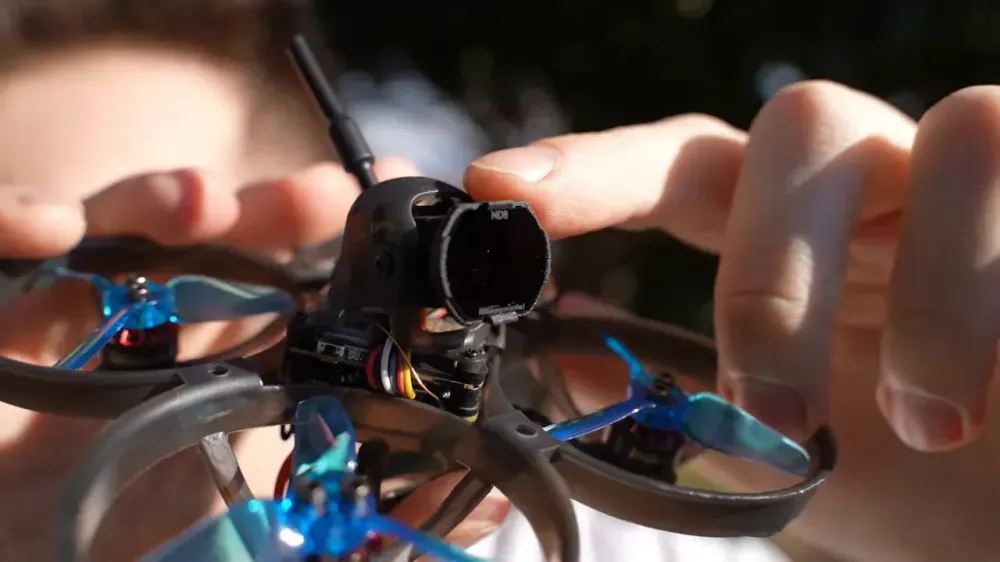
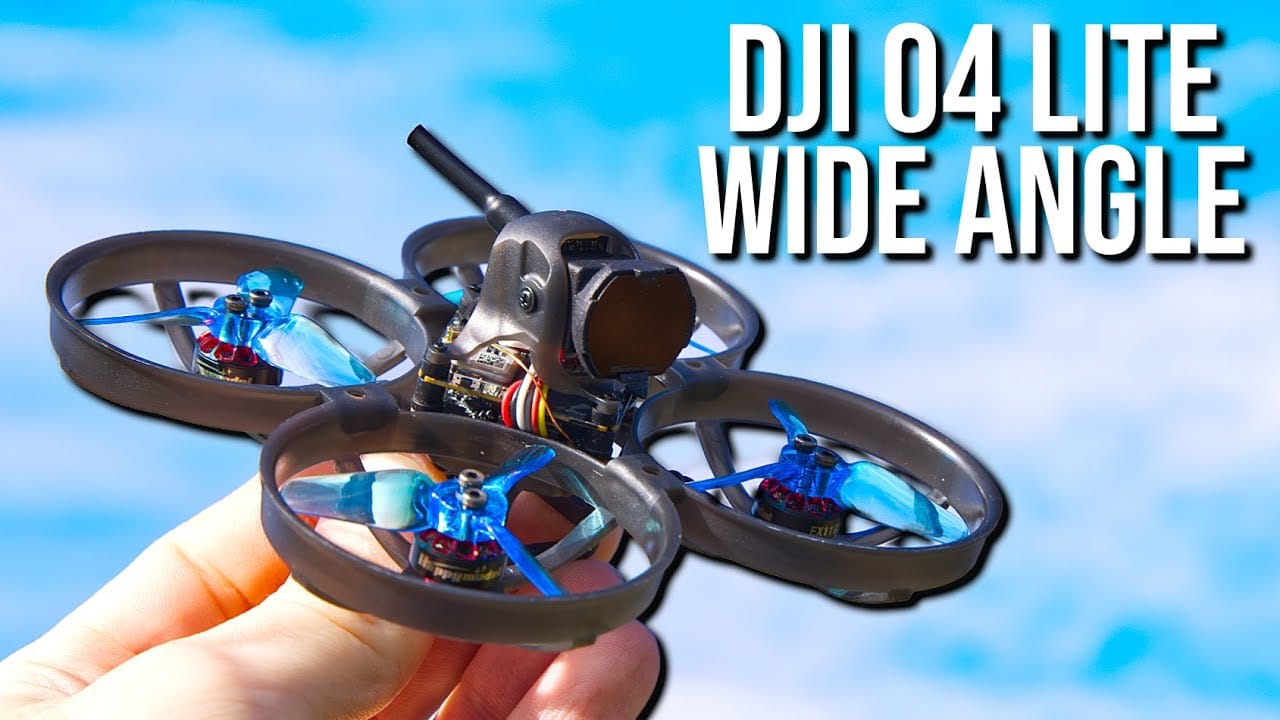
Why this matters: the Mobula 8 pairs an O4 Lite camera with an 85mm 2s tiny whoop frame, attempting to fix the shaky Mobula 7 formula while keeping weight and handling sensible.
TL:DR
Solid flyer, improved stability, and a useful wide-angle filter. Persistent jello on low throttle spoils recorded footage. Best option for fun flying; not perfect for pristine HD clips.
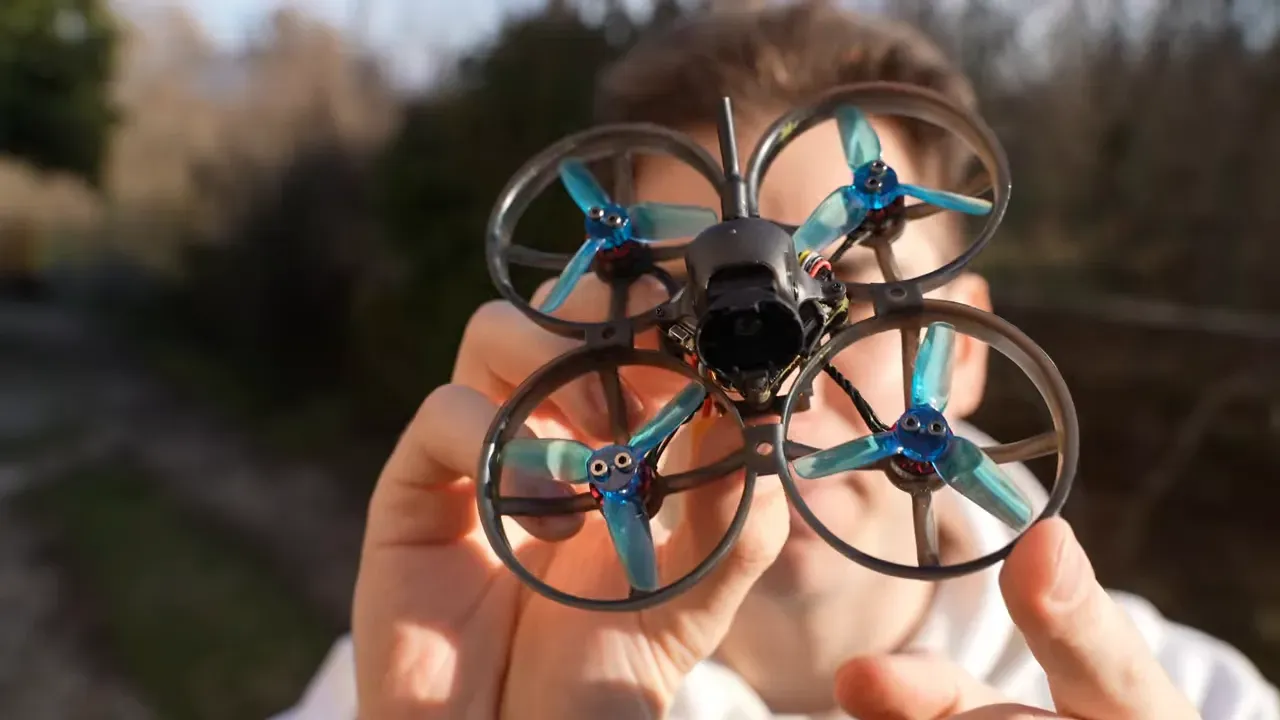
- Flight: composed and stable for a tiny whoop.
- Camera: O4 Lite with wide-angle adapter helps field of view.
- Weakness: jello at low throttle unless ND/filter used.
What’s in the box and hardware notes
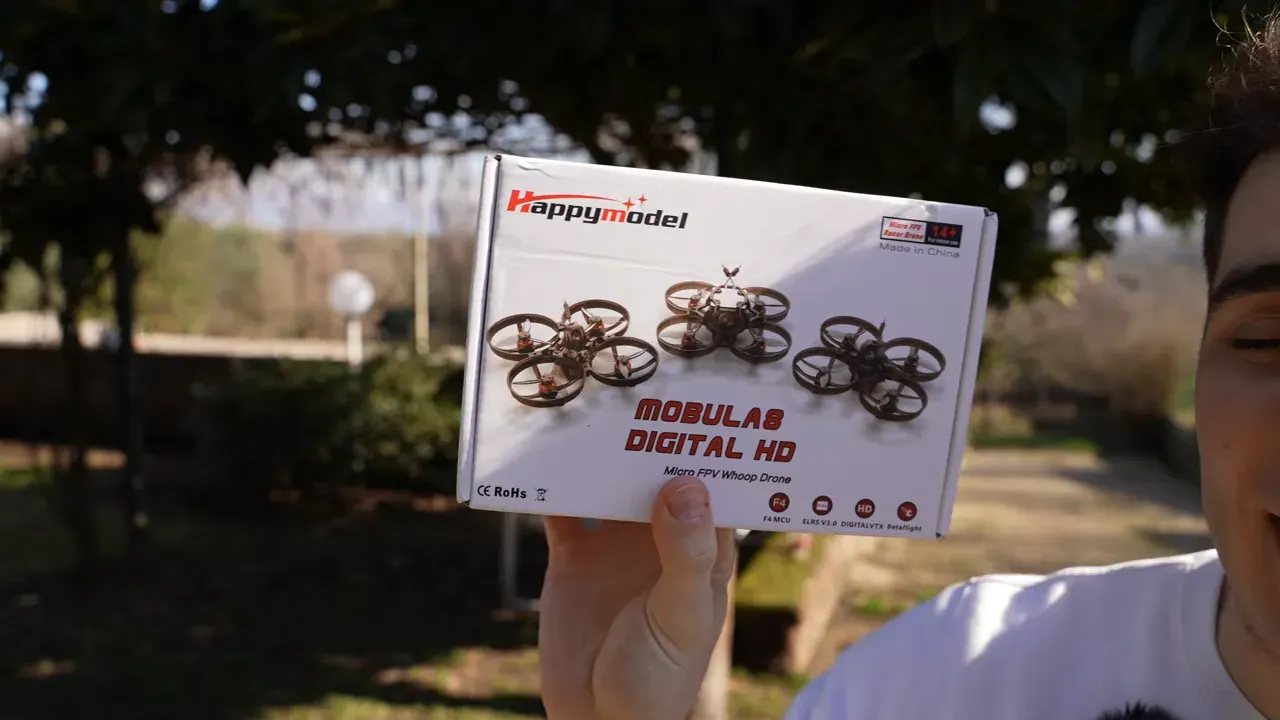
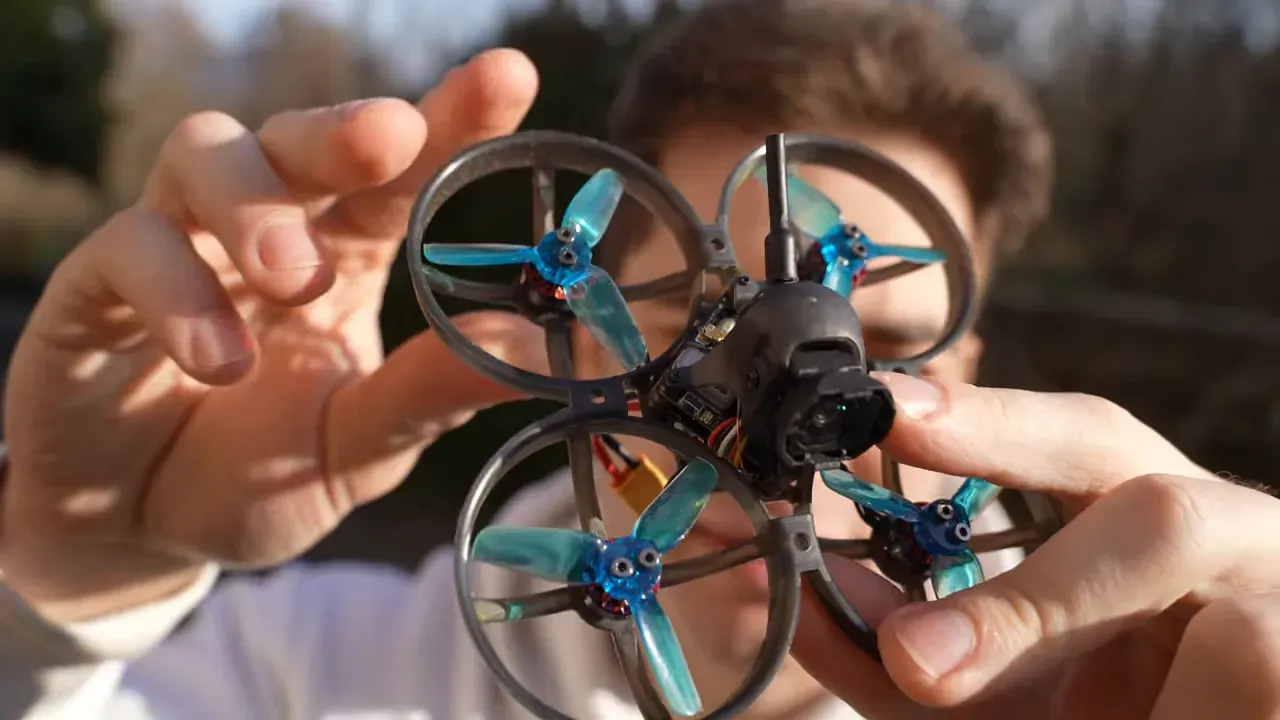
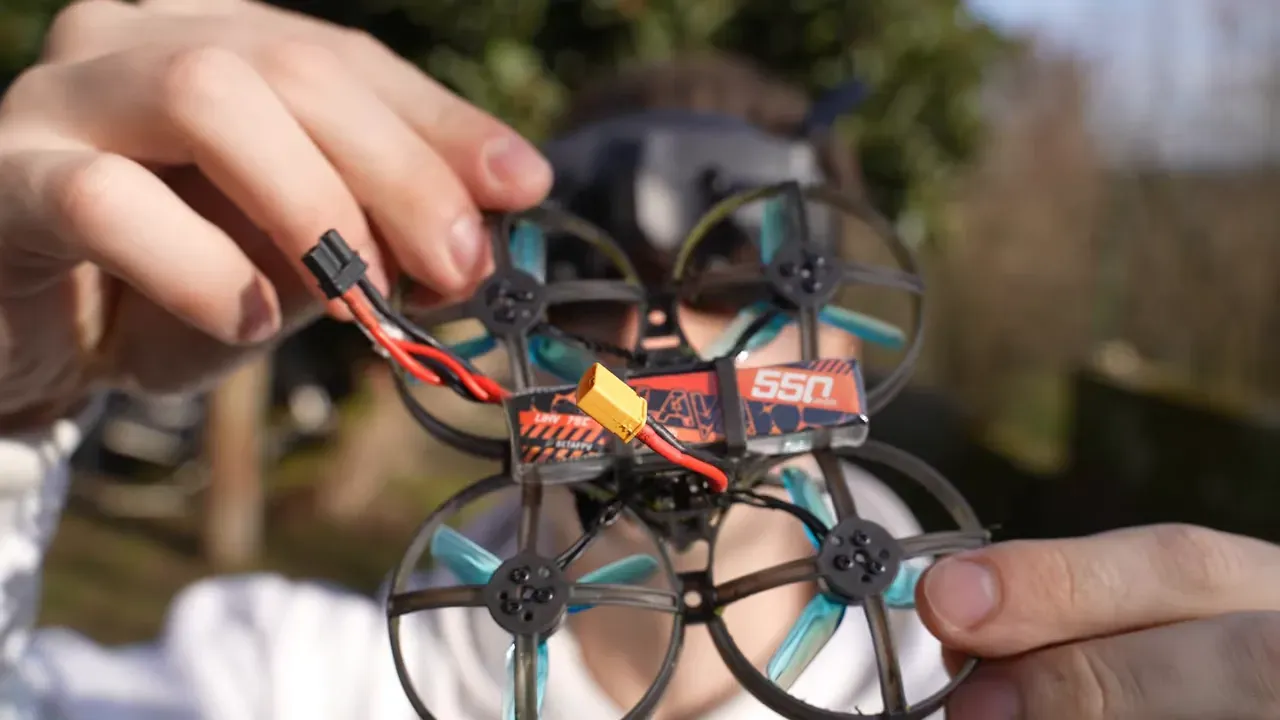
The Mobula 8 ships with stickers, a filter bag, a UV and ND16 filter, an ND8 preinstalled, an injection molded spare camera mount, and two sets of props — HQ 2x2.3 in blue and Gemfan 2023 R in the tool pack.
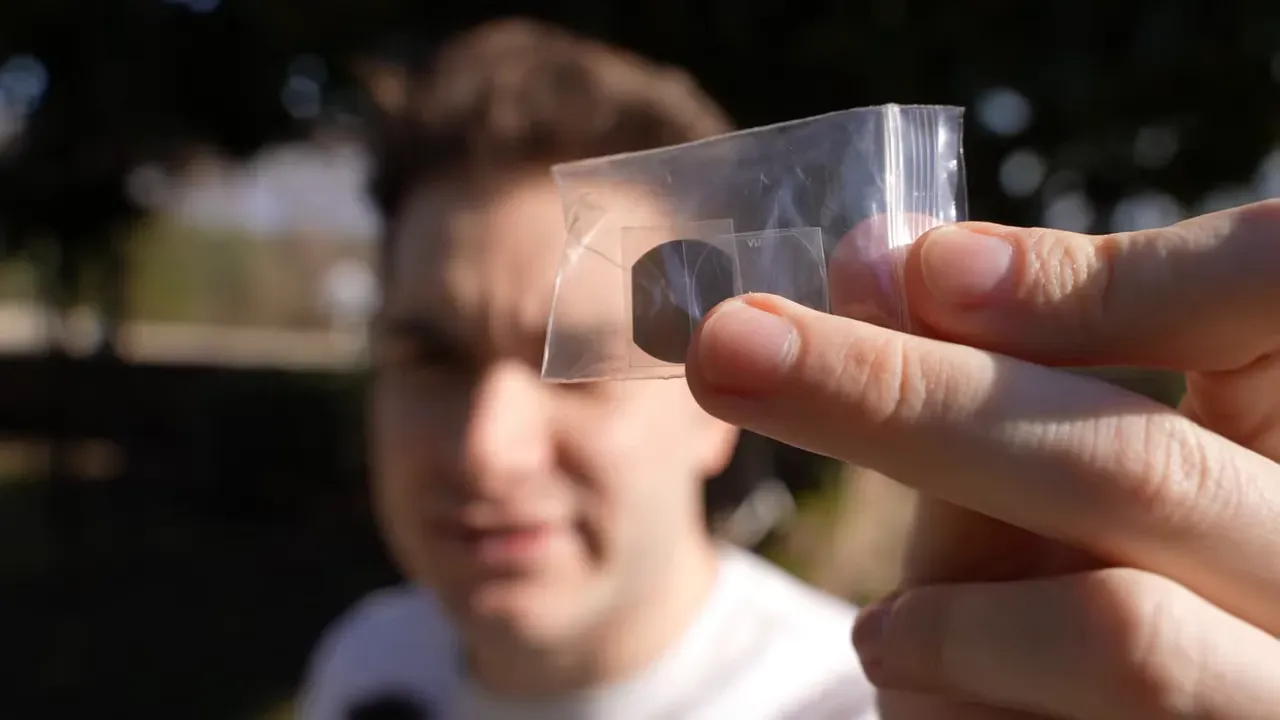
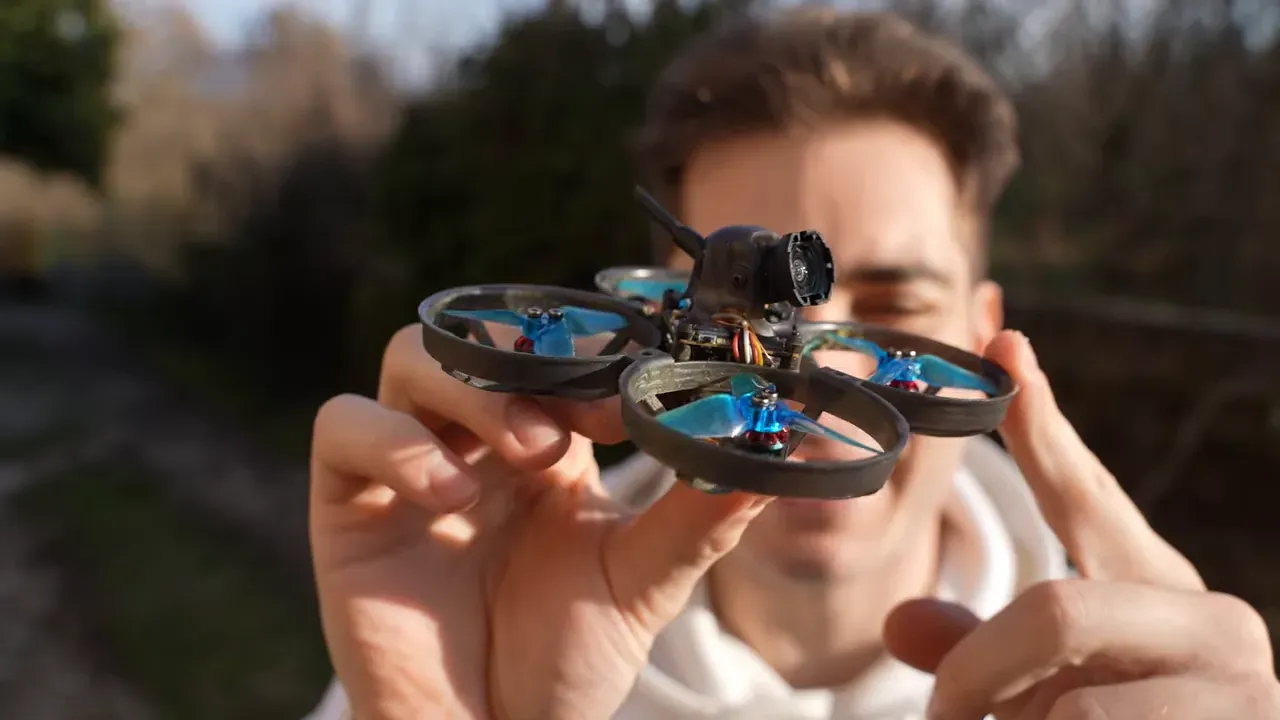
The drone measures 85mm and runs on 2s with an XD connector. It weighs about 50 grams. Motors are Happymodel 1103 at 11,000kv, and the FC is an F4 AIO with 12A ESCs, micro USB, and an integrated ExpressLRS 2.4 receiver.
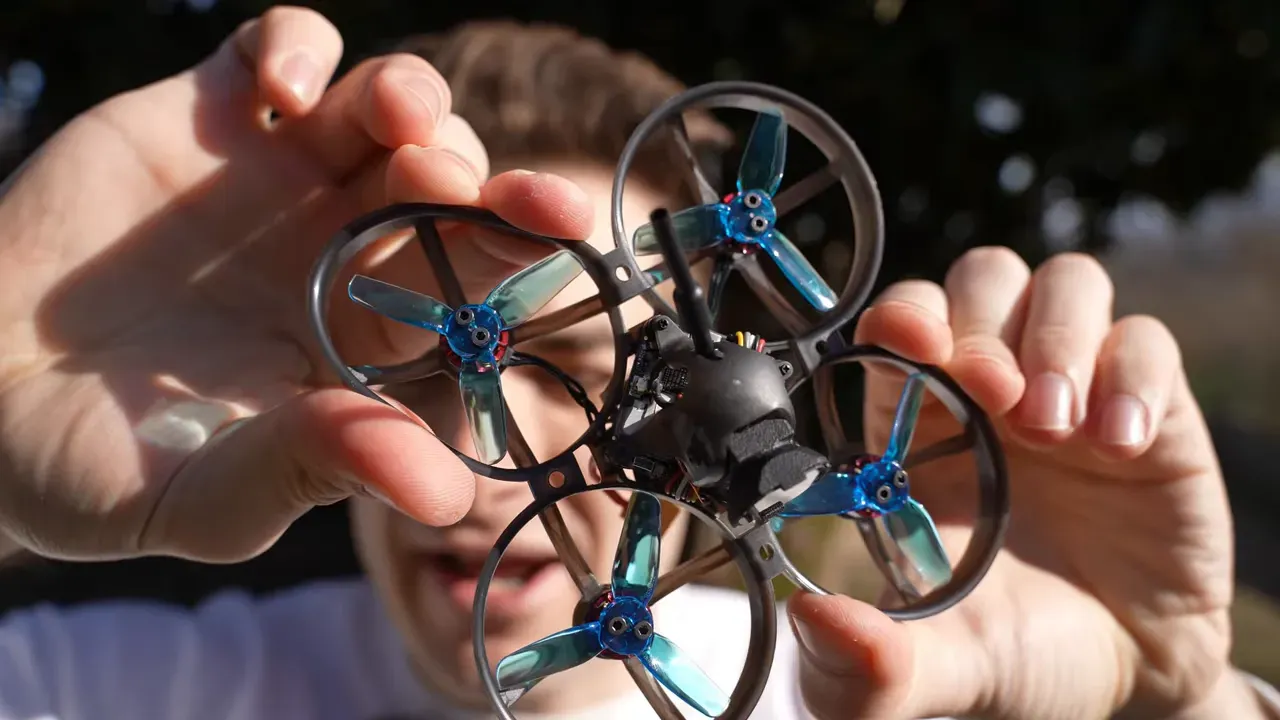
Build quality feels intentional. The frame balances toughness and flex. The camera mount uses the frame material and is not soft mounted, but the O4 Lite gets a swiveling mount this time, a clear improvement over the fixed Mobula 7 camera angle.
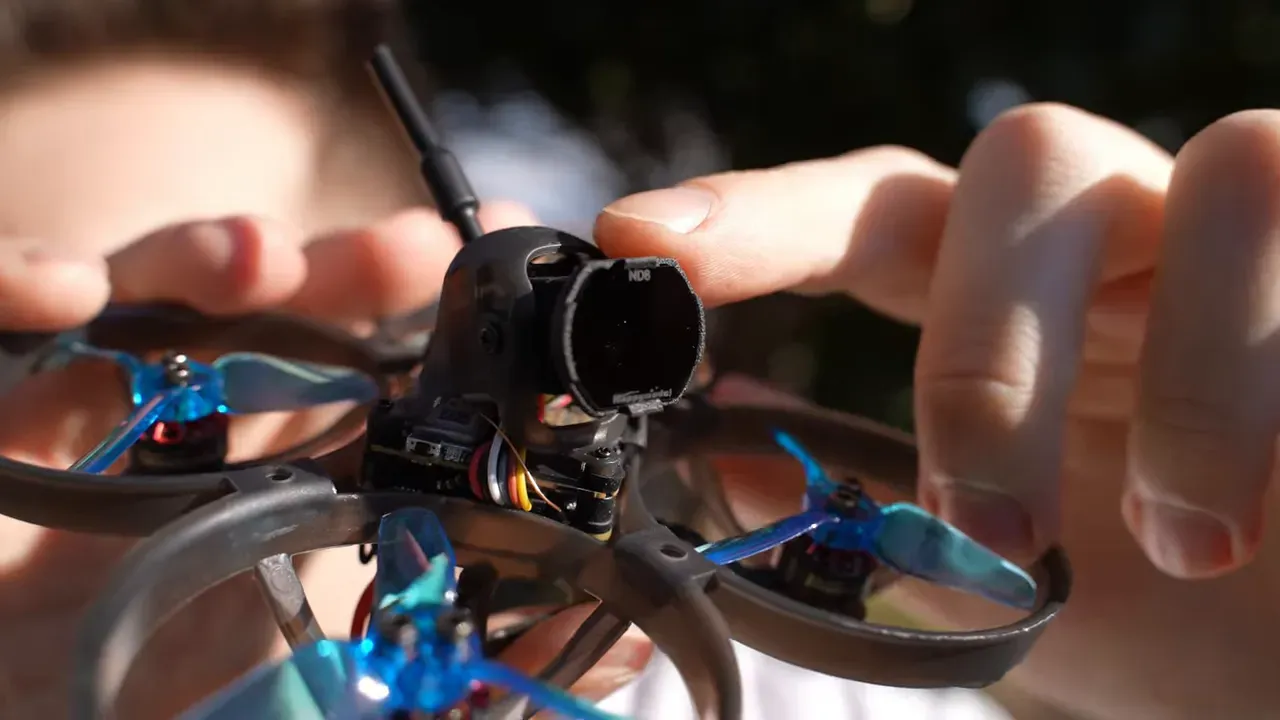
Filter and field of view — clever workaround
Happymodel includes a filter adapter that doubles as a wide-angle attachment for the O4 Lite. It reduces the narrow native FOV and prevents the hard borders seen on some O4 setups.
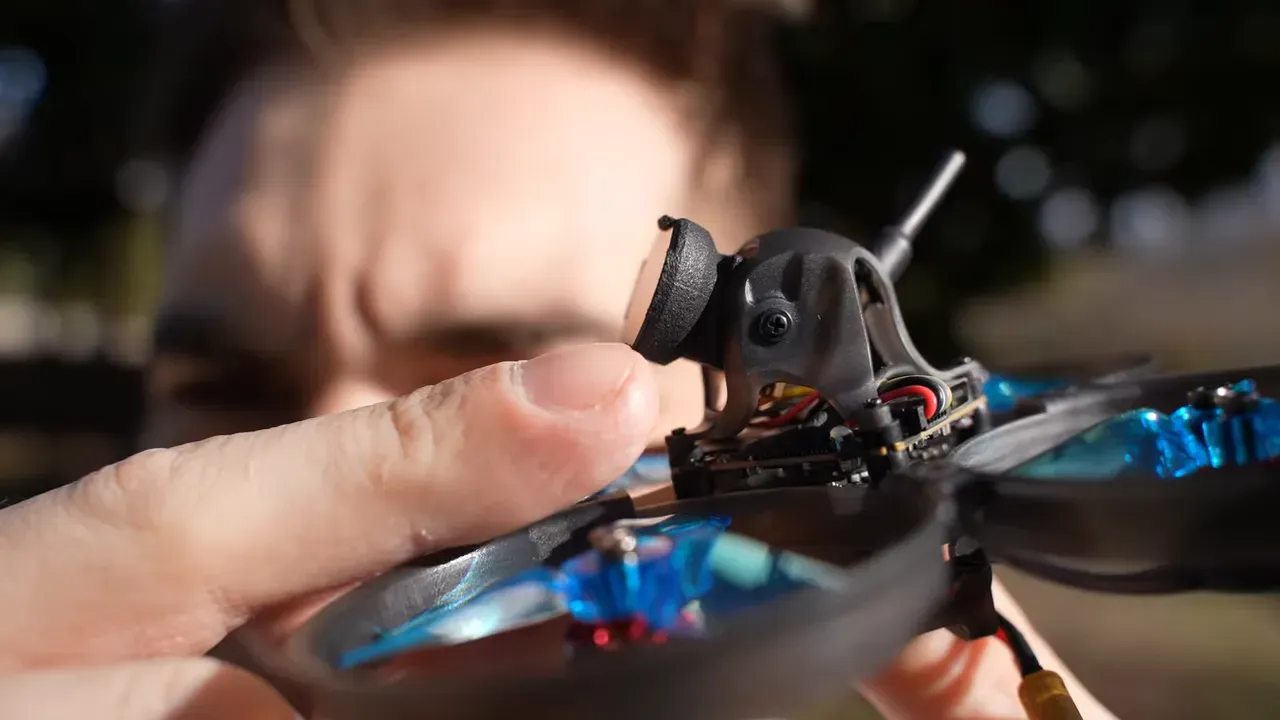
The adapter is a pragmatic fix — similar to Flywoo’s earlier hacky approach. Flywoo has since moved to native wide-angle cameras, which removes attachment borders, but those cameras don’t fit this frame.
First flights: composed but relaxed
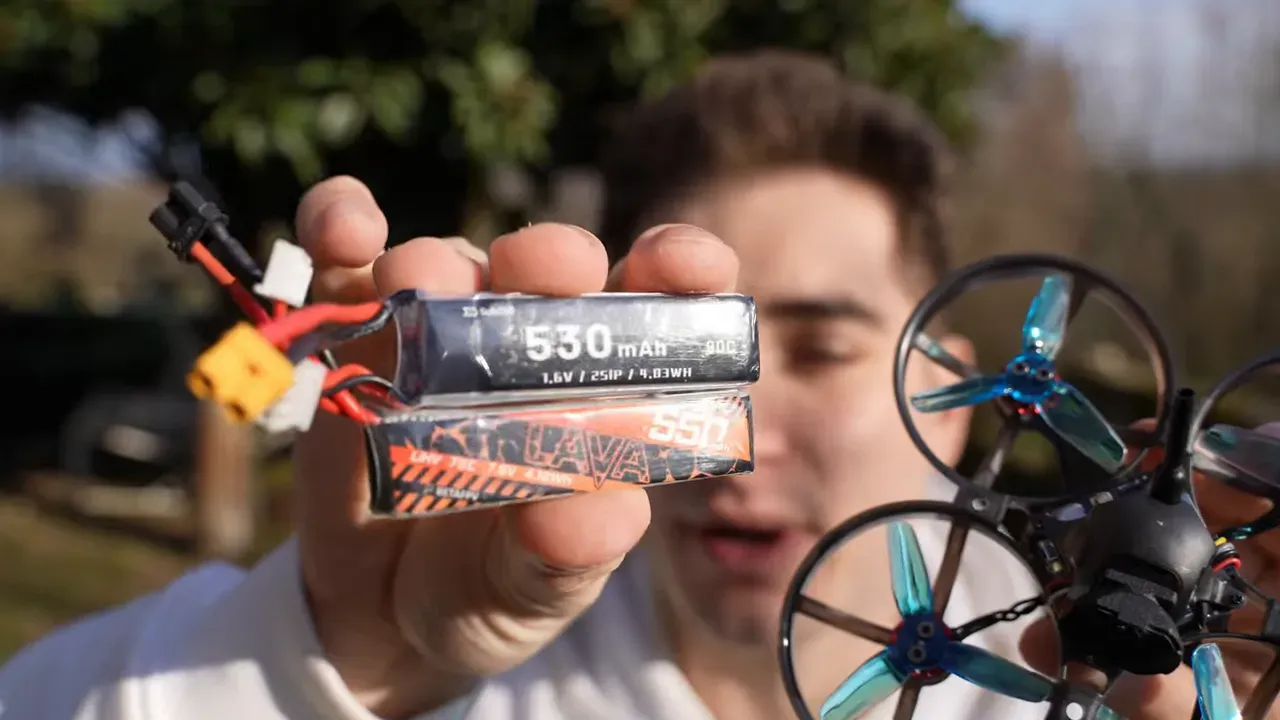
Rimzler flew with a 530mAh 2s HV then a 550mAh 2s HV. Stock rates feel relaxed—roughly 360 degrees per second—so the Mobula 8 aims for composure over twitchy speed.
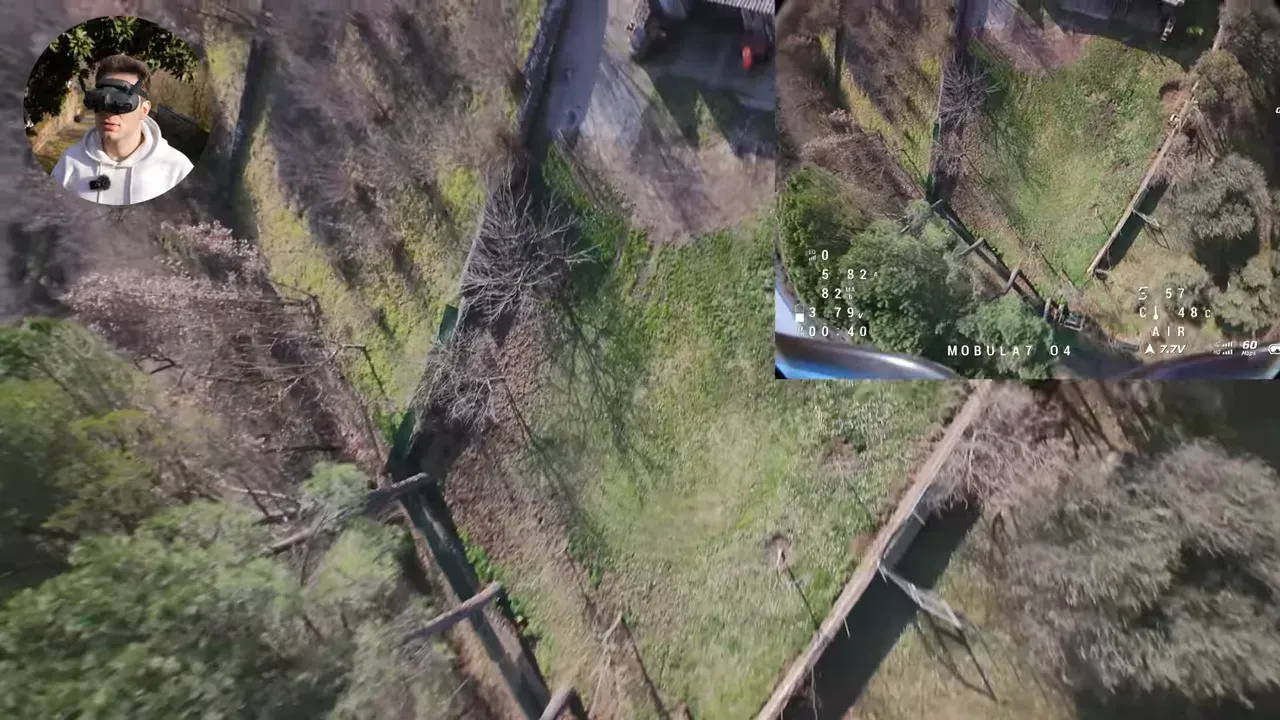
The drone runs very quiet. It turns steadily and holds attitude. Outdoors it handles light wind well, and indoors it behaves like a stable trainer. For casual freestyle and acro practice, it’s a competent compromise.
Strange acceleration and flight oddities
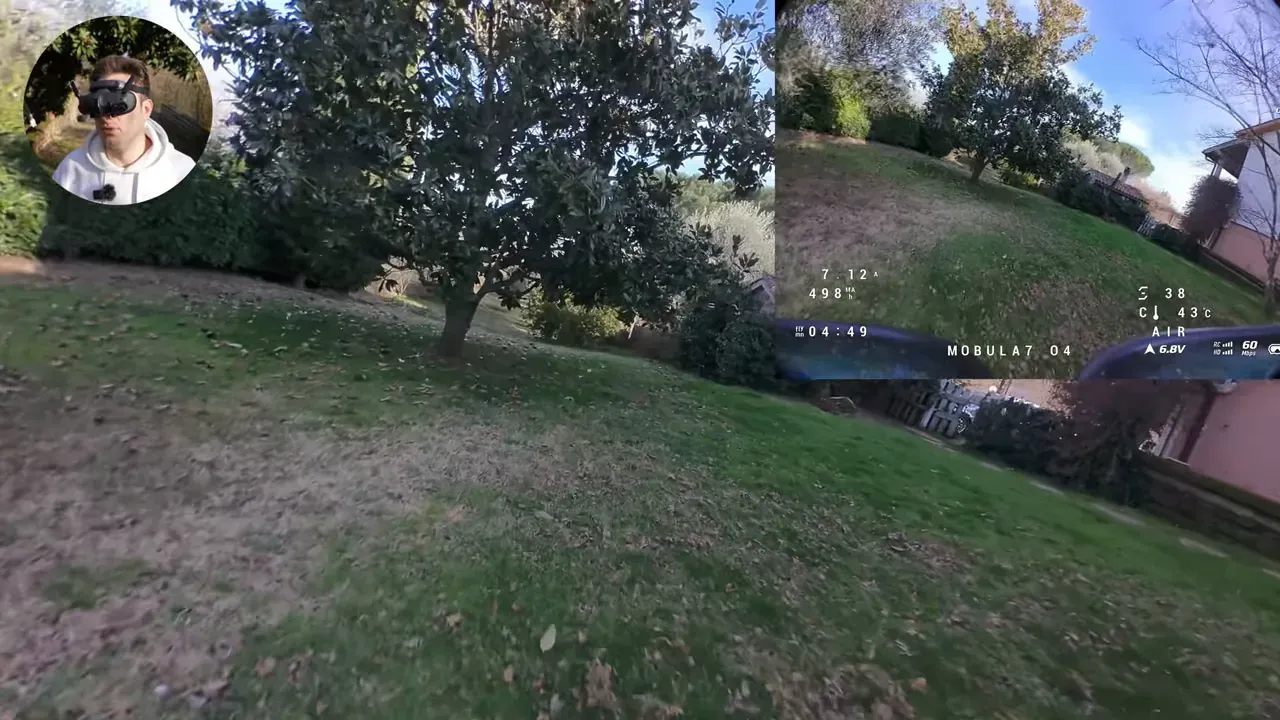
During one early flight the quad accelerated briefly without stick input. Rimzler suspects wind interference, since the behaviour did not repeat after a quick check flight.
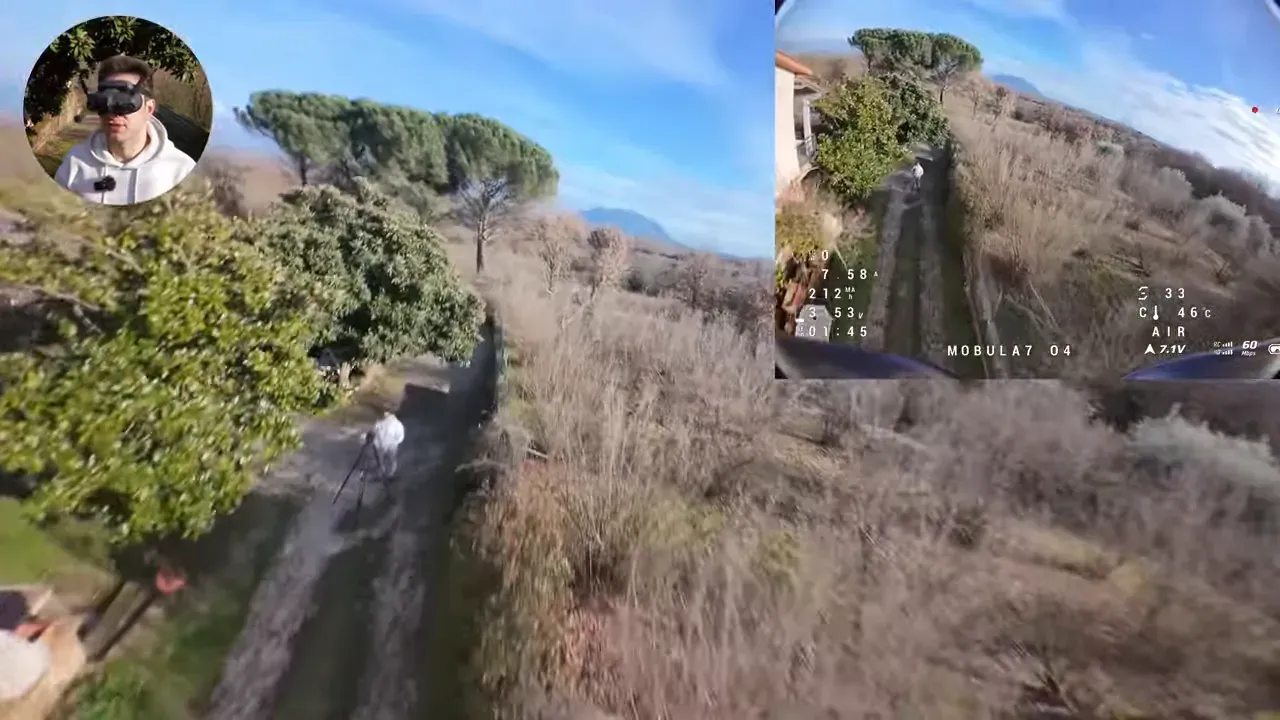
The quad also glided unexpectedly at times when throttle input ceased. That felt odd but not catastrophic — more a sign that the tune skews toward float and composure than aggressive pop and snap.
The chicken-chase test (yes, really)
Field validation included the informal “chicken chasing” performance test. The birds proved uncooperative and dodged close encounters, but the Mobula 8 stayed stable while Rimzler pursued them across the yard.
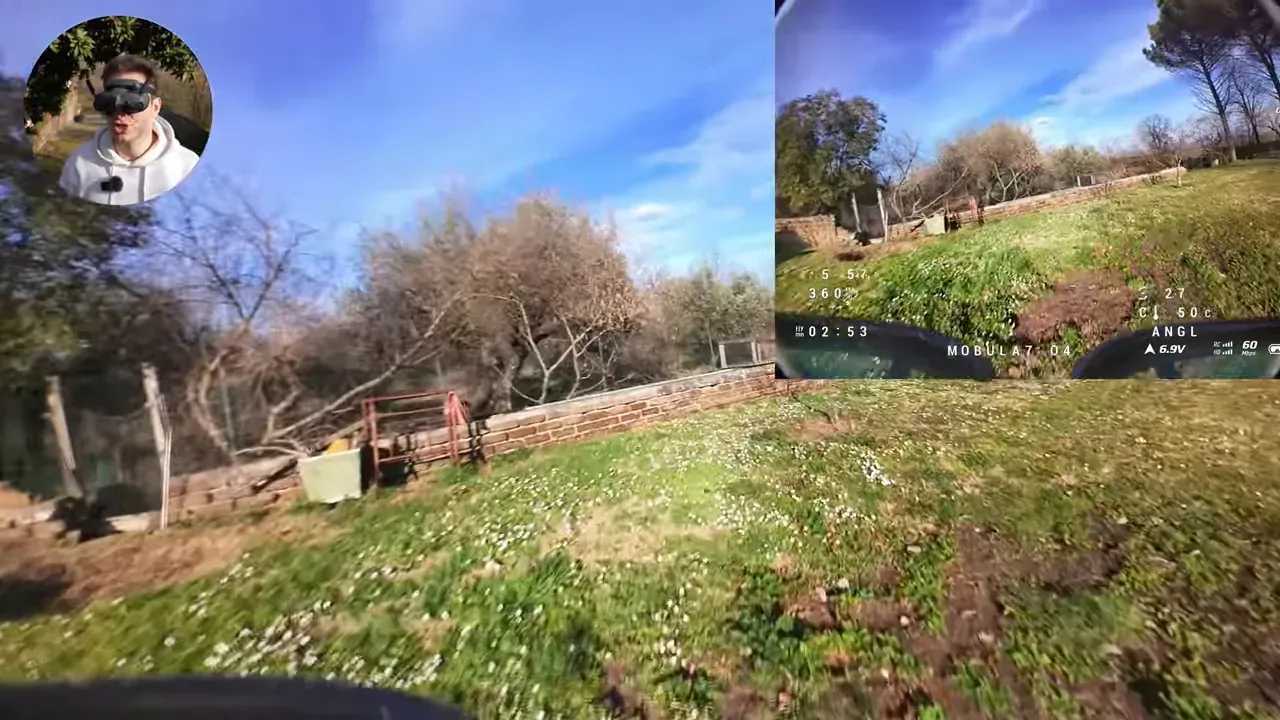
Results: the 550mAh battery produced the best balance of power and handling. The 530mAh pack still flew similarly but felt slightly less tuned, which supports using the recommended 550mAh batteries for consistent feel.
The jello problem — why it matters
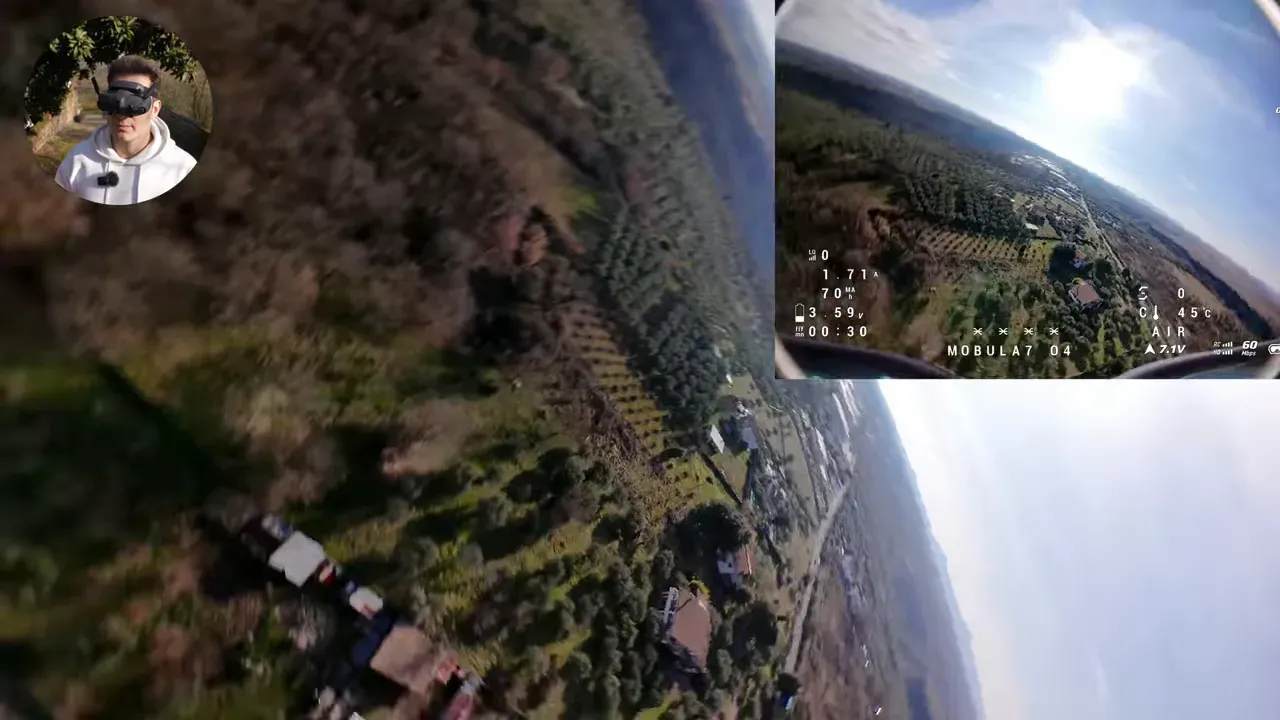
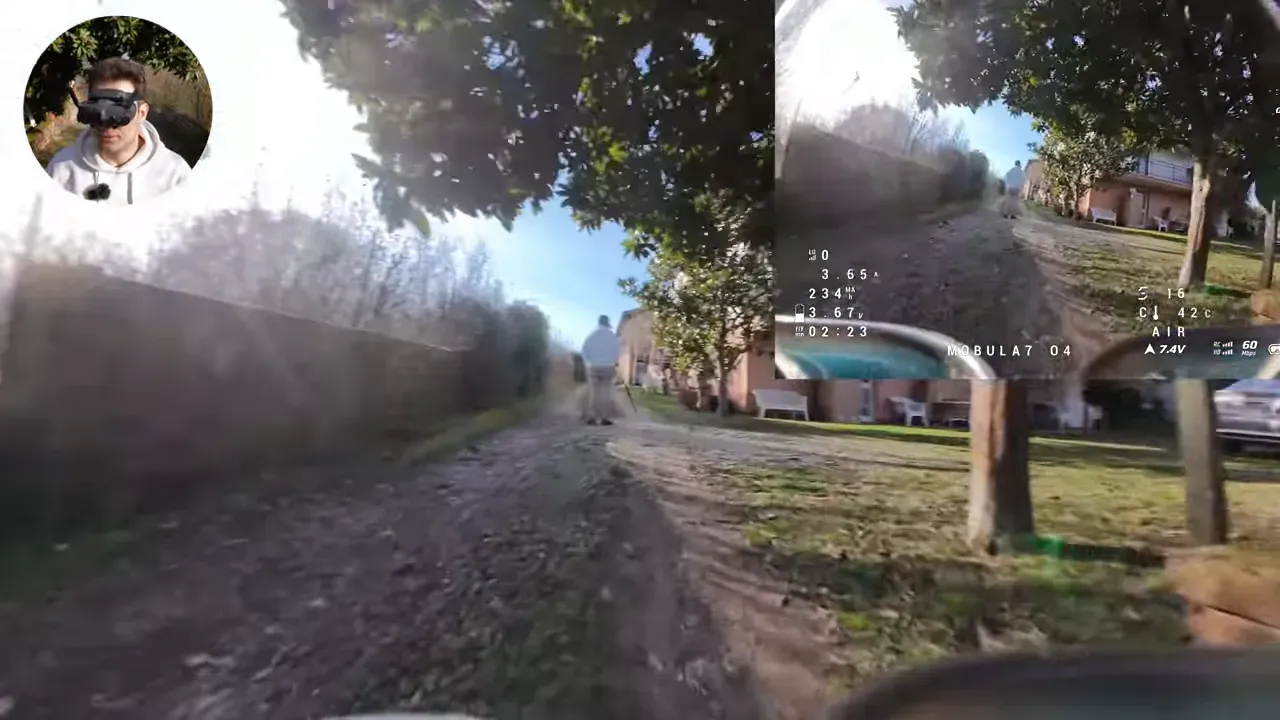
With the ND filter in place the recorded footage appeared free of jello. Remove the filter and the camera showed visible jello at low throttle and during certain motor frequencies.
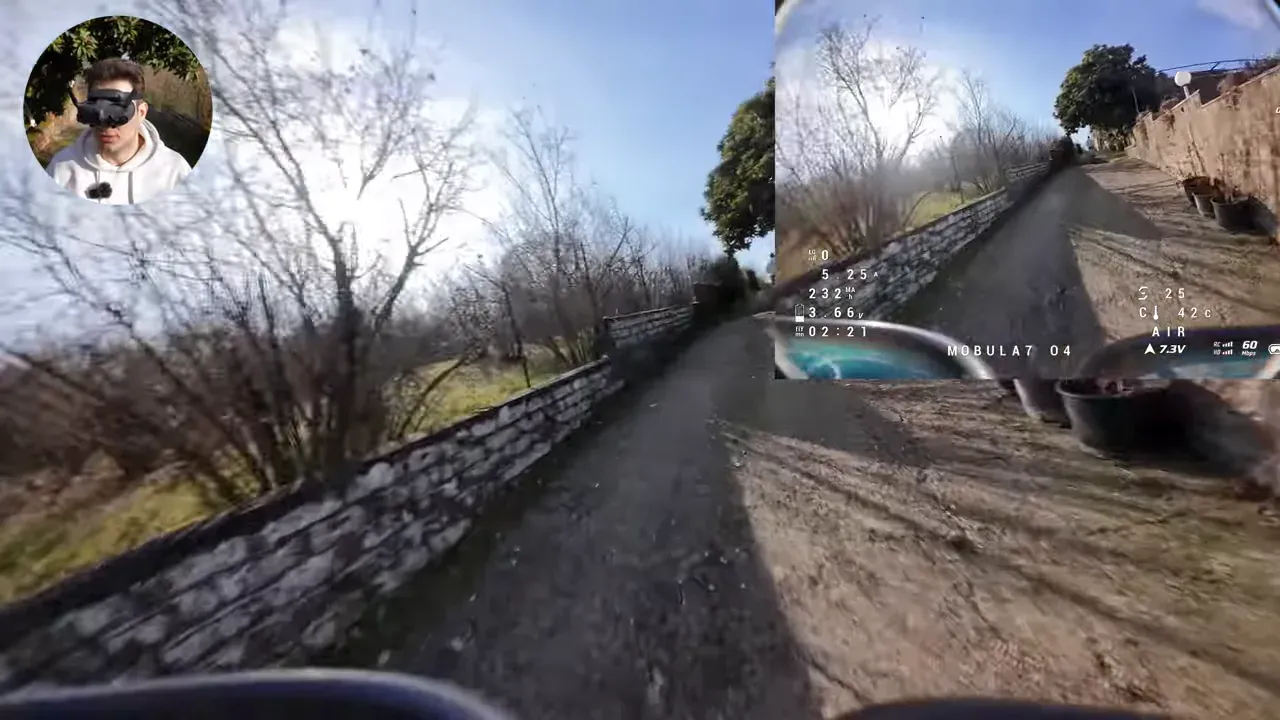
That implies the filter dampens high-frequency vibration or masks it optically. It is a workaround not a cure. Filters degrade low-light performance and are awkward to add as mandatory hardware.
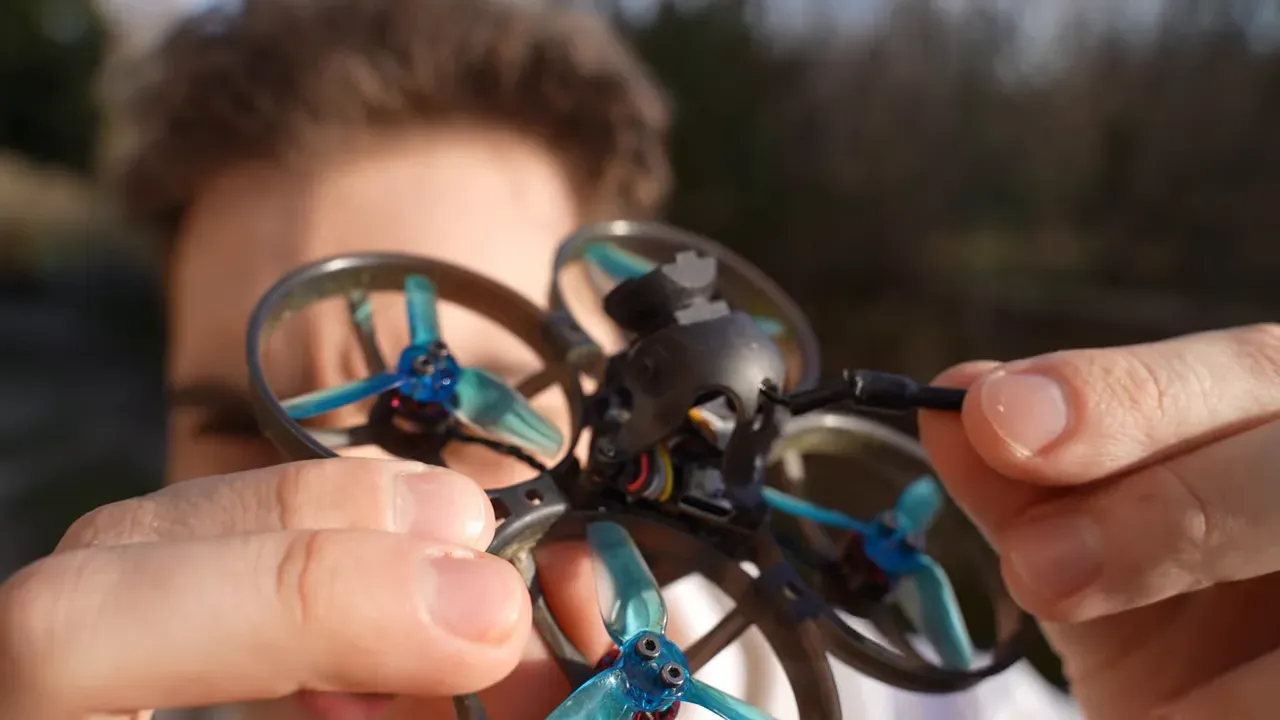
Root cause points at the canopy and mounting. The camera lacks soft mounting and the canopy leaves the antenna dangling. Both amplify or transmit motor frequencies to the camera, creating resonance in footage.
Practical fixes and mod suggestions
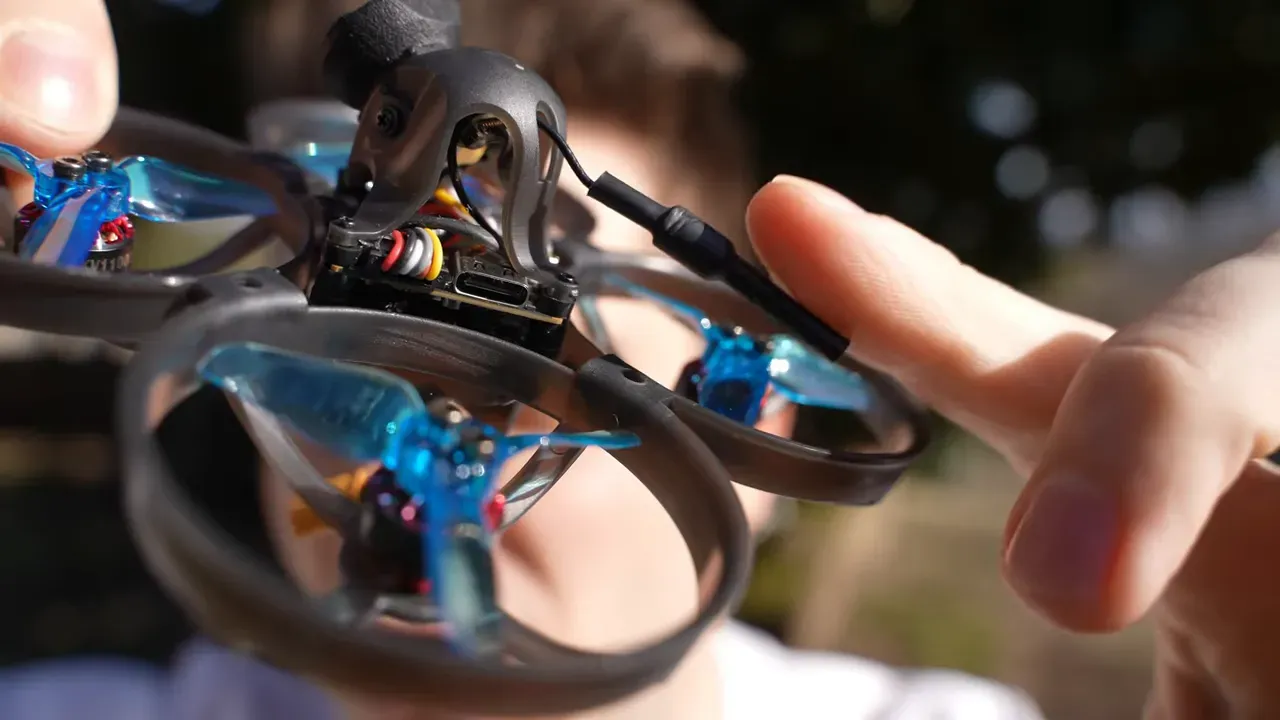
Easy mods could reduce jello without sacrificing the O4 Lite. Suggestions: add soft mounting grommets, silicon dampers under the camera, or a small foam isolation plate between the camera and frame.
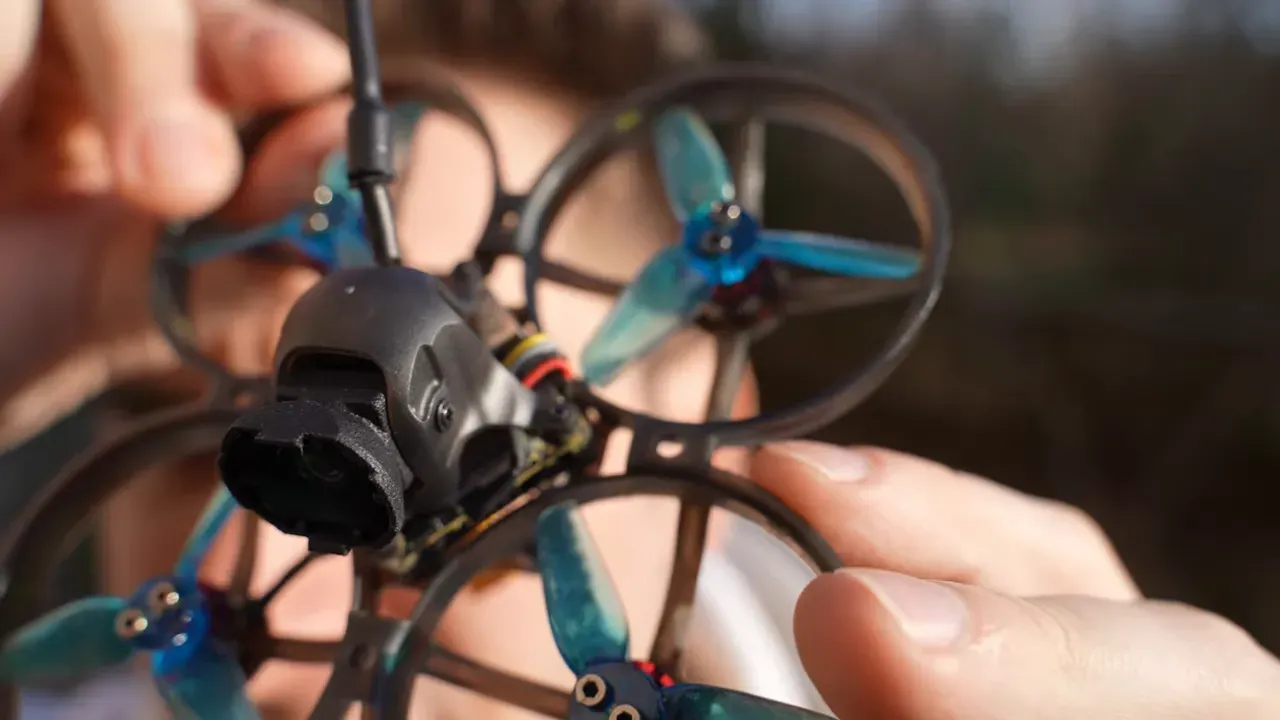
Also redesigning the canopy hole to seat the antenna snugly would stop the lead flapping into props and reduce strain on the canopy. Those are small engineering tweaks that would improve footage dramatically.
Final verdict
The Mobula 8 beats the Mobula 7 on flight quality, stability, and handling. For pilots who fly for fun and DVR, it likely ranks as one of the best tiny whoops with an O4 Lite.
For those who demand clean HD footage without post-warping, the camera mounting needs improvement. The ND filter helps but is a band-aid that worsens low-light performance.
Bottom line: buy it for flying. Plan a small mod if recording is critical.
FAQ
Is the Mobula 8 heavier than the Mobula 7?
Yes. The Mobula 8 sits at roughly 50 grams and uses a larger 85mm frame to accommodate the O4 Lite and a wider lens adapter.
Does the O4 Lite need the wide-angle adapter?
The adapter improves field of view and hides image borders. It helps framing but does not eliminate jello caused by vibrations.
What fixes eliminate jello?
Soft mounting the camera, adding silicon dampers, and securing the antenna reduce transmitted vibration. Replacing the canopy with a better-seated antenna hole also helps.
Which battery performs best?
The manufacturer-recommended 550mAh 2s HV packs deliver the most consistent tune. A 530mAh pack flies similarly but may feel slightly less tuned.
Takeaway
The Mobula 8 refines the tiny whoop formula: stable, light, and tidy handling. It needs camera isolation for clean O4 footage. A few simple mods push it from very good to excellent.
Quick nuggets
- Mobula 8 flies calmer and quieter than the Mobula 7.
- O4 Lite wide adapter fixes FOV but not vibration at source.
- ND filter masks jello but hurts low-light shots.
- Soft-mount camera mods provide the best ROI for cleaner HD.
This article was based from the video This is Why the Happymodel Mobula 8 is better than the 7!