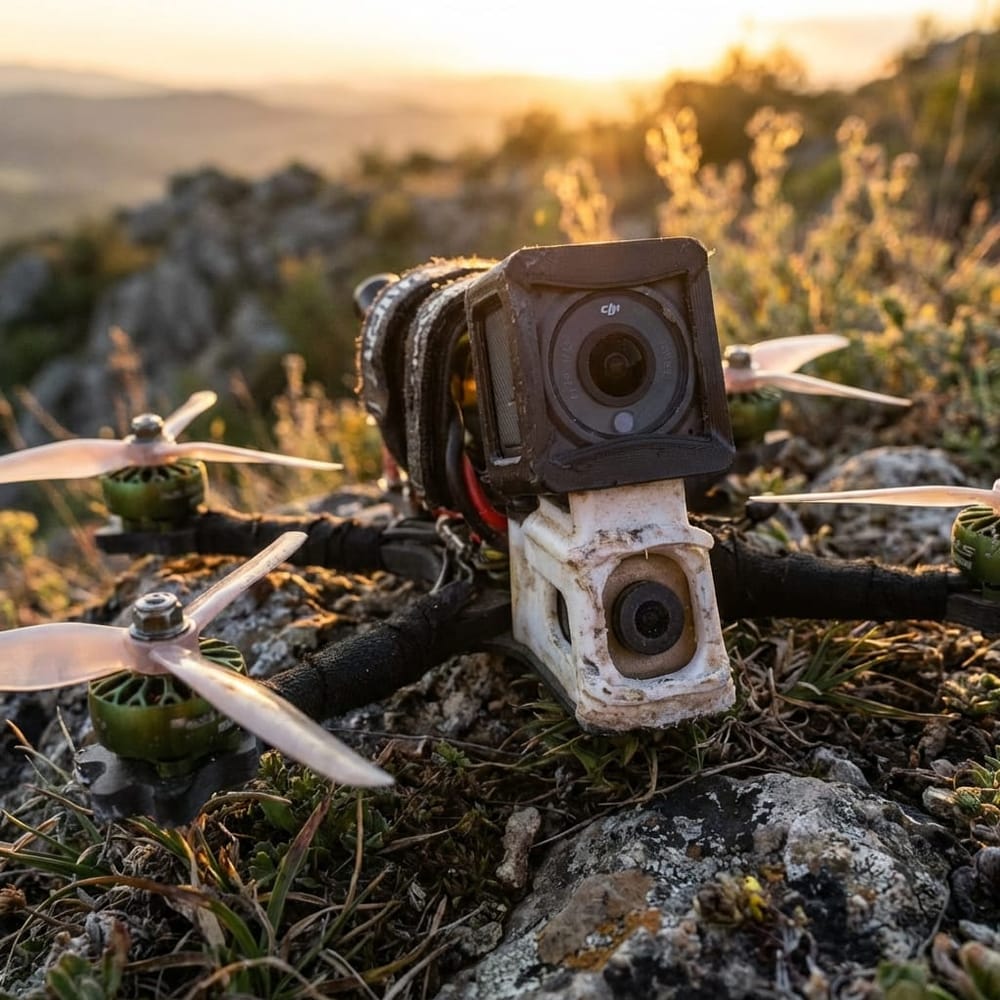
Nils Vo stripped down years of trial and error into three blunt rules that make a freestyle quad far tougher. Read this, apply the checks, and spend less time in the workshop and more time flying.
TLDR: What you actually need to know
- Use high quality frame and motors, material matters more than fancy design.
- Tuck fragile parts deep inside the frame so they never get hit.
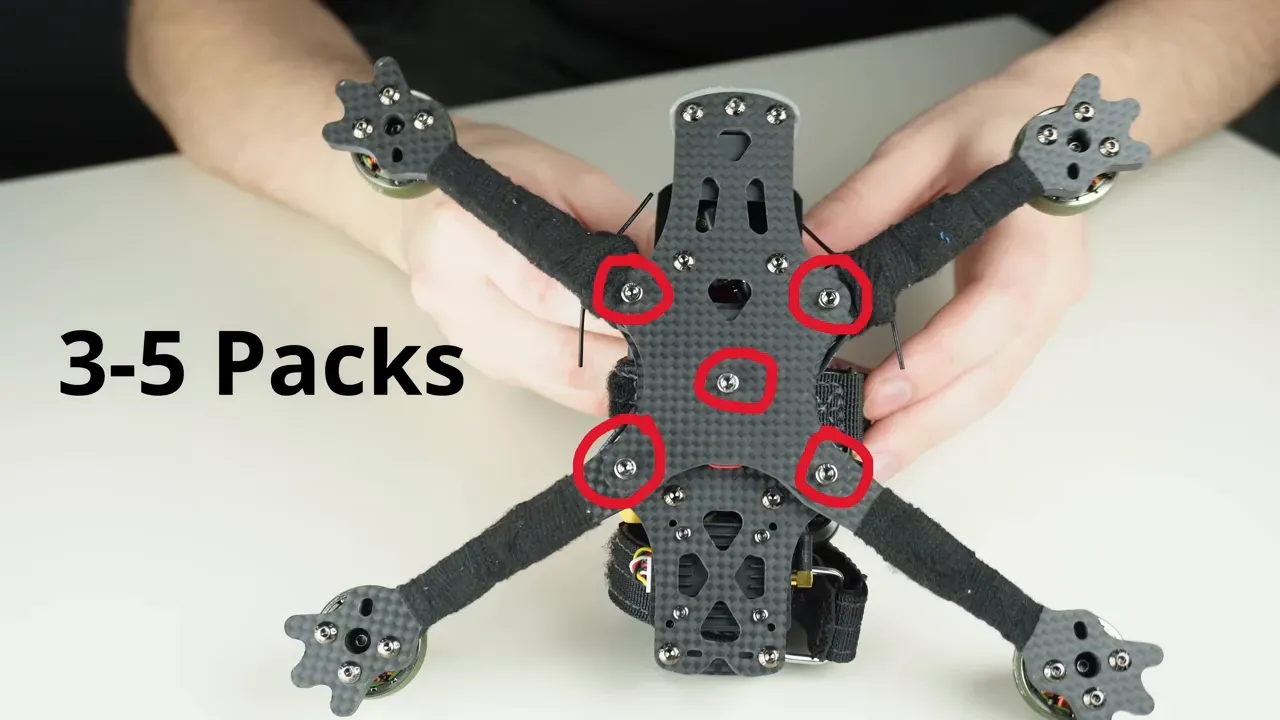
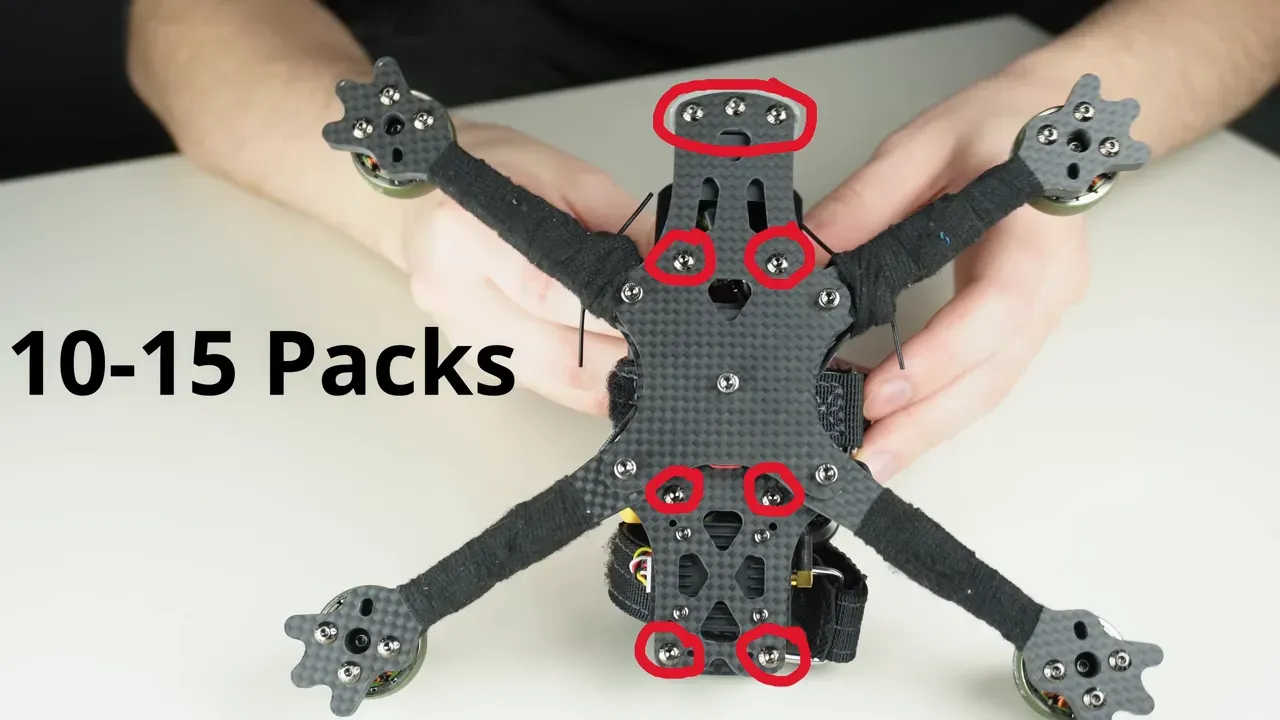
- Check and tighten screws frequently, main arm screws every 3 to 5 packs.
- Best for: pilots who fly 15 to 20 battery packs per session and want fewer repairs.
- Avoid if: you prefer lots of TPU bumpers and an overbuilt aesthetic.
- The speaker concludes these three steps let you fly many packs without breaking things.
How do I make an Indestructible FPV drone?
Follow three straightforward rules: buy quality for exposed parts, hide fragile bits, and tighten screws often.
Nils says the community now uses the same setup because it works, letting pilots fly many packs without repairs.
These steps are practical, low cost, and the biggest gains come from habits not gimmicks.
Why is tightening screws so important?
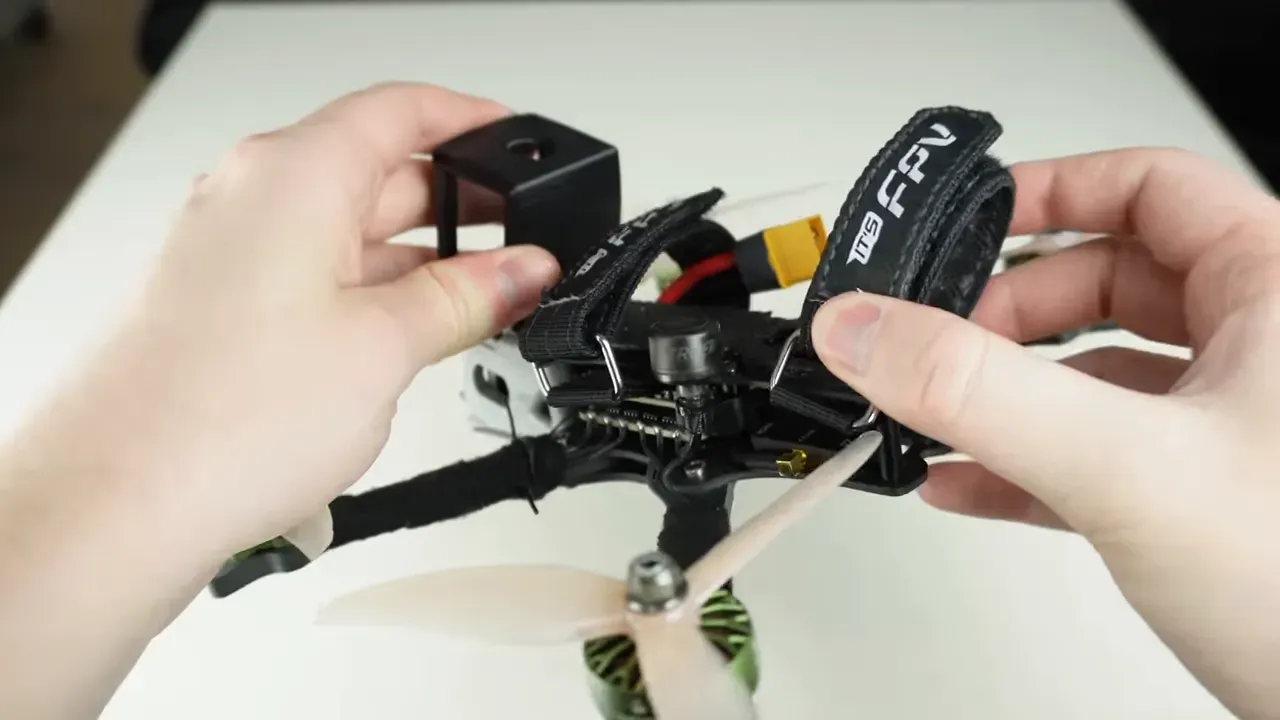
Tightening screws prevents rapid loss of structural strength from vibration and bent props.
Vibration from bent props makes screws come loose fast, and a slightly loose screw cuts strength dramatically.
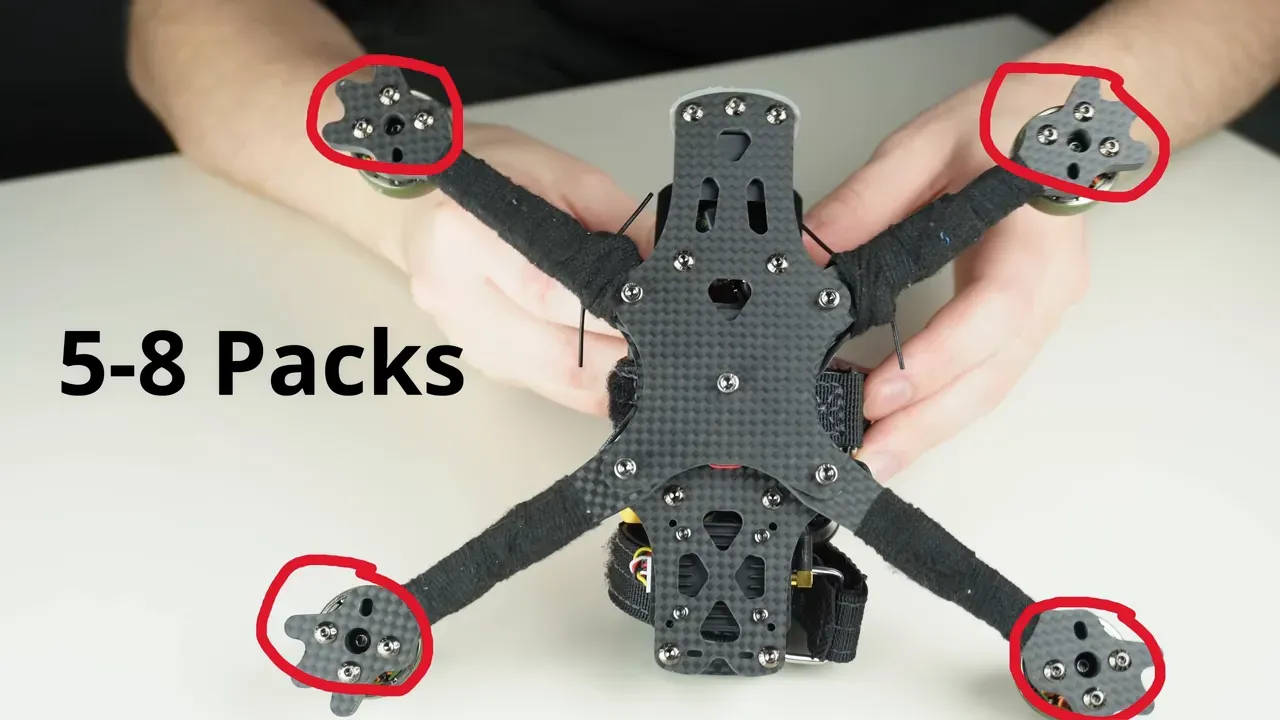
Nils checks arm screws every 3 to 5 packs, motor screws every 5 to 8, and other screws about every 15 packs.
What parts should be high quality on my freestyle quad?
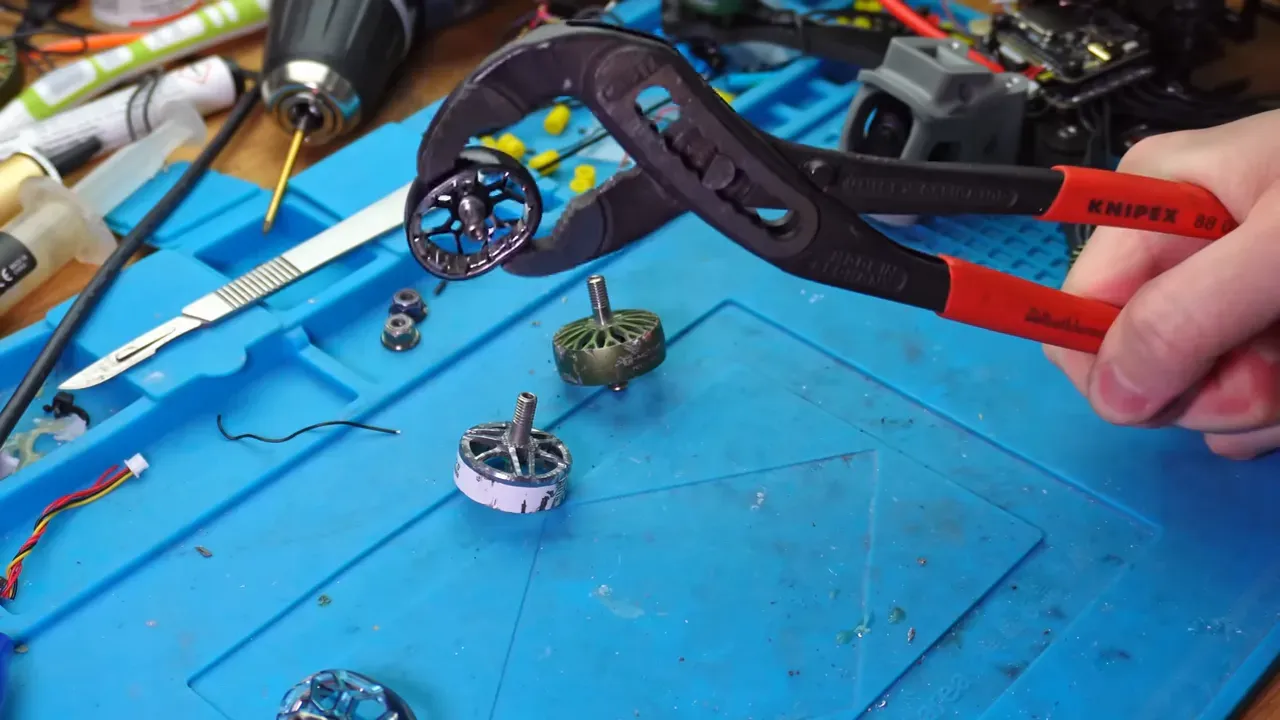
Your frame and motors must be high quality because material science beats clever design.
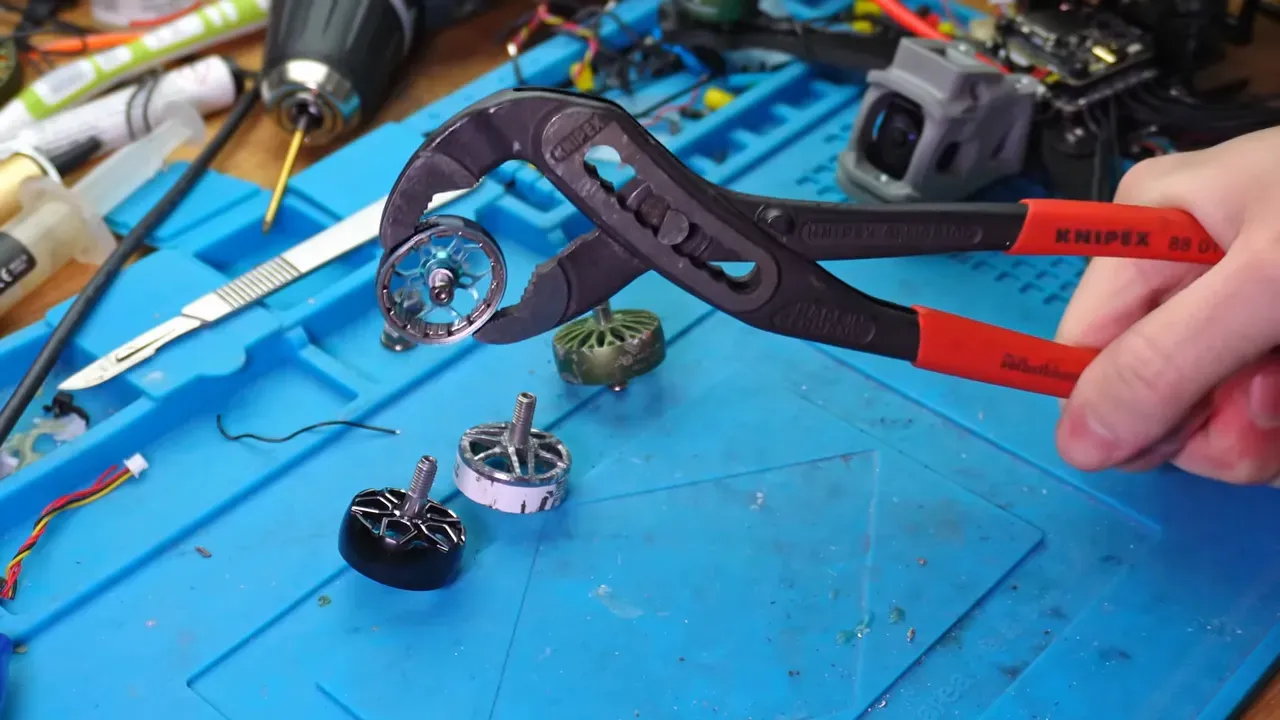
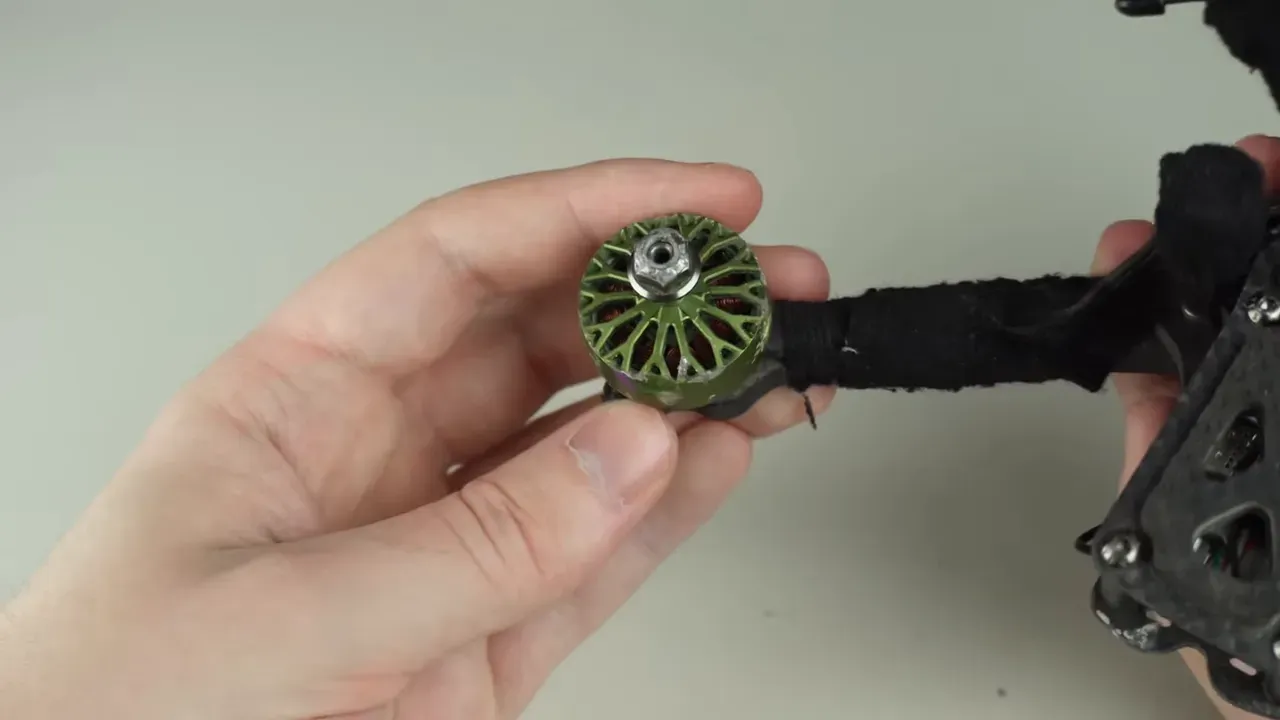
Nils demonstrates squeezing motors and compares different models, showing some resist bending far better than others.
If you cheap out on materials, even a great design will fail after repeated crashes.
How long does carbon fibre last before it fails?
Carbon fibre needs long term wear to start cracking, not just a few crashes.
Two or three wall hits mean nothing, visible failure comes after hundreds of crashes and time.
Nils recommends judging frames by how beaten other pilots’ quads look while still flying well.
How deep should I tuck fragile parts inside the frame?
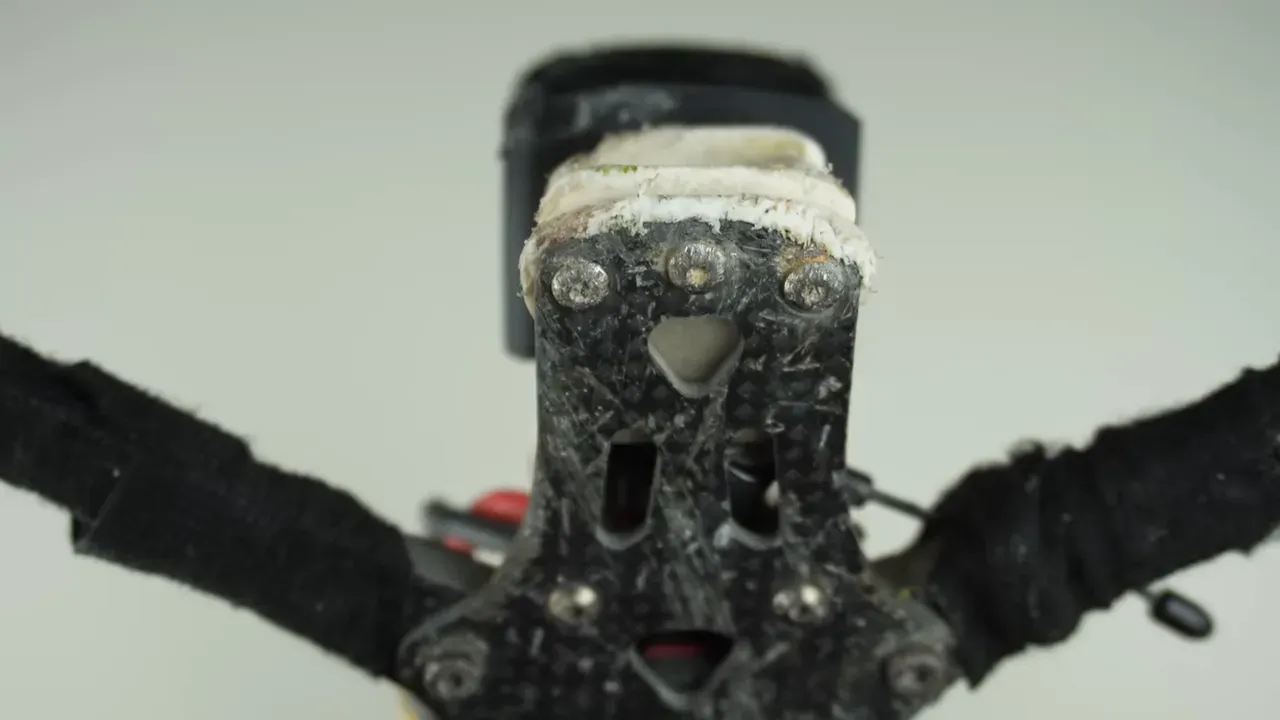
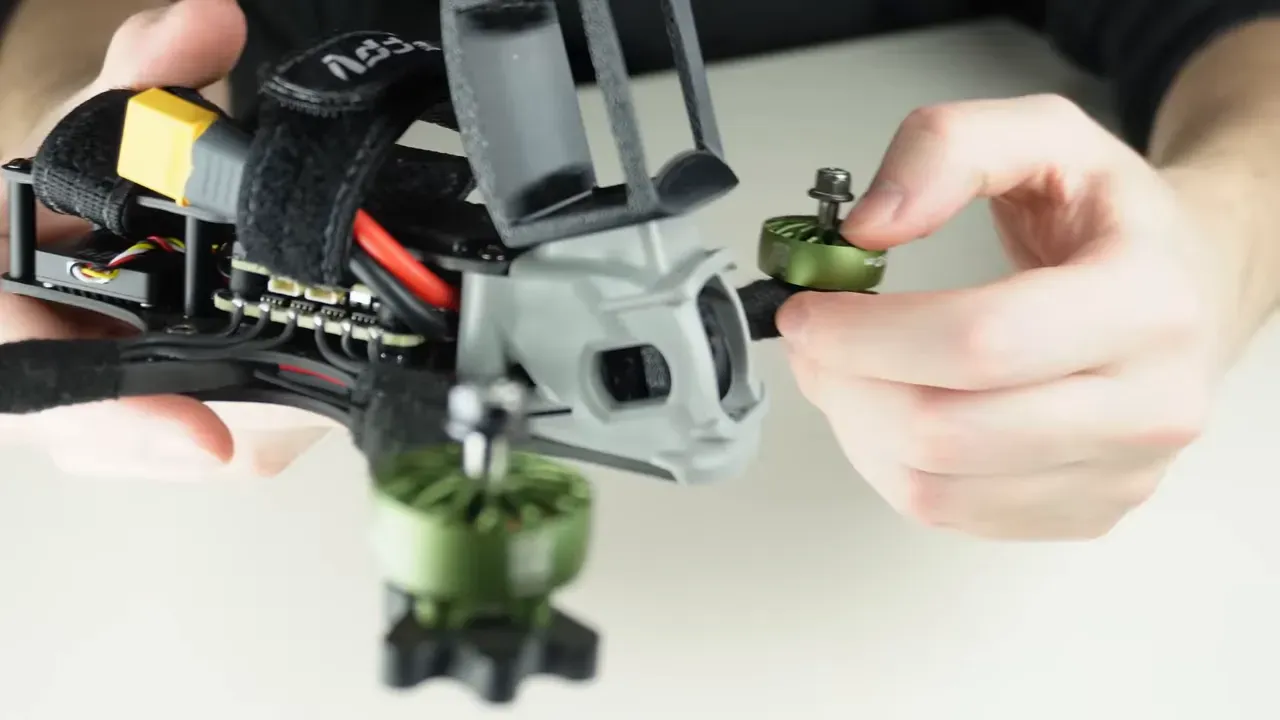
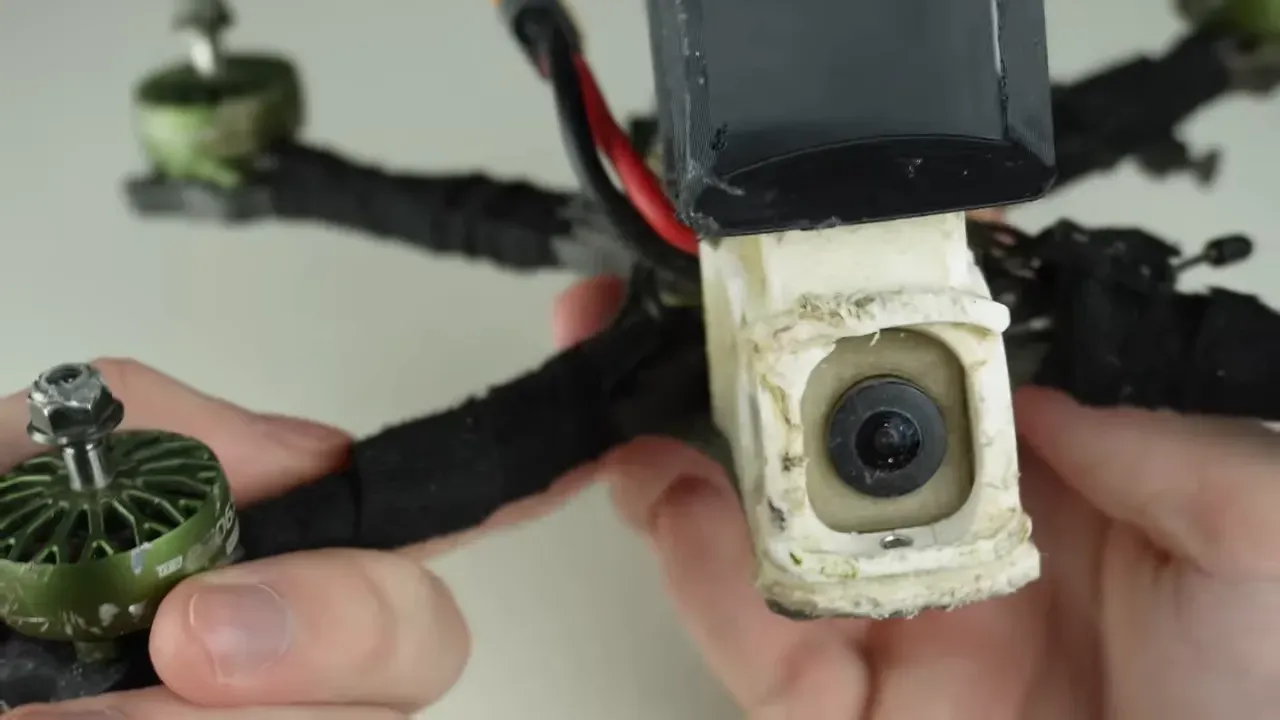
Tuck your camera, lens, antennas, XT60 and balance connector as deep as the frame will allow.
On the showcased frame the camera sits far enough in to avoid contact in crashes while keeping the frame out of view.
This layout prevents impacts to the lens and camera unless you hit extremes like nails or rubble.
How should I mount receiver and VTX antennas?
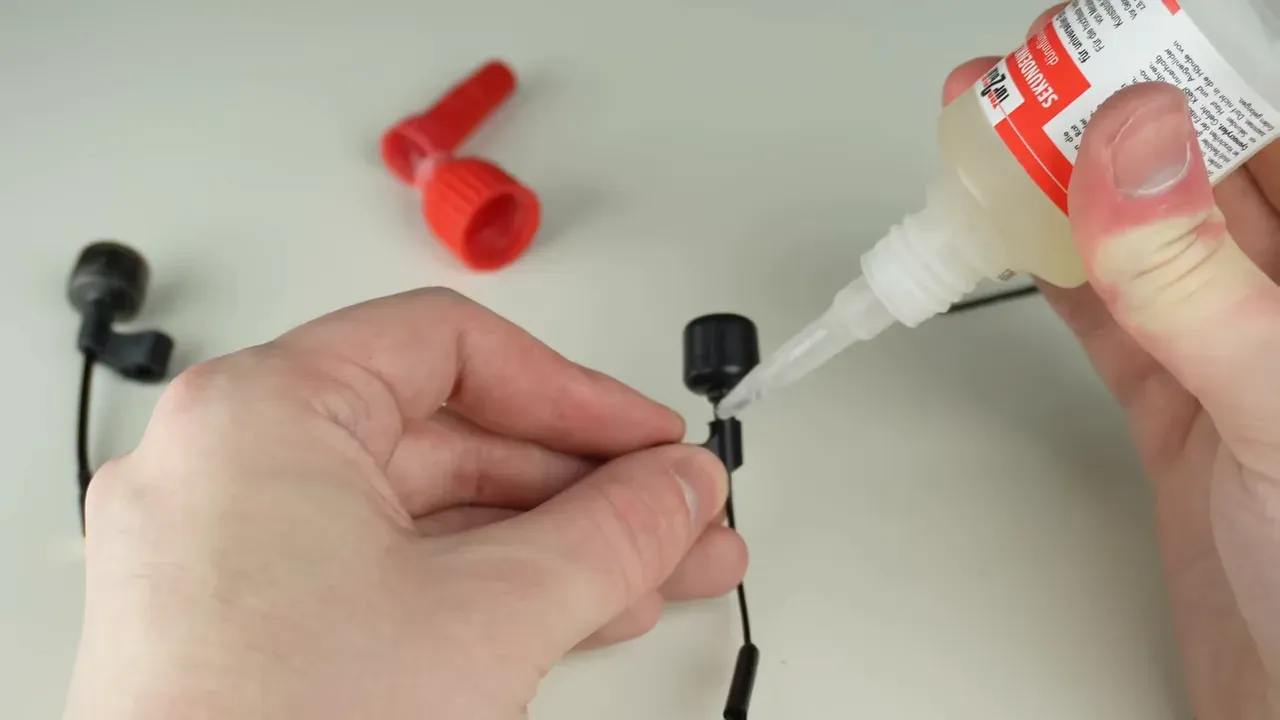
Keep receiver antennas inside the frame and mount VTX antennas on the side where hits are unlikely.
Nils tapes or zip-ties diversity RX antennas to the arms and uses a 3D printed side VTX mount to avoid strikes.
Diversity is used as a redundancy in case a cable gets nicked, not primarily for extra range.
How should I mount the XT60 and balance connector to avoid damage?
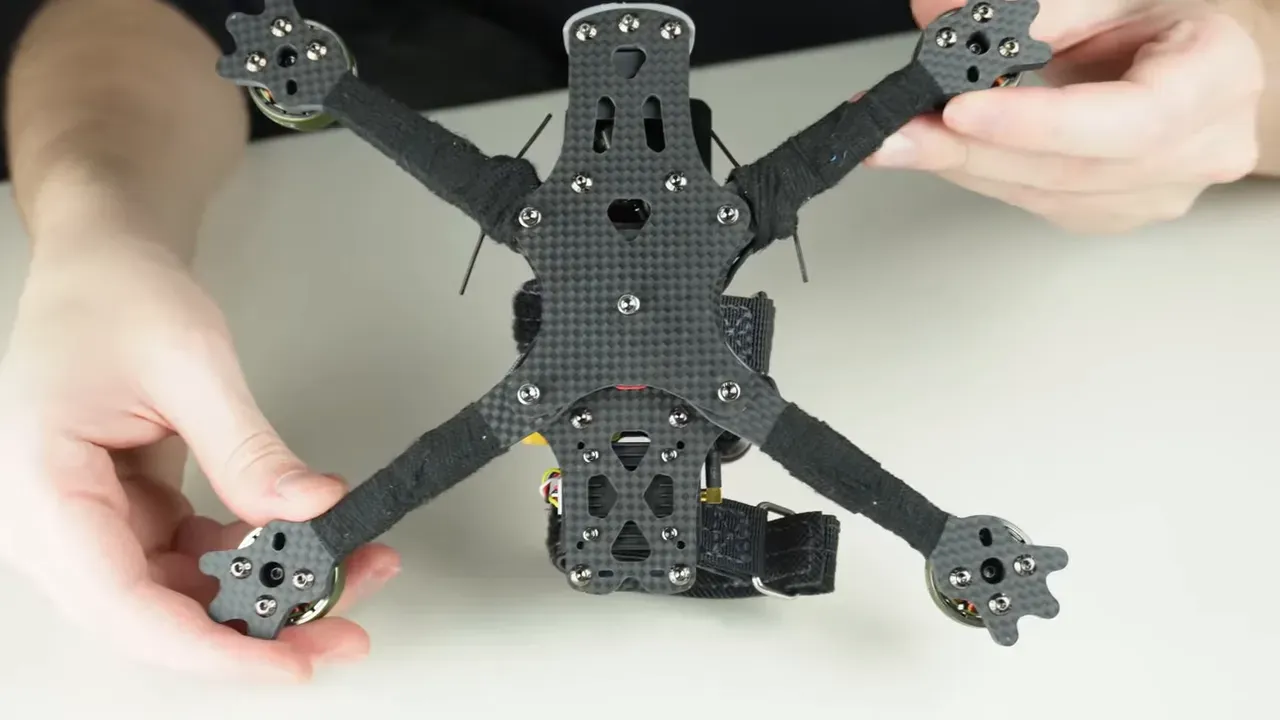
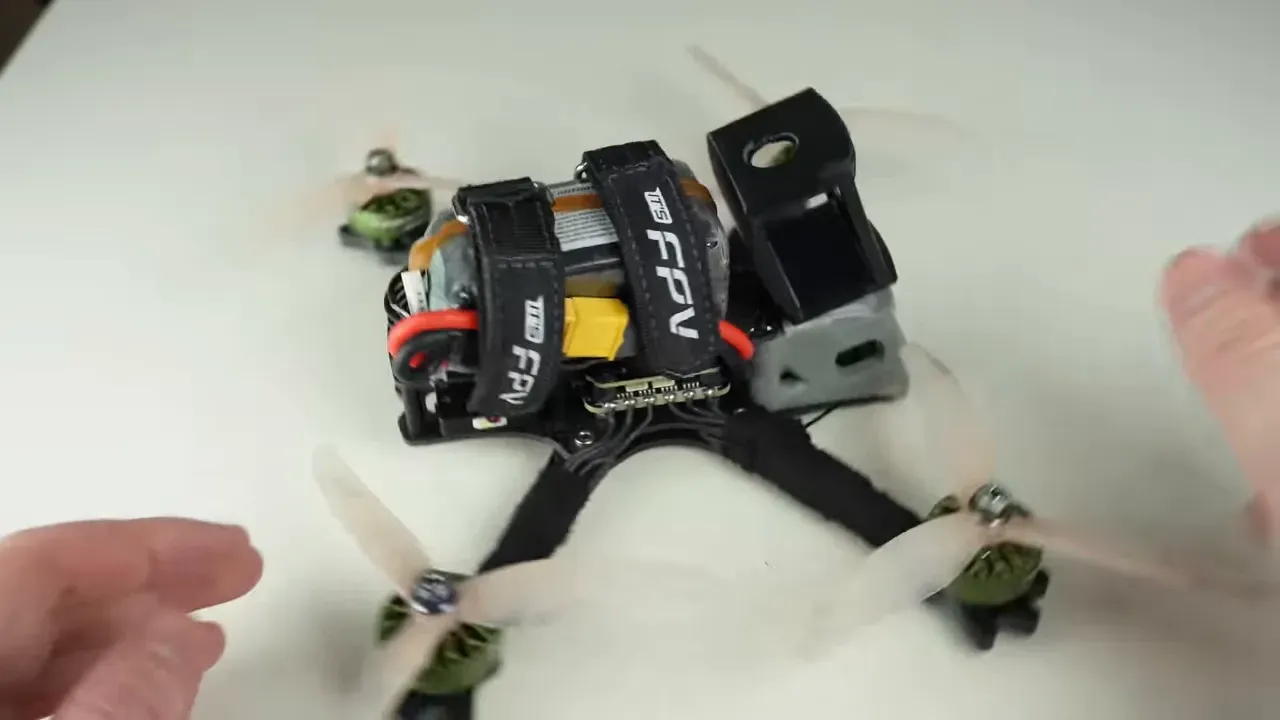
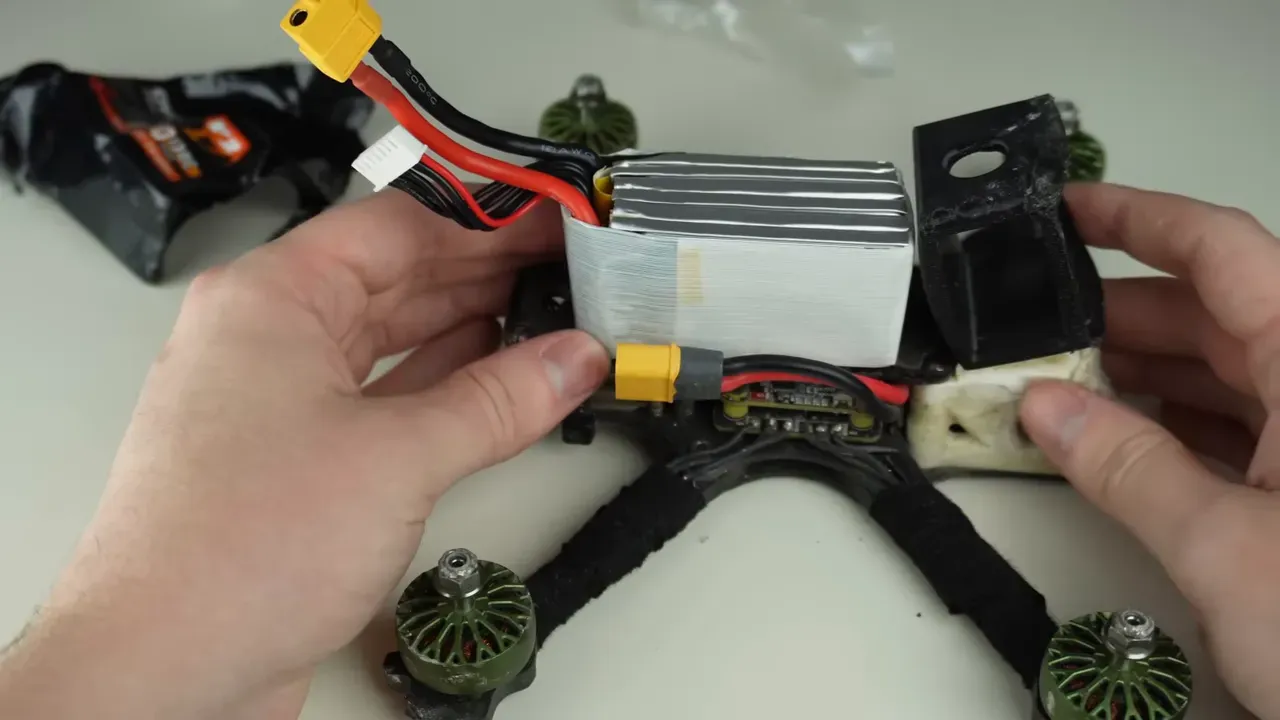
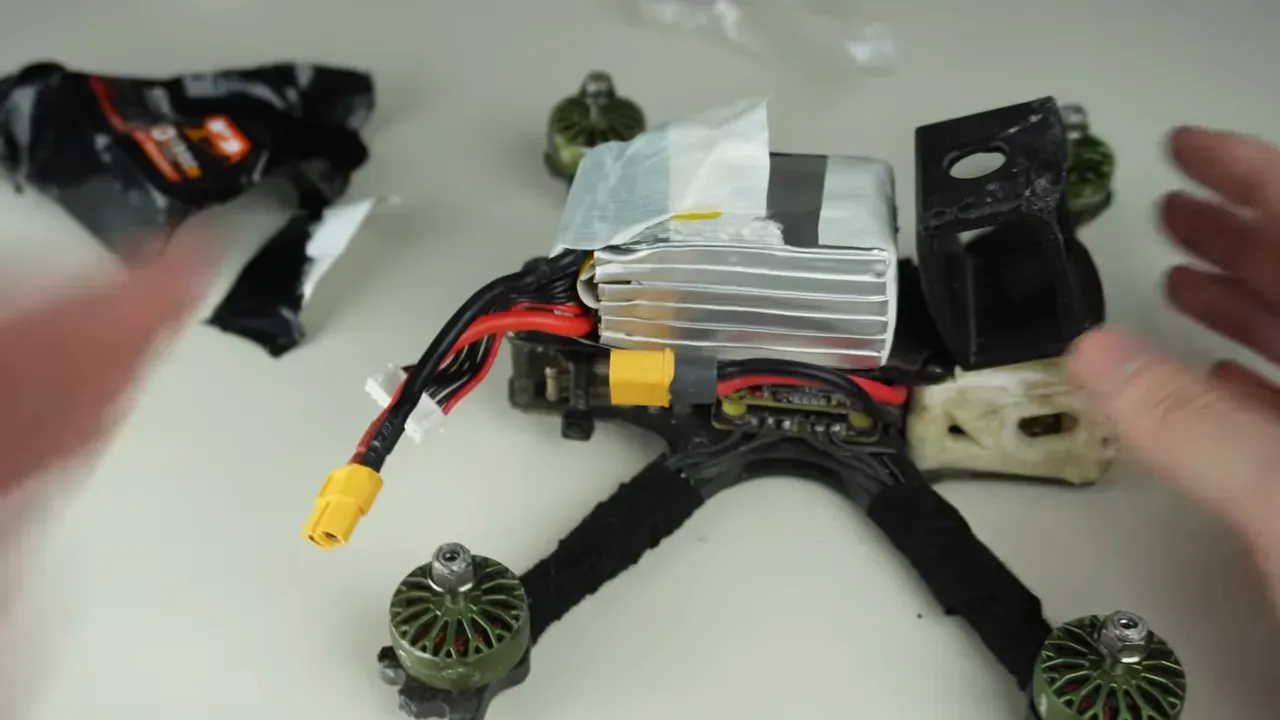
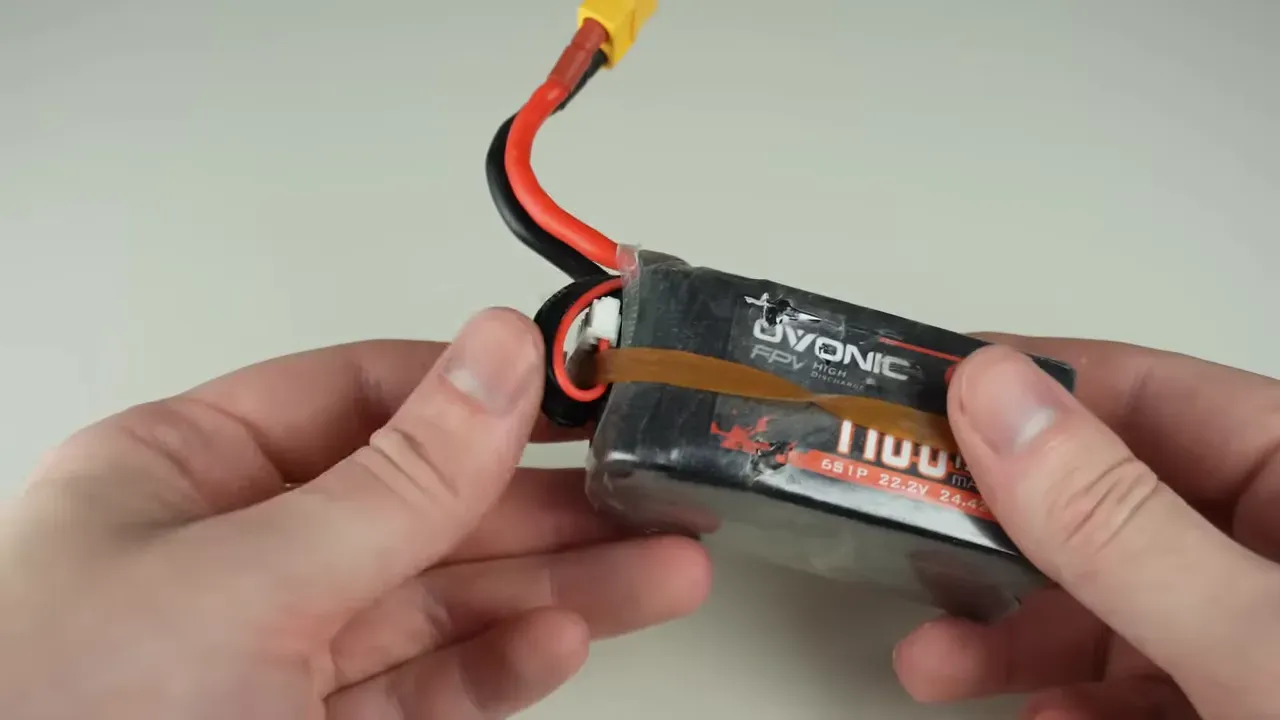
Mount power connectors out the side under the LiPo wrap and protect balancers with a rubber band.
Frames that print a connector mount to the frame invite snagging, Nils prefers side mounting under the wrap.
Combined with a sticky rubber pad and wrap, this method nearly eliminated his ejected packs.
Is TPU protection necessary for an Indestructible FPV drone?
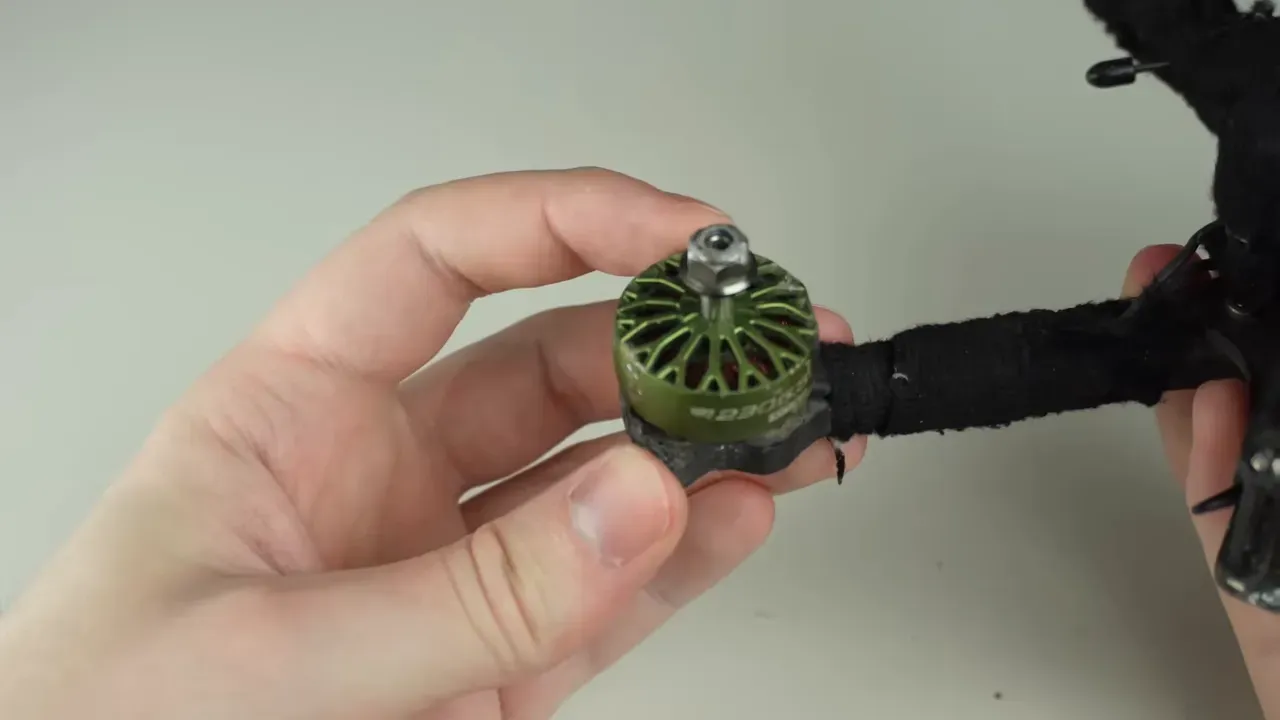
No, TPU guards are optional if your parts and layout already resist impacts well.
Nils does not run TPU because his motors rarely break and he prefers a minimal look with fewer screws.
Not stated in the video: if you fly in very cluttered environments, extra TPU might still help.
How should I orient LiPo batteries to avoid punctures and fires?
Orient the battery so the metal shielding on the pack sides faces up to take impacts.
Most good packs shield two sides; laying a pack flat exposes cells to pokes and increases fire risk.
Nils warns a small impact can start a fire if the battery is oriented badly, so let the shielding absorb hits.
FAQ
How often should I check screws on my quad?
Check main arm screws every 3 to 5 packs, motor screws every 5 to 8, and other screws every 15 packs.
Loose screws are the first thing to look at if the quad starts flying poorly.
Which motors resist bending better?
Motors with tougher material and construction resist bending, according to the squeeze test shown.
Nils compares models by hand force; some motors barely bend under two-handed pressure.
Will hiding antennas reduce range?
Hiding antennas inside the frame may alter orientation, but Nils uses diversity for backup, not extra range.
He prioritises survivability over marginal range gains from exposed routing.
What if my frame still breaks arms often?
If arms break frequently, upgrade to a higher quality frame or reassess crash habits.
Nils notes his main quad only broke two arms over many crashes, implying material and design choices matter.
How do I protect balance leads effectively?
Wrap the balance connector with a rubber band and tuck it under the pack to prevent snags.
Nils reports almost zero broken balancers since adopting this simple wrap technique.
Can I use fewer motor screws to save time?
It is acceptable if your motors and mount design support it, Nils runs three screws on his motors.
He prefers fewer parts to worry about, but this assumes the motor design maintains clamping and alignment.
Key specs and claims mentioned
- Check main arm screws every 3 to 5 packs.
- Check motor screws every 5 to 8 packs.
- Check other screws about every 15 packs.
- Camera mount locked at 20 degrees tilt, distance prevents lens smash.
- Use side VTX antenna mount to avoid impacts.
- Orient LiPo metal shielding on the top to absorb impacts.
This article was based from the video How I made my Drone Indestructible