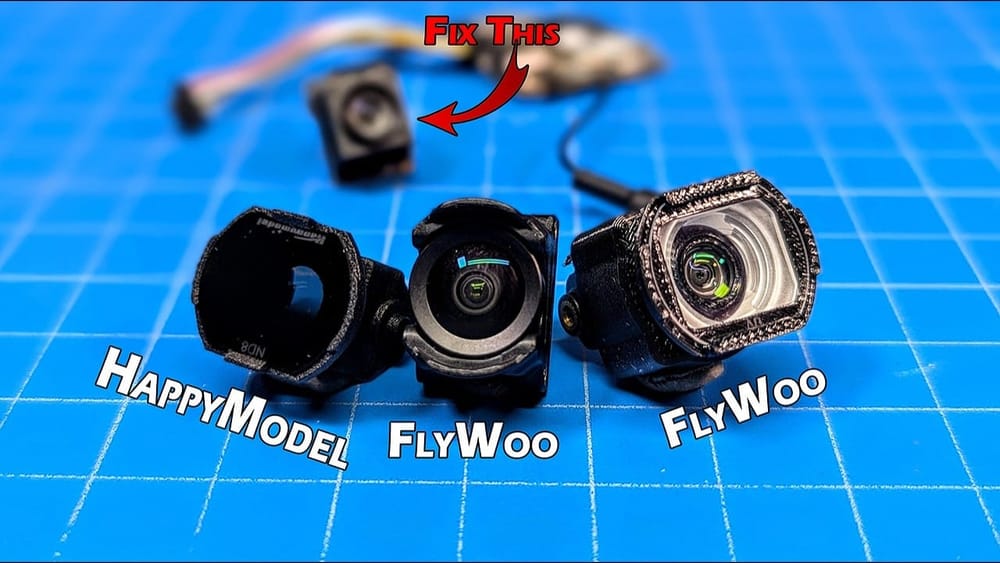
Nick Burns tests two compact fixes for the painfully narrow DJI O4 Lite field of view and reports practical wins and compromises.
TL:DR — a slide-on HappyModel extender or a FlyWoo wide camera both widen the view; one is lighter and cheaper, the other replaces the camera and shows a red DJI calibration warning.
Why the O4 Lite feels constrained
The O4 Lite shrank the field of view to hit a weight target. Pilots lose peripheral awareness and that freedom many expect from wider DJI systems.
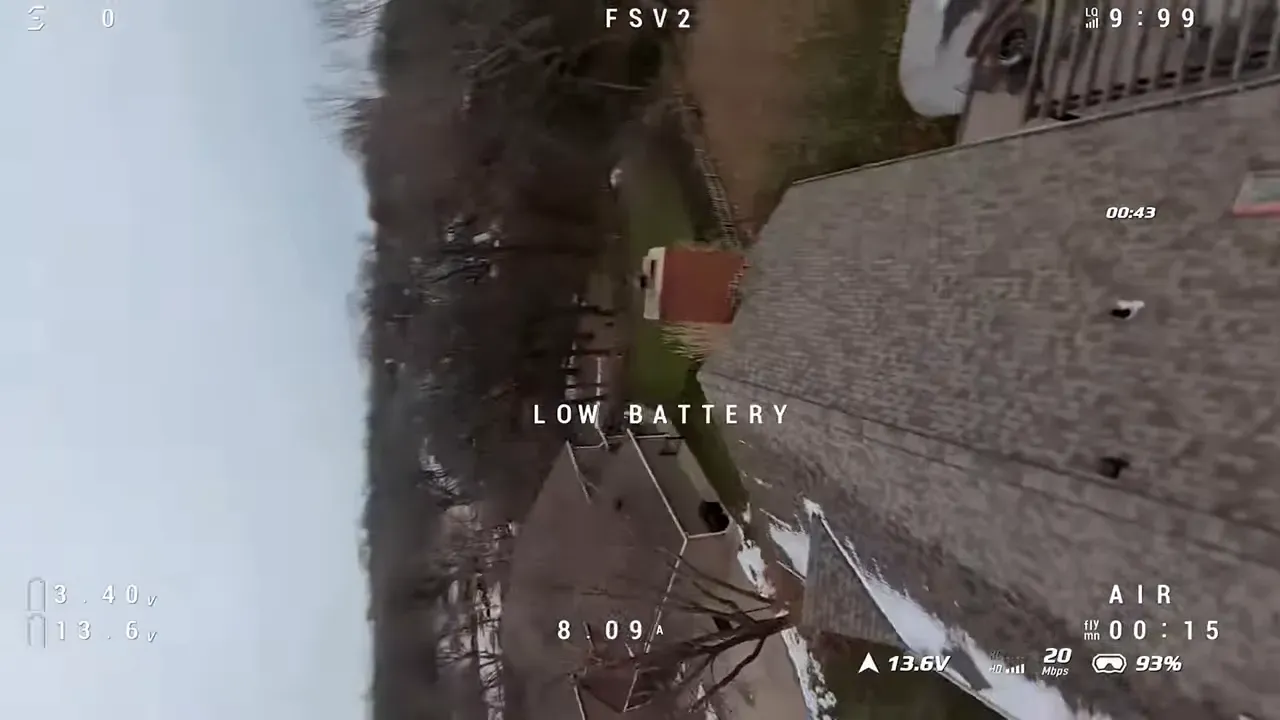
Micros and indoor pilots feel the pinch most—tight framing forces more concentration and makes flights less fun.
What the HappyModel FOV Extender does
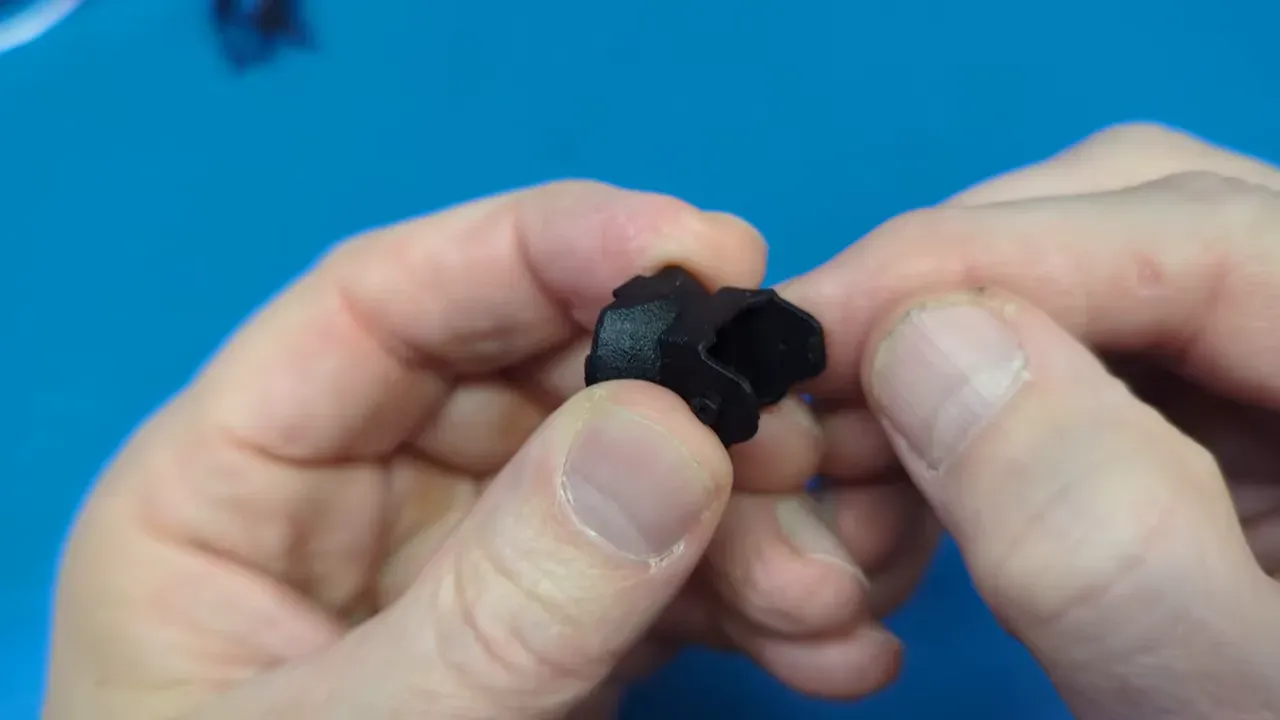
HappyModel produces a slide-on FOV extender that adds width without swapping the camera. It weighs about 3.13 grams.
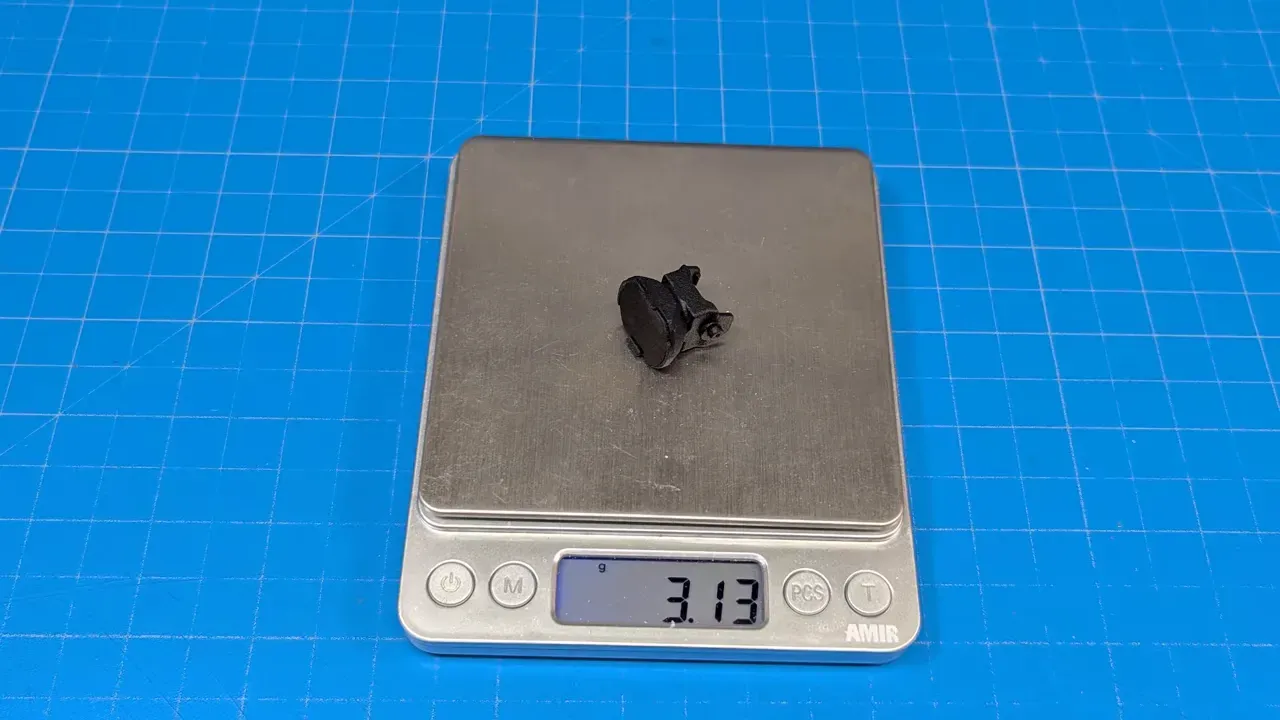
The extender slides over the native O4 camera and latches at the rear. The prototype looks 3D printed—HappyModel plans a molded version.
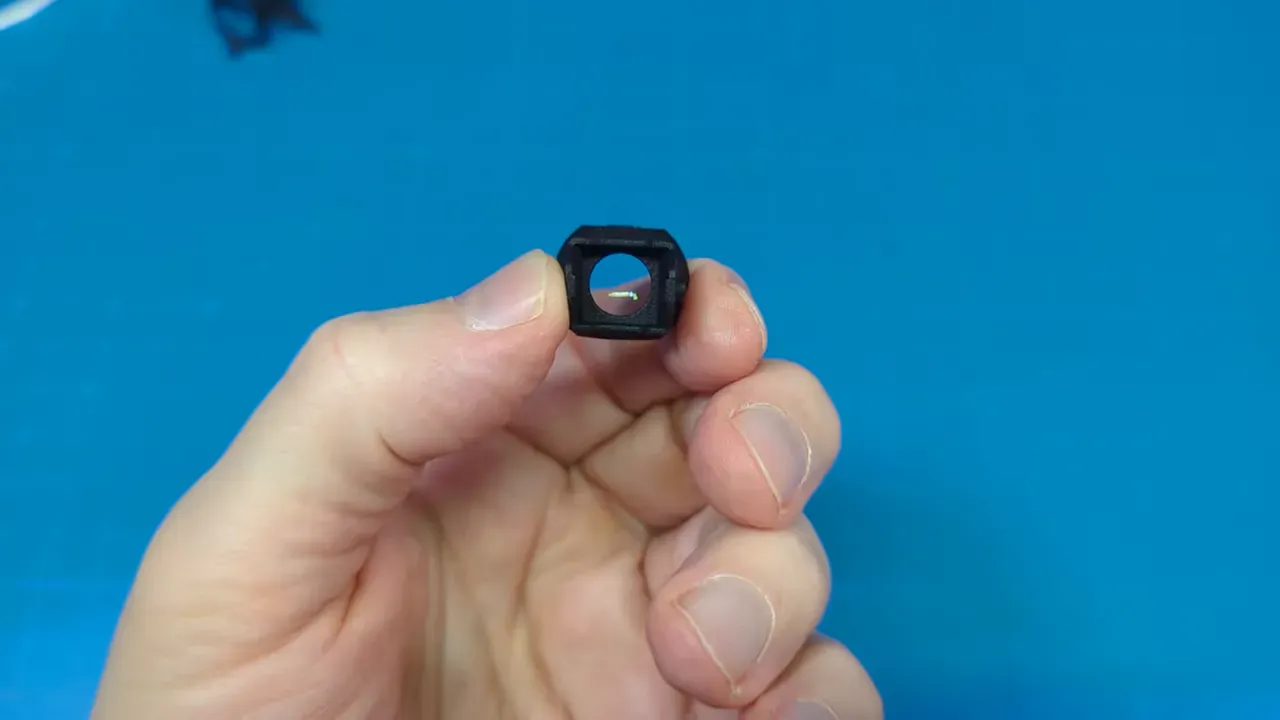
The kit includes a canopy that snaps on cleanly, plus two ND filters and a clear lens protector. The canopy adds just over a gram.
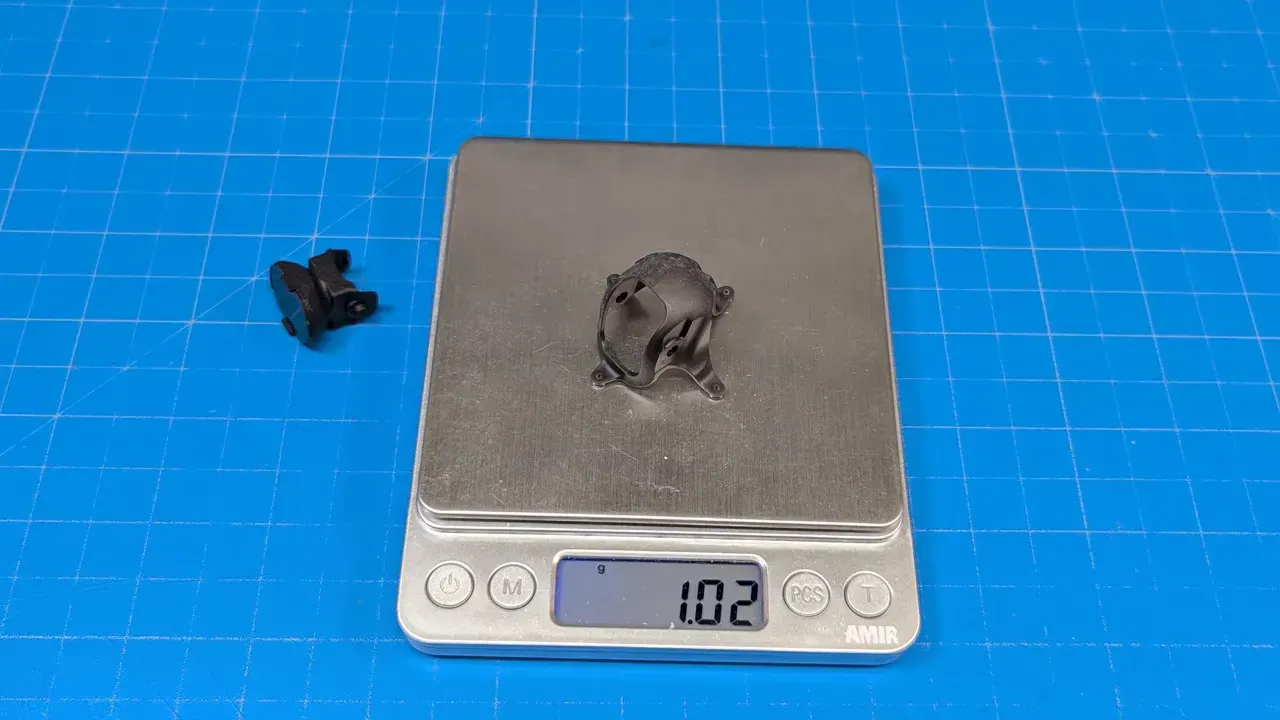
How FlyWoo approaches the problem
FlyWoo offers two routes: a slide-on wide adapter and a full replacement wide-angle O4 camera set.
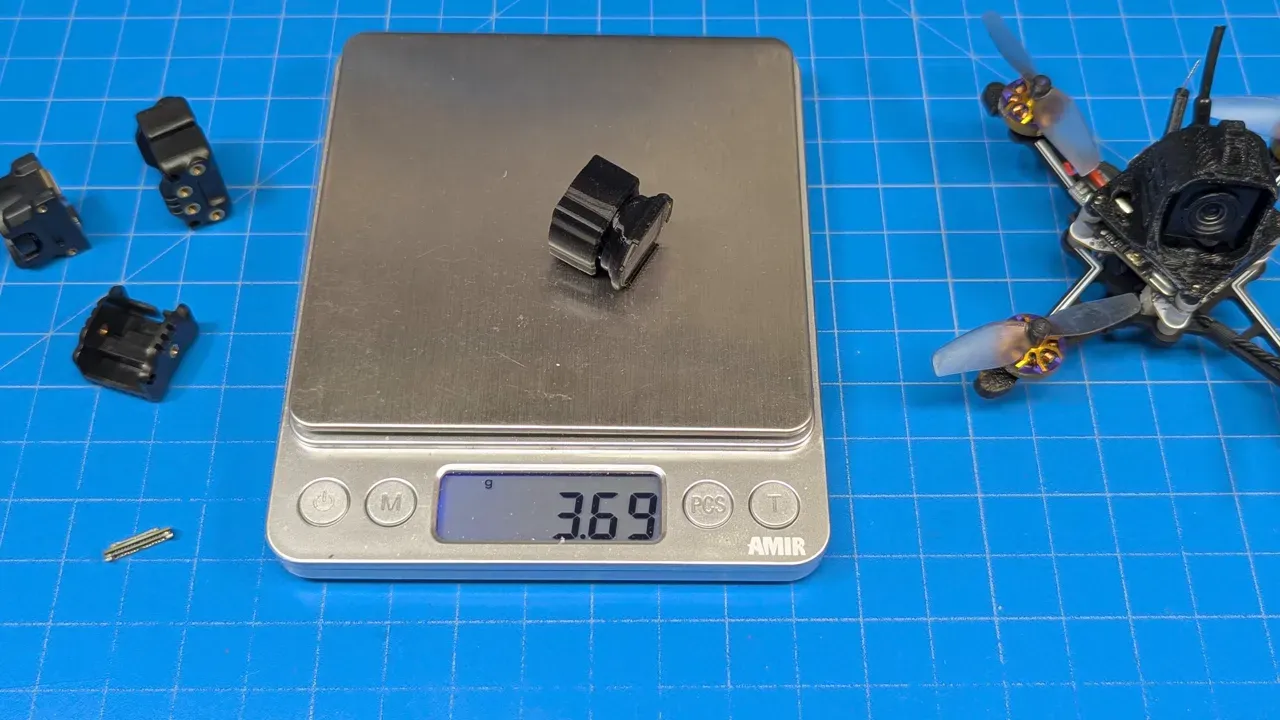
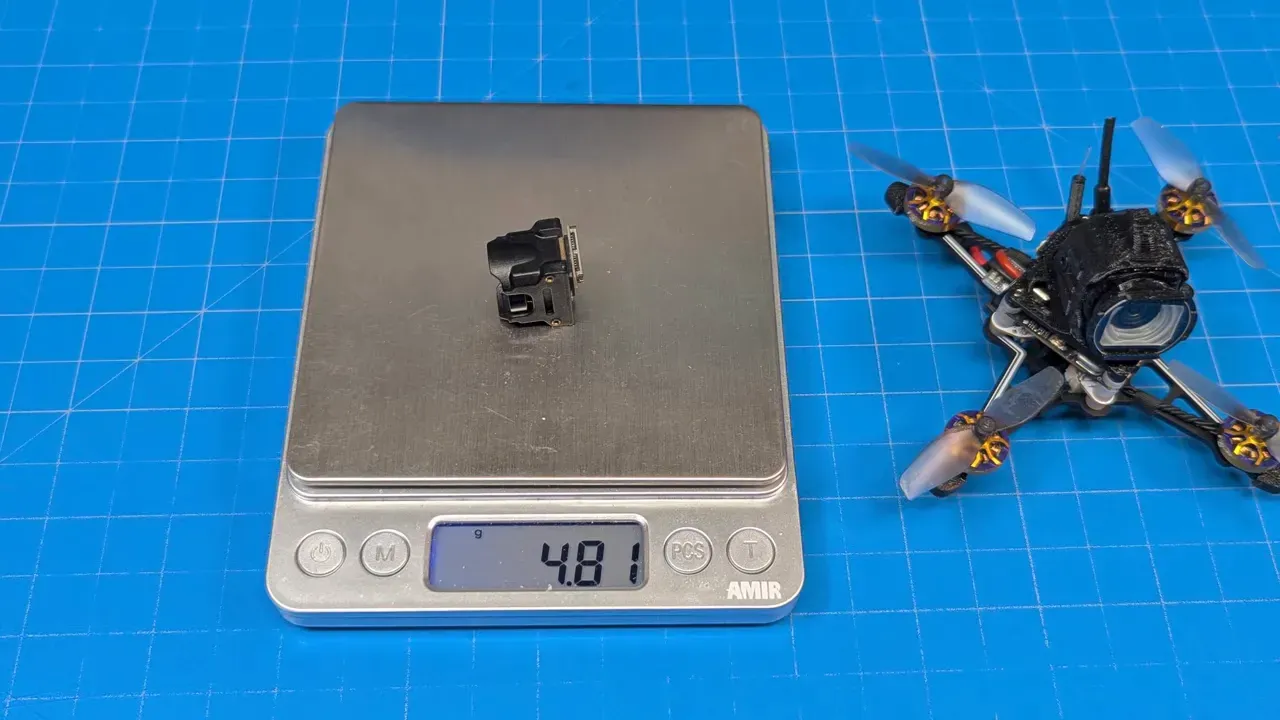
The 3D-printed adapter weighs around 3.69 grams. The FlyWoo wide camera plus its rear housing weigh roughly 6.36 grams combined.
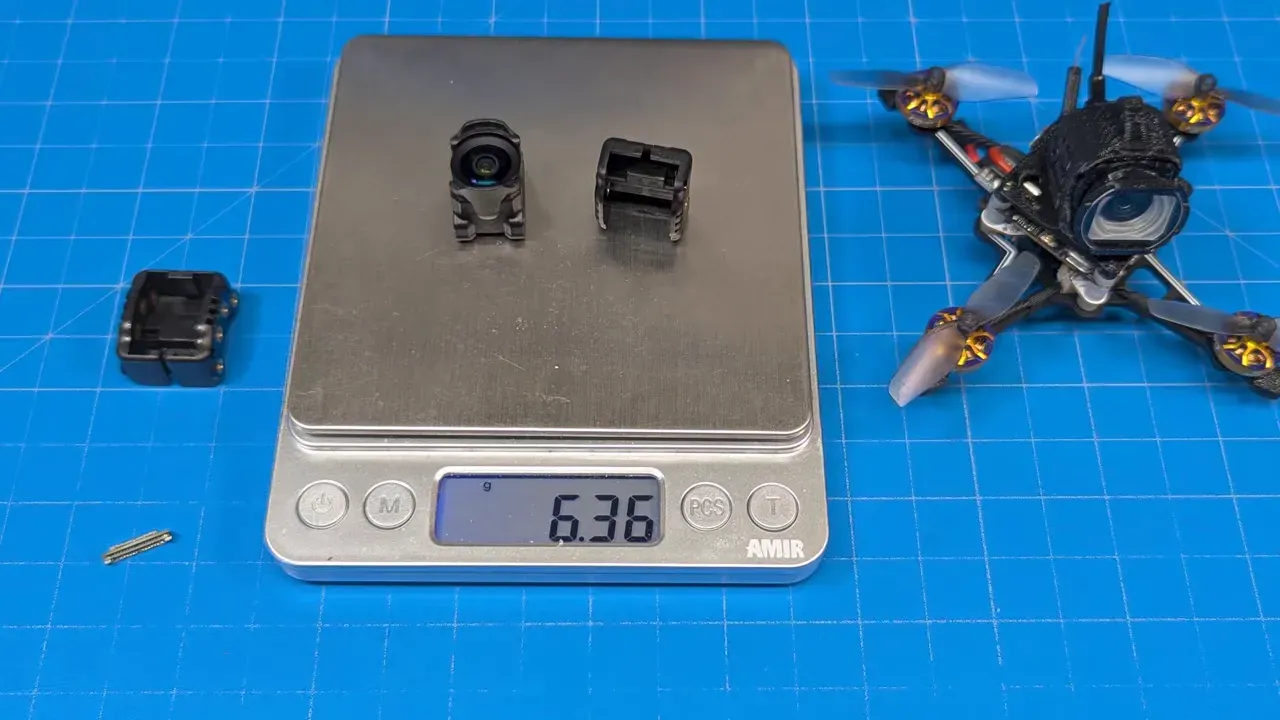
The wide camera itself clocks in at about 4.81 grams, while the back shell adds 1.74 grams. The replacement snaps in with the MIPI cable.
Compatibility and the red calibration warning
The FlyWoo camera is not an official DJI module. DJI's system flags this with a red camera calibration error on screen.
That red warning normally signals cable or connector issues on genuine DJI parts—but here it only flags the non-native camera. It is a persistent on-screen nuisance.
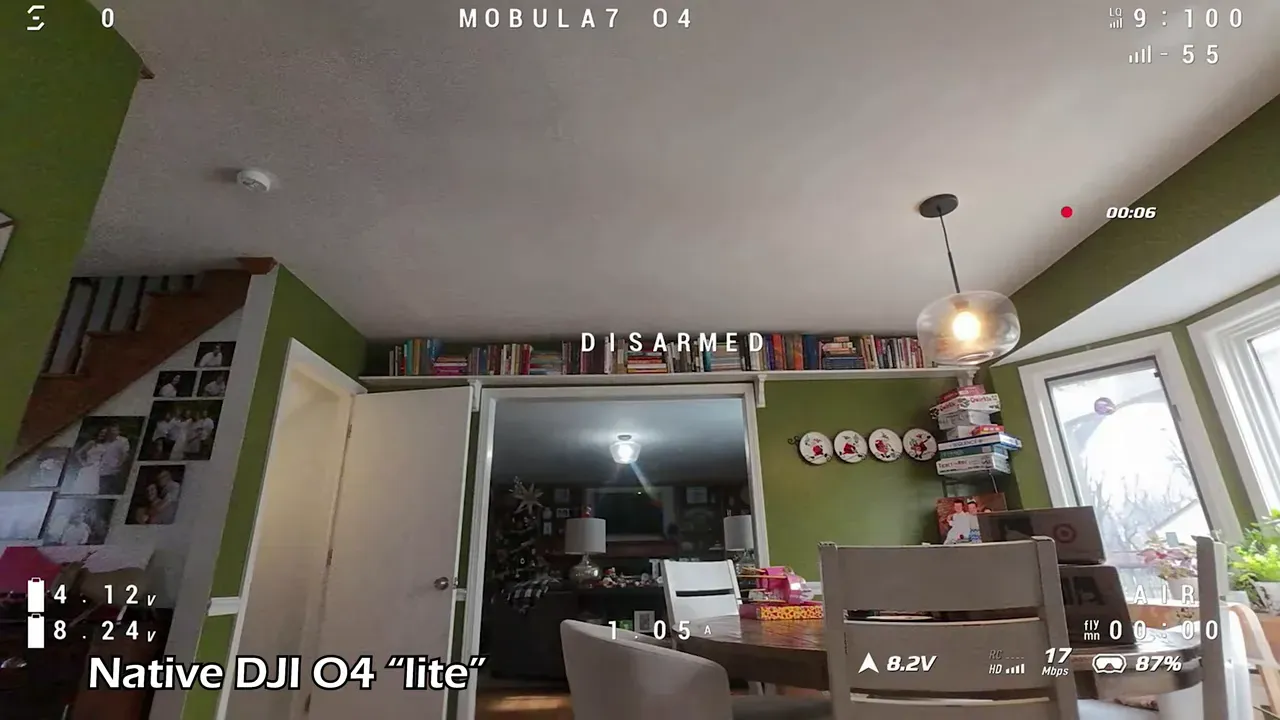
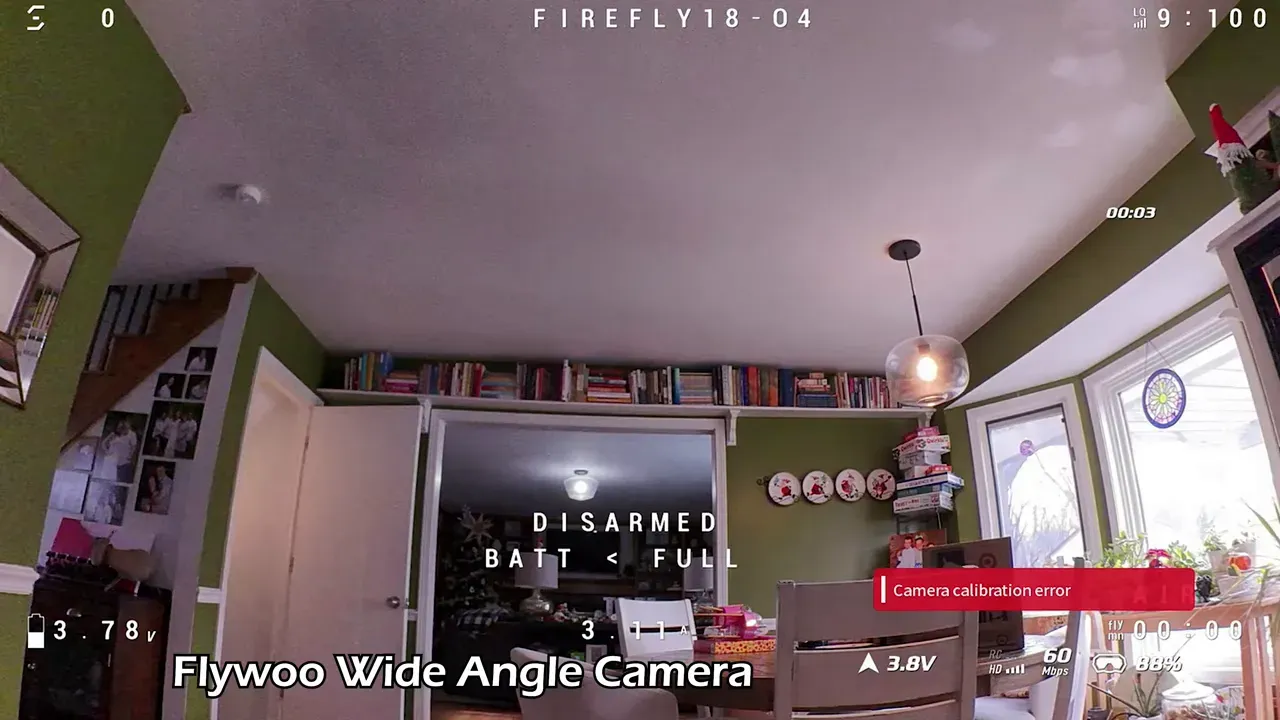
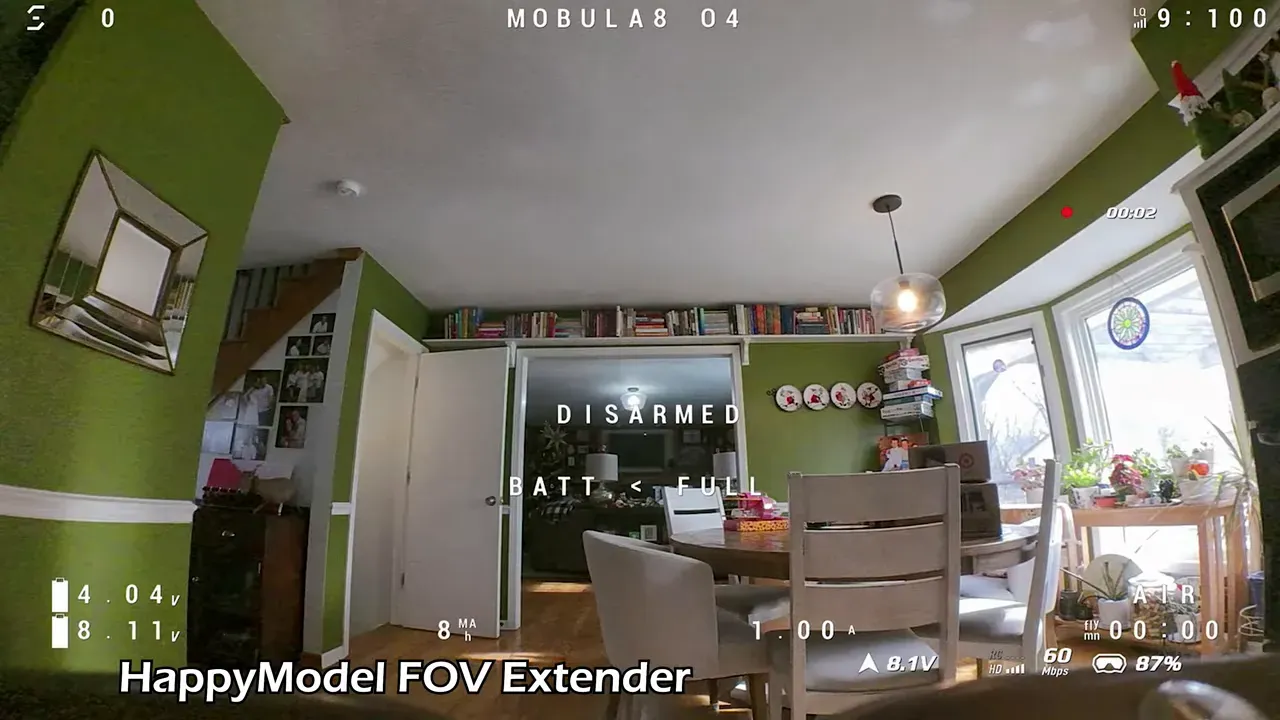
Image quality and flight impressions
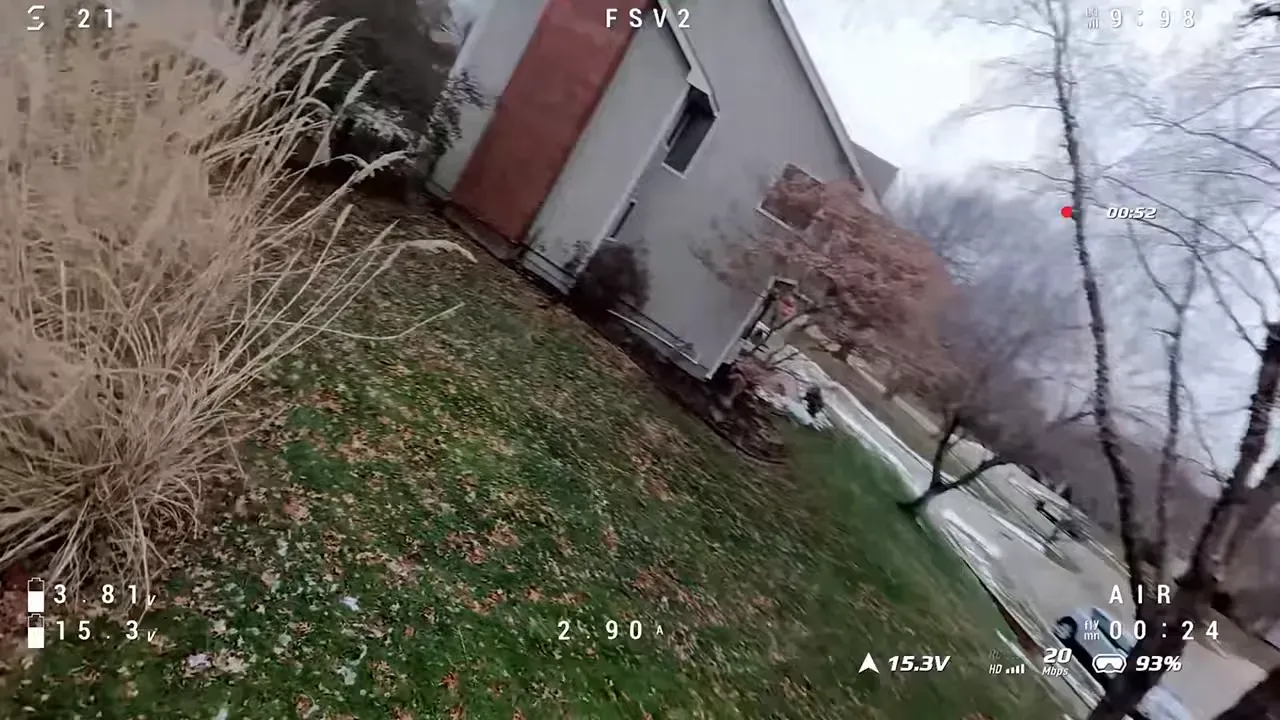
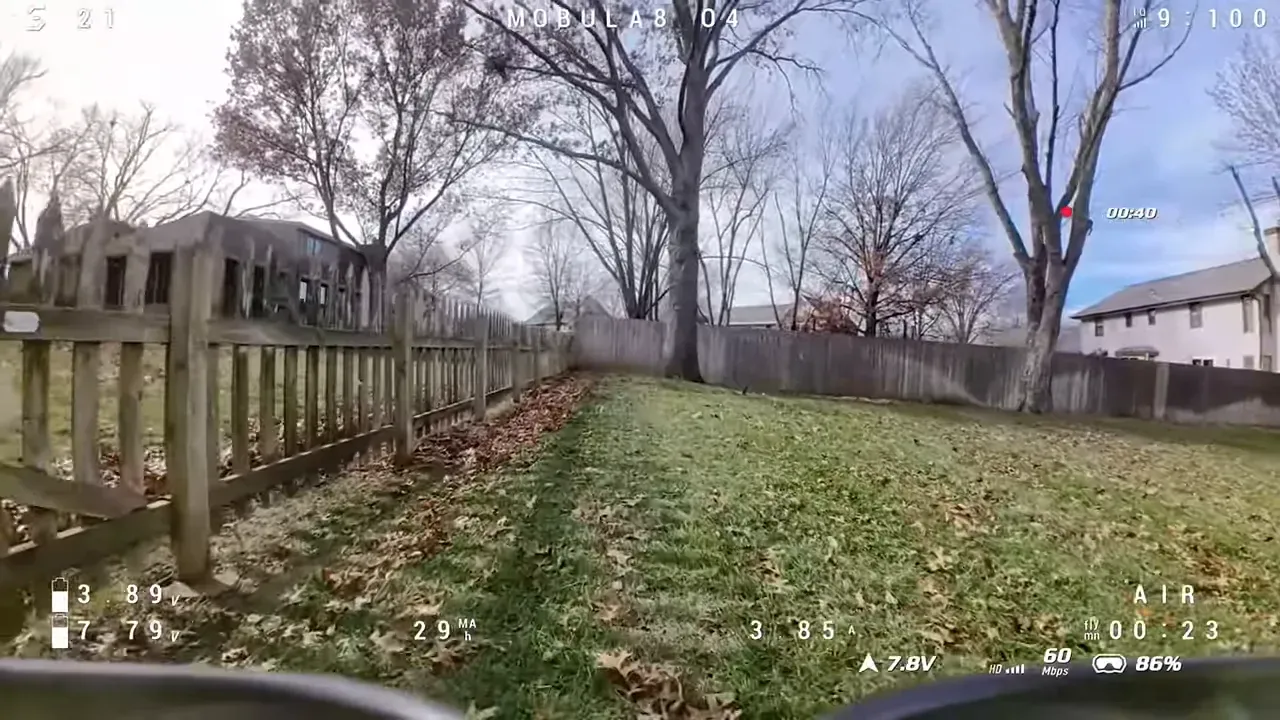
Nick chose a sunny, windy day to reveal any jello or vibration problems the extenders might introduce. Good light shows weaknesses fast.
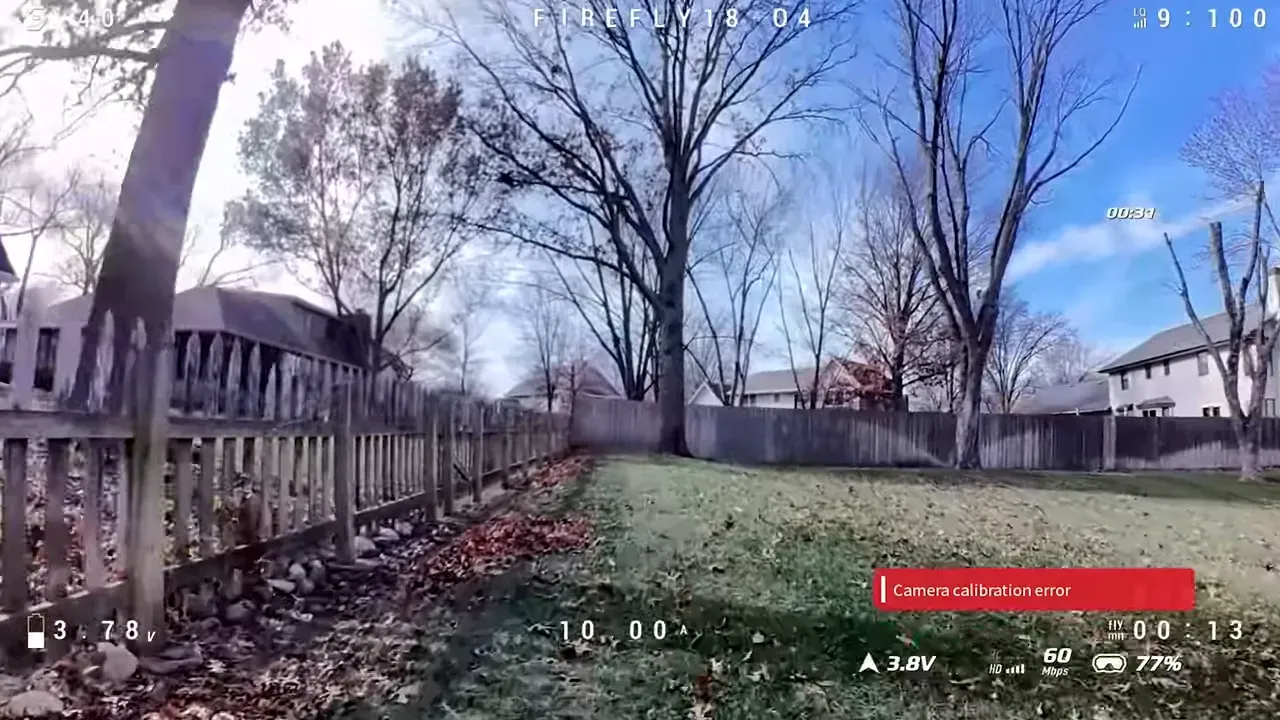
Using DVR footage preserves the full frame for direct comparison. The FlyWoo warning overlays the OSD and may bother pilots who require pristine telemetry visibility.
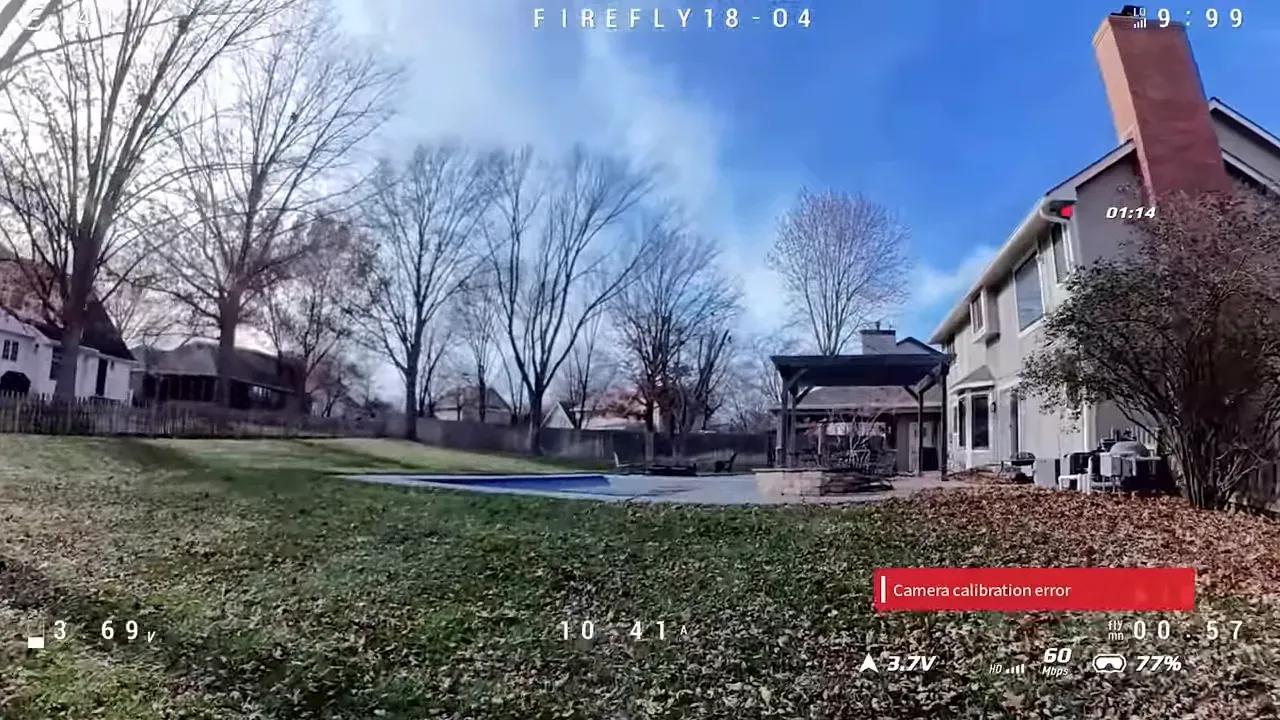
Both fixes visibly expand the field of view. The HappyModel extender keeps the native camera and its color rendering intact.
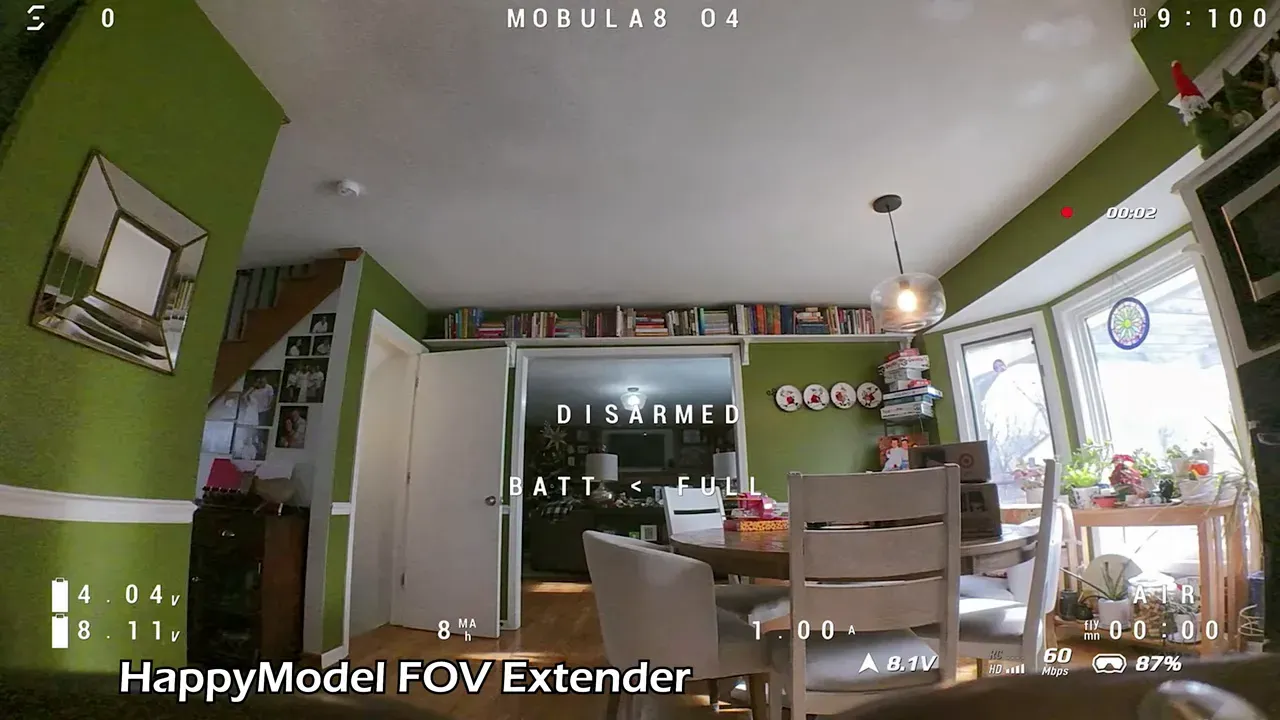
FlyWoo's camera delivers a broader perspective but brings the calibration alert and slightly different color saturation—Nick leaves cameras at default settings to keep comparisons fair.
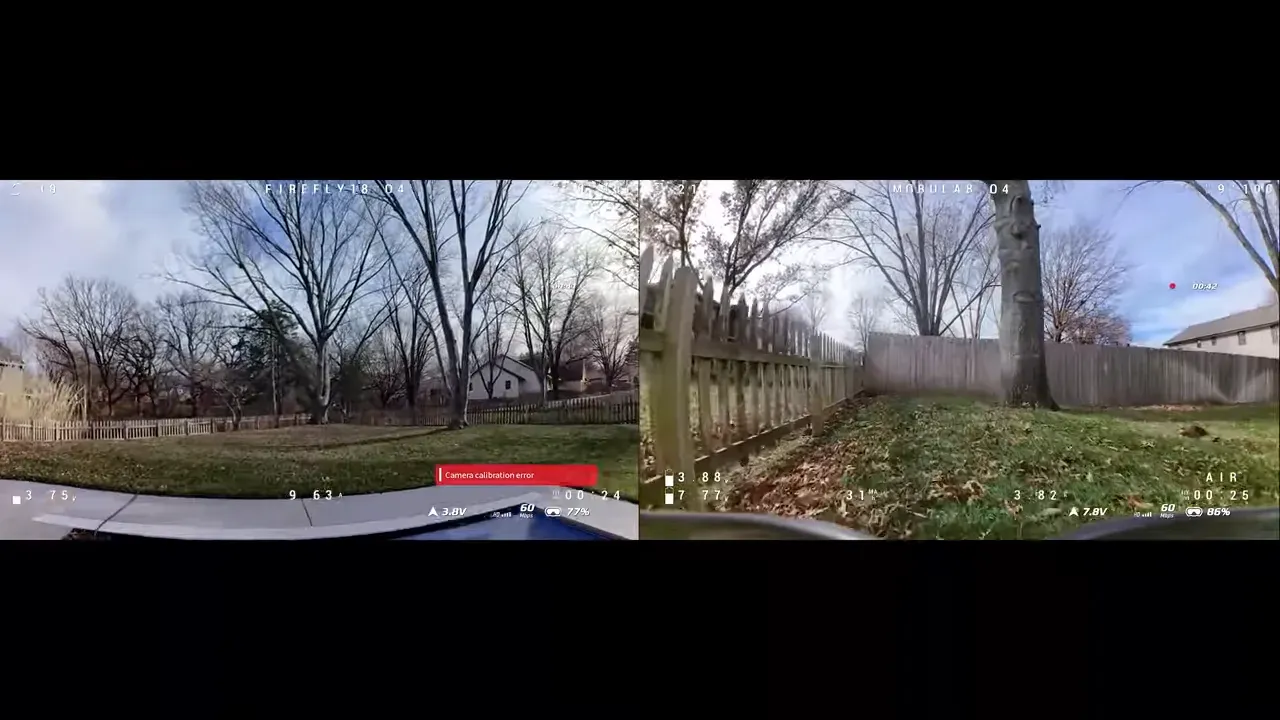
Side-by-side flying notes
Flight paths were not strictly identical—these were real flights, flown for enjoyment rather than lab precision. Still, the side-by-side clips reveal meaningful differences.
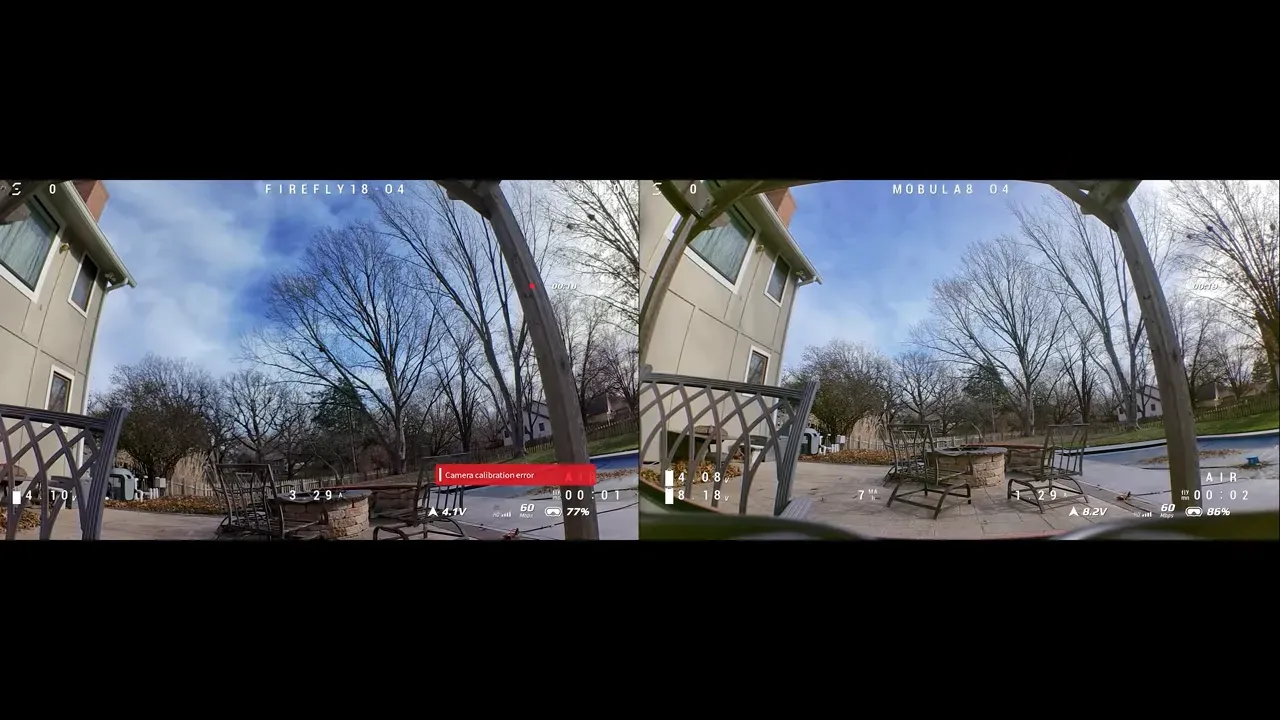
The HappyModel option avoids soldering and lens surgery. It slides on and off quickly—ideal for pilots who test gear frequently or want a reversible mod.
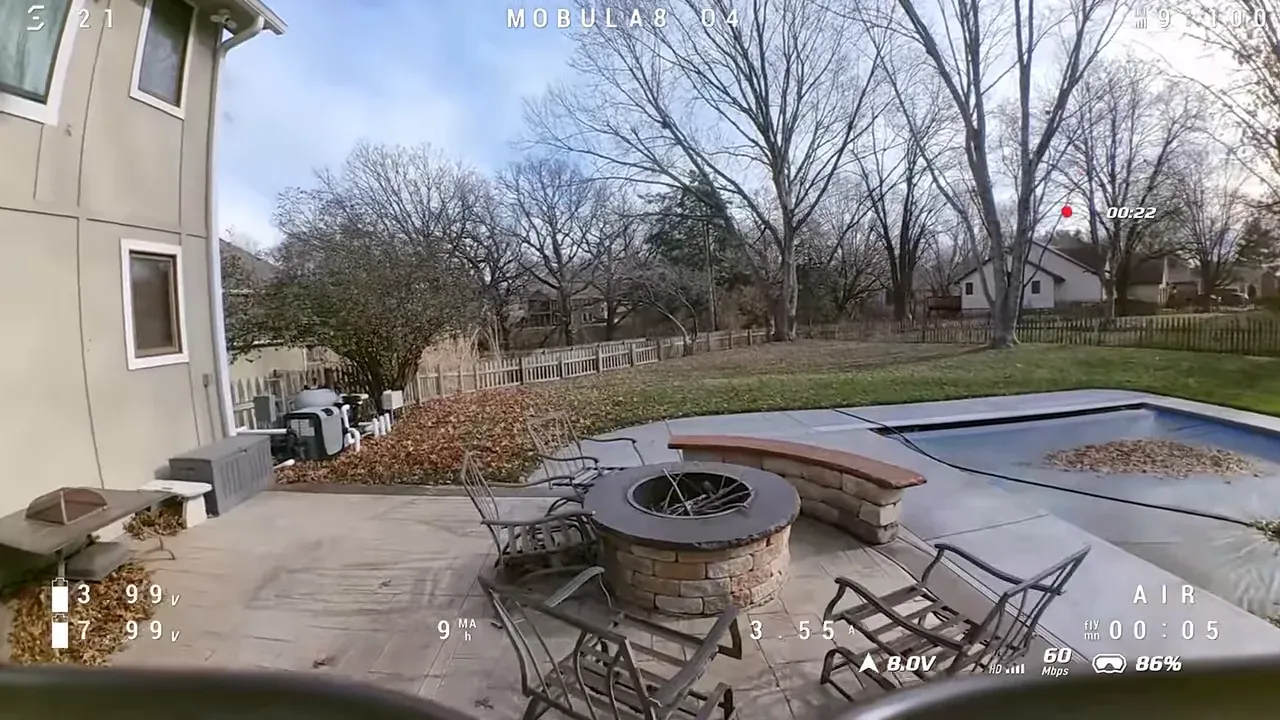
FlyWoo's replacement camera requires careful handling during installation. The MIPI connection is straightforward, but swapping or lens surgery can break components if done hastily.
Price and value
FlyWoo wide camera set direct is about $34.99 for the camera and adapter options around $29.99 for the light adapter.
FlyWoo also offers a prebuilt O4 with their wide camera installed for around $139—handy if building a drone around the wider module.
HappyModel lists its FOV extender for about $23, and it ships with the canopy and ND filters—an aggressive price for a simple mechanical fix.
Practical recommendations
If minimal risk and quick reversibility matter, choose the HappyModel slide-on extender. It preserves the stock camera and keeps the DJI system native.
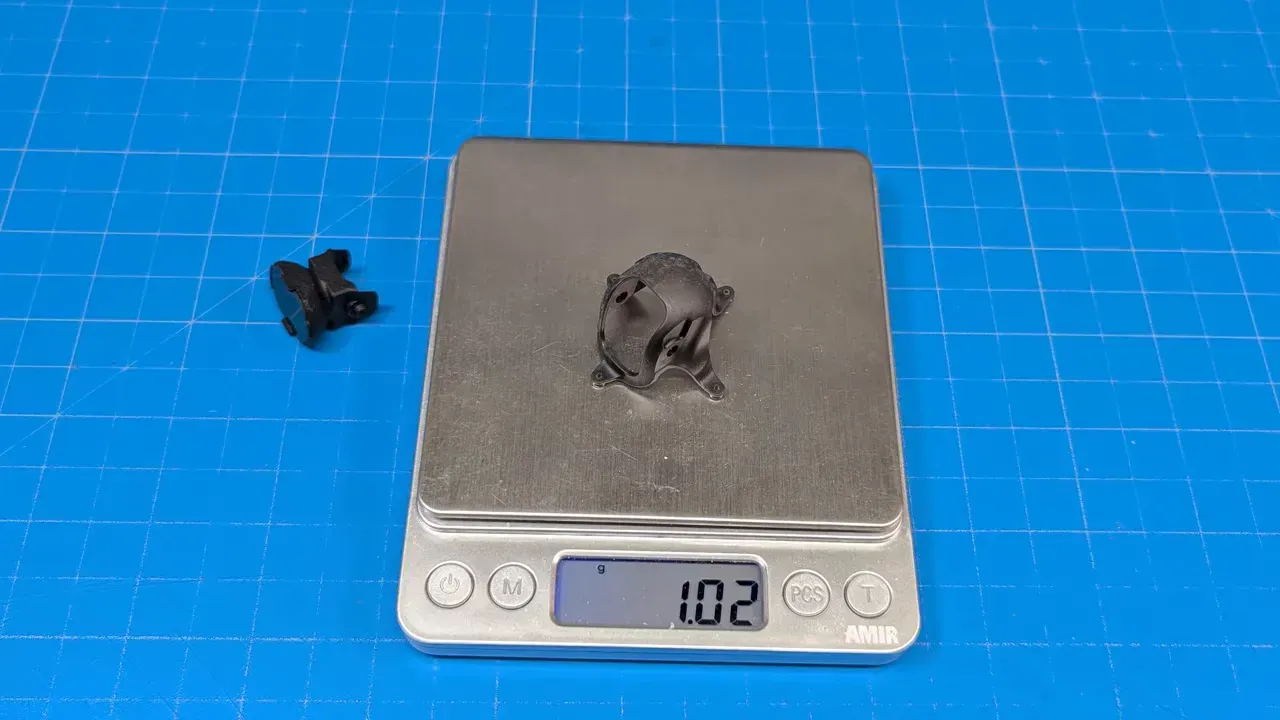
If field of view and long-term optical quality matter more, consider FlyWoo's replacement camera—but accept the persistent calibration warning.
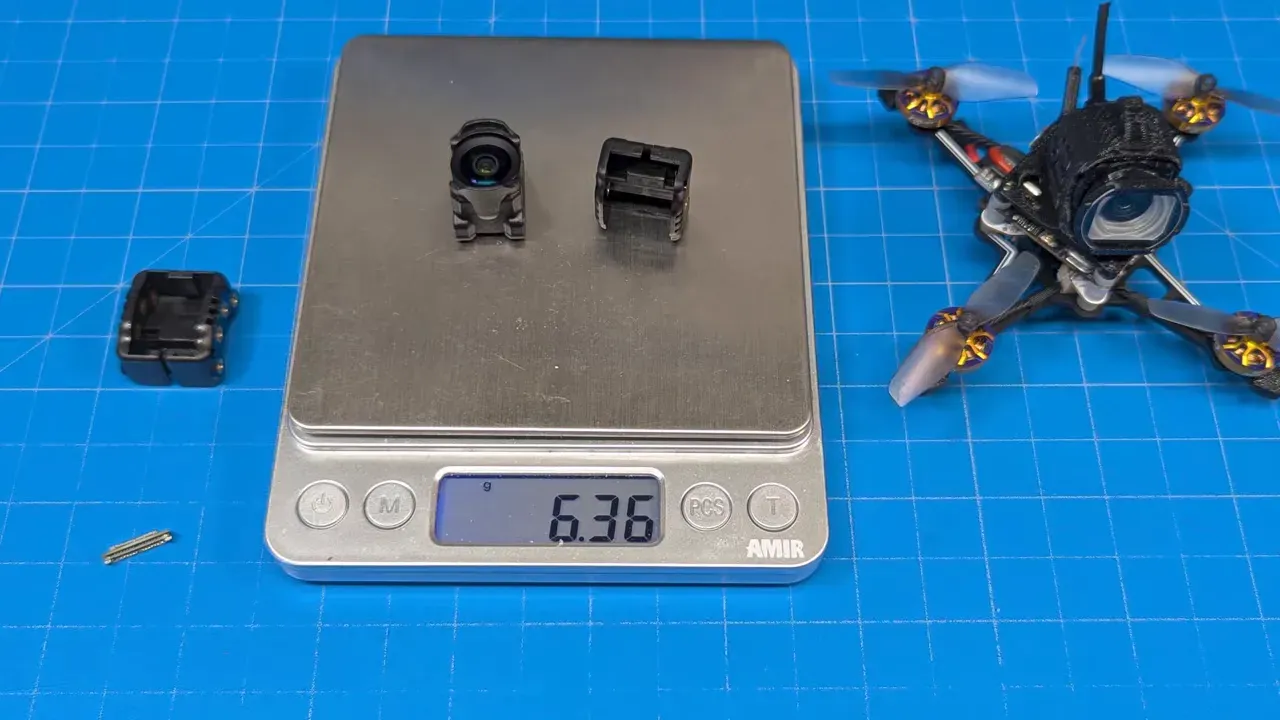
Replacing a camera lens is possible but fiddly. It involves heat and precise handling—get it wrong and the camera dies. Nick prefers slide-on or full-swap solutions.
Build and tuning notes
HappyModel supplied a Mobula 804 tune that initially showed motor wash. Firm tuning and a refined PID will help when flying aggressively with added frontal drag.
Expect more iterations. Both companies are working on improved prints and molded parts, and pilots will adapt canopies and mounts for neat integration.
FAQ
Will either option affect flight performance or weight distribution significantly?
Both add a few grams. The HappyModel extender totals about 3.13 grams; FlyWoo full camera and housing add around 6.36 grams. Expect minor balance shifts; tune if you fly aggressively.
Does FlyWoo’s camera break DJI features or warranties?
It triggers a red calibration warning but keeps core functionality. Warranty effects depend on seller and region—assume third-party swaps void some manufacturer support.
Are there cheaper DIY alternatives?
Some pilots 3D-print adapters or replace lenses. Lens swaps require heat and fine tools and risk permanent damage. The slide-on and replacement camera are safer for most users.
Which option gives the widest field of view?
FlyWoo’s wide replacement camera provides the largest native field of view. HappyModel’s extender meaningfully widens the view but not as much as a dedicated wide camera.
Takeaways
- HappyModel extender — cheapest, reversible, keeps DJI native camera.
- FlyWoo camera — wider view, full replacement, shows DJI calibration warning.
- Installation — slide-on is low risk; lens swaps require skills and heat tools.
- Price — expect $23 for HappyModel, $34.99 for FlyWoo camera, $139 for prebuilt options.
- HappyModel slides on, widens view, costs roughly $23, and keeps the stock camera.
- FlyWoo replaces the camera for a wider perspective but triggers DJI’s calibration warning.
- Slide-on fixes suit most pilots—lens swaps carry real risk without experience.
This article was based from the video DJI O4 Fix // HappyModel FOV Extender // FlyWoo Wide Angle Camera to FIX DJI FOV Issues