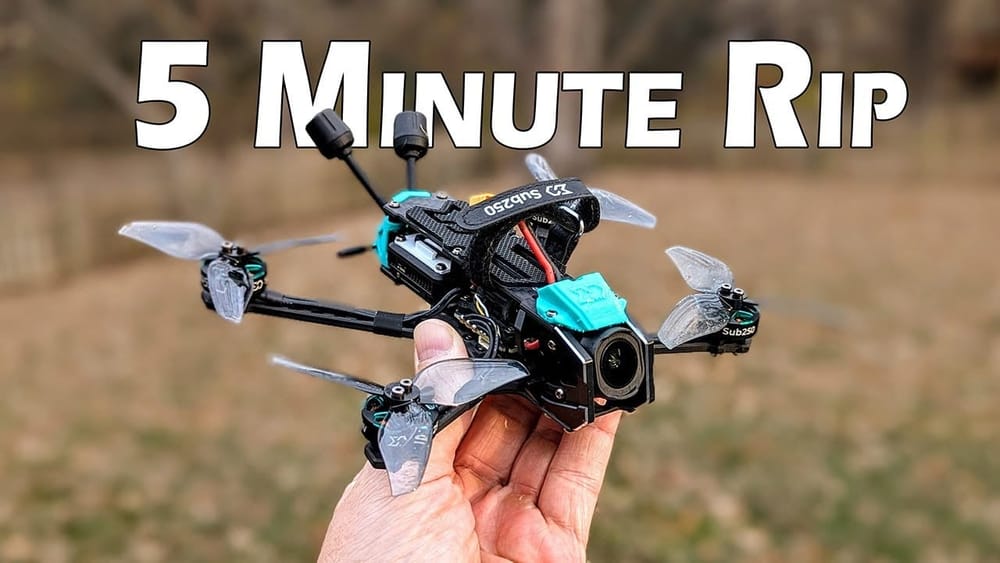
Nick Burns tests the Sub250 OasisFly35 and finds a small 3.5in quad that punches above its weight for both cinematic cruising and occasional full-send freestyle.
What the OasisFly35 is and why it matters
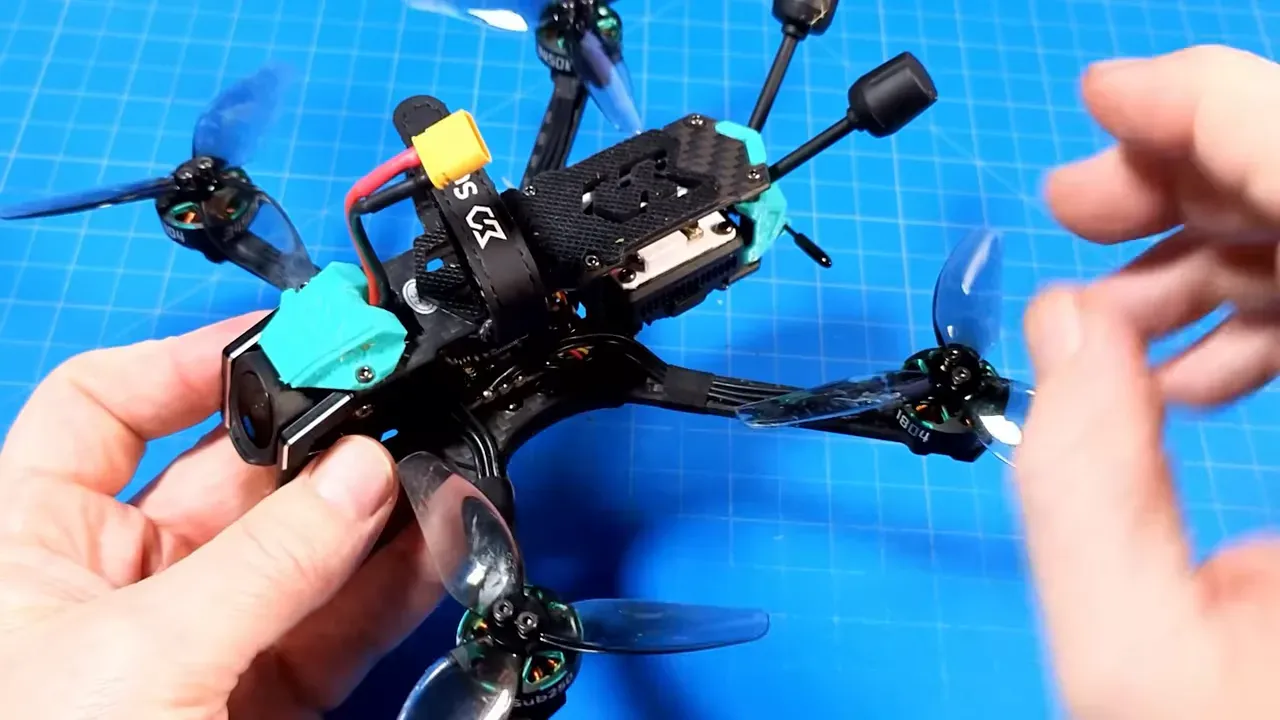
The OasisFly35 targets pilots who want near-5in efficiency in a compact 3.5in frame. The package ships ready for HD FPV, with options for O4 Pro, O3, or O4 Lite camera units and ExpressLRS receivers.
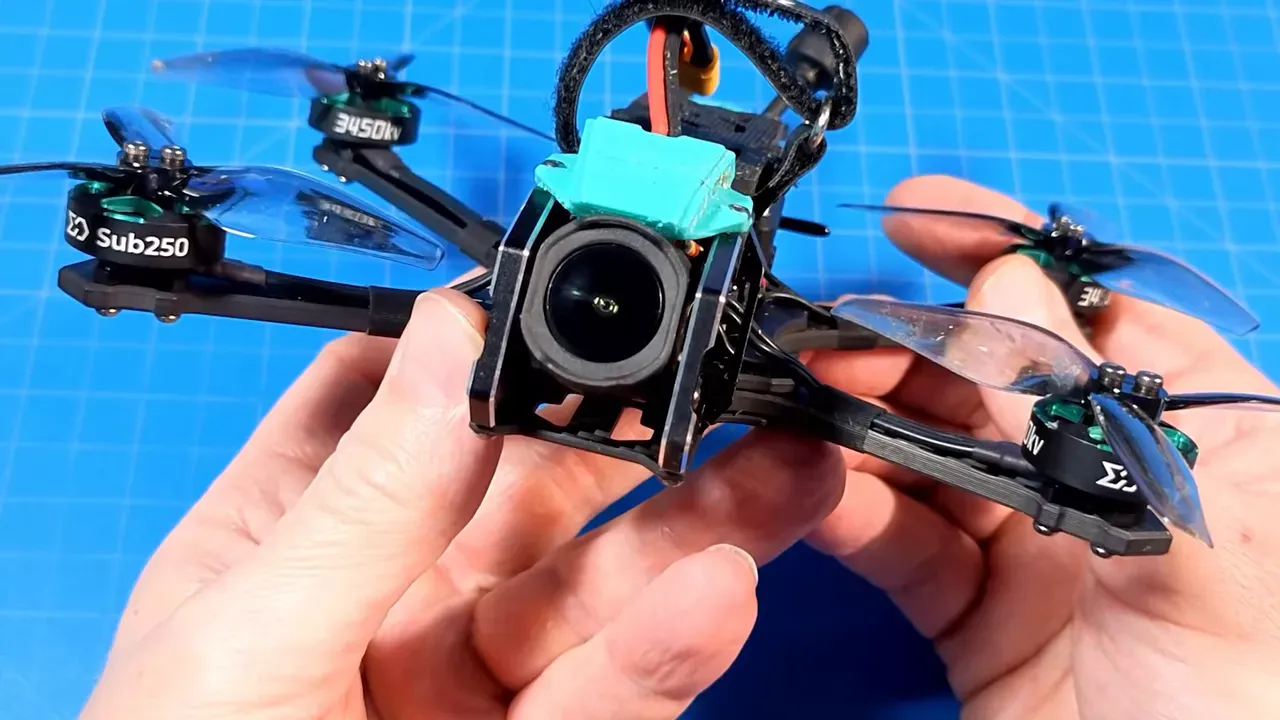
Core hardware at a glance
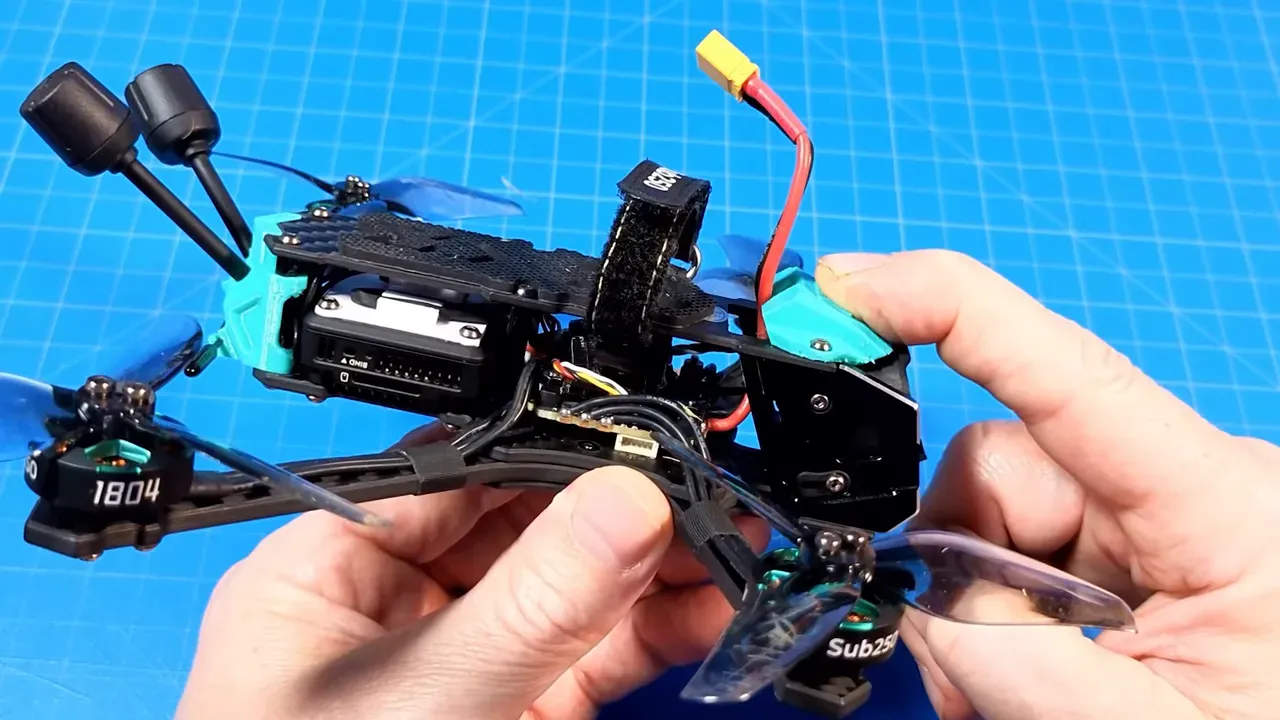
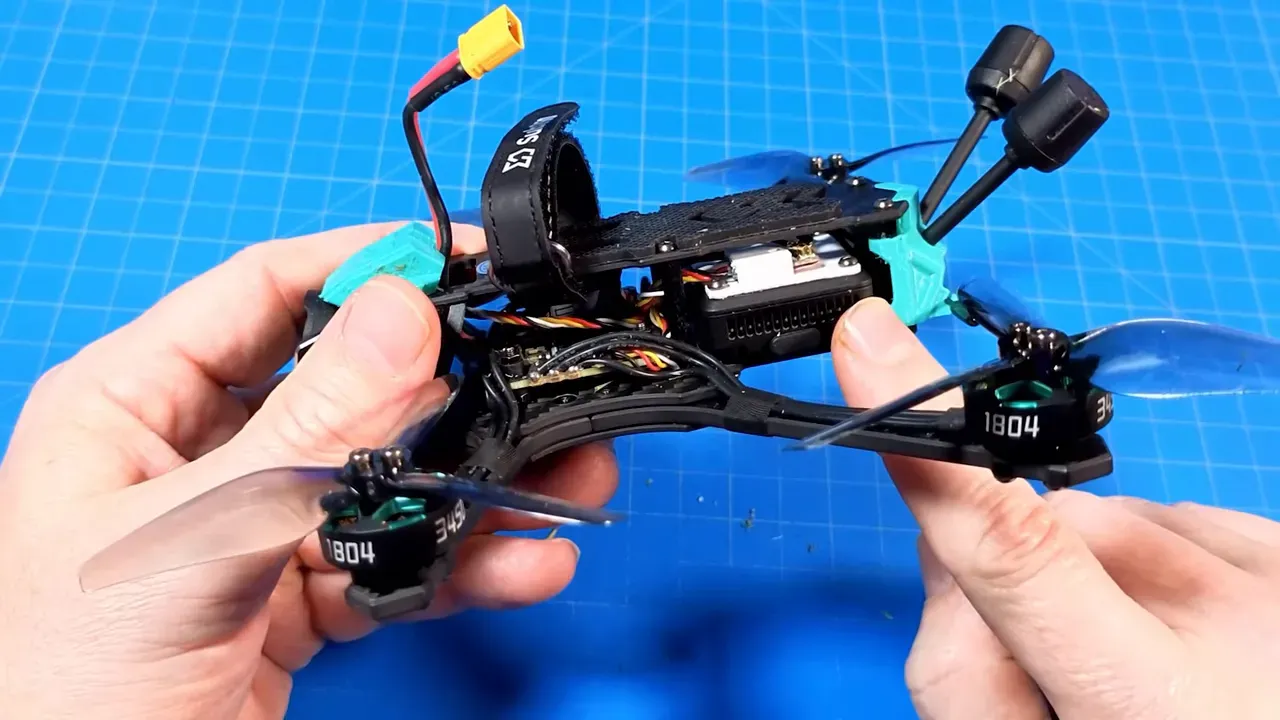
Flight control sits on a Red Fox A3 45 amp all-in-one board. Motors are Sub250 1804 at 3,450 KV paired with HQ 3.5x3.5 tri props. Battery plug is XT30. The receiver fits above the O4 on the tail stack.
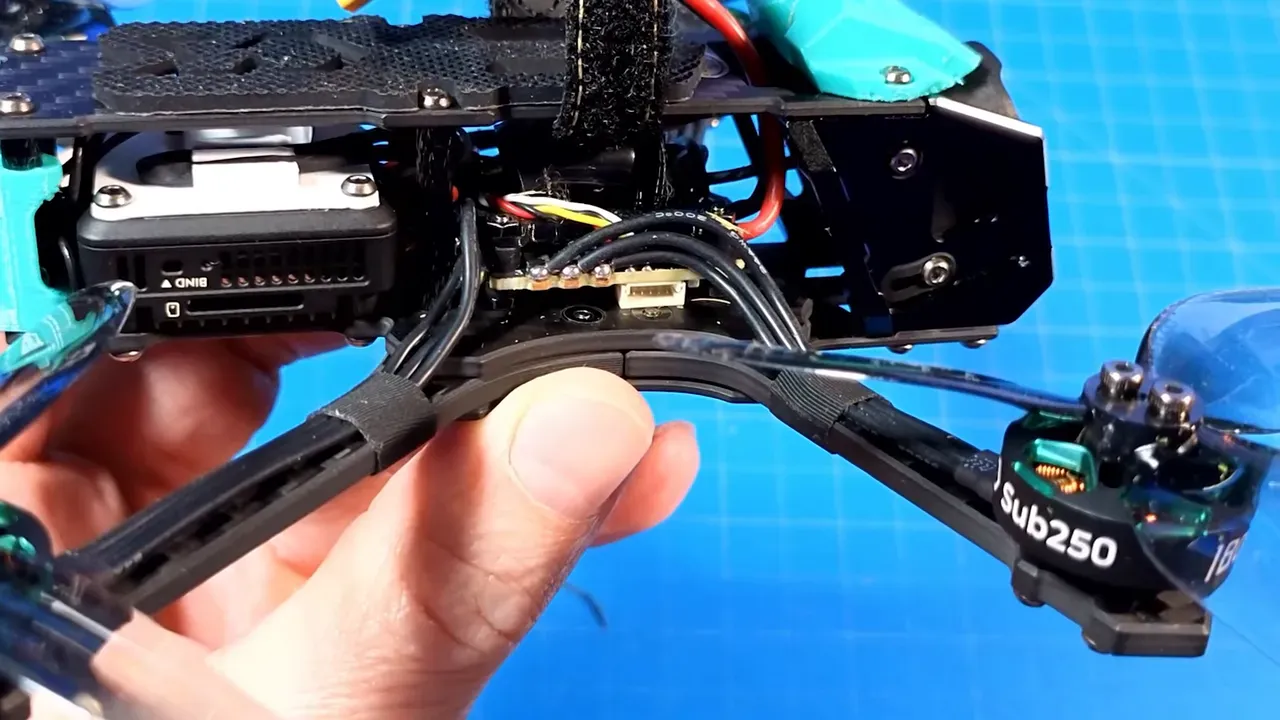
Build quality and frame layout
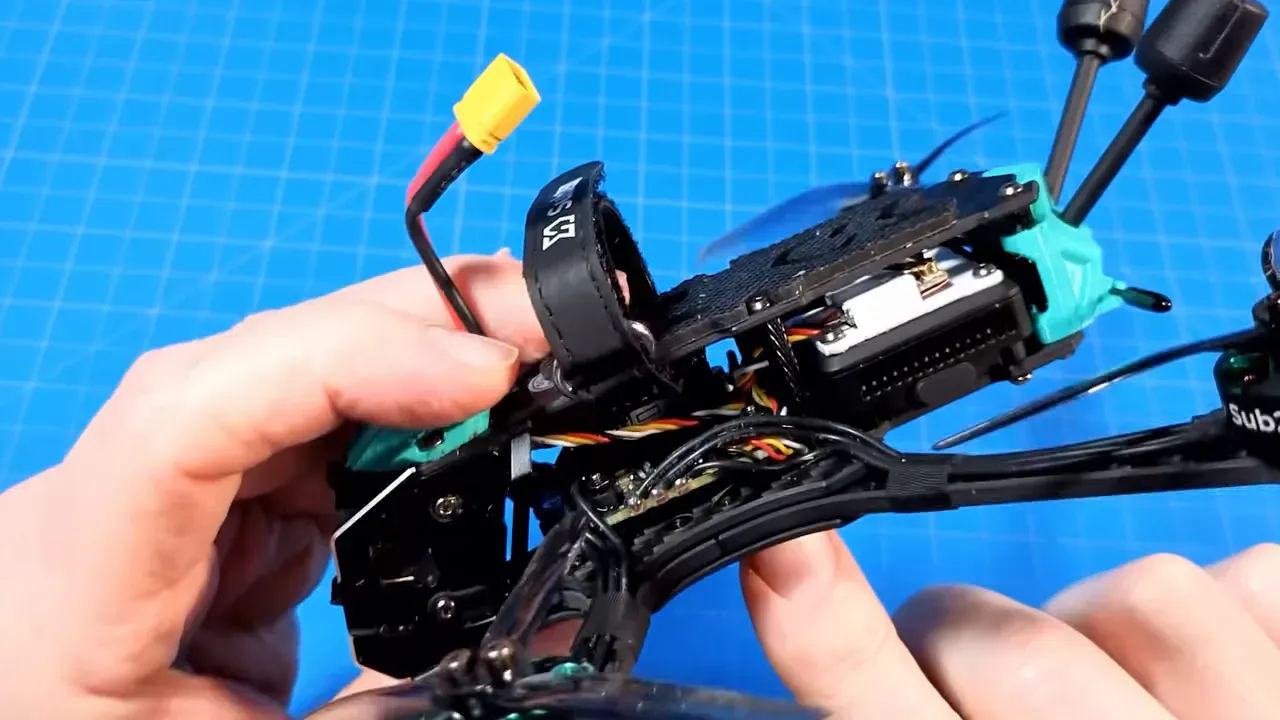
Top plate uses urban fibre carbon at about 2mm thickness. There is a two-plate sandwich beneath, with a thicker bottom plate towards the tail. Arms are split for individual replacement and measure roughly 8 to 9mm wide.
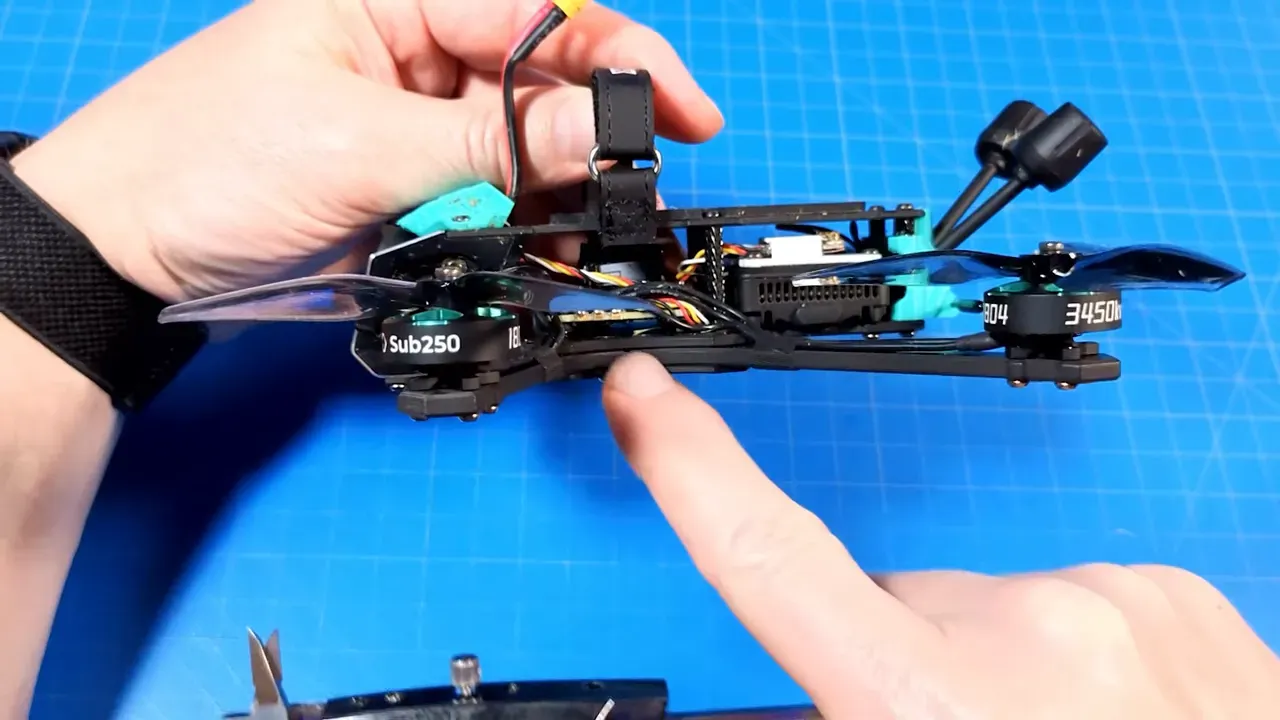
Weight and battery choices
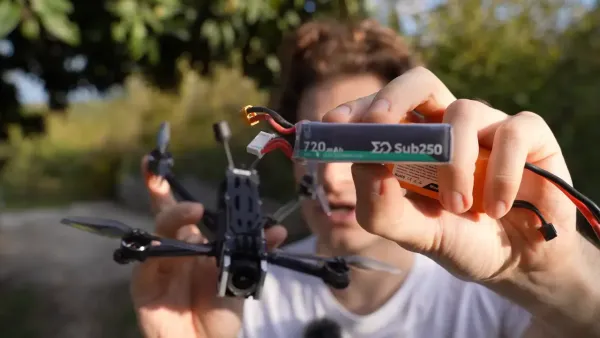
Dry weight without battery and accessories measured around 199g. Sub250 lists a 245g weight when fitted with a 530mAh 4S, but that number likely omits optional side plates and feet. With a 550mAh pack the test unit hit 253g.
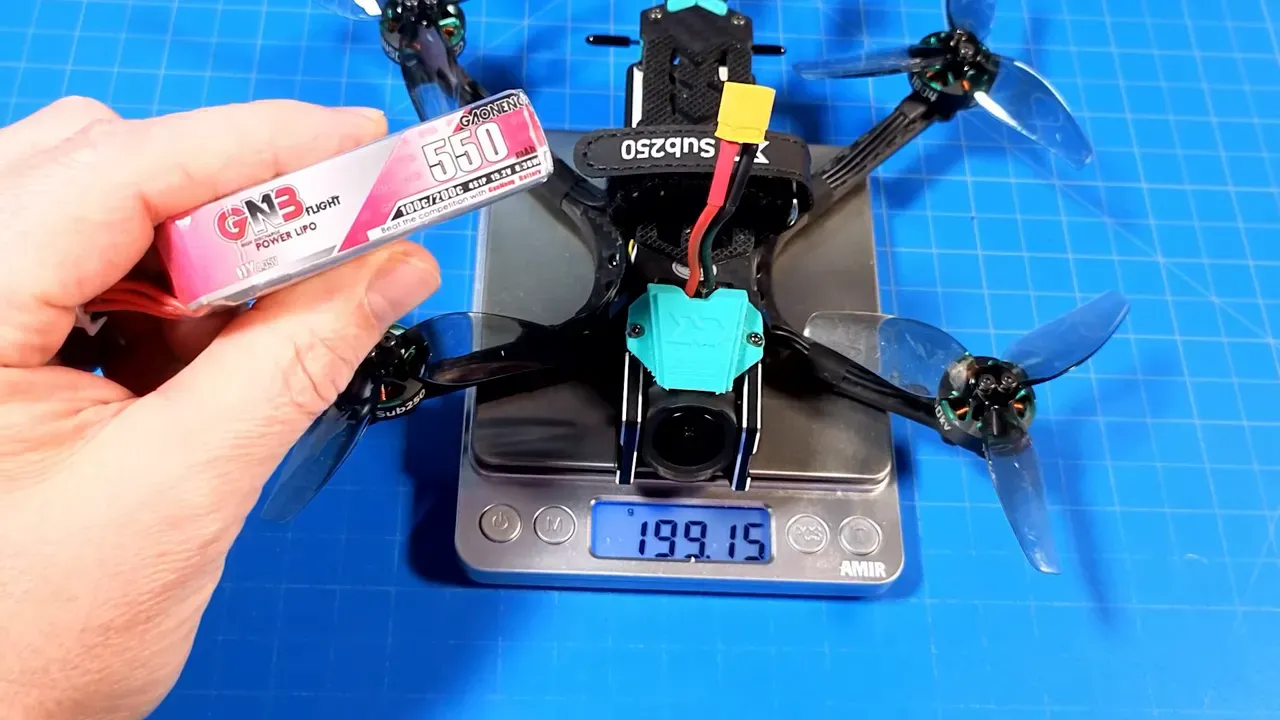
Nick ran a battery matrix to show real-world runtimes. A 930mAh 4S produced about 11 minutes 30 seconds. An 850mAh 4S yielded roughly 11 minutes. A 650mAh 4S returned around seven minutes of cruisy flight.

Flight character: cinematic and capable
The OasisFly35 handles gentle cinematic flight with impressive efficiency. With the 930mAh pack it ran long DVR-to-onboard flights that feel like slow aerial cruising rather than aggressive freestyling.
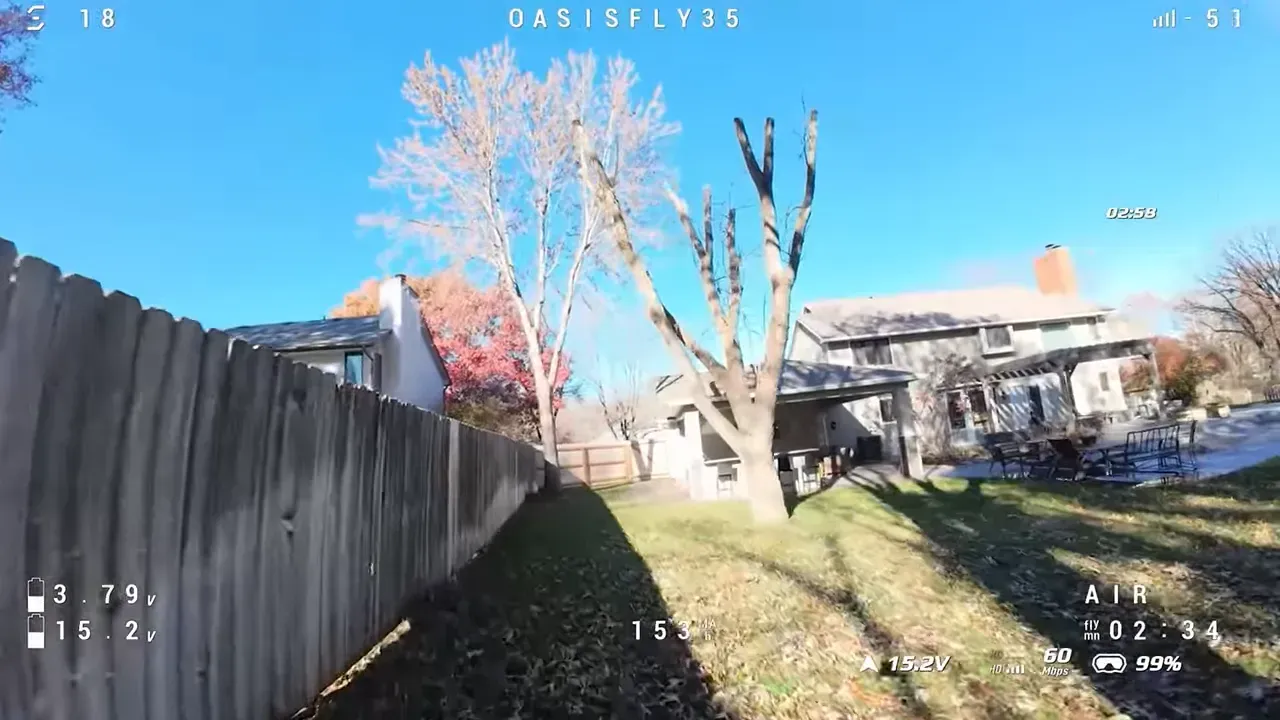
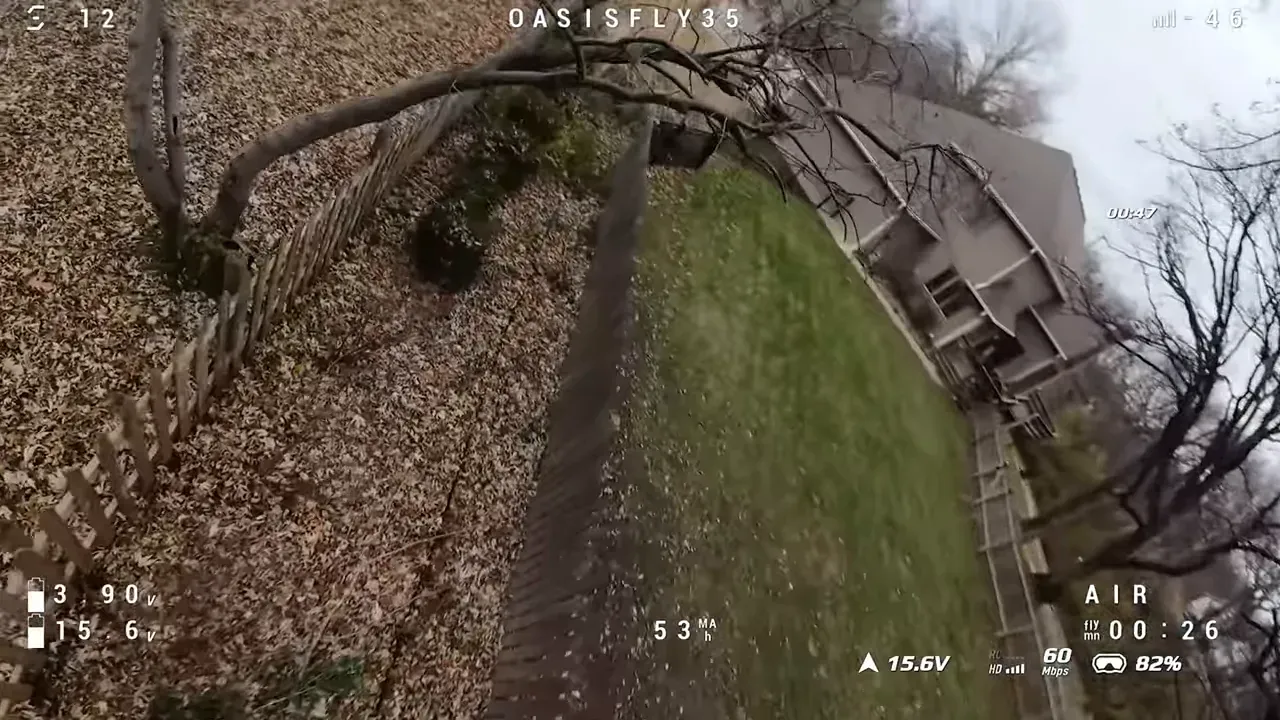
Switch to full-send moves and the little quad remains fun. Burns notes solid throttle response during punches and rolls, but also occasional prop wash and a small shutter during some zero-throttle inverted transitions.
Tuning notes and quick fixes
That tiny zero-throttle wobble is common on compact designs. Burns suggests PID tuning to reduce prop wash and recommends trying throttle linearization first. On a similar three-inch quad, setting throttle linearization to 100 percent removed the shimmer.
Camera angle and protection
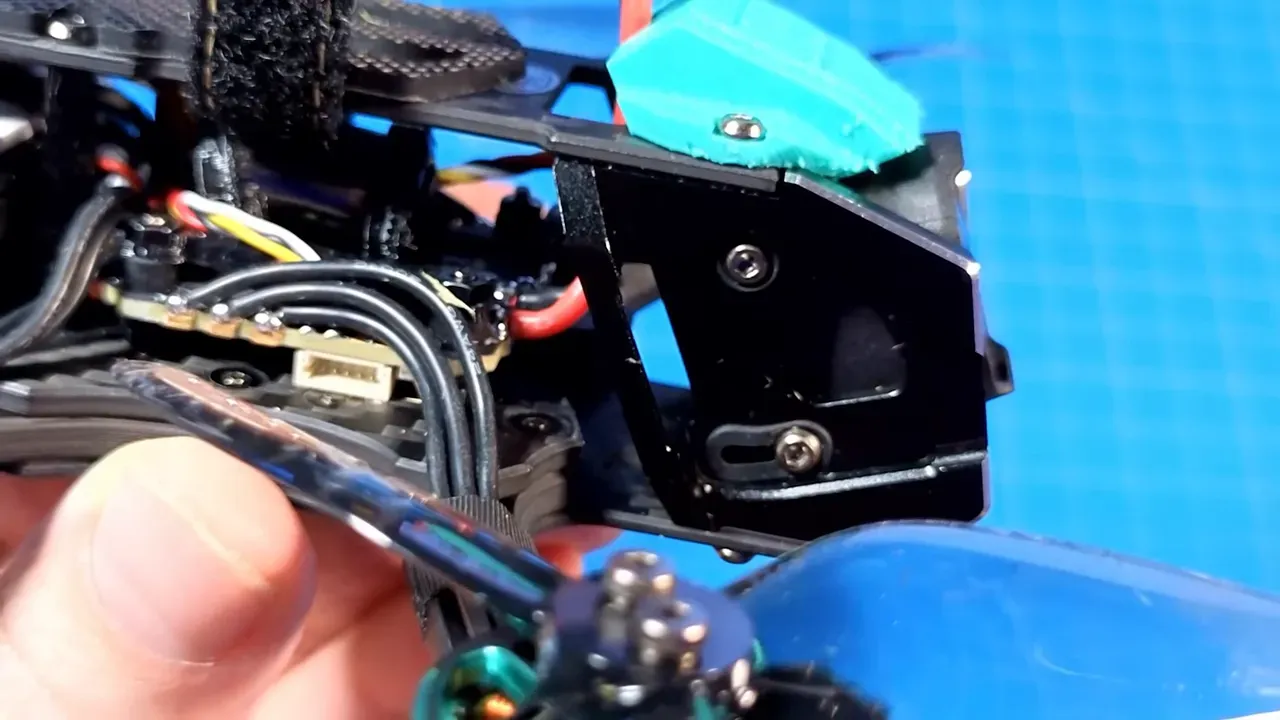
Camera tilt is limited by a rubber grommet and the bracket geometry. Even with the top piece removed the mount reaches near-flat. Metal front pieces exist but offer little camera crash protection unless using shallower units like the O3 or O4 Lite.
Practical assembly and maintenance
Cable routing is tidy but the battery lead exits directly from the flight controller. Burns advises zip-tying that cable to a carbon standoff to avoid PCB pad damage in a battery ejection. It costs pennies and saves a soldering heap.
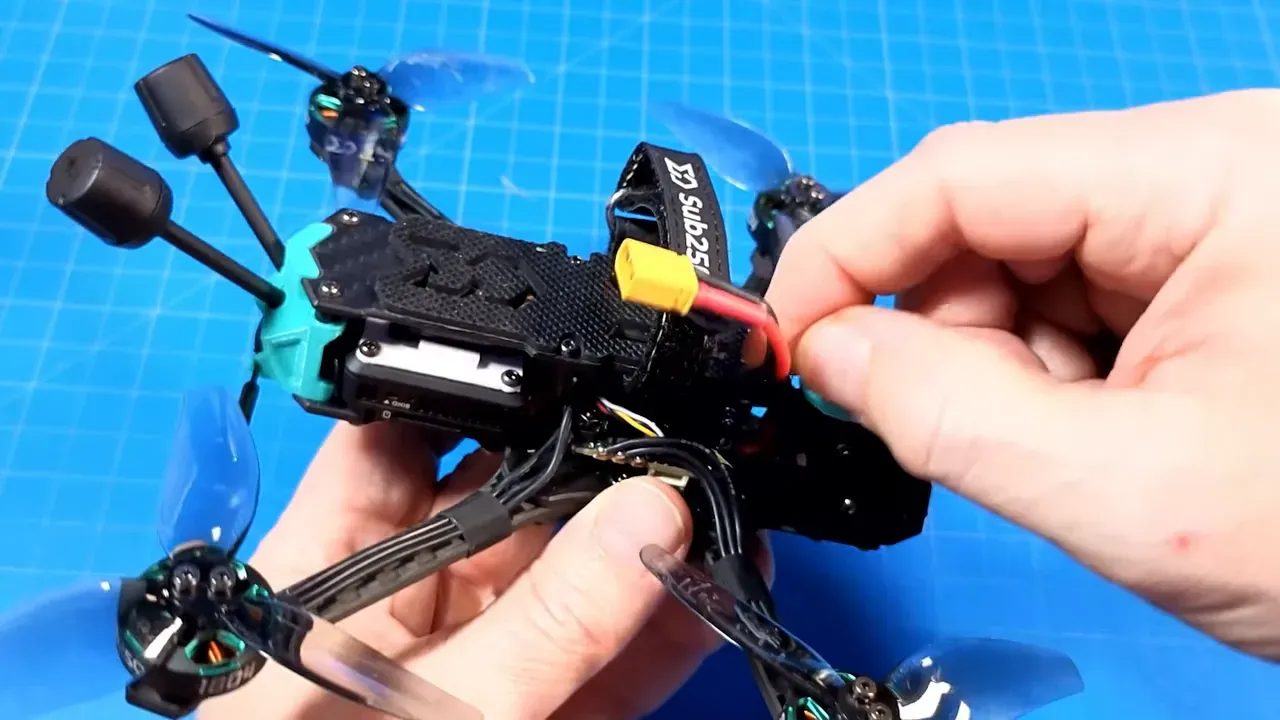
Arm replacement looks straightforward: three screws per arm, though one screw anchors the flight controller. Expect to cut motor wire tape and hold the nut when removing that screw. The kit includes spare standoffs, extra screws, and a textured battery mat.
Cold-weather flying and heated gloves
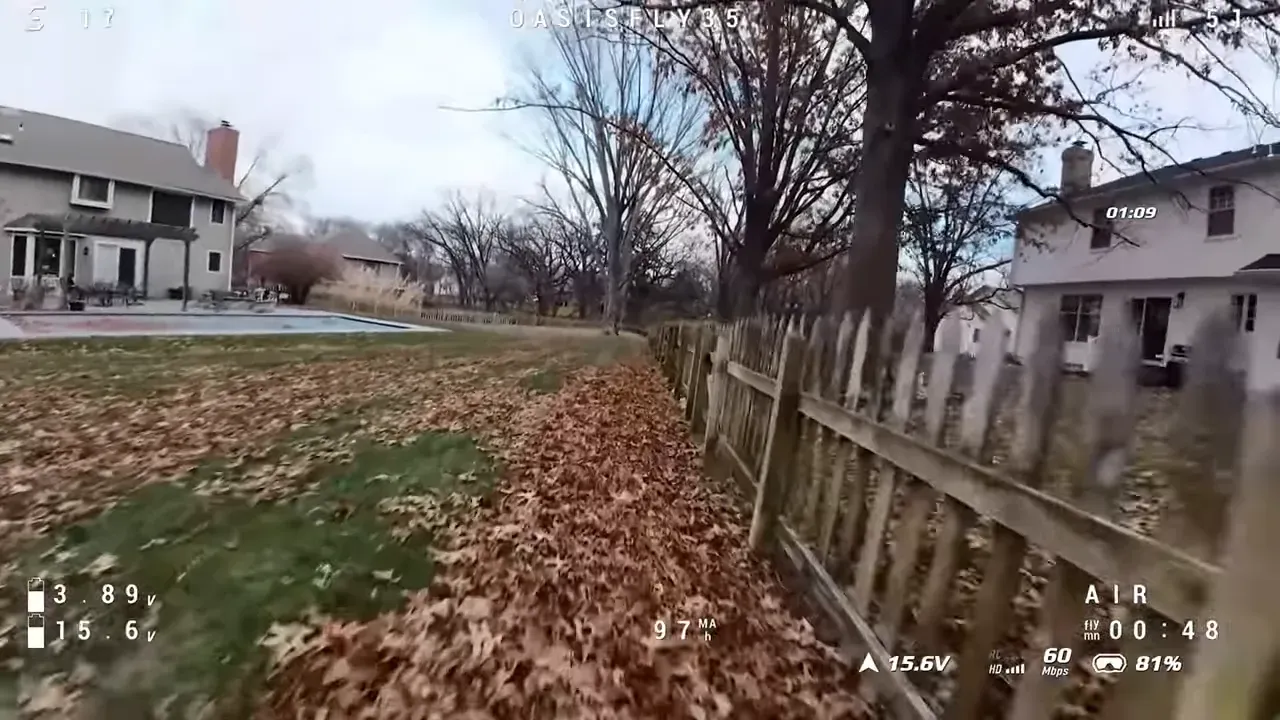
Winter limited testing. Burns flew in temps down to 27°F with real-feel near 17°F. He uses RubberQuads heated gloves but finds fingertip dexterity still diminished for precise freestyle. He prefers short flights or heated hand warmers between sorties.
Durability and crash behaviour
Minor crashes left the frame intact. A light tumble into grass caused a turtle that ended a long flight but left the quad flyable. Motor wire tape kept wires tucked and out of the props after repeated impacts.
Verdict and price expectations
OasisFly35 feels like a sensible compromise between efficiency and punch. It is not flawless — some tuning will improve prop wash and the camera angle tops out — but it delivers strong flight times for its size.
Price was not confirmed at test time. A kit with an O4 Pro and ExpressLRS receiver likely falls in mainstream HD micro ranges.
FAQ
What flight times can pilots expect with common battery sizes?
Expect roughly 5.5 minutes on a 530mAh 4S for aggressive freestyle. An 850mAh 4S gives about 11 minutes. A 930mAh 4S runs near 11 minutes 30 seconds. A 1,100mAh 4S may reach 14 to 15 minutes in cruising flight.
Which flight controller and receiver options fit this OasisFly35 frame?
The kit ships with the Red Fox A3 45A AIO. It supports O4 Pro, O3, and O4 Lite camera units. ExpressLRS receivers fit above the O4 in the tail stack in the tested setup.
Is the camera angle adjustable enough for cinematic runs?
The mount allows a high field of view but limits downward tilt due to a rubber grommet and bracket geometry. It handles cinematic cruising fine but may not suit pilots who want steep nose-up freestyle angles.
How easy is field maintenance after a crash?
Field repairs are manageable. Arms are replaceable via three screws. Protect the battery lead with a zip tie to avoid flight controller pad damage. Spare screws and standoffs are included in the kit.
Takeaway box
Compact 3.5in with near-5in efficiency — long cruise times without bulk.
Tune PIDs or try throttle linearization to cure zero-throttle shimmer.
Zip-tie the battery lead; it avoids solder-pad surgery.
Heated gloves help, but fingertip dexterity still limits aggressive freestyle in cold weather.
This article was based from the video Cinematic Flow Meets Full Send — 3.5" HD FPV Rip Session // Winter - time for heated gloves