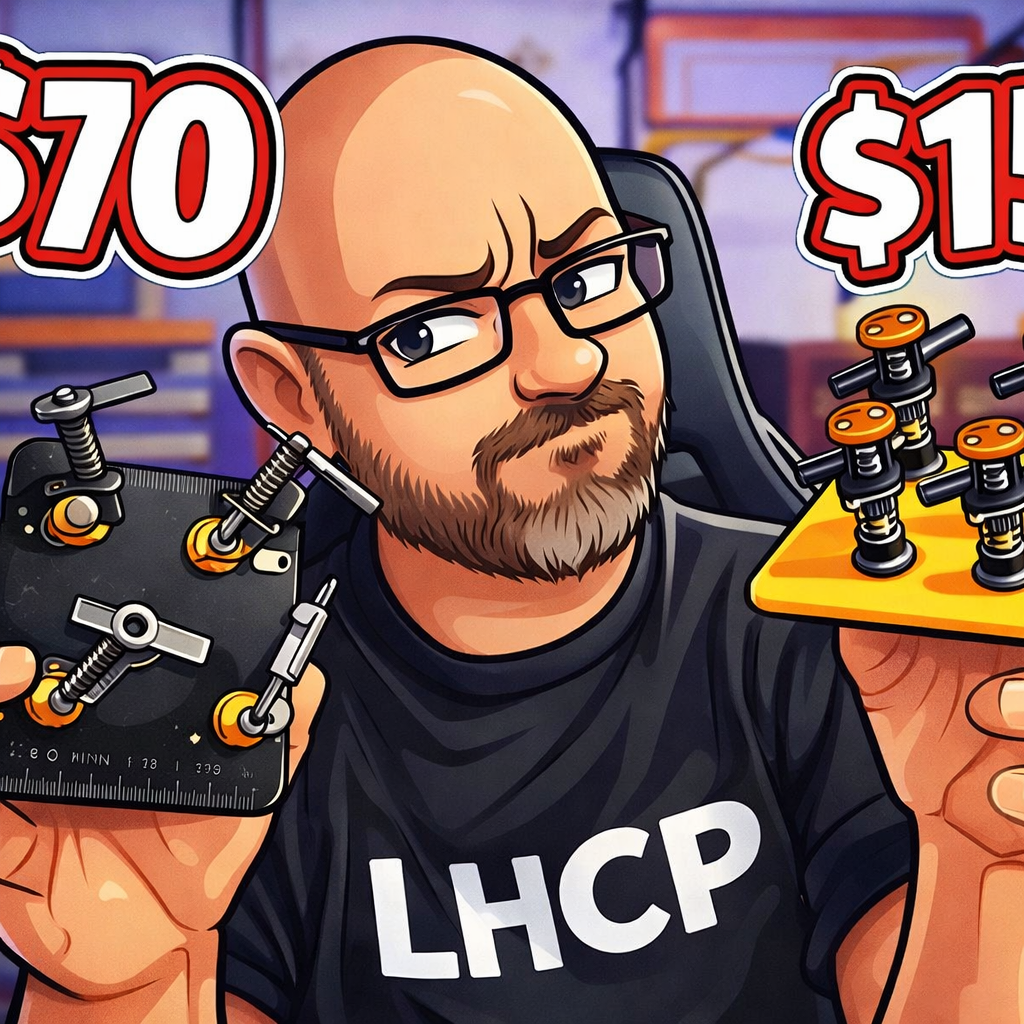
Joshua Bardwell spots two magnetic helping hands that achieve the same task at vastly different prices. TL;DR: the cheap set works for most bench soldering, but Omnifixo still wins where precision or power feed matters.
What the Omnifixo does that old flexible-arms never did
Traditional flexible helping hands flex, drift, and take up bench real estate. OmniFixo swaps long arms for strong magnets and spring-loaded clips to lock parts in place.
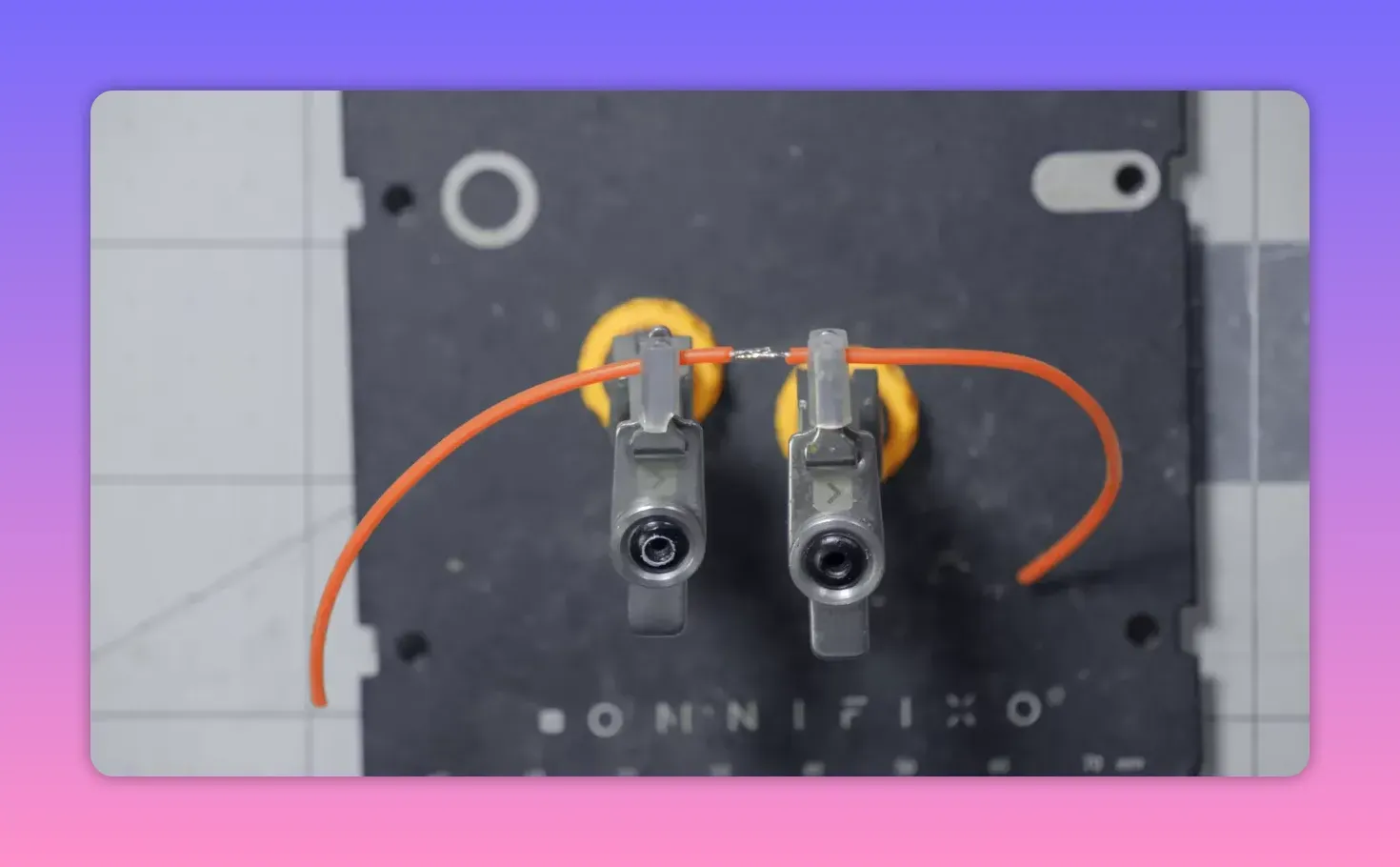
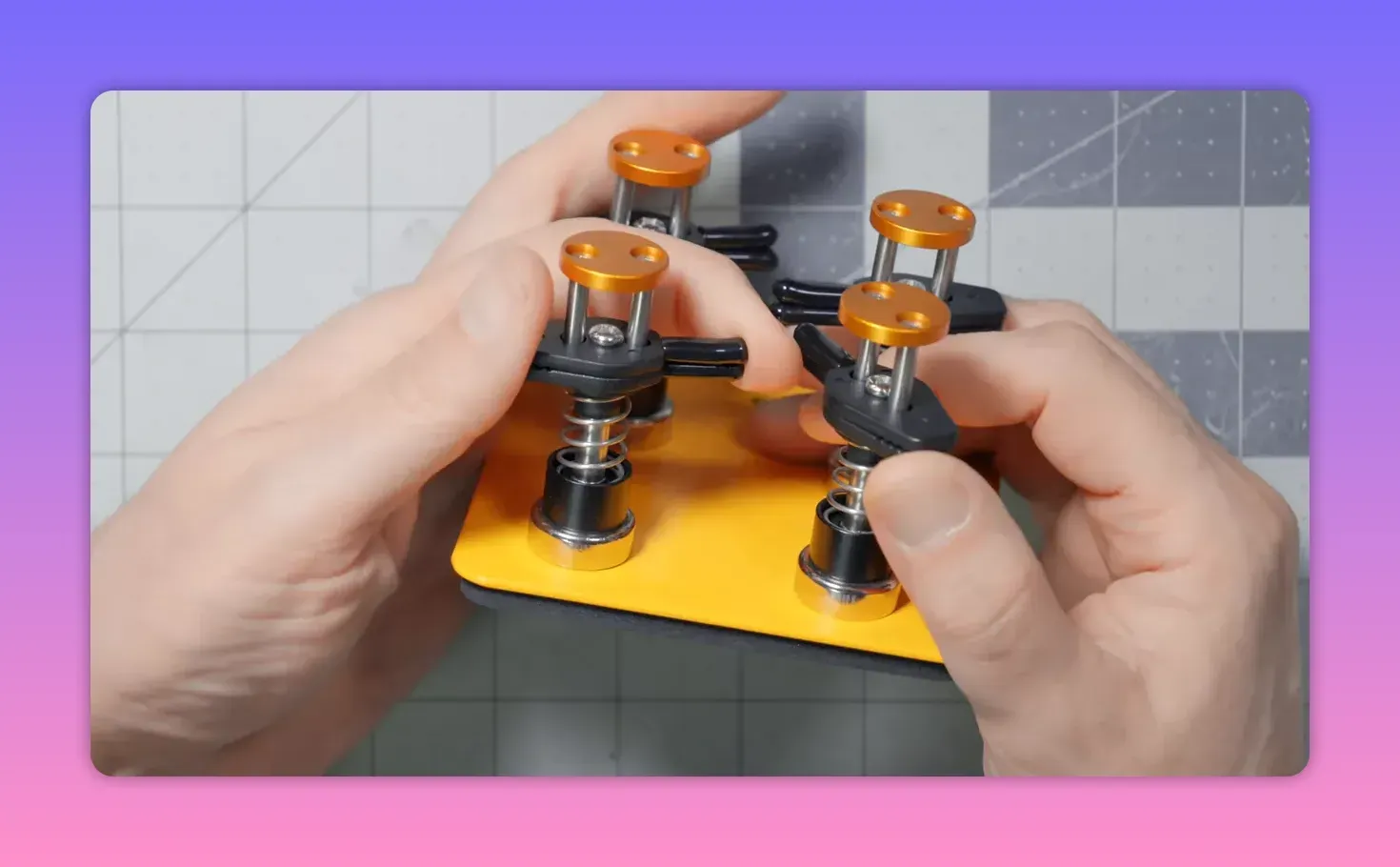
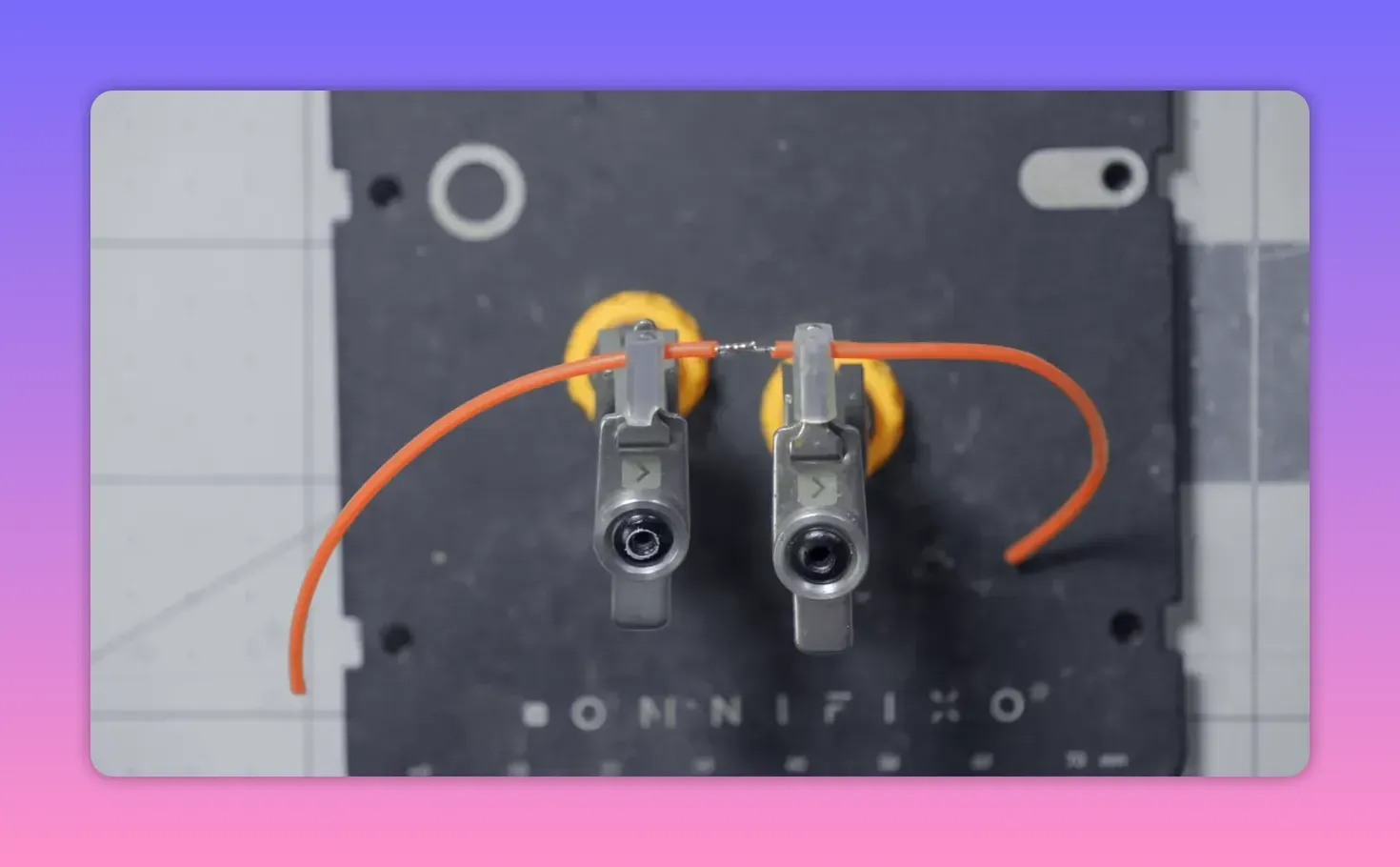
The magnetic bases let the clips sit exactly where needed. That makes lining up wire splices fast and repeatable — ideal when solder joints must make solid surface contact.
Why Omnifixo commands a premium
Small Omnifixo with two clips lists near $38; the four-clip kit is about $69. Buyers pay for modularity, angle adjustment, conductive bases, and thoughtful engineering.
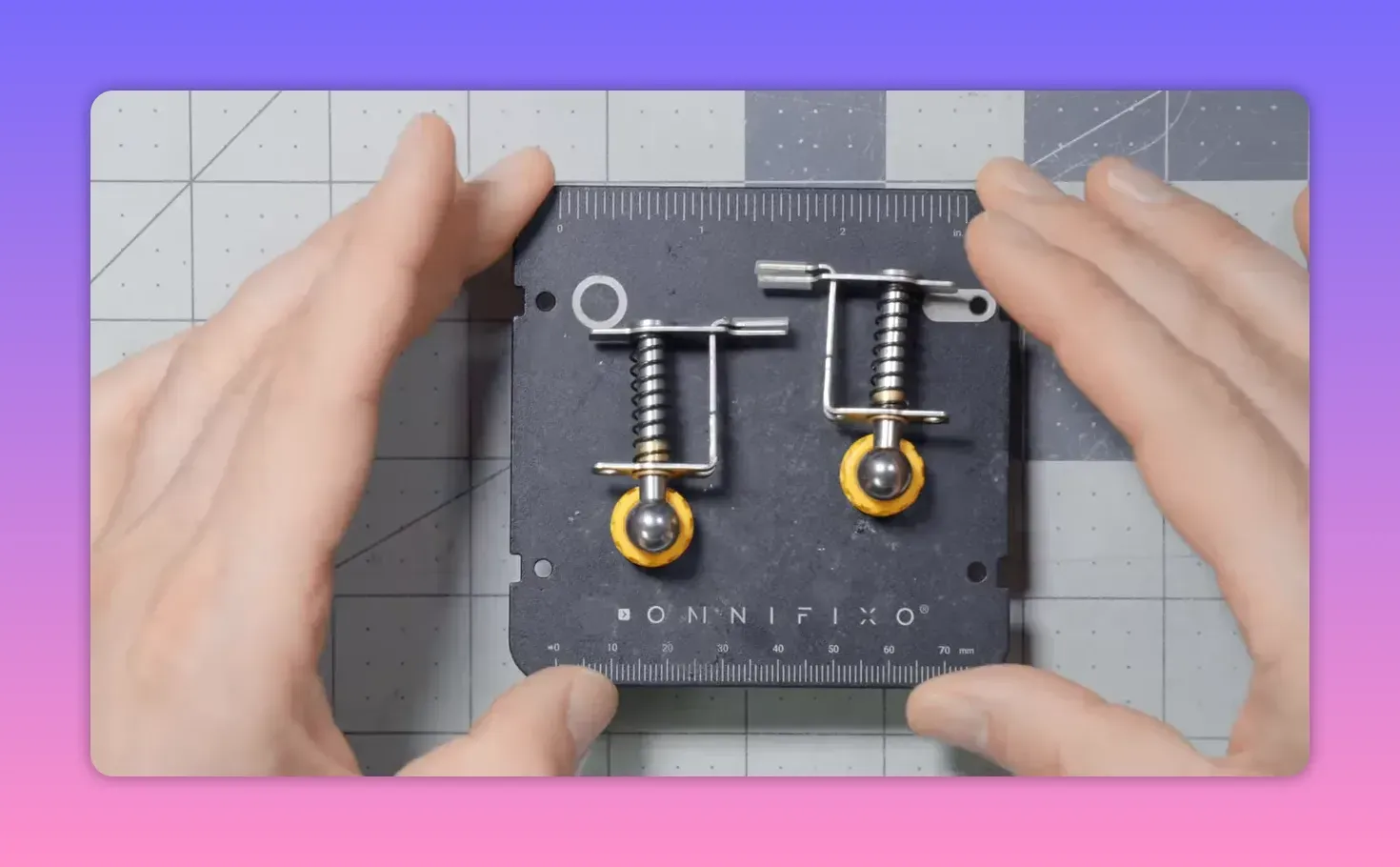
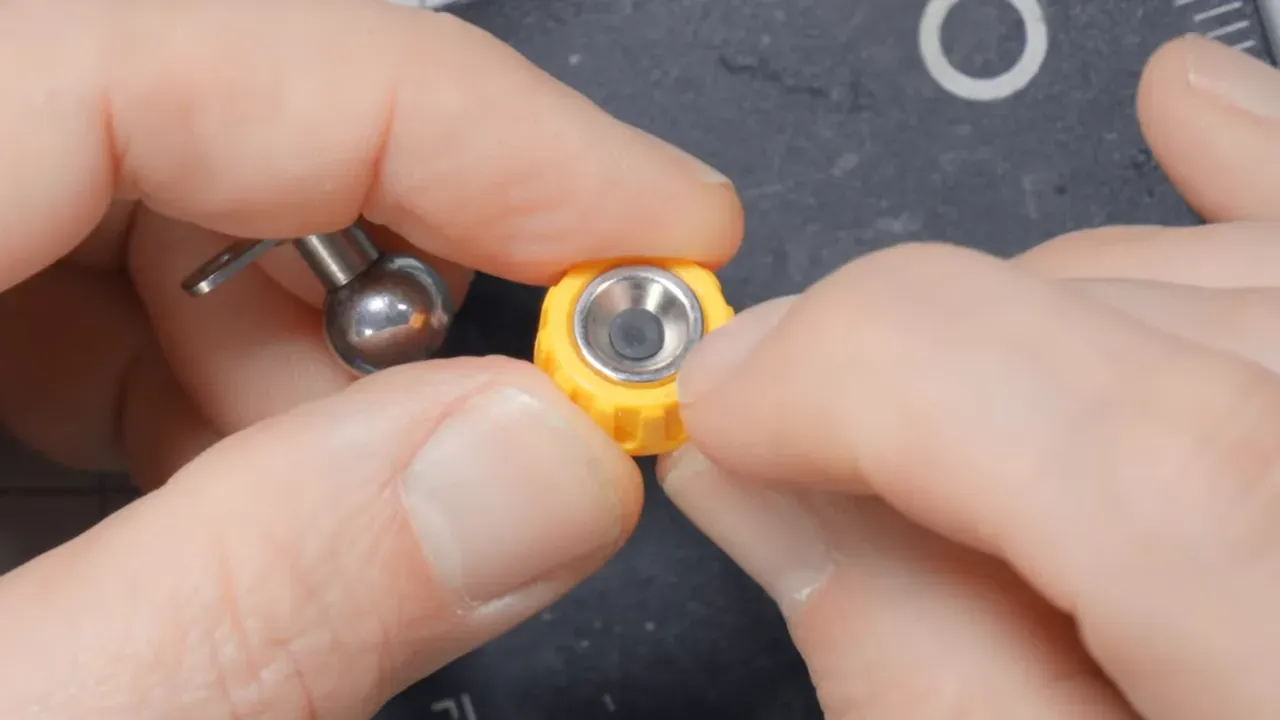
The base can flip to expose a metallic ring that feeds power through the clip. That allows grounding or powering a clamped assembly without jury-rigging alligator leads.
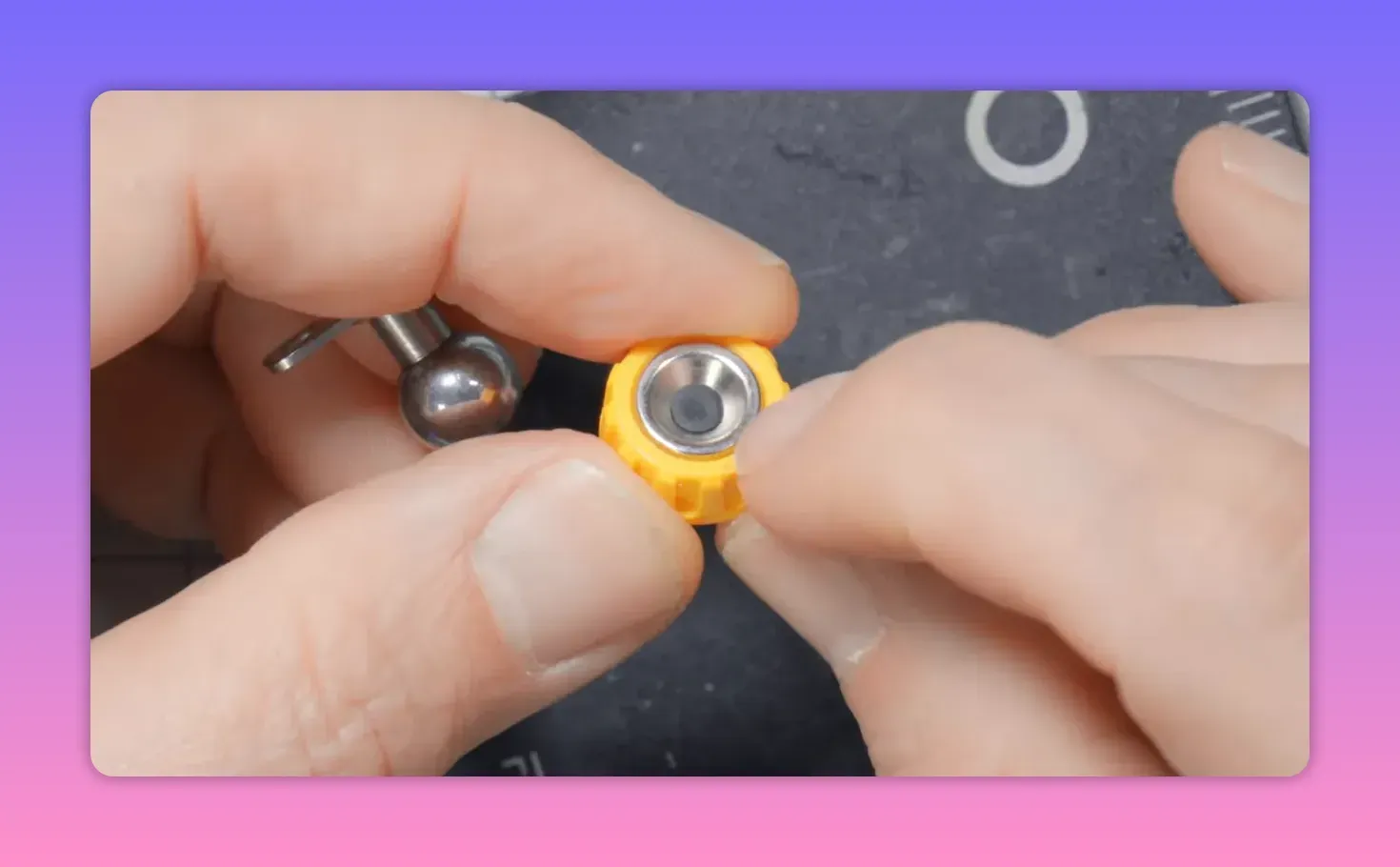
The $8–$16 AliExpress alternative that actually works
Bardwell found a compact magnetic helping hands kit on AliExpress for roughly $8 to $10. Add two extra clips and the total stays around $15 to $16.
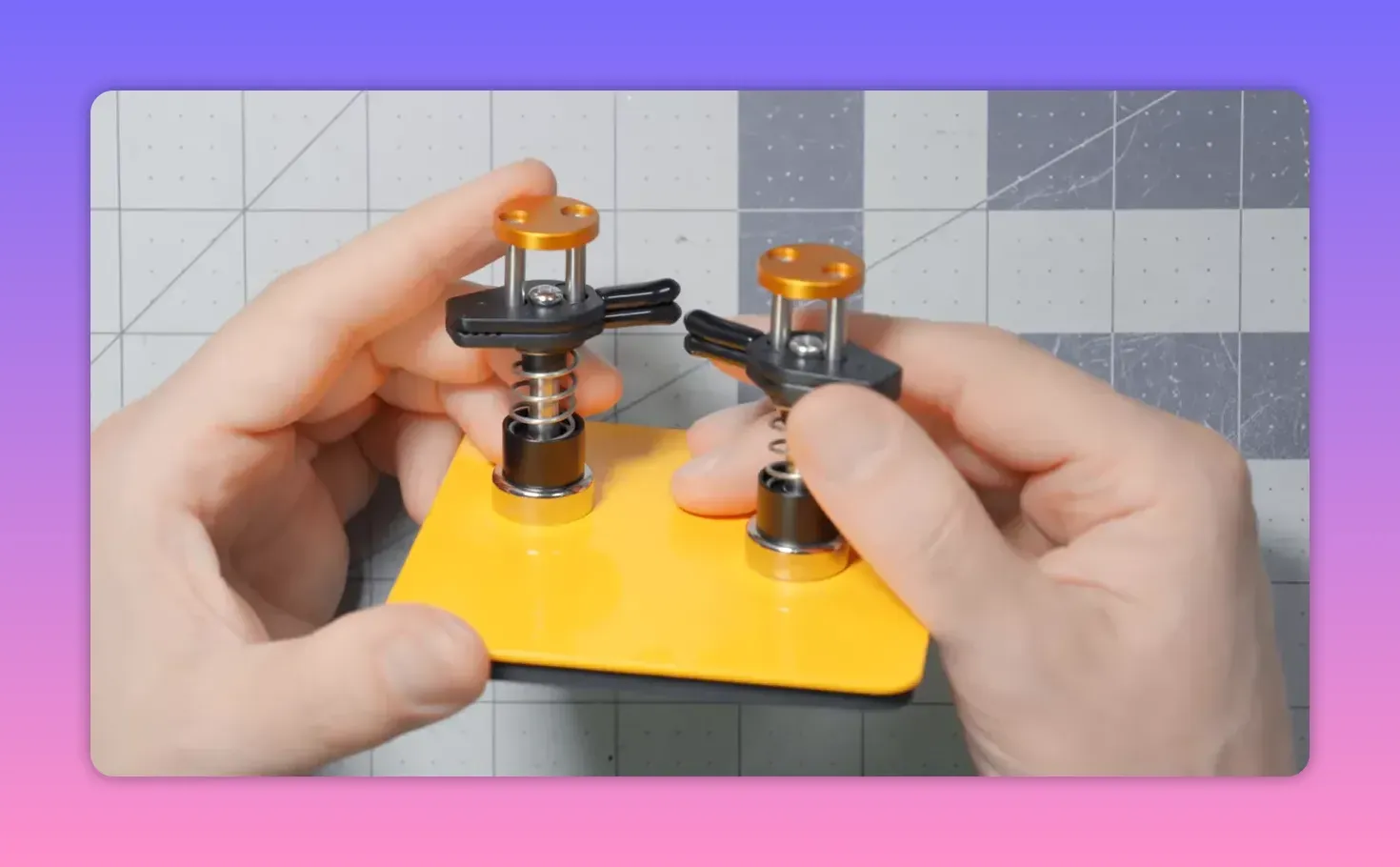
The Toolour-style set uses fixed-angle spring clips on strong magnets. Clamps feel robust and magnets hold well — alignment takes a touch more patience but gets the job done.
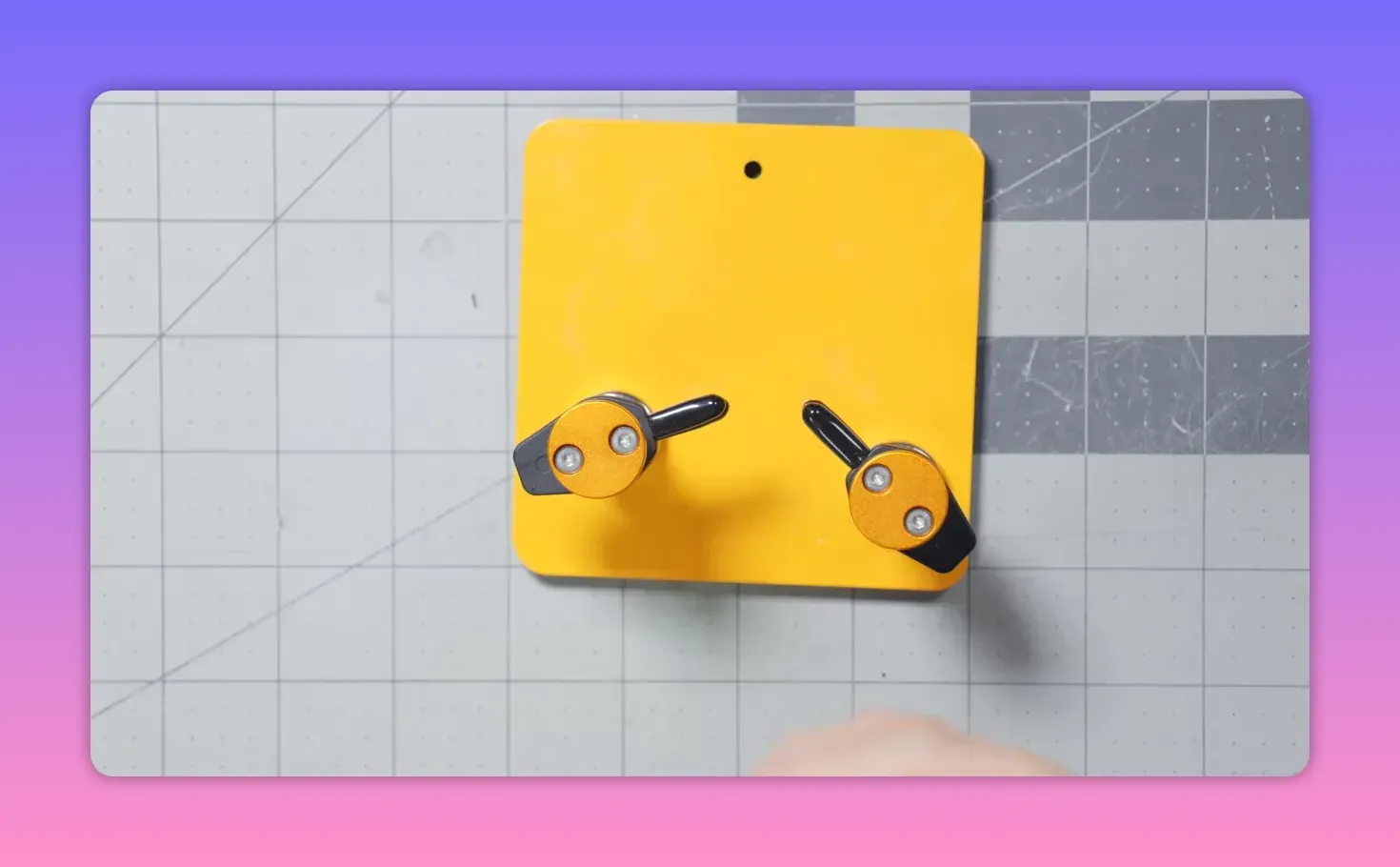
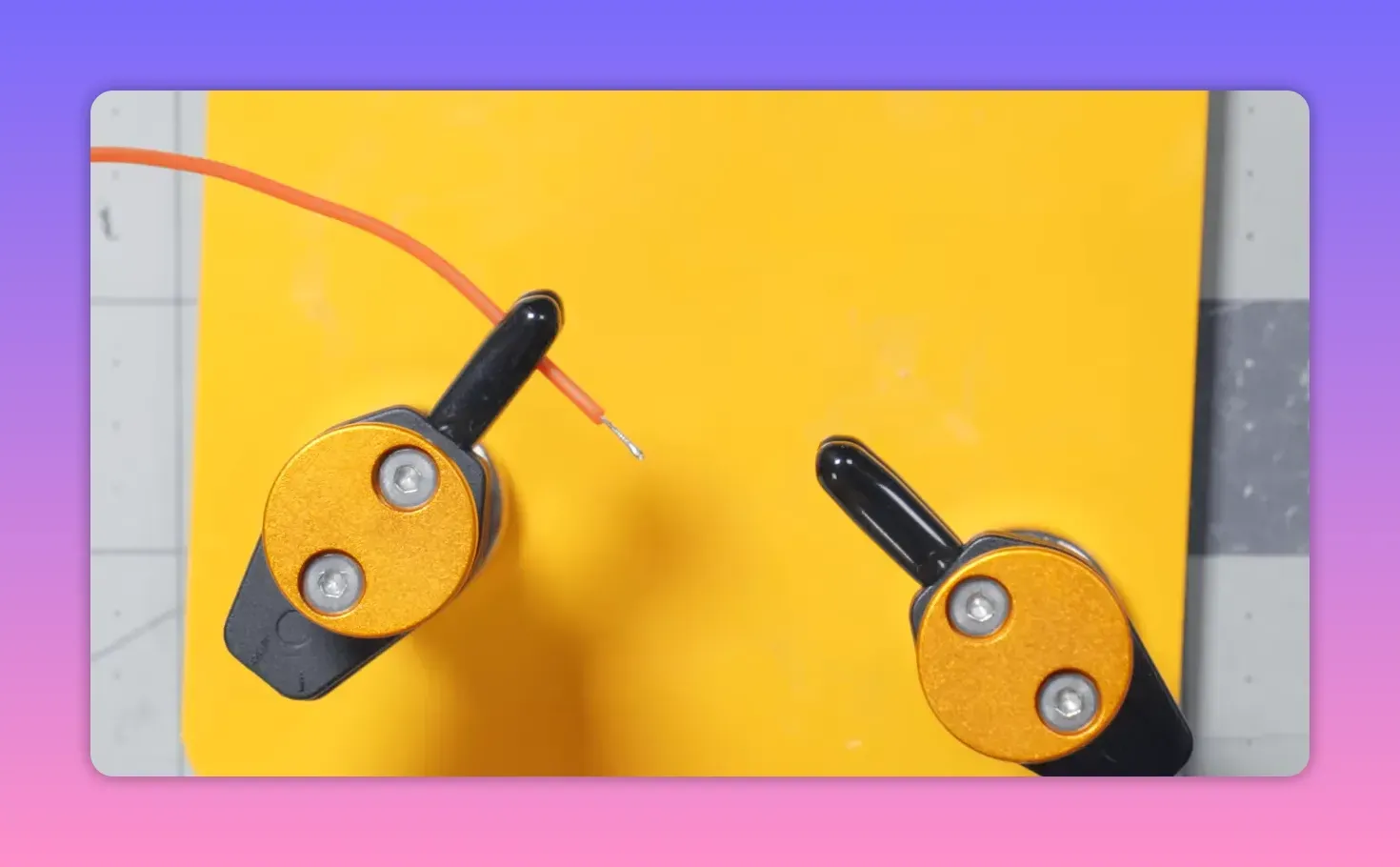
The main tradeoffs: no height adjustment, limited angle freedom, and no obvious conductive feed through the base. That eliminates a few specialised workflows but keeps routine soldering fast and cheap.
Ethics, clones, and the near-perfect knockoff
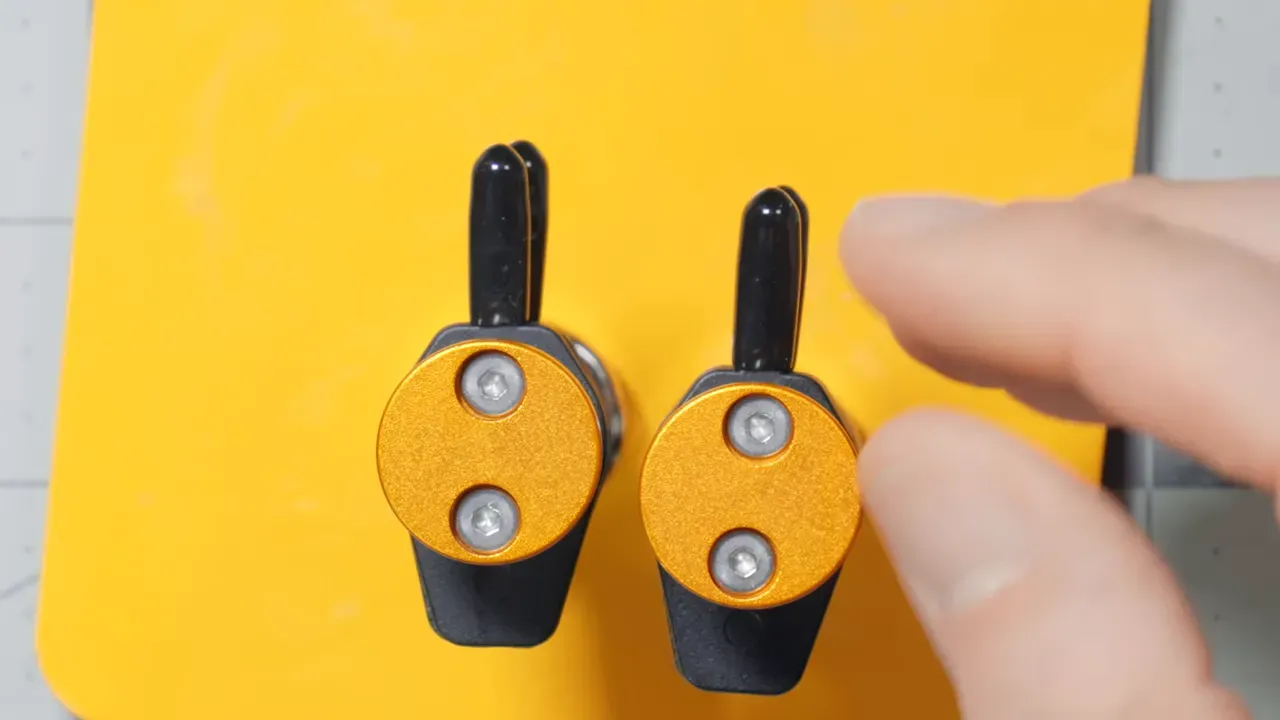
A nearly identical Omnifixo clone appears on marketplaces for around $30. It lacks some Omnifixo polish yet copies core features — a half-price temptation.
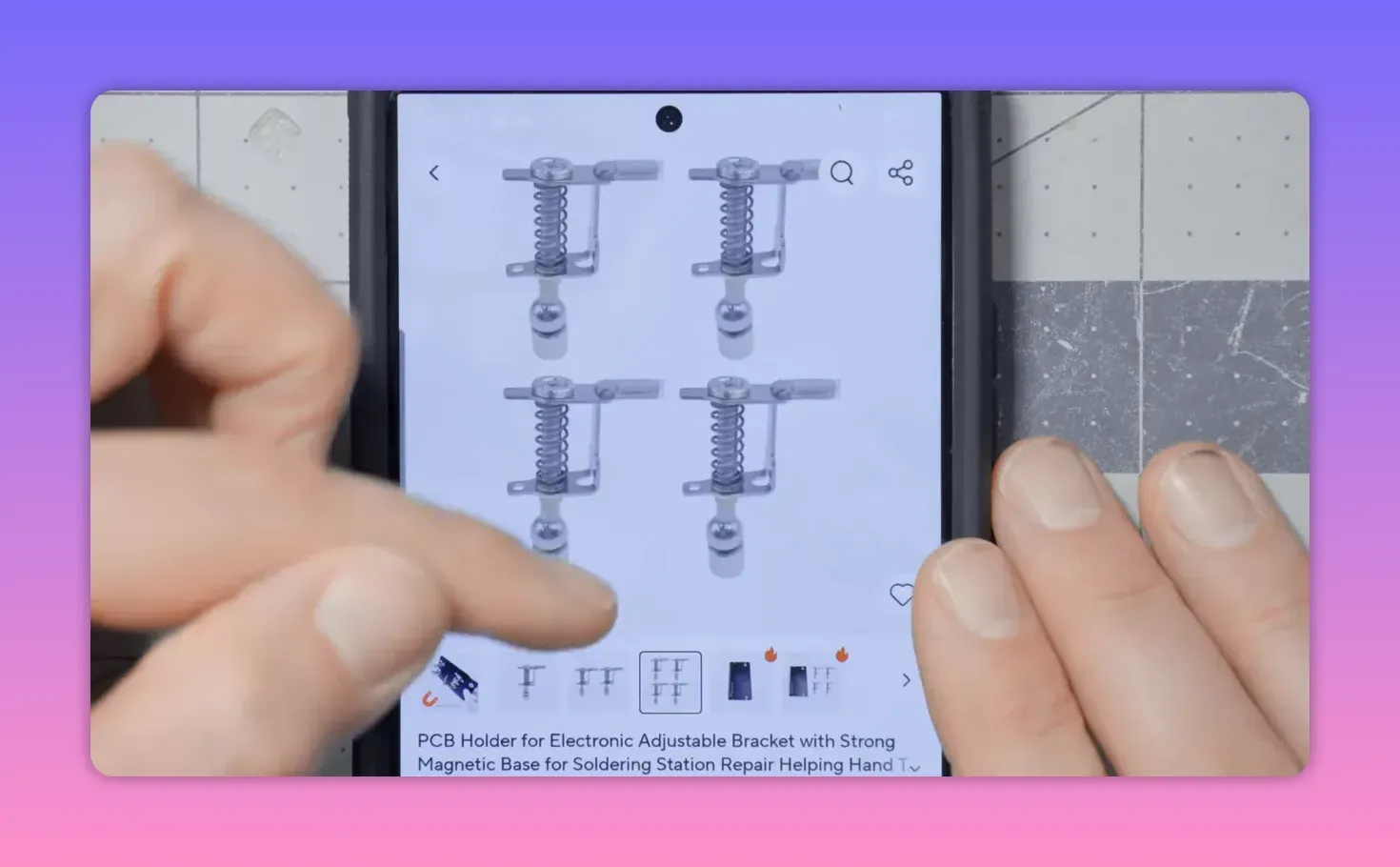
The clone raises a practical question: save $30 or reward the original designer. For many makers, the $30 difference buys the better user experience.
Which one to buy
Choose the Omnifixo if the bench needs modularity, angle control, or pass-through electrical feeding. Choose the AliExpress set when budget, portability, and basic clamping matter more.
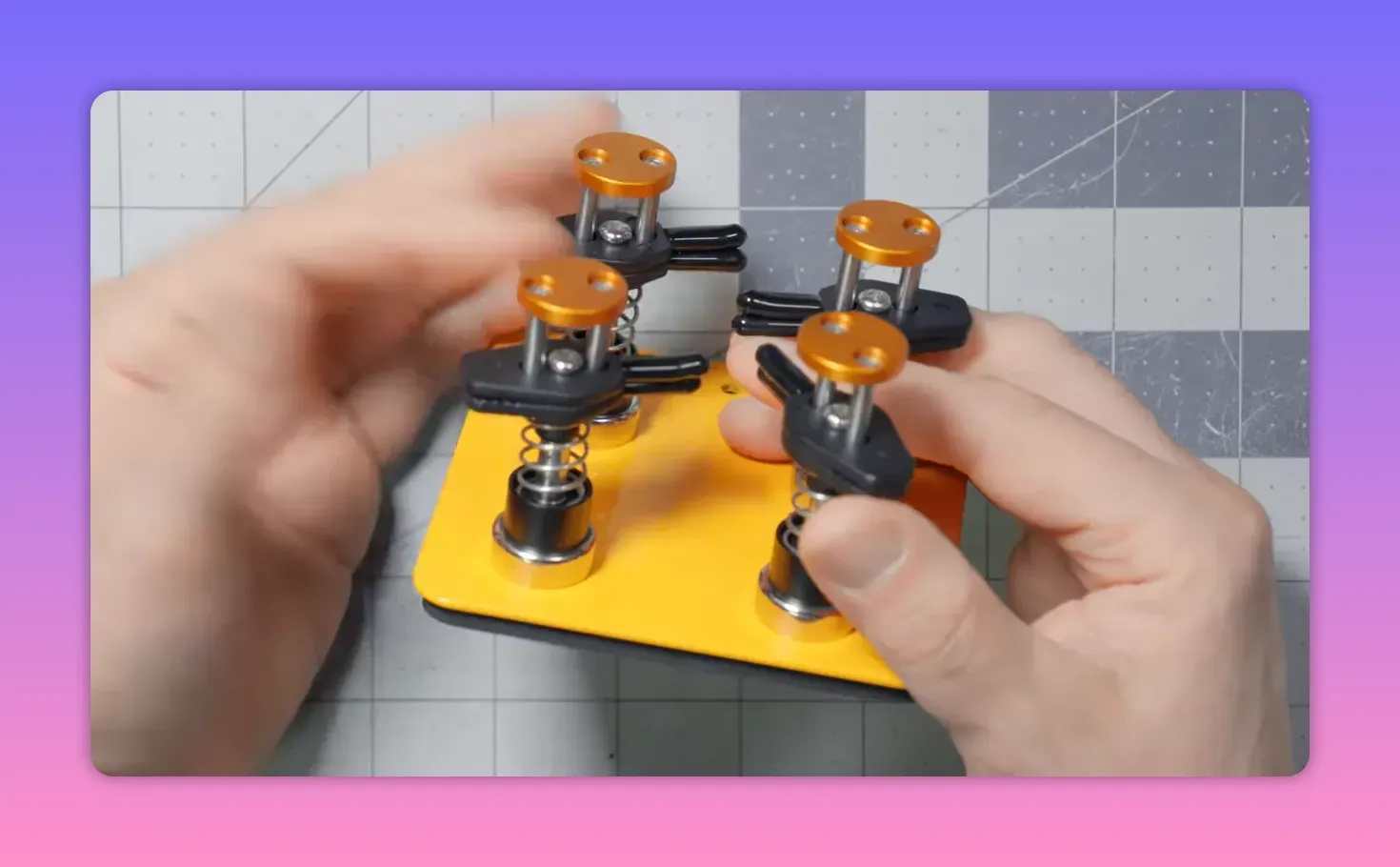
The cheap set upgrades most workflows cheaply — it improves at least half of typical soldering tasks. If a job pushes past its limits, the loss is only the cost of a cheap experiment.
Practical buying tips
- Inspect magnet strength pictures and ask for close-ups of the clip joint.
Consider buying one cheap kit first — it is $8 to $10 risk — before replacing an entire bench fixture.
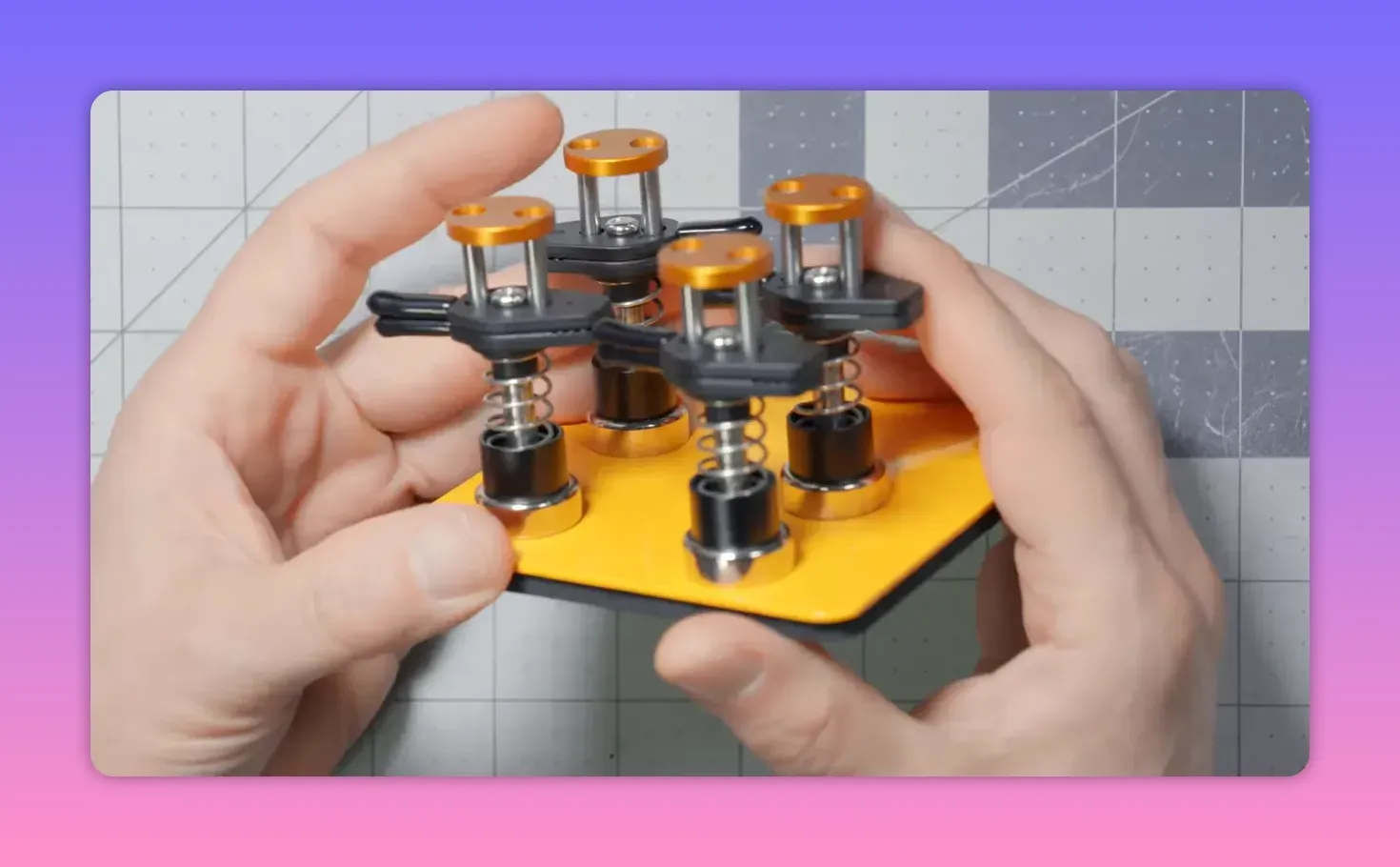
If needing power feed, confirm whether the base is conductive or if clip backs accept an alligator lead.
FAQ
How well do the AliExpress magnets hold compared with Omnifixo?
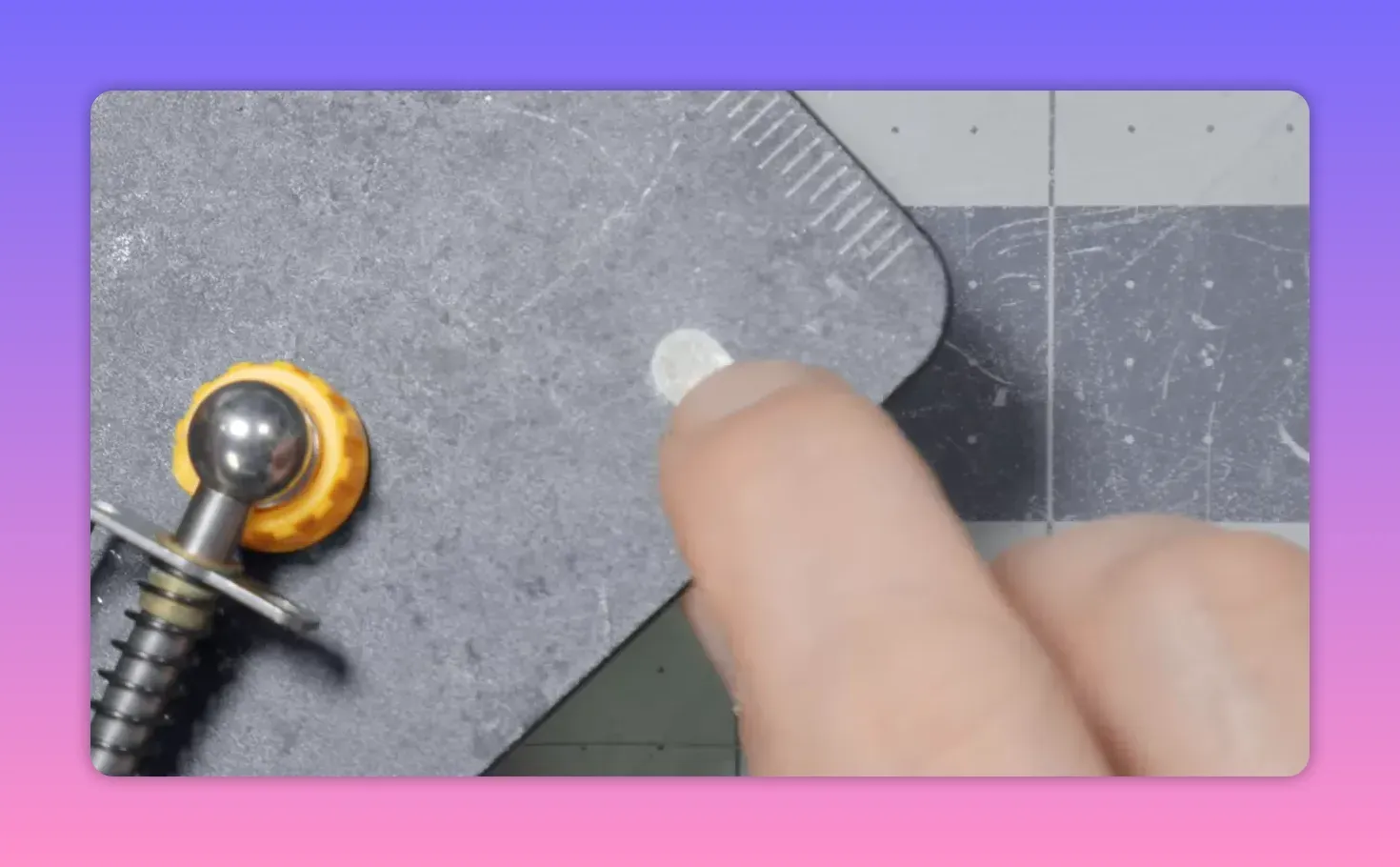
They hold surprisingly well — strong enough for wire splicing and light assemblies. Omnifixo still feels more secure when pushing or rotating parts.
Can the cheaper set carry power or ground through the base?
Most cheap bases are not obviously conductive or designed for easy power feed. Omnifixo includes a flip option and conductive ring to make that work cleanly.
Is the clone worth buying instead of Omnifixo?
The clone saves money but copies design and omits some features. If budget is tight but polish matters, buy Omnifixo; the clone is a stopgap.
What tasks will the cheap set improve immediately?
Wire splices, small component hold, fluxing, and tinning become easier and faster. Tasks needing stacking, angle tweaks, or power feeding remain Omnifixo territory.
Takeaway
Quick nuggets for the skimmers below — punchy and shareable.
- Cheap upgrade: $8–$16 magnetic kits beat flexible arms for basic soldering.
- Omnifixo pays off: buy it for conductive bases, angle control, or heavy bench use.
- Clone caution: half-price copies exist — they work but skip some thoughtful features.
This article was based from the video $70 "helping hands" vs. $15 Chinese copy -- worth it?